Chalandritsa Tower
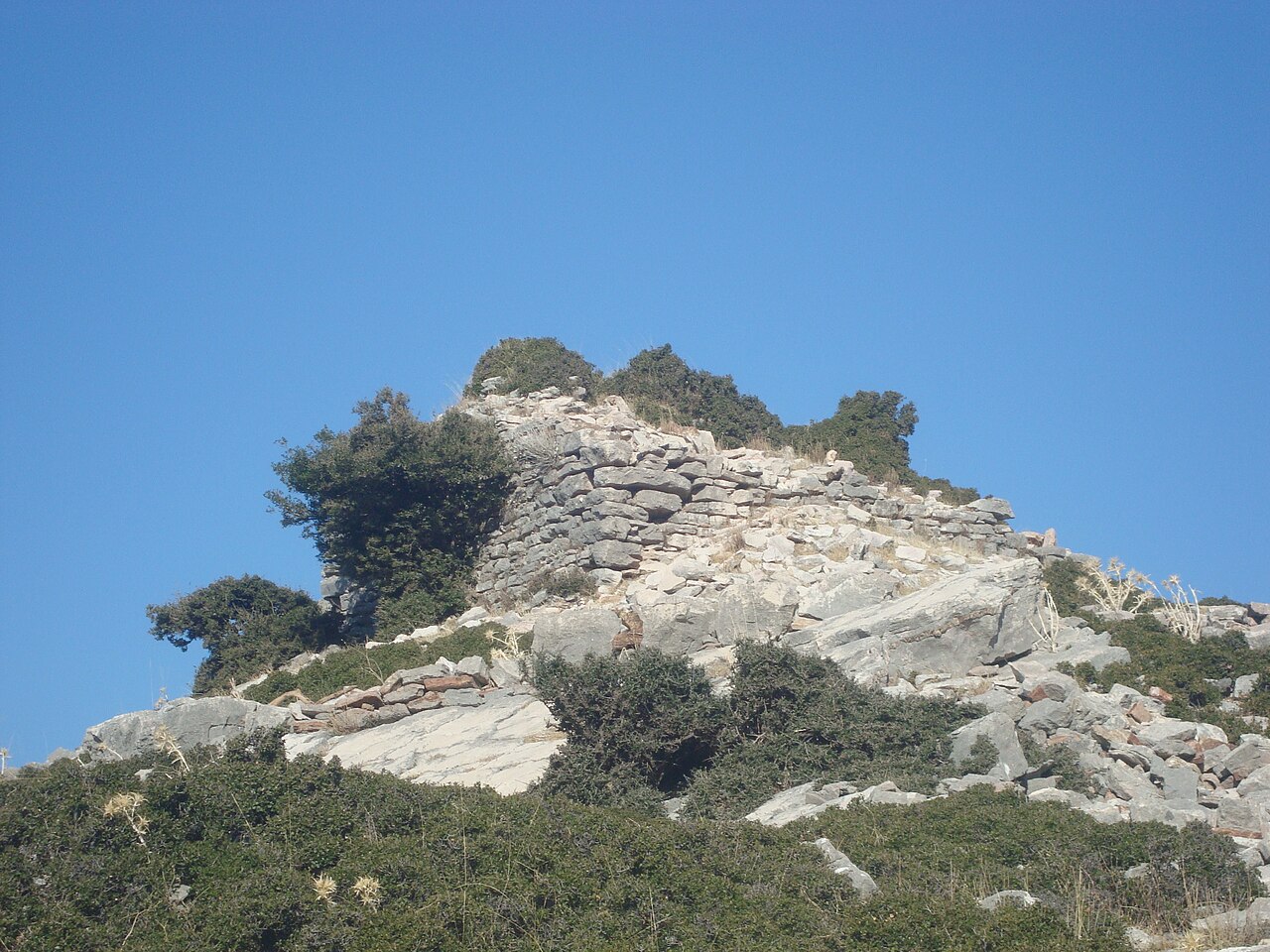
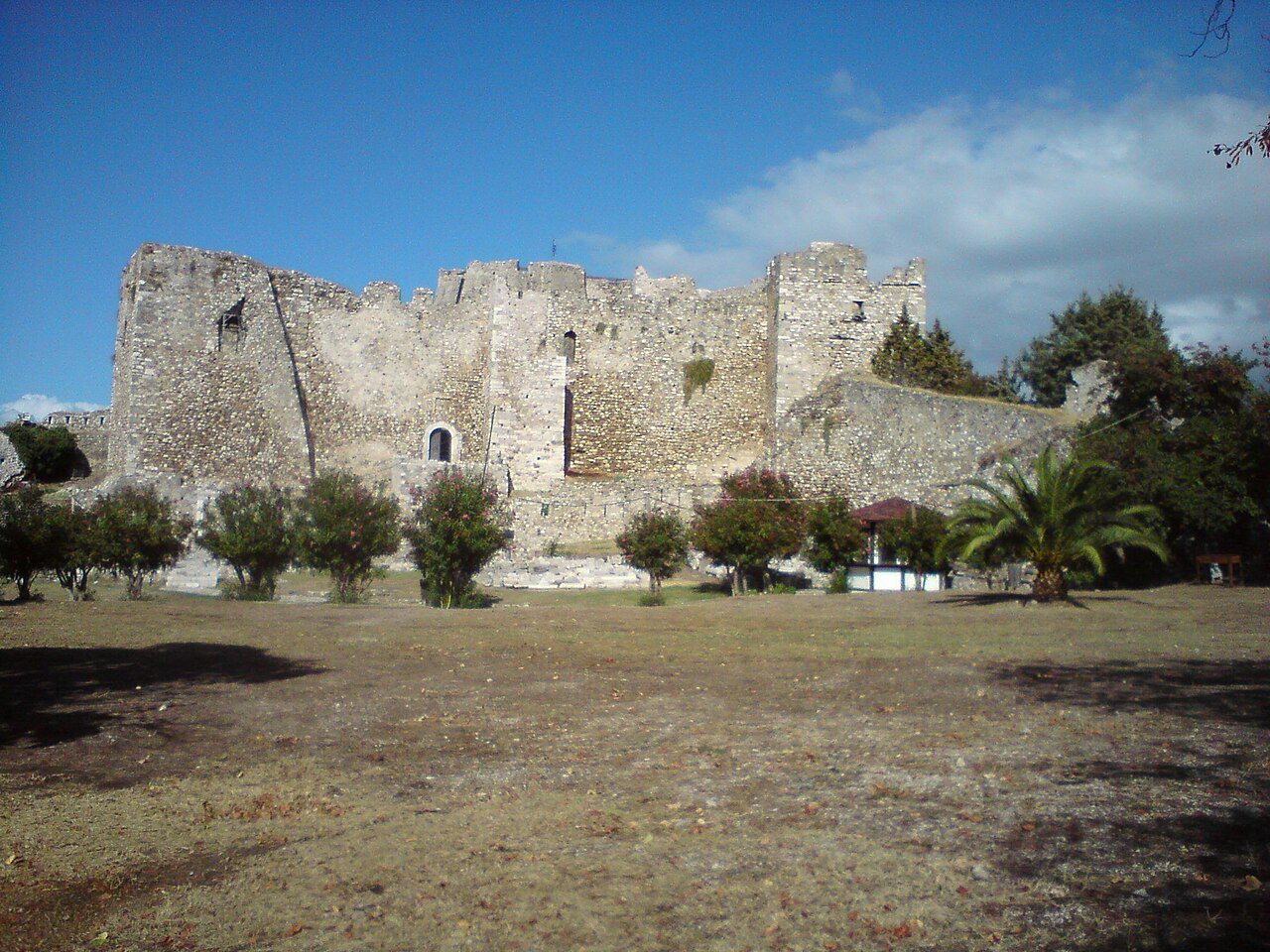
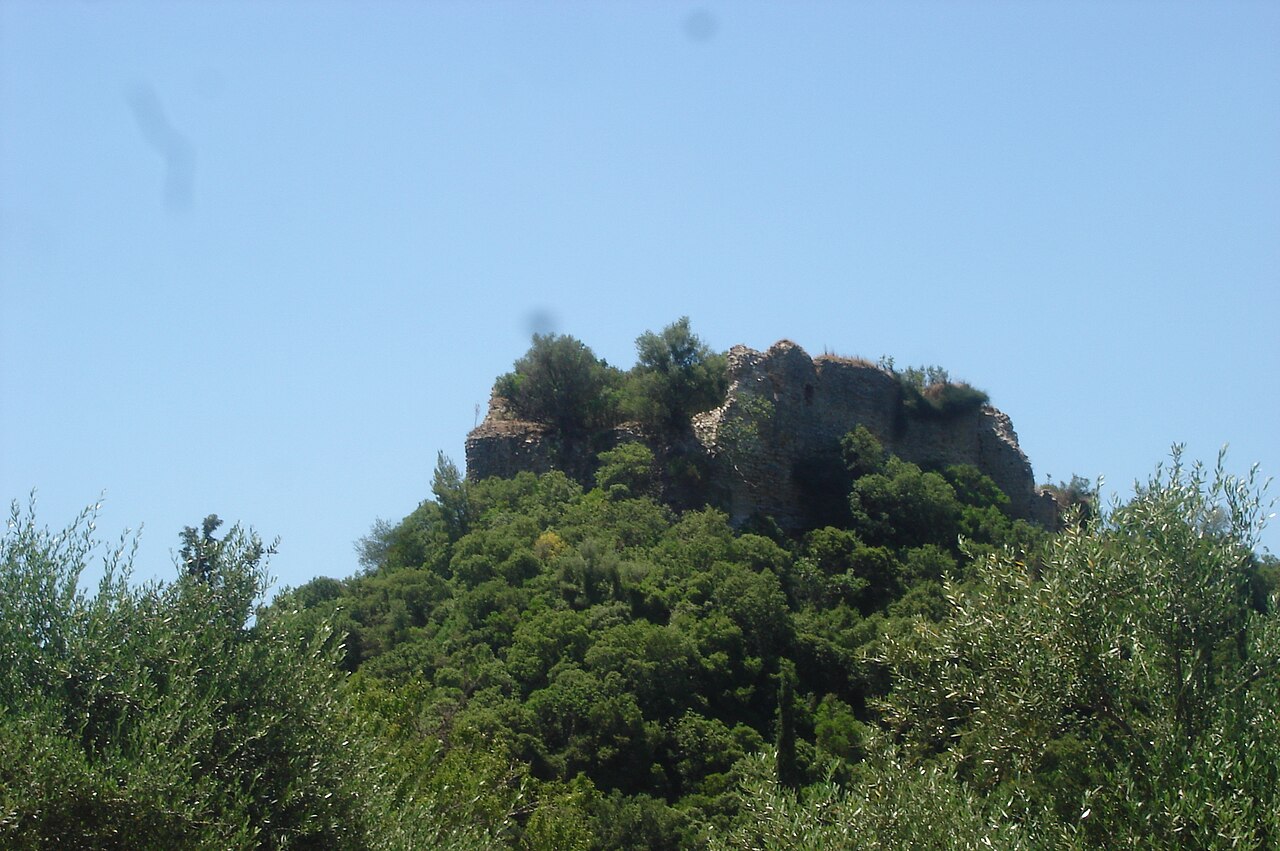
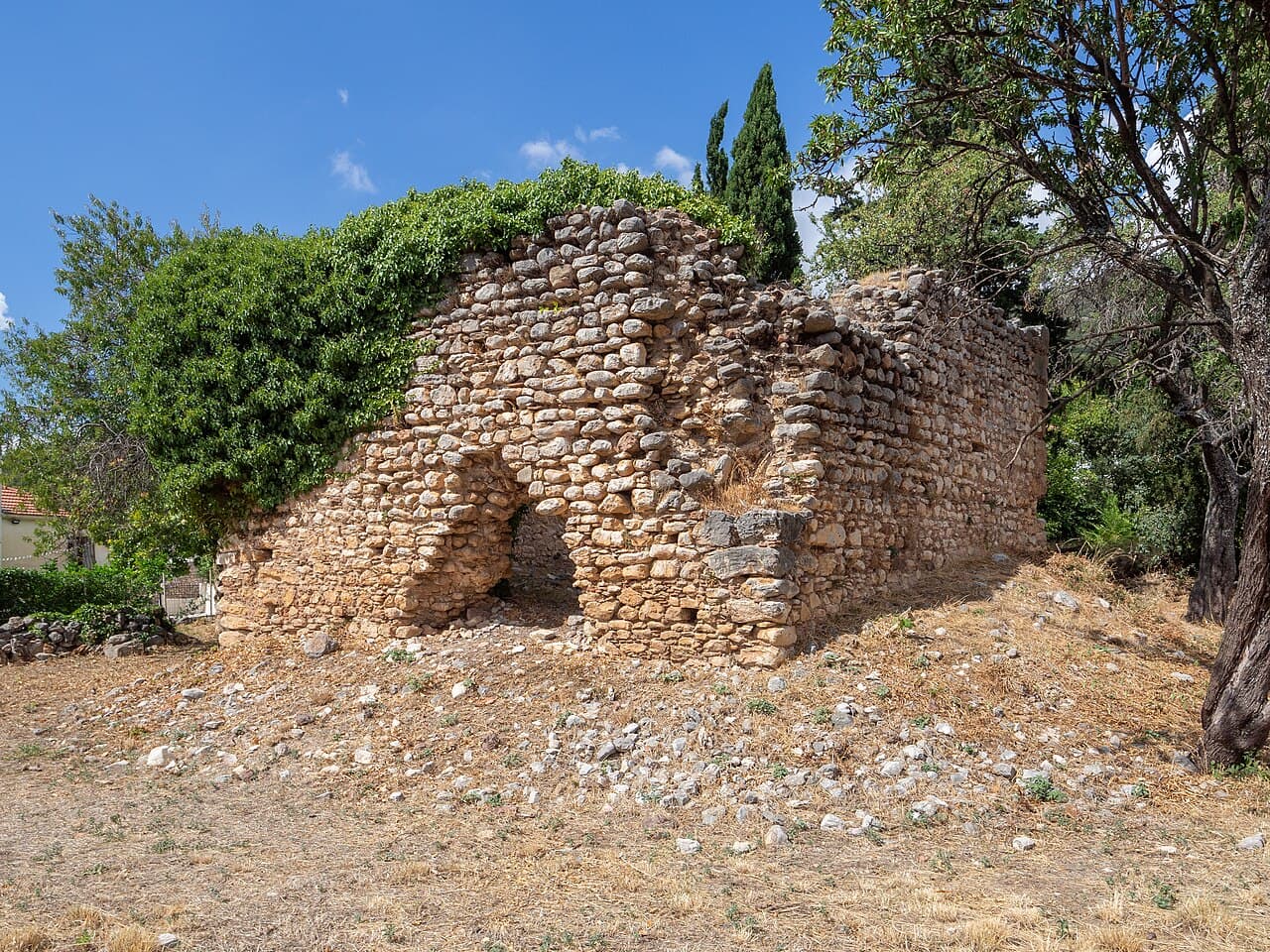
The Chalandritsa Tower stands as a significant example of high medieval military architecture in Greece, dating back to the 13th century. Though now in a state of ruins, this tower offers valuable insights into the defensive strategies and architectural styles employed during the period of Frankish rule in the Peloponnese region. The tower's remains are an important archaeological site that reflects the turbulent history of the area during the Middle Ages.
Historical context and significance
Constructed during the high medieval period, the Chalandritsa Tower was part of a network of fortifications established by the Frankish Principality of Achaea, which controlled large parts of the Peloponnese after the Fourth Crusade in the early 13th century. The tower likely served both as a military lookout and a defensive stronghold, protecting the surrounding lands and trade routes from raids and invasions.
The strategic location of the tower would have allowed its occupants to monitor movement across the region and communicate with nearby fortresses. The Frankish lords who ruled this area relied on such structures to maintain control and secure their holdings against Byzantine attempts to reclaim the territory, as well as local uprisings.
Architectural features and construction
The Chalandritsa Tower was built using local stone, typical of medieval fortifications in Greece. Although only ruins remain today, archaeological studies indicate that the tower was a stone keep—a tall, rectangular structure with thick walls designed to withstand sieges and attacks.
Its construction reflects the military architectural principles of the time, emphasizing verticality and defensibility. The thick walls would have provided protection from projectiles, while narrow windows or arrow slits allowed defenders to observe and repel attackers.
Surrounding the tower, traces of additional defensive works such as curtain walls or small baileys may have existed, though much of this has been lost to time. The tower’s elevated position would have further enhanced its defensive capabilities, offering commanding views of the surrounding landscape.
Archaeological investigations and preservation
Today, the Chalandritsa Tower is classified as an archaeological ruin. Excavations and surveys have helped document its layout and construction techniques, contributing to the broader understanding of Frankish military architecture in Greece.
Preservation efforts focus on stabilizing the remaining structures to prevent further deterioration. The site provides valuable educational opportunities for historians, archaeologists, and visitors interested in medieval fortifications and the history of the Peloponnese.
Visiting the site
While the Chalandritsa Tower is not as extensively restored or developed for tourism as some other medieval castles in Greece, it remains accessible to visitors with an interest in history and archaeology. The ruins offer a tangible connection to the medieval past of the region and a chance to explore the remains of a once-formidable defensive structure.
Visitors should prepare for a modest hike and bring appropriate footwear, as the terrain around the tower can be uneven. There are no formal visitor facilities on-site, so planning ahead is advisable.
Legacy and cultural importance
The Chalandritsa Tower is an important cultural landmark that illustrates the complex history of medieval Greece, particularly during the period of Frankish rule. It serves as a reminder of the military and political struggles that shaped the Peloponnese and contributes to the region’s rich archaeological heritage.
As an archaeological site, it continues to attract scholars and enthusiasts who seek to understand the architectural and historical developments of the Middle Ages in this part of Europe.
Frequently asked questions (FAQ)
- How do I get to Chalandritsa Tower?
- Chalandritsa Tower is located near the village of Chalandritsa in Greece, approximately 15 kilometers from the city of Patras. You can reach it by car or local transport, with well-marked signs guiding visitors to the site. Parking is available nearby for those traveling by car.
- What is the historical significance of Chalandritsa Tower?
- Chalandritsa Tower dates back to the Byzantine period and has served various military and defensive purposes throughout its history. It stands as a testament to the architectural and strategic importance of the region during the medieval era. The tower is also linked to local legends and plays a significant role in the cultural heritage of Chalandritsa.
- When was Chalandritsa Tower built?
- The exact date of construction for Chalandritsa Tower is not definitively known, but it is believed to have been built in the 12th century. This places it within the Byzantine period, a time when fortifications were crucial for defense against invasions. Over the centuries, it has undergone several renovations to preserve its structure.
- Can I visit Chalandritsa Tower?
- Yes, Chalandritsa Tower is open to visitors, allowing you to explore its impressive architecture and learn about its history. Guided tours are often available, providing insights into the tower's significance and the surrounding area. Be sure to check local guidelines and any seasonal restrictions before your visit.
- Why is the architecture of Chalandritsa Tower notable?
- The architecture of Chalandritsa Tower reflects a blend of Byzantine and medieval defensive styles, characterized by its robust stone structure and strategic design. The tower's construction showcases the advanced engineering techniques of its time, making it a fascinating subject for architecture enthusiasts. Its unique design serves as a reminder of the historical importance of fortifications in Greece.
- Is it possible to visit nearby attractions while at Chalandritsa Tower?
- Absolutely! The area surrounding Chalandritsa Tower is rich in history and culture, with several nearby attractions such as the archaeological site of Ancient Olympia and the picturesque village of Chalandritsa itself. Visitors can enjoy local cuisine, explore other historical sites, and experience the natural beauty of the region.
- What are the opening hours for Chalandritsa Tower?
- Chalandritsa Tower is typically open to visitors from 9 AM to 7 PM during the tourist season, but hours may vary during the off-season. It's advisable to check the official website or contact local tourism offices for the most current information. Planning your visit around these hours ensures you have ample time to explore.
- What are the ticket prices for visiting Chalandritsa Tower?
- Ticket prices for Chalandritsa Tower are generally affordable, with discounts available for students and seniors. Admission fees help maintain the site and support preservation efforts. It's recommended to check the latest pricing on their official website or at the entrance before your visit.
- When is the best time to visit Chalandritsa Tower?
- The best time to visit Chalandritsa Tower is during the spring and fall months when the weather is mild and pleasant. This allows for a comfortable exploration of the tower and surrounding areas without the summer crowds. Additionally, the natural scenery during these seasons enhances the beauty of the visit.
Photo gallery

Information
Loading map...
Visitor reviews
No reviews yet. Been here? Write the first review and help other travelers!
Write the first reviewVisited this castle? Share your experience
Your review helps other travelers and adds first-hand knowledge to our encyclopedia.