Salmeniko Castle
Salmeniko Castle, also known as Orgia or Oria Castle, is a significant medieval fortress located at the foothills of the Panachaiko mountain in the municipality of Aigialeia, Achaea, Greece. Constructed in the 13th century during the High Medieval period, this hill castle played a crucial role in the turbulent history of the late Byzantine Empire. It is renowned for being the last Byzantine garrison to hold out against the advancing Ottoman forces, maintaining resistance until 1461, a full eight years after the fall of Constantinople in 1453.
Historical context and significance
The castle's strategic position at the foot of the Panachaiko mountain allowed it to serve as a formidable defensive stronghold in the region of Achaea. During the late Byzantine era, the empire was in decline, facing pressure from the rising Ottoman Empire. Salmeniko Castle became a symbol of the last vestiges of Byzantine resistance in the Peloponnese. Its endurance beyond the fall of Constantinople highlights its military and symbolic importance.
Historical records indicate that Salmeniko was one of the final bastions where Byzantine forces regrouped and resisted Ottoman conquest. The castle's defenders managed to hold the fortress for several years after the empire's capital had fallen, showcasing the resilience and strategic value of the site.
Architectural features and layout
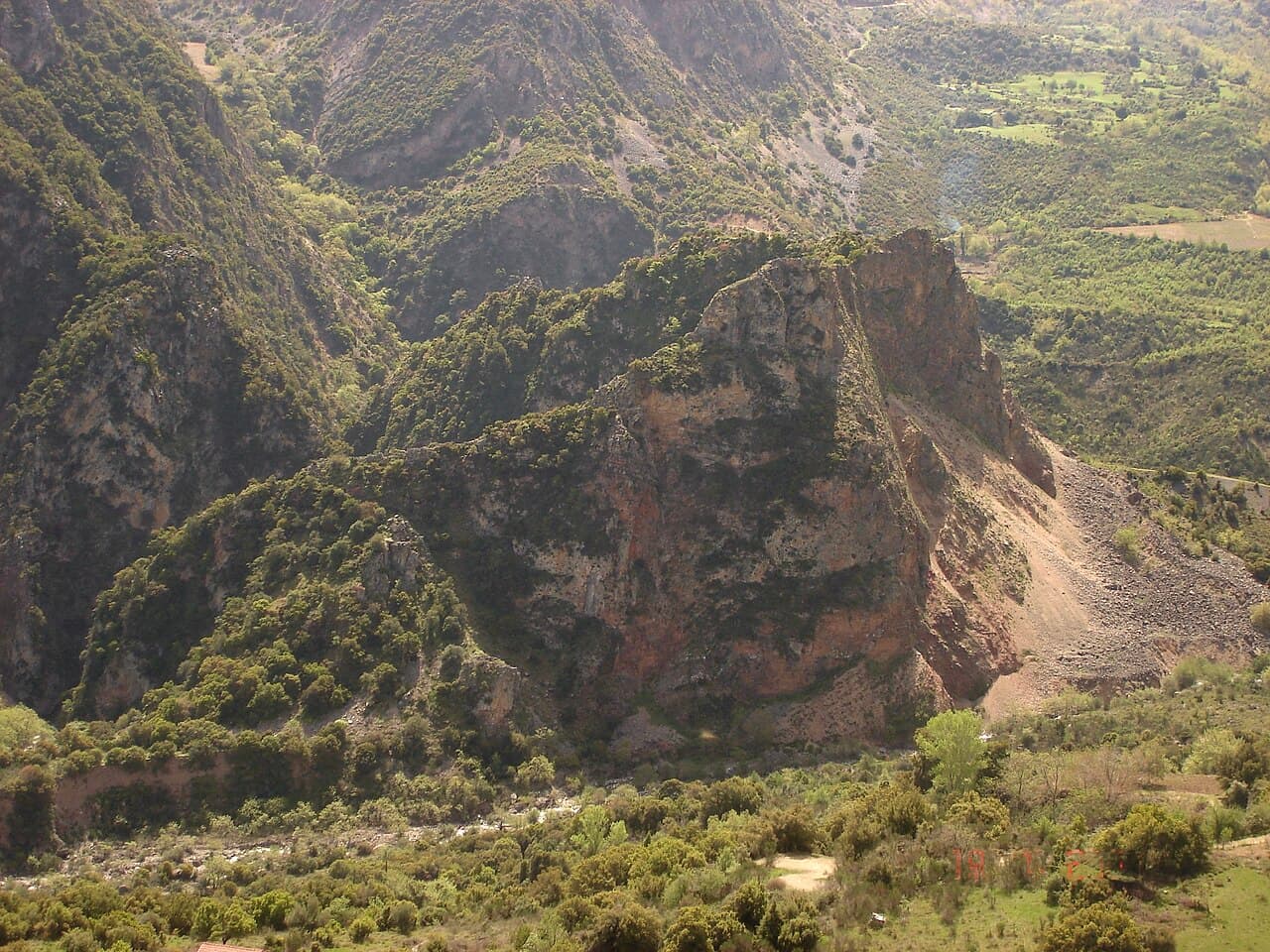
Salmeniko Castle exemplifies typical High Medieval hill castle architecture, designed primarily for defense and control of the surrounding territory. The castle's location on elevated terrain provided natural protection and excellent visibility over the surrounding landscape, including the approaches from the coast and inland routes.
The fortress was likely surrounded by thick stone curtain walls with battlements and towers at key points to enable defenders to repel attackers effectively. The main gate would have been heavily fortified, possibly with a gatehouse and defensive mechanisms such as a portcullis and murder holes.
Within the walls, the castle probably contained essential structures such as a keep or donjon, which served as the last line of defense and residence for the commanding officers. Other internal buildings would have included barracks, storage rooms, and cisterns to ensure water supply during sieges. The castle's design reflects the military architectural principles of the time, emphasizing strong fortifications and self-sufficiency.
Siege and fall of Salmeniko Castle
In 1461, Salmeniko Castle was besieged by Ottoman forces as part of their campaign to consolidate control over the Peloponnese following the fall of Constantinople. Despite being isolated and outnumbered, the defenders held out for an extended period, demonstrating remarkable determination and tactical skill.
The siege ended with the capture of the fortress, marking the definitive end of Byzantine military presence in the region. The fall of Salmeniko Castle symbolized the final collapse of Byzantine authority in Achaea and the broader Peloponnese area, paving the way for Ottoman dominance.
Legacy and current status
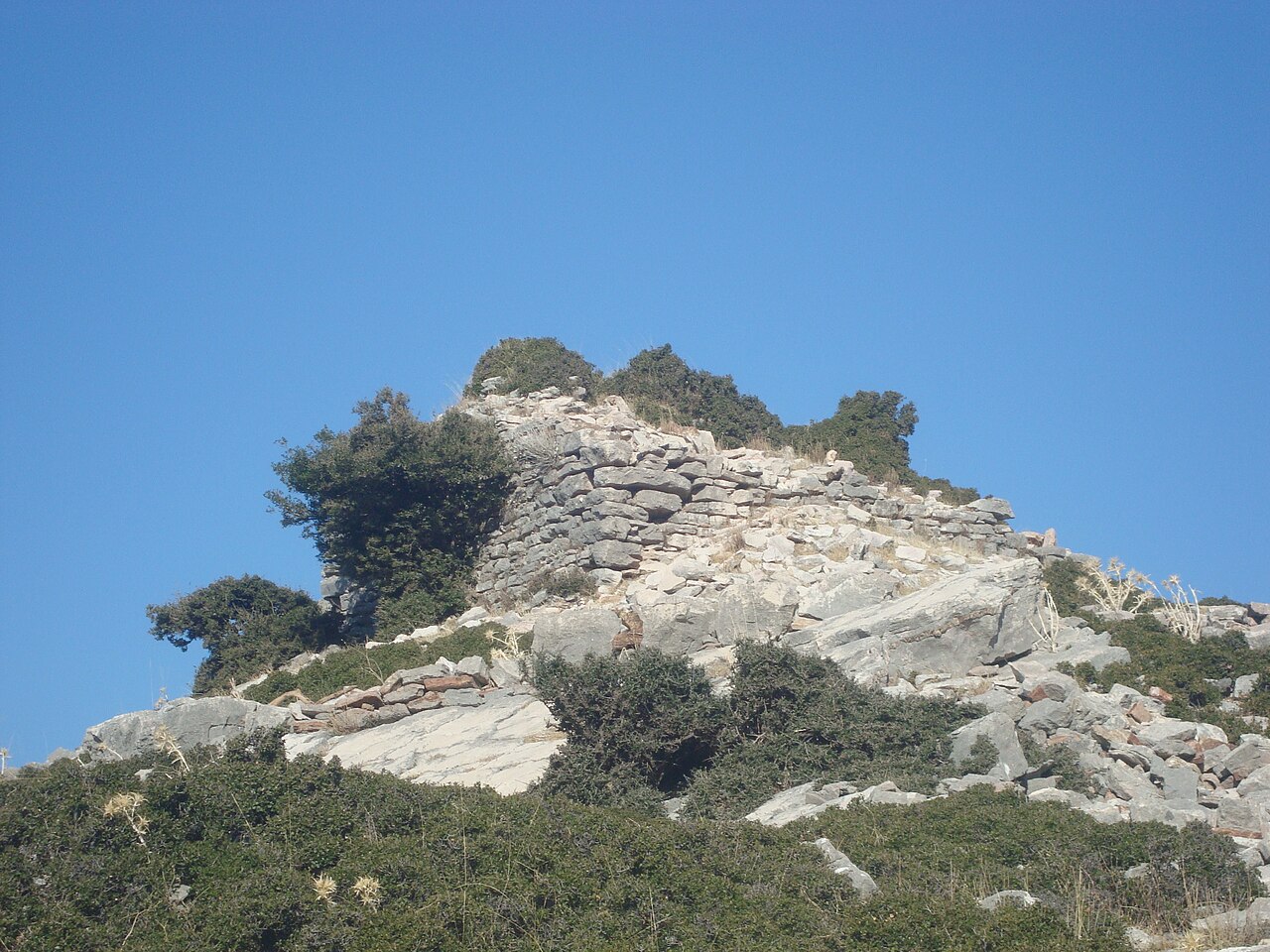
Today, Salmeniko Castle stands as an archaeological site reflecting the complex history of medieval Greece and the Byzantine Empire's twilight years. Although much of the castle lies in ruins, remnants of its walls and defensive structures remain visible, offering valuable insights into medieval military architecture and regional history.
The site attracts historians, archaeologists, and visitors interested in Byzantine heritage and the military history of the Peloponnese. Preservation efforts focus on maintaining the ruins and facilitating access for educational and cultural purposes.
Visiting Salmeniko Castle
Visitors to the castle can explore the ruins and enjoy panoramic views of the surrounding landscape. The site's elevated position provides a unique vantage point over the Achaea region and the Gulf of Corinth. While facilities are limited due to its archaeological nature, the castle remains an important destination for those seeking to understand the military and historical significance of Byzantine Greece.
Frequently asked questions (FAQ)
- When was Salmeniko Castle built?
- Salmeniko Castle was constructed in the 13th century during the High Medieval period, serving as a defensive stronghold in the region.
- What is the historical significance of Salmeniko Castle?
- Salmeniko Castle was the last Byzantine garrison to resist Ottoman conquest, holding out until 1461, eight years after Constantinople fell in 1453.
- Can I visit Salmeniko Castle today?
- Yes, Salmeniko Castle is an archaeological site open to visitors. While facilities are limited, the ruins offer panoramic views and insights into medieval military architecture.
- What architectural features does Salmeniko Castle have?
- The castle features typical High Medieval hill castle elements such as thick stone curtain walls, battlements, towers, a fortified main gate, and a keep or donjon.
- Where is Salmeniko Castle located?
- Salmeniko Castle is located at the foot of Panachaiko mountain in the municipality of Aigialeia, Achaea, Greece.
Photo gallery

Information
Loading map...
Visitor reviews
No reviews yet. Been here? Write the first review and help other travelers!
Write the first reviewVisited this castle? Share your experience
Your review helps other travelers and adds first-hand knowledge to our encyclopedia.