Shumen Fortress
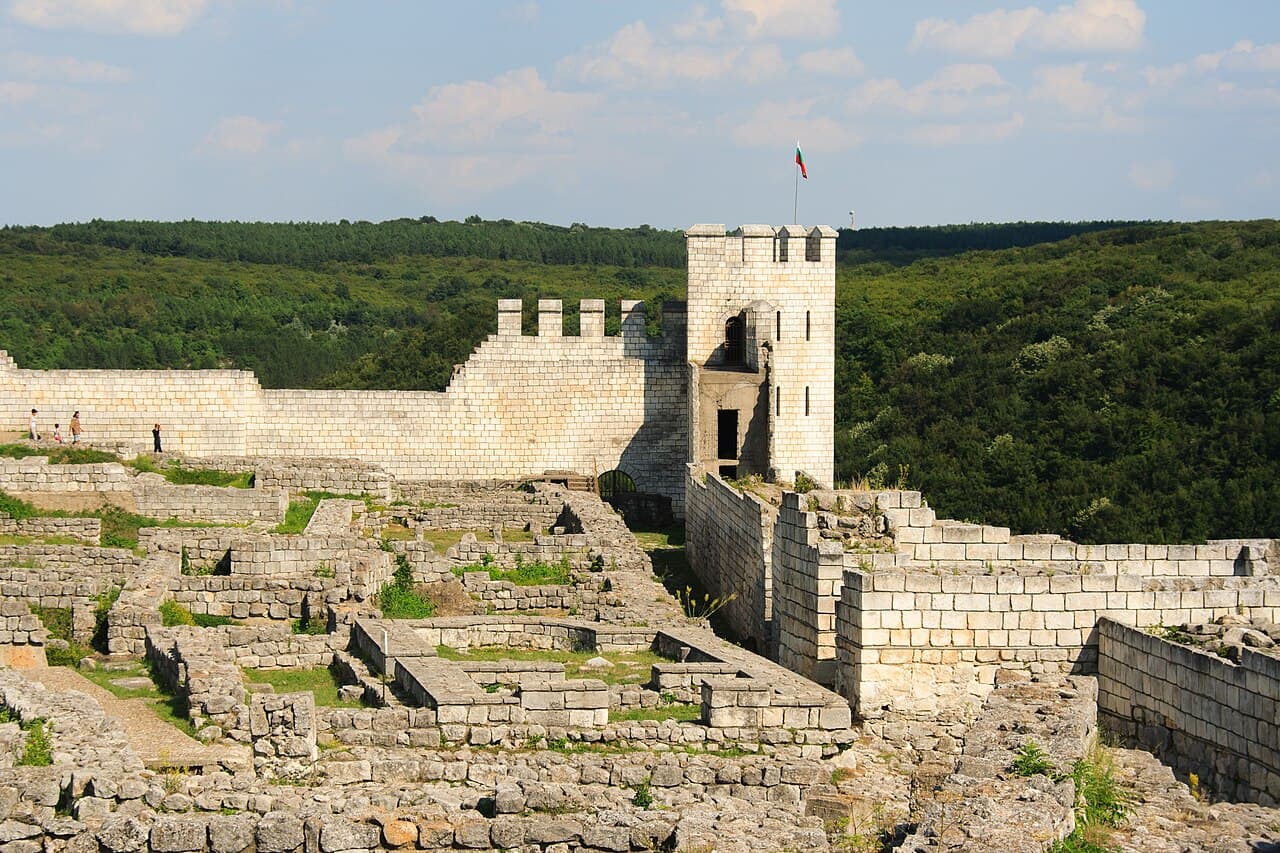
Shumen Fortress is a prominent archaeological site located on a strategic hill overlooking the city of Shumen in north-eastern Bulgaria. This ancient fortress embodies a rich historical tapestry spanning from the early Iron Age through the medieval Bulgarian Empires. Its remains offer insight into the defensive architectures and cultural influences that shaped the region over millennia.
Early history and Iron Age origins
The site of Shumen Fortress has evidence of human settlement dating back to the early Iron Age. Archaeological findings indicate that a village existed nearby during this period, which was later inhabited by the Thracians in the 5th century BC. The Thracians were known for their fortified settlements and warrior culture, which laid the groundwork for the fortress's later military significance.
Roman and Byzantine fortifications
Between the 2nd and 4th centuries AD, the fortress came under Roman control. The Romans constructed robust stone towers and walls as part of their efforts to secure the empire's northern territories. These fortifications were designed to withstand sieges and control key routes.
Following the Roman period, the fortress was refurbished by the Byzantines, who maintained it as a garrison town. This phase saw the continuation and enhancement of the defensive structures, adapting them to the military needs of the Byzantine Empire in the region.
Role in the First and Second Bulgarian Empires
The First Bulgarian Empire, founded by the Ancient Bulgars in the late 7th century AD, incorporated Shumen Fortress into a network of fortifications protecting the capitals of Pliska and Preslav, as well as the religious center of Madara. During this period, the fortress was a vital military and administrative center, guarding the empire's northeastern approaches.
Shumen's importance fluctuated over the centuries. It functioned as a minor fort during the 10th to 12th centuries, a period marked by reduced military activity and economic decline. However, the fortress regained prominence in the 13th century as the Second Bulgarian Empire re-established itself, serving as a political and economic hub.
In 1278, during the Uprising of Ivaylo, the fortress gained additional significance when the Byzantines temporarily seized the nearby capital of Preslav. Shumen became an important administrative and military center during this turbulent era.
14th-century zenith and Ottoman conquest
The 14th century marked the fortress's peak as a well-developed citadel, reflecting the architectural and military advancements of the time. Its walls and towers were reinforced, and it served as a critical stronghold against external threats.
In 1388, the fortress fell to the Ottoman Turks during a campaign led by their first vizier, Çandarlı Ali Pasha. This conquest marked the beginning of Ottoman dominance in the region.
The fortress's final destruction came in 1444, following the Battle of Varna, where the Ottomans defeated a Christian coalition led by Władysław III of Poland. The Ottomans demolished the fortifications to prevent its future military use, leaving the fortress deserted thereafter.
Archaeological excavations and modern restoration
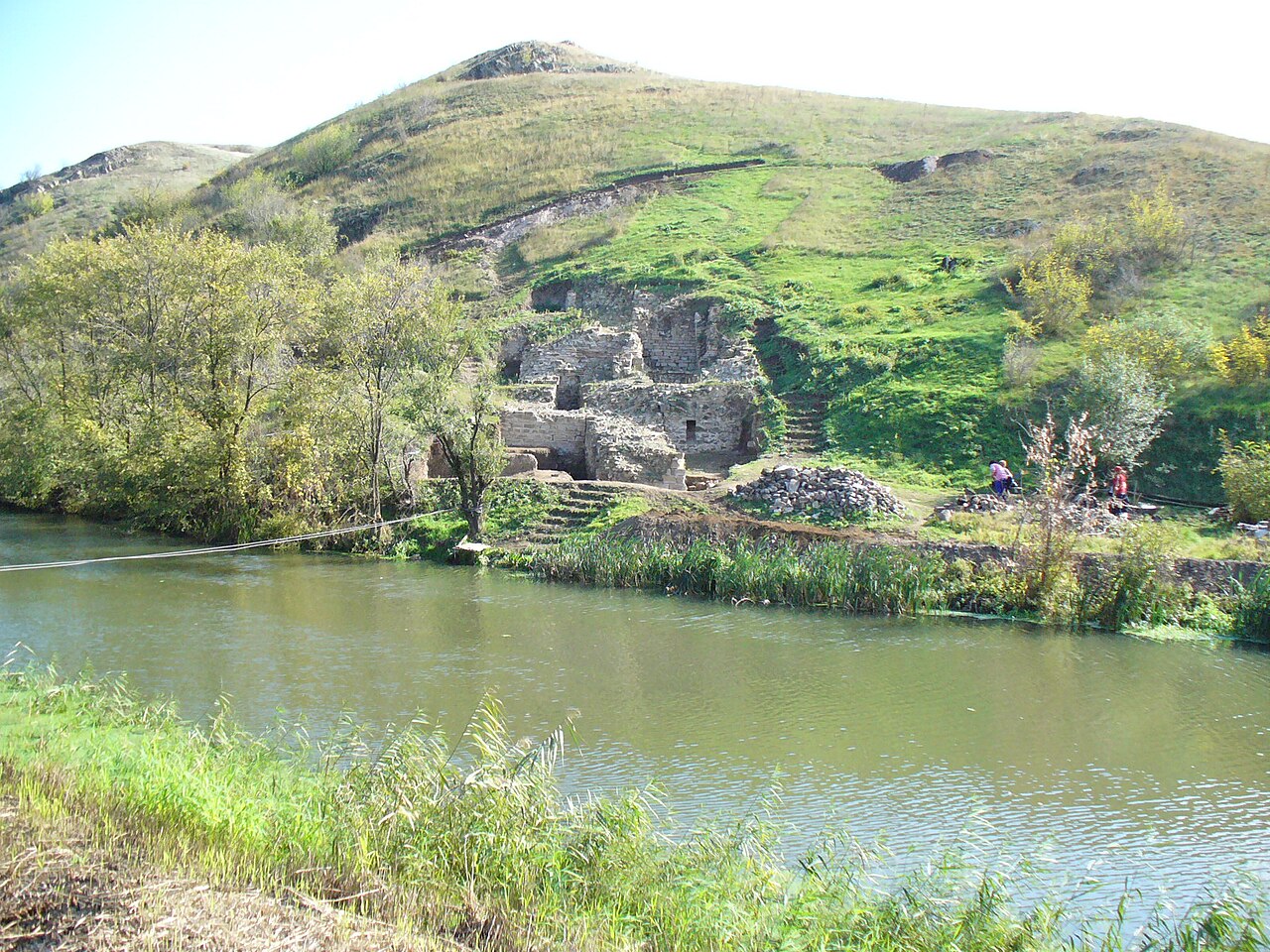
Systematic archaeological excavations at Shumen Fortress began in 1957, uncovering numerous artefacts and structural remains that illuminate its complex history. Excavations revealed fortress walls, towers, and the foundations of monasteries and churches at the fortress's foot, some of which were reconstructed in the 1980s.
Restoration efforts intensified in the early 21st century, with a major project titled "Bulgaria Begins Here" commencing in 2012. Supported by the European Economic Area (EEA) and Norway Grants, the project aimed to preserve and promote the fortress as a cultural heritage site.
By 2015, restoration works had stabilized the fortress walls, created visitor pathways, and installed turnstiles to manage access. Additional infrastructure included artistic lighting, climate control equipment for preservation, and informative brochures to enhance the visitor experience. These improvements have made the site accessible and engaging for tourists and scholars alike.
Architectural features and layout
The fortress occupies a naturally defensible hilltop, utilizing the terrain for strategic advantage. Its layout includes remnants of stone walls that once enclosed the settlement, with defensive towers positioned at key points to provide overlapping fields of fire.
Excavations have uncovered the foundations of religious buildings, reflecting the fortress's role as not only a military installation but also a spiritual center during the medieval period. The presence of monasteries and churches indicates a settled community with ecclesiastical importance.
Visiting Shumen Fortress today
Today, Shumen Fortress stands as a significant archaeological ruin open to the public. Visitors can explore the extensive remains, walk along the restored walls, and learn about the site's layered history through onsite information and museum exhibits in Shumen city.
The fortress's elevated position offers panoramic views of the surrounding landscape, providing context to its historical role in regional defense. The site is a valuable destination for those interested in Balkan history, medieval fortifications, and Bulgarian cultural heritage.
Frequently asked questions (FAQ)
- What is Shumen Fortress?
- Shumen Fortress is a historic site located in Shumen, Bulgaria, known for its impressive medieval architecture and strategic significance throughout history. The fortress offers visitors a glimpse into the past with its well-preserved walls, towers, and archaeological remains, making it a must-visit for history enthusiasts.
- When was Shumen Fortress built?
- Shumen Fortress dates back to the 3rd century BC, with significant expansions and renovations occurring in the following centuries, particularly during the Roman and Byzantine periods. Its long history reflects the various cultures and civilizations that have influenced Bulgaria over the millennia.
- Can I visit Shumen Fortress year-round?
- Yes, Shumen Fortress is open for visitors year-round, though certain areas may have restricted access during the winter months due to weather conditions. It's advisable to check for any seasonal events or maintenance updates before planning your visit.
- What are the opening hours for Shumen Fortress?
- The fortress typically opens at 9 AM and closes at 7 PM during the summer months, while winter hours may vary. It is recommended to verify the current hours on the official website or local tourism office before your visit.
- Is it possible to access Shumen Fortress by public transport?
- Yes, Shumen Fortress is accessible by public transport, with several bus routes connecting the site to the city center of Shumen. Additionally, local taxis and bicycle rentals are available for visitors who prefer alternative modes of transport.
- Why is Shumen Fortress historically significant?
- Shumen Fortress played a crucial role in the defense of the region, serving as a strategic military stronghold for various empires, including the Romans and Ottomans. Its historical significance is highlighted by various artifacts and ruins that showcase the rich cultural heritage of Bulgaria.
- What are the ticket prices for Shumen Fortress?
- The entrance fee for Shumen Fortress is quite affordable, usually around 3 to 5 Bulgarian Lev for adults, with discounts available for students and seniors. Children under a certain age may enter for free, making it an excellent destination for families.
- When is the best time to visit Shumen Fortress?
- The best time to visit Shumen Fortress is during the spring and autumn months when the weather is mild and pleasant for exploring the site. Summer can be hot, while winter may bring snow, which could limit access to certain areas.
- Are there any nearby attractions to visit?
- Yes, in addition to Shumen Fortress, visitors can explore the nearby Monument to 1300 Years of Bulgaria and the Madara Rider, a UNESCO World Heritage site. The city of Shumen also offers various museums and parks, enhancing the overall experience for tourists.
Photo gallery

Information
Loading map...
Visitor reviews
No reviews yet. Been here? Write the first review and help other travelers!
Write the first reviewVisited this castle? Share your experience
Your review helps other travelers and adds first-hand knowledge to our encyclopedia.