Shivneri Fort
Shivneri Fort, a bastioned fortress located near Junnar in Pune district, Maharashtra, India, holds immense historical significance as the birthplace of Chatrapati Shivaji Maharaj, the founder of the Maratha Kingdom. This ancient military fortification stands prominently on a hill, commanding views of the surrounding landscape and serving as a strategic defensive site since its construction.
Historical background and significance
The origins of Shivneri Fort date back several centuries, with the fort playing a pivotal role in the history of the Maratha Empire. It is famously recognized as the birthplace of Chhatrapati Shivaji Maharaj in 1630, who later established the Maratha Kingdom and became a prominent figure in Indian history for resisting Mughal expansion. The fort's strategic location made it a key military stronghold throughout various historical periods.
Architectural features and fortifications
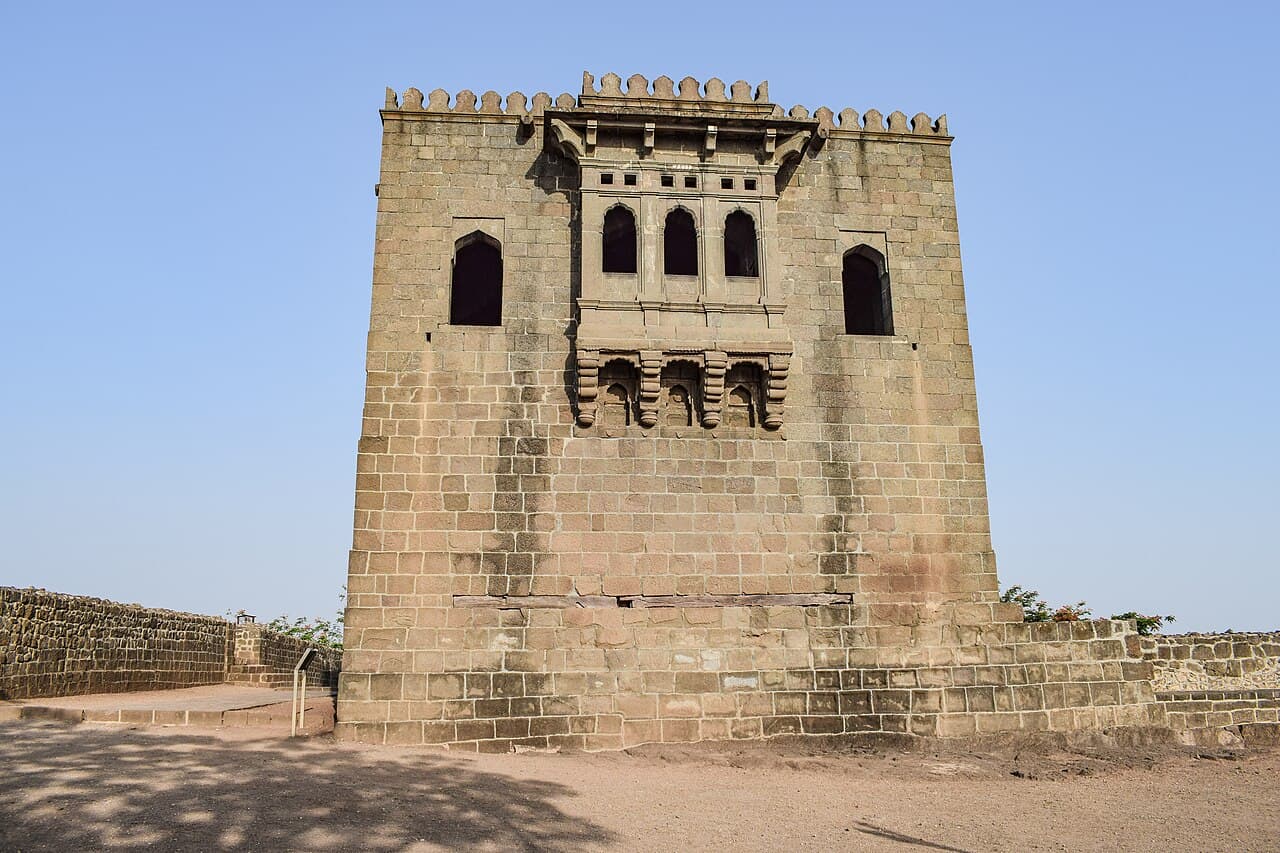
Shivneri Fort exemplifies typical features of a bastioned fortress, designed to withstand sieges and provide robust defense. The fort is surrounded by strong stone walls with multiple bastions projecting outward, allowing defenders to cover all approaches with crossfire. The entrance gates are fortified with heavy wooden doors reinforced with iron spikes to resist battering and fire attacks.
The fort complex includes several key structures such as granaries, water tanks, and living quarters. The presence of large water reservoirs within the fort ensured a sustained water supply during prolonged sieges. The fort's layout is adapted to the natural terrain, with steep cliffs on some sides enhancing its defensibility.
Notable structures within the fort
Inside the fort, visitors can find the birthplace of Shivaji Maharaj, preserved as a small chamber that attracts many pilgrims and history enthusiasts. There are also several temples, including the Shiva temple, which reflects the religious devotion of the fort's inhabitants. Other notable features include the guard rooms, watchtowers, and secret escape routes that were typical of forts from this period.
Strategic location and natural defenses
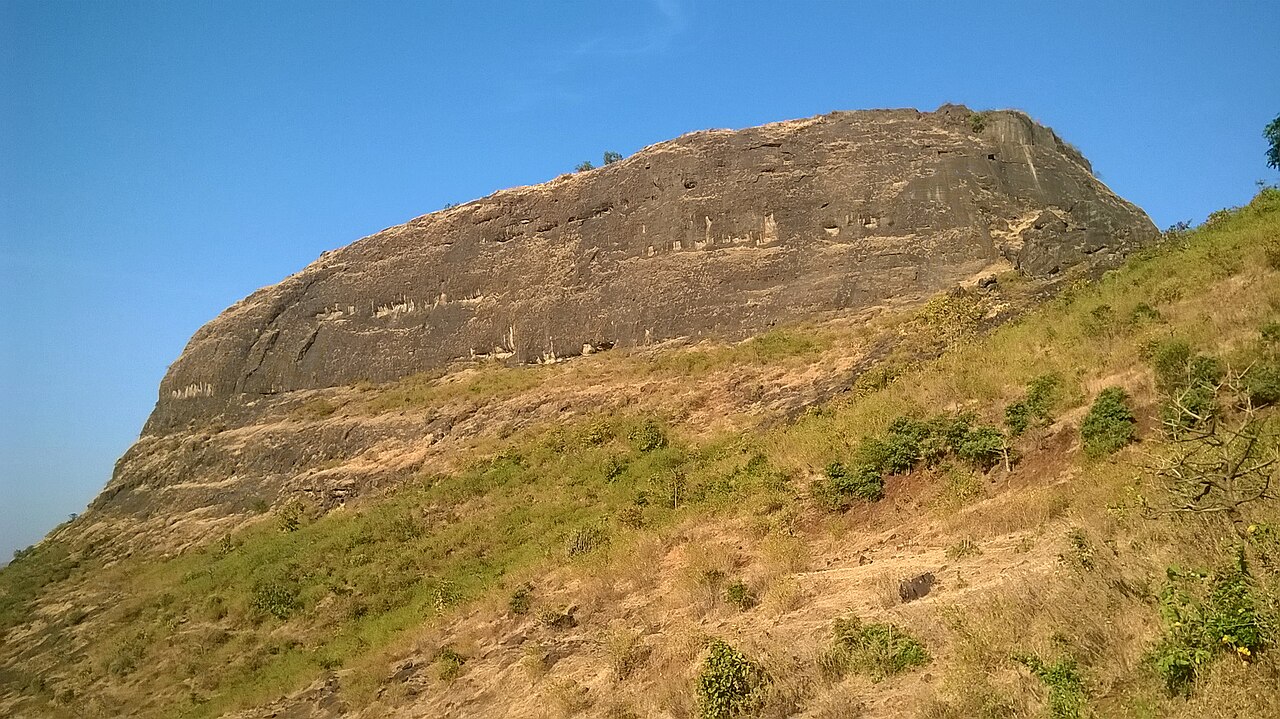
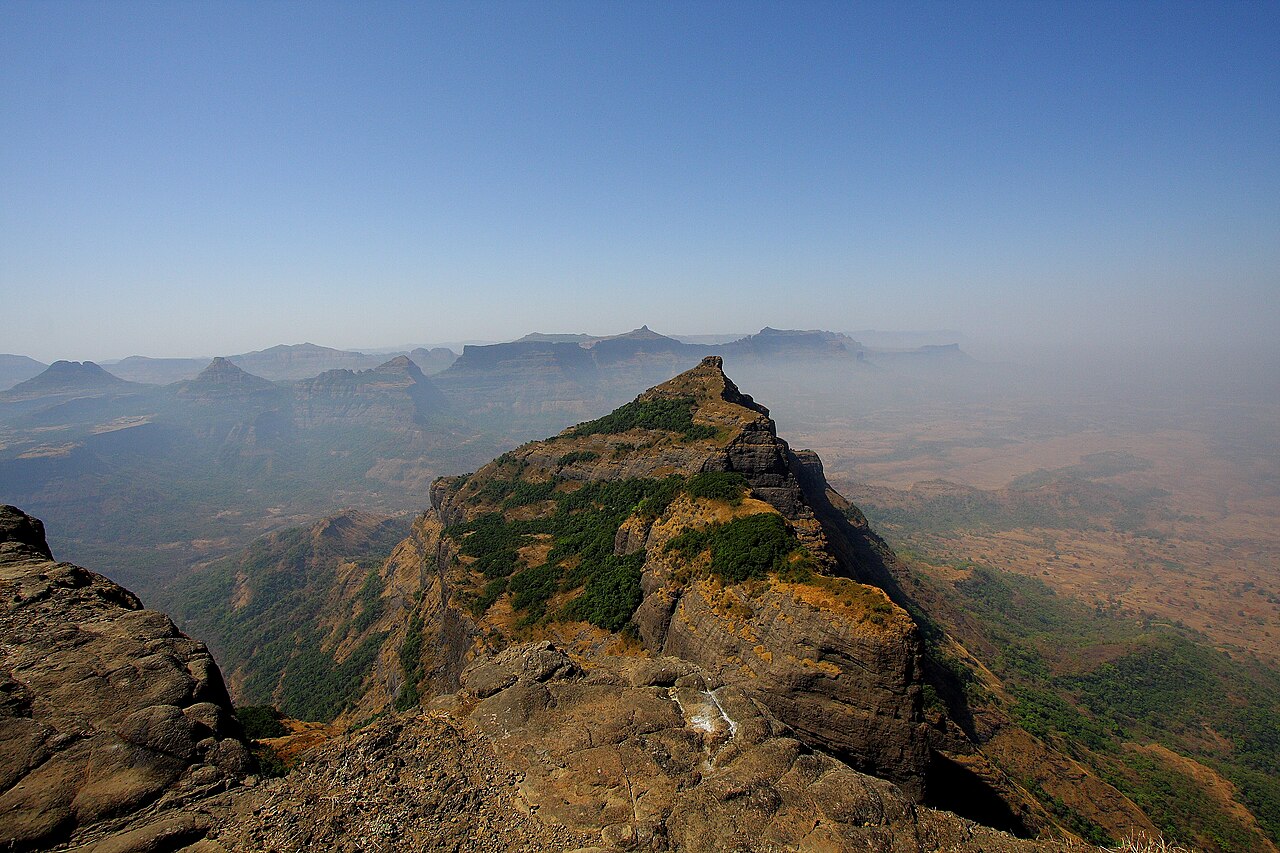
Situated on a hill approximately 1,375 meters above sea level, Shivneri Fort commands a commanding view of the surrounding region. The fort's elevation and the steep slopes around it provide natural protection against invaders. The terrain made direct assaults difficult and allowed defenders to spot approaching enemies from a distance.
Cultural and heritage importance
Today, Shivneri Fort is a protected monument and a popular destination for tourists and history scholars. It symbolizes the legacy of Chhatrapati Shivaji Maharaj and the Maratha Empire's resistance against foreign domination. The fort hosts annual celebrations commemorating Shivaji's birth anniversary, drawing visitors from across India.
The fort's preservation efforts have maintained much of its original structure, allowing visitors to experience a tangible connection to India's medieval military architecture and Maratha heritage.
Visiting shivneri fort
The fort is accessible via a trek from the base village of Junnar, offering visitors an opportunity to explore the rugged landscape and historical ruins. The trek is moderately challenging and rewards visitors with panoramic views from the ramparts. Facilities around the fort include guided tours, informational signage, and local guides who provide historical context.
Visitors are advised to wear comfortable footwear and carry water, as the climb involves uneven terrain. The best time to visit is during the cooler months from October to March.
Faq about shivneri fort
- When was Shivneri Fort built? The exact construction date is uncertain, but it dates back several centuries and was a significant military site by the 17th century.
- How do I reach Shivneri Fort? The fort is near Junnar in Maharashtra and can be reached by road followed by a moderate trek to the fort entrance.
- What is the significance of Shivneri Fort? It is the birthplace of Chhatrapati Shivaji Maharaj and a key site in Maratha history.
- Is there an entry fee to visit the fort? Entry is generally free, but some guided tours or facilities may charge a fee.
- Can I explore the entire fort on foot? Yes, visitors can walk through the fort's ramparts, bastions, and inner structures.
- Are there any temples inside the fort? Yes, including a Shiva temple and other small shrines.
- What is the best time to visit Shivneri Fort? The cooler months from October to March are ideal for visiting due to pleasant weather.
Frequently asked questions (FAQ)
- What is the historical significance of Shivneri Fort?
- Shivneri Fort is renowned as the birthplace of Chhatrapati Shivaji Maharaj, the founder of the Maratha Empire. The fort played a crucial role in the Maratha resistance against Mughal rule and is a symbol of pride for the local population.
- When was Shivneri Fort built?
- Shivneri Fort was constructed in the 16th century, although its history dates back to ancient times. It has undergone various modifications and expansions over the years, reflecting the architectural styles of different periods.
- What are the opening hours for Shivneri Fort?
- Shivneri Fort is open to visitors from 6:00 AM to 6:00 PM daily. It's advisable to visit early in the morning to enjoy the serene atmosphere and explore the fort before it gets crowded.
- Can I access Shivneri Fort by public transport?
- Yes, Shivneri Fort is accessible by public transport. Buses and rickshaws from Junnar town frequently run to the fort, making it convenient for visitors without private vehicles.
- What is the best time to visit Shivneri Fort?
- The best time to visit Shivneri Fort is during the winter months from November to February when the weather is pleasant and cool. Monsoon season can also be beautiful, but the trails may become slippery.
- Is there an entrance fee for Shivneri Fort?
- Yes, there is a nominal entrance fee to visit Shivneri Fort, which helps with the maintenance and preservation of the site. The fee may vary, so it's recommended to check local sources for the latest information.
- What nearby attractions can I explore after visiting Shivneri Fort?
- After visiting Shivneri Fort, you can explore the scenic landscapes of Junnar and visit other historical sites such as the ancient caves of Lenyadri and the Ganesh Caves. The surrounding area is also known for its rich biodiversity and trekking opportunities.
- How do I prepare for a visit to Shivneri Fort?
- To prepare for your visit, wear comfortable shoes as the fort involves some climbing and trekking. Carry water, snacks, and a camera to capture the stunning views and historical architecture.
Photo gallery

Information
Loading map...
Visitor reviews
No reviews yet. Been here? Write the first review and help other travelers!
Write the first reviewVisited this castle? Share your experience
Your review helps other travelers and adds first-hand knowledge to our encyclopedia.