Hadsar
Hadsar fort is a notable example of a bastioned fortress located in the Pune district of Maharashtra, India. It was strategically constructed to protect the ancient commercial trade route connecting the Mawal region to Kalyan via the Naneghat pass. This trade route was vital for the movement of goods and played an important role in the regional economy during the medieval period.
Architectural significance and design
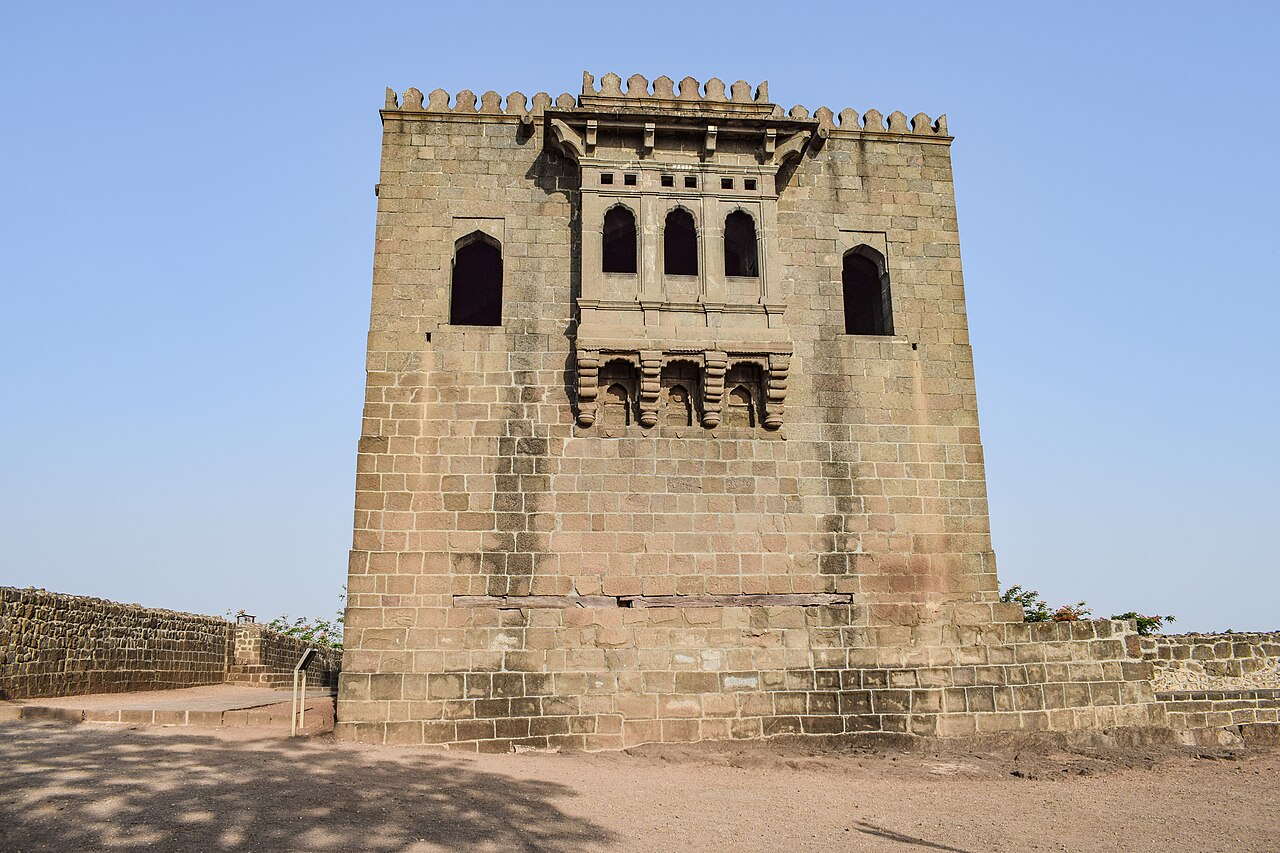
The most remarkable feature of Hadsar fort is its unique bastion and entrance gate carved entirely from a single rock. This monolithic rock-cut architecture is rare and showcases the advanced stone-carving skills of the builders. The bastions are not only defensive structures but also artistic masterpieces, exhibiting intricate sculptural details that are uncommon in other forts of the region.
The fort's layout is typical of a bastioned fortress, designed to withstand sieges and provide strong defensive capabilities. The bastions project outward from the main walls, allowing defenders to cover adjacent walls with crossfire. The entrance gate is fortified and elaborately carved, serving both functional and symbolic purposes.
Historical context and strategic importance
Situated in the Junnar region, Hadsar fort was part of a network of forts that secured the trade routes passing through the Western Ghats. The Naneghat pass was a critical mountain pass facilitating commerce between the coastal ports near Kalyan and the inland regions of Maharashtra.
The fort's role was primarily military and protective, guarding the passage against rival powers and bandits. Its position allowed control over the surrounding terrain and monitoring of trade caravans, ensuring safe passage and collection of tolls or taxes.
Construction techniques and materials
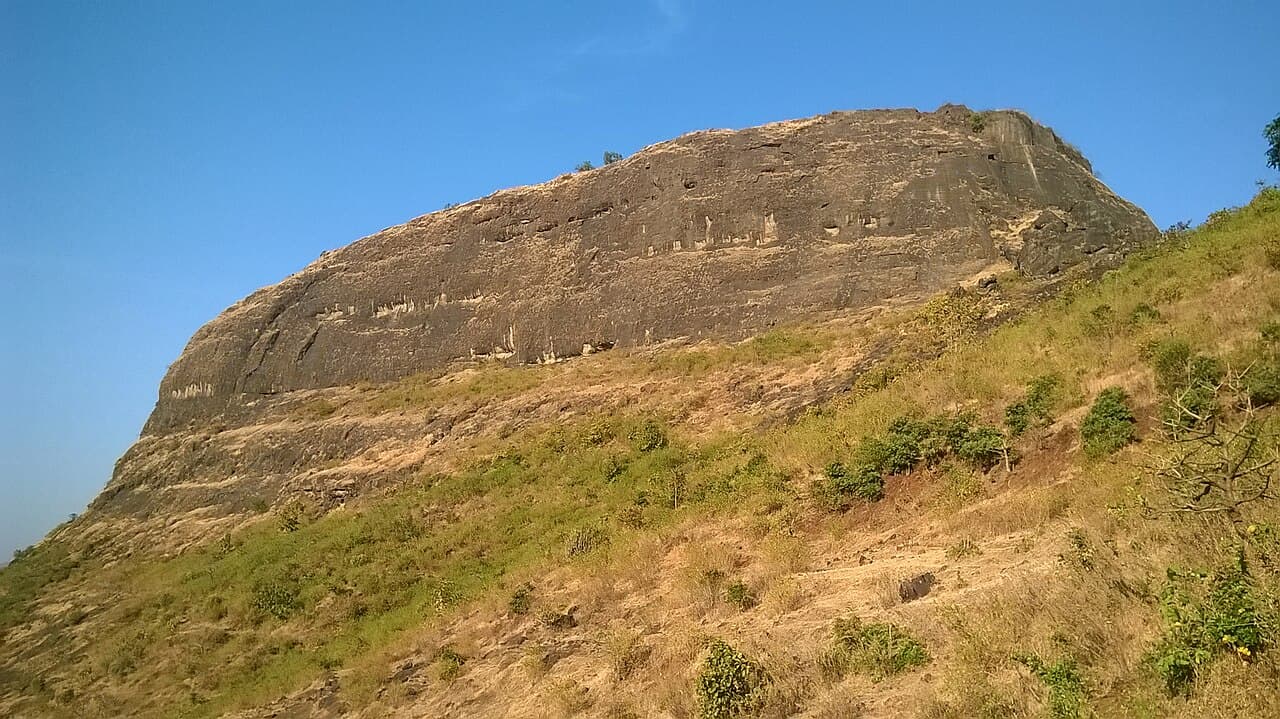
The fort is carved from solid rock, a technique that required significant labor and expertise. The monolithic bastions and gates demonstrate the use of rock-cut architecture, a hallmark of certain forts in the region where natural rock formations were adapted into defensive structures.
This method provided durability and resistance to artillery, as the rock structures were less vulnerable to cannon fire compared to brick or mortar walls. The craftsmanship involved in shaping the rock with detailed sculptural elements suggests skilled artisans were employed during its construction.
Current condition and preservation
Today, Hadsar fort remains partially preserved, with its distinctive rock-carved bastions and entrance still visible. The fort is a valuable heritage site that reflects the military architecture and trade history of the region.
Efforts to preserve the fort focus on maintaining its structural integrity and promoting awareness of its historical significance. Visitors can explore the fort's unique features and appreciate the blend of functional military design with artistic rock-cut work.
Visiting Hadsar fort
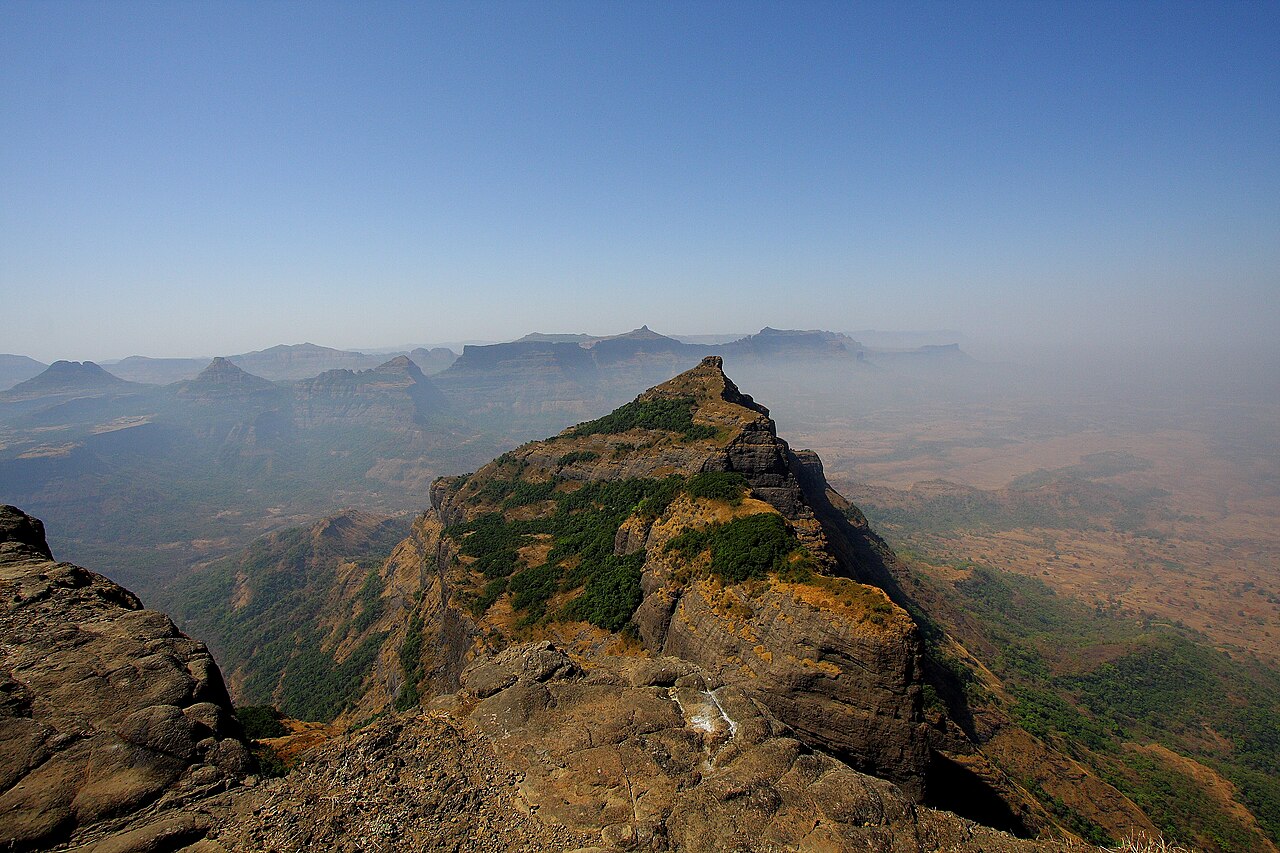
The fort is accessible from the nearby towns in the Pune district and is a popular destination for history enthusiasts and trekkers. Its location in the scenic Western Ghats offers natural beauty alongside historical exploration.
Visitors should prepare for a moderate hike to reach the fort and take care to respect the site, as it is a protected monument. The best time to visit is during the cooler months to avoid the intense heat of the Indian summer.
Frequently asked questions (FAQ)
- How do I reach Hadsar fort from Pune?
- Hadsar fort is located near Junnar in Pune district. Visitors can reach Junnar by road from Pune city, which is approximately 90 kilometers away. From Junnar, local transport or trekking routes lead to the fort.
- What is unique about the architecture of Hadsar fort?
- The fort features monolithic bastions and an entrance gate carved entirely from a single rock, showcasing rare rock-cut architecture and intricate sculptural details.
- When was Hadsar fort built?
- The exact construction date of Hadsar fort is uncertain, but it belongs to the late medieval period, serving to protect important trade routes in the region.
- Is Hadsar fort suitable for family visits?
- Yes, Hadsar fort can be visited by families, but the terrain involves some hiking and uneven surfaces, so appropriate footwear and caution are recommended.
- What is the best time to visit Hadsar fort?
- The best time to visit is during the cooler months from October to February, avoiding the hot summer season for a more comfortable experience.
Photo gallery

Information
Loading map...
Visitor reviews
No reviews yet. Been here? Write the first review and help other travelers!
Write the first reviewVisited this castle? Share your experience
Your review helps other travelers and adds first-hand knowledge to our encyclopedia.