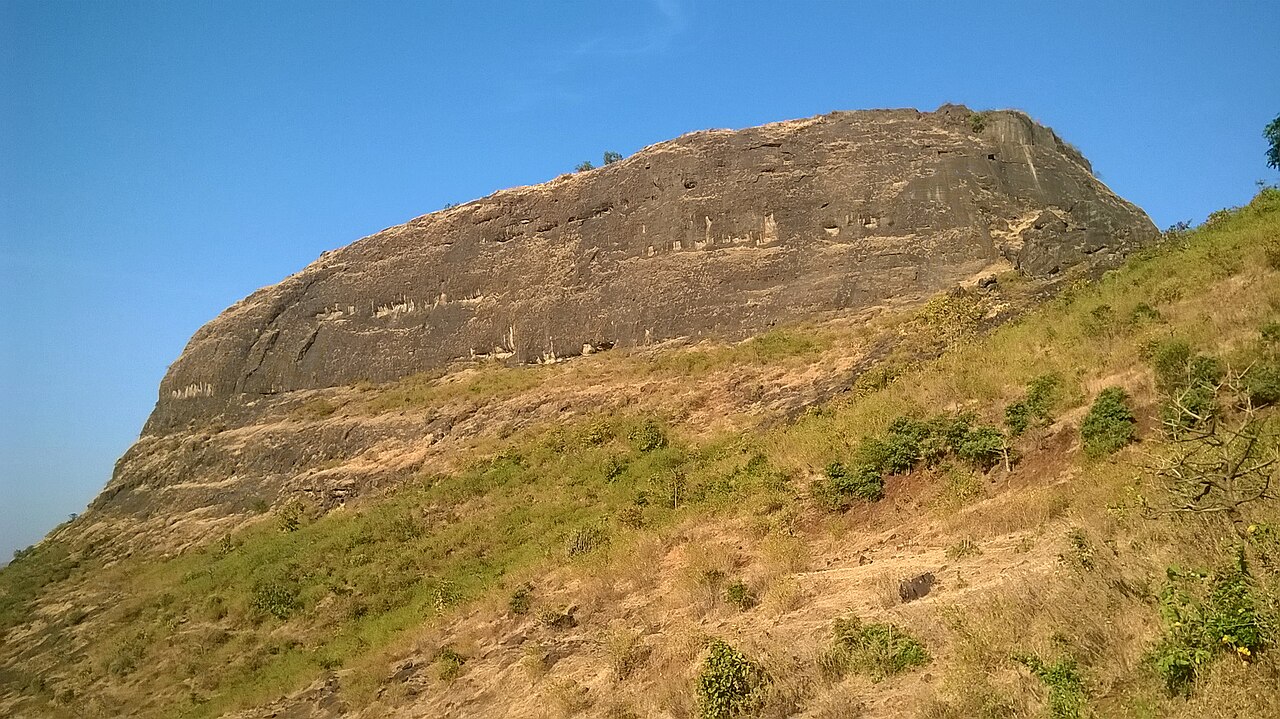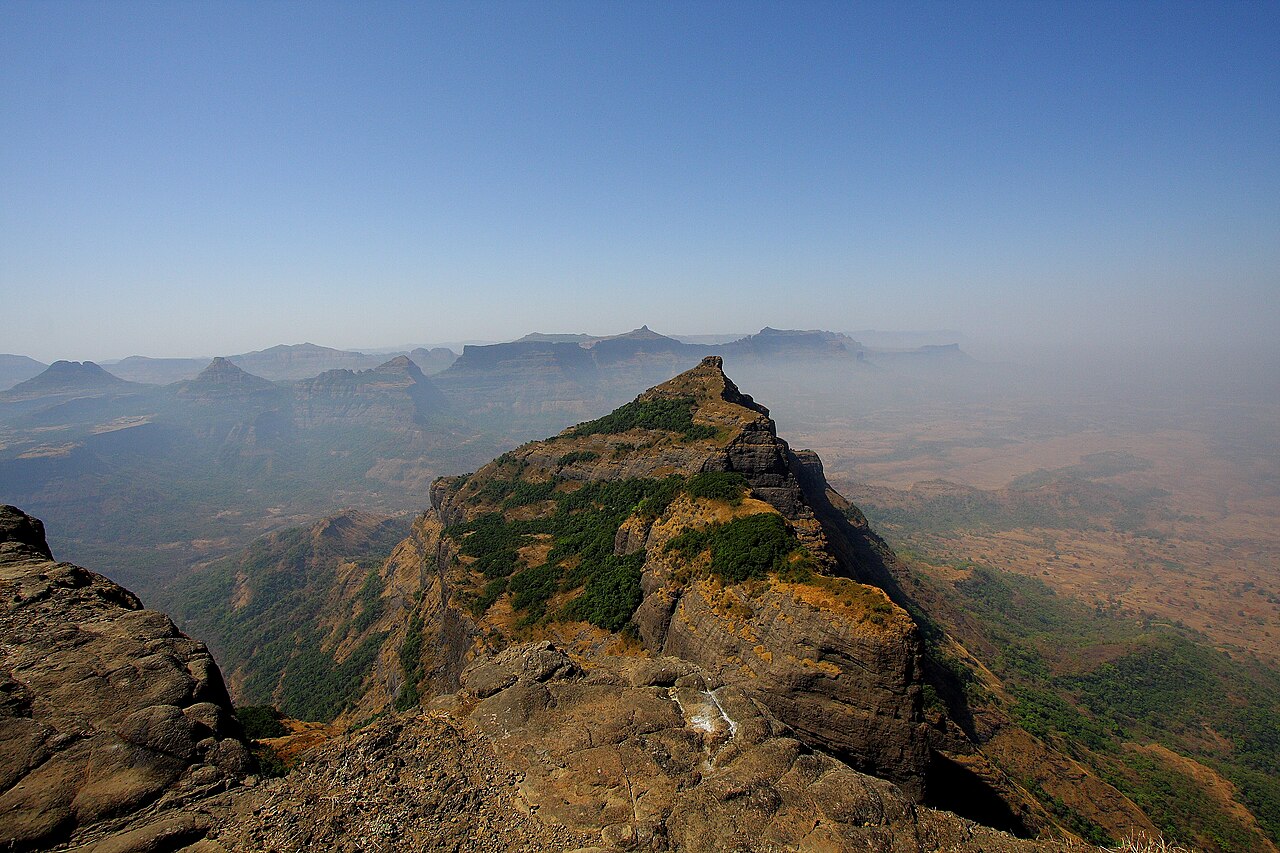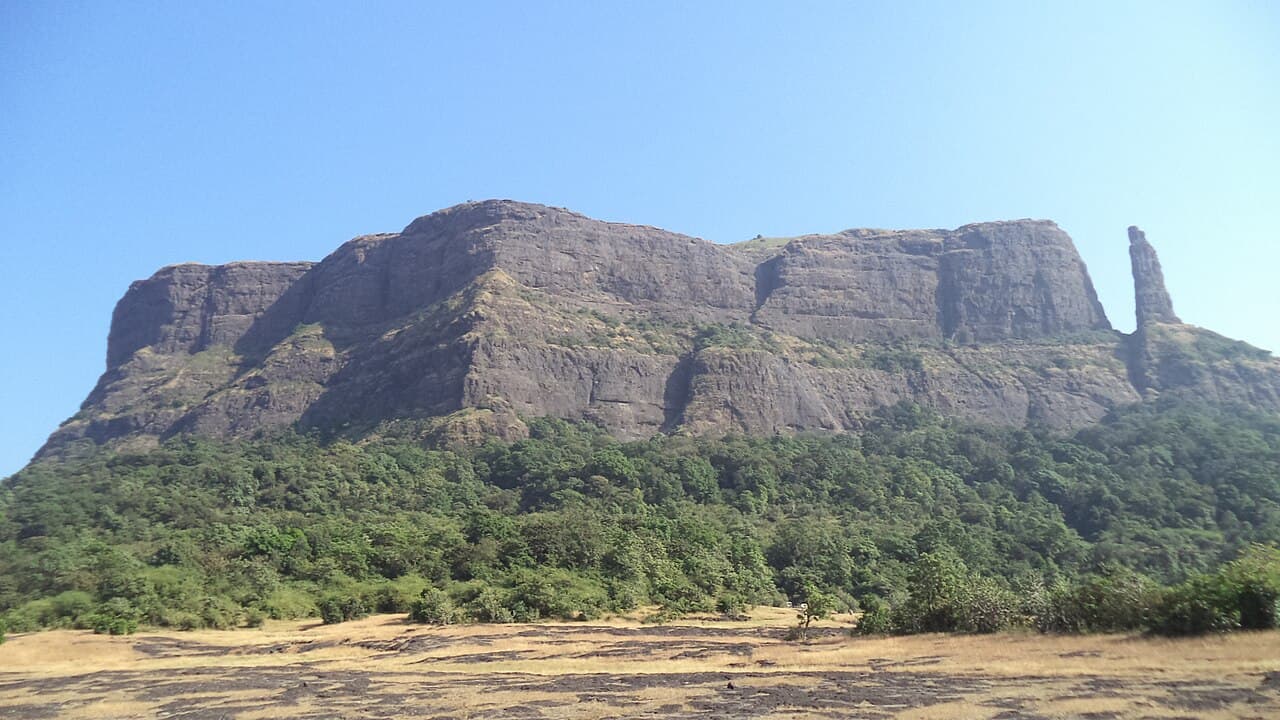
Jivdhan, also spelled Jeevdhan, is a prominent hill fortress located near the modern town of Ghatghar in Junnar Taluka of Pune district, Maharashtra, India. Perched at an elevation of approximately 1,145 meters (3,757 feet) above sea level, it forms part of the rugged Sahyadri mountain range, a segment of the Western Ghats renowned for its steep cliffs and dense forests. The fort's strategic position atop a steep hill provided a formidable natural defense, making it a significant military stronghold during the medieval period.
The fortress is historically notable for its association with the Nizamshahi dynasty. It is recorded that the young king Murtaza Nizam Shah III, the last nominal ruler of the Nizamshahi Sultanate, was held captive at Jivdhan by the Mughal emperor Shah Jahan. The Maratha leader Shahaji Maharaj famously rescued the boy king, honoring his promise to protect him during his lifetime. This episode underscores the fort's role in the turbulent power struggles of the Deccan region during the 17th century.
Architectural features and fortifications
The fortress exhibits typical features of hill castles adapted to the steep and rocky terrain of the Sahyadris. The fortifications include massive bastioned walls that follow the contours of the hill, creating a resilient barrier against invaders. The walls are constructed from locally sourced stone, expertly fitted to withstand both natural erosion and military assault.
One of the most remarkable architectural elements of Jivdhan is its rock-cut steps. These steps are intricately carved directly into the hillside rock, leading climbers up to the main entrance known as the Kalyan Gate. The steps are narrow and steep, reflecting the defensive priority of limiting access to the fort. Alongside the steps near the gate, there are iron hooks embedded into the rock face, which were likely used to assist climbers and defenders alike, indicating a sophisticated understanding of vertical defense mechanisms.
The kalyan gate and access points
The Kalyan Gate serves as the principal entrance to the fort. Its name suggests a connection to the nearby city of Kalyan, a significant urban center during the fort's active period. The gate itself is fortified with thick stone walls and features defensive battlements. The approach to the gate demands careful navigation of the rock-cut steps, which would have been a formidable challenge to any attacking force.
Historical significance and events
Jivdhan played a key role in the regional conflicts of the Deccan plateau. The fort was one of several strongholds contested during the power struggles between the Mughals, the Marathas, and the remnants of the Nizamshahi Sultanate. Its capture and subsequent destruction by the British between 1815 and 1818 marked the end of its military relevance. The British siege led to the fort being looted and deliberately damaged to prevent its future use as a military base.
Today, Jivdhan is part of the renowned 'Famous 5' trekking destinations, which also include Chavaand, Hadsar, Shivneri, and Naneghat. These forts are popular among trekking enthusiasts for their challenging routes and historical importance.
Trekking and modern exploration
The trek to Jivdhan is considered to have a high difficulty grade, primarily due to the dense jungle tracks that can be misleading and the necessity of climbing equipment to navigate the steep rock faces safely. The presence of the rock-cut steps and the iron hooks makes the ascent feasible for experienced climbers and trekkers. The fort's location offers panoramic views of the surrounding Sahyadri hills and valleys, making it a rewarding destination for adventurers.
Cultural and heritage importance
Jivdhan is an important cultural landmark in Maharashtra, reflecting the region's complex history of dynastic rule, warfare, and architectural ingenuity. The fort's ruins, including the bastioned walls and carved steps, provide insight into the military architecture of the early modern period in India. Its association with notable historical figures like Murtaza Nizam Shah III and Shahaji Maharaj adds to its historical allure.
Preservation efforts have been limited, and the fort remains in a ruined state, yet it continues to attract historians, archaeologists, and trekkers interested in exploring the legacy of the Deccan's fortifications.
Frequently asked questions (FAQ)
- How do I reach Jivdhan fort for trekking?
- Jivdhan fort is accessible from the town of Ghatghar in Pune district. Trekkers usually start from Ghatghar and follow marked trails through the Sahyadri hills. It is advisable to hire a local guide due to the challenging terrain and dense jungle.
- What is the difficulty level of the Jivdhan trek?
- The Jivdhan trek is considered high difficulty due to steep rock-cut steps, dense forest paths, and the need for climbing equipment. It is suitable for experienced trekkers with proper gear.
- When was Jivdhan fort built?
- The exact construction date of Jivdhan fort is not well documented, but it is believed to have been established during the medieval period as part of the Deccan's network of hill forts.
- Can I see historical ruins at Jivdhan?
- Yes, visitors can explore the ruins of bastioned walls, rock-cut steps, and the main Kalyan Gate. The fort remains in a ruined state but retains significant architectural features.
- Is Jivdhan fort open to the public?
- Jivdhan fort is open to the public for trekking and exploration. There are no formal ticketing or visiting hours, but trekkers should plan visits during daylight for safety.
Photo gallery

Information
Loading map...
Visitor reviews
No reviews yet. Been here? Write the first review and help other travelers!
Write the first reviewVisited this castle? Share your experience
Your review helps other travelers and adds first-hand knowledge to our encyclopedia.