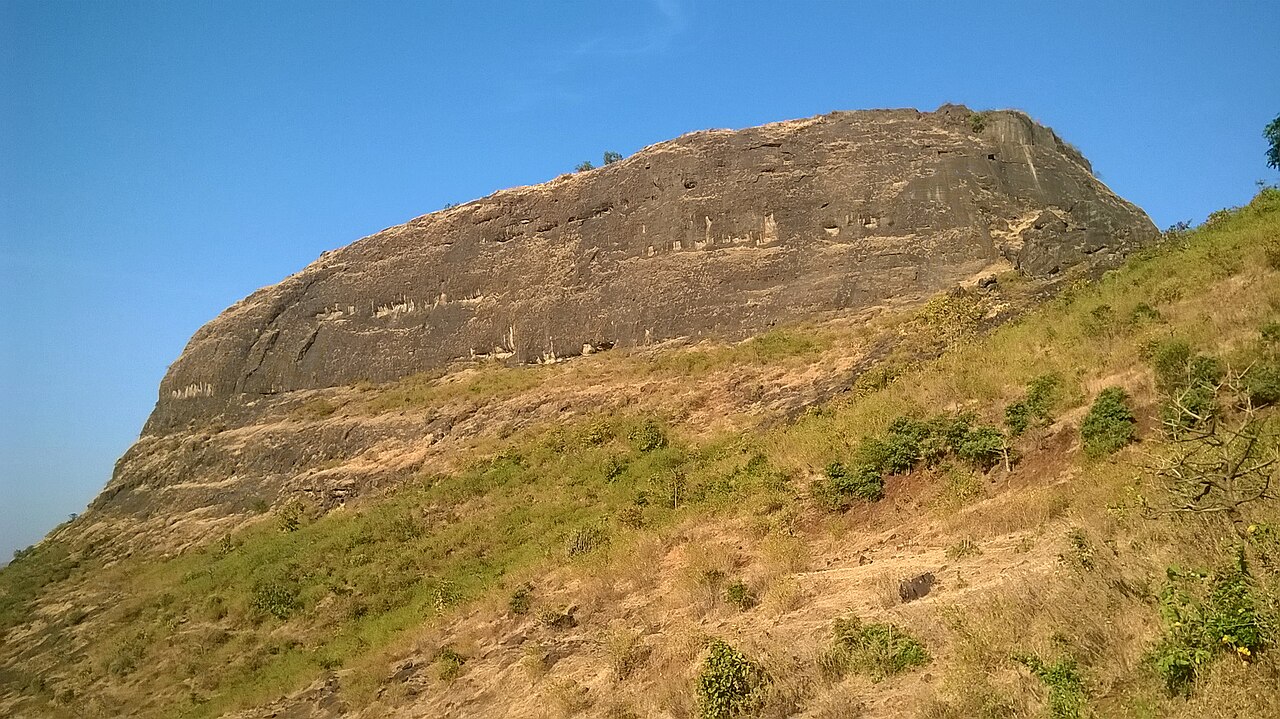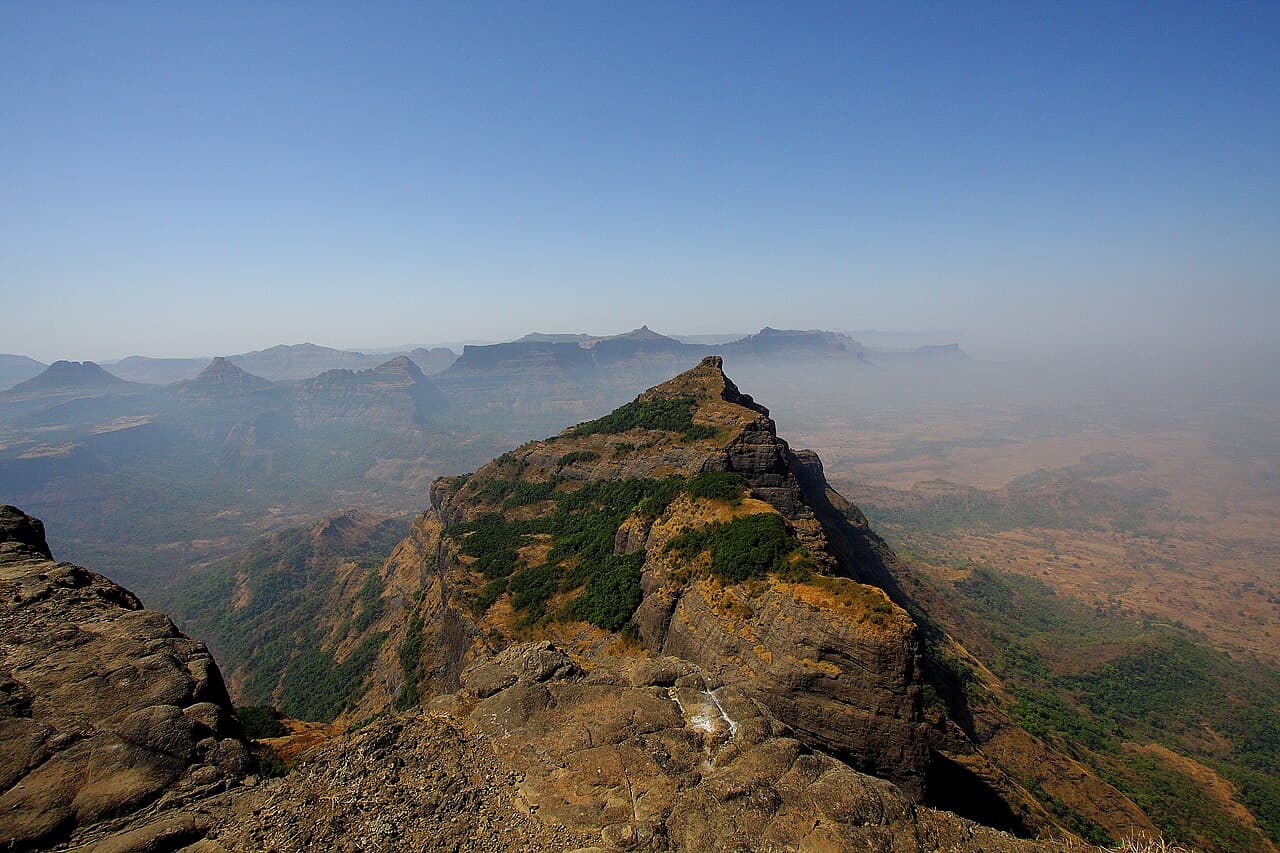
Harishchandragad is a prominent hill fort located in the Ahilyanagar district of India. This ancient fortification is renowned for its strategic position atop the rugged hills of the Western Ghats, providing commanding views over the surrounding landscape. The fort’s history is closely intertwined with the nearby Malshej Ghat and Kothale village, both of which played important roles in the region's defense and administration.
Historical significance and strategic location
The fort of Harishchandragad has served as a critical military and administrative center over several centuries. Its elevated position allowed it to function as a natural stronghold, guarding the trade routes and controlling access through the mountain passes. The fort’s location near Malshej Ghat, a key mountain pass in the Western Ghats, made it an essential outpost for monitoring movement between the Deccan plateau and the coastal regions.
Throughout its history, Harishchandragad witnessed various rulers and dynasties, including the Yadavas and later the Marathas, who utilized the fort for defense and governance. Its role in regional conflicts and as a refuge during invasions highlights its military importance.
Architectural features and fortifications
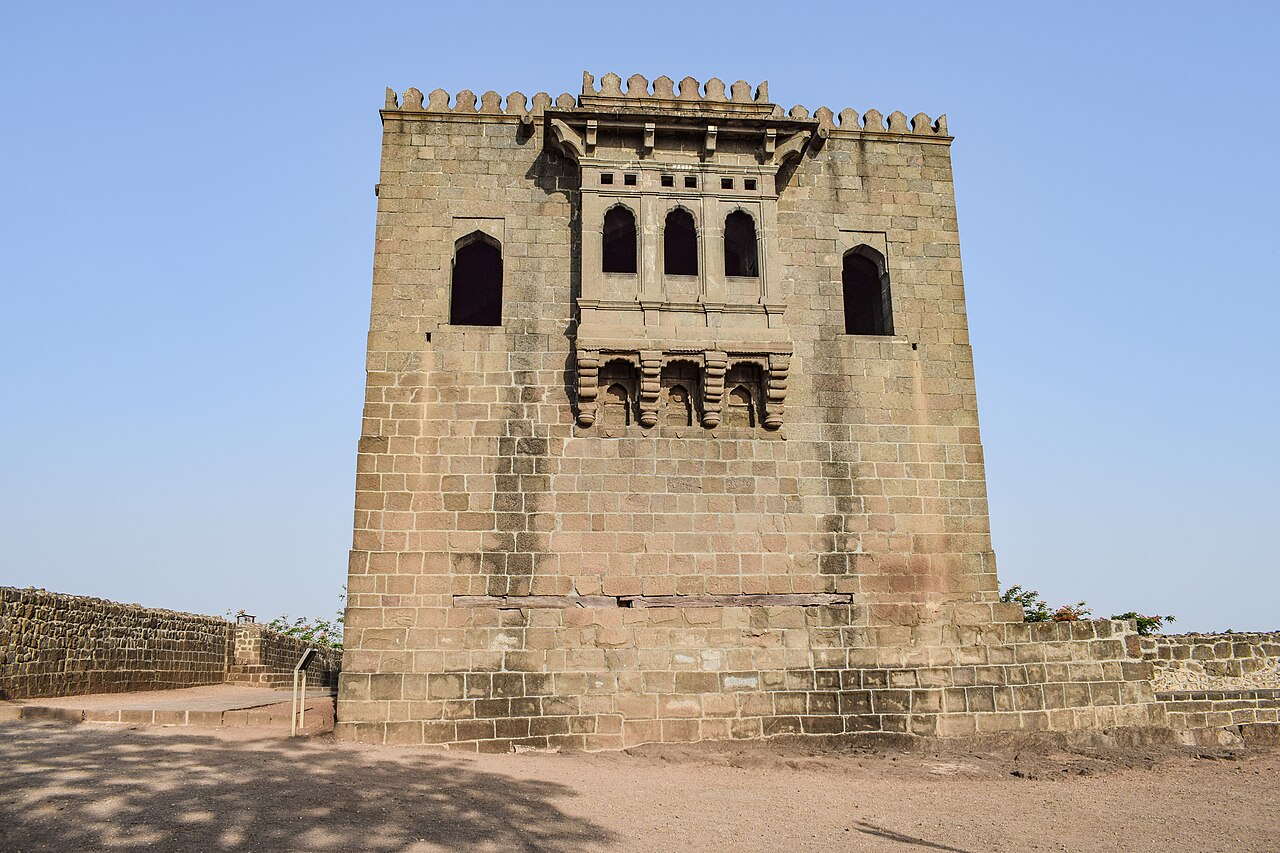
Harishchandragad is classified as a bastioned fortress, characterized by its robust defensive structures. The fortifications include thick stone walls reinforced with bastions at strategic points, designed to withstand sieges and attacks. The walls follow the natural contours of the hill, integrating seamlessly with the rocky terrain.
The fort complex contains several notable architectural elements such as gates, watchtowers, and battlements. These features provided defenders with vantage points for surveillance and defense. The presence of multiple water tanks and reservoirs within the fort ensured a reliable water supply during prolonged sieges, a crucial aspect of its design.
Temples and cultural landmarks
Within the fort precincts, there are several ancient temples that reflect the religious and cultural heritage of the region. The most famous among these is the Kedareshwar cave temple, dedicated to Lord Shiva. This temple is carved into the rock and is a significant pilgrimage site, attracting devotees and tourists alike.
Other smaller shrines and structures within the fort complex demonstrate the blend of military and religious functions that the site served. These temples add to the fort's historical depth and cultural significance.
Natural environment and trekking significance
Harishchandragad is not only important historically but also admired for its natural beauty. The fort is surrounded by dense forests, rugged cliffs, and scenic waterfalls, making it a popular destination for trekkers and nature enthusiasts. The challenging terrain and panoramic views from the fort's summit offer an immersive experience of the Western Ghats' landscape.
The fort's location within a biodiversity-rich region contributes to its appeal, with various endemic flora and fauna found in the area. This combination of cultural heritage and natural environment makes Harishchandragad a unique site of interest.
Preservation and current condition
Today, Harishchandragad remains a well-preserved example of hill fort architecture in India. While some sections have suffered from natural erosion and the passage of time, much of the fort's structure, including its walls and temples, remains intact. Conservation efforts have helped maintain its integrity as a cultural and historical monument.
The fort is accessible to visitors and continues to be a site of archaeological and tourist interest. Its preservation allows for ongoing study and appreciation of India's medieval military architecture and regional history.
Frequently asked questions (FAQ)
- How do I get to Harishchandragad?
- Harishchandragad is located in the Ahmednagar district of Maharashtra, India. It can be accessed via a trek from the nearest village, Khubi, which is approximately 6 km away. The trek offers scenic views and is suitable for adventure enthusiasts.
- What is the historical significance of Harishchandragad?
- Harishchandragad is a fort that dates back to the 6th century, believed to have been built during the reign of the Kalachuri dynasty. It holds immense historical importance and is often associated with various legends, including that of King Harishchandra, who is a prominent figure in Indian mythology.
- When is the best time to visit Harishchandragad?
- The best time to visit Harishchandragad is between October and February when the weather is cooler and ideal for trekking. Monsoon season, from June to September, can make the trails slippery but also brings lush greenery, making it a visually stunning experience.
- Can I camp at Harishchandragad?
- Yes, camping at Harishchandragad is a popular activity. Many visitors choose to stay overnight to enjoy the starry skies and the tranquility of the fort. However, it's advisable to come prepared with necessary camping gear and to follow local guidelines for safety.
- Is it possible to explore the architecture of the fort?
- Absolutely! Harishchandragad features impressive rock-cut architecture, including temples and water cisterns. Visitors can explore various structures, such as the ancient Mahadarwaja gate and the famous Konkan Kada cliff, which provide stunning views and insight into the fort's historical design.
- What are the ticket prices for Harishchandragad?
- There is no formal ticket price to enter Harishchandragad, as it is a trekking destination. However, visitors may need to pay a small fee for parking or for guided tours, depending on the services they choose to utilize during their visit.
- What are the opening hours for Harishchandragad?
- Harishchandragad does not have specific opening hours, as it is an open trekking destination. Visitors can plan their trek during daylight hours, typically starting early in the morning to ensure they have ample time to explore and return safely before dark.
- Are there any nearby attractions worth visiting?
- Yes, there are several nearby attractions, including the scenic Naneghat pass and the beautiful Bhira Dam. These locations offer additional trekking opportunities and stunning landscapes, making them great additions to your itinerary when visiting Harishchandragad.
Photo gallery

Information
Loading map...
Visitor reviews
No reviews yet. Been here? Write the first review and help other travelers!
Write the first reviewVisited this castle? Share your experience
Your review helps other travelers and adds first-hand knowledge to our encyclopedia.