Iwadeyama Castle
Iwadeyama Castle (岩出山城, Iwadeyama-jō) was a prominent hill castle located in what is now Ōsaki, Miyagi Prefecture, Japan. Originally constructed in the medieval period, it gained significant historical importance during the late 16th century when it became the residence and political center of the powerful daimyo Date Masamune.
The strategic rise of Iwadeyama Castle
The castle's location on a hill provided natural defensive advantages, typical of hill castles in Japan, allowing control over the surrounding plains and river routes. Its elevated position was crucial for military surveillance and defense against rival clans during the turbulent Sengoku period.
Before Date Masamune's tenure, the site was known as Iwatesawa Castle. In 1591, following his service under Toyotomi Hideyoshi, Masamune was granted the castle and surrounding lands as his domain. He undertook extensive reconstruction, renaming the castle Iwadeyama, and transforming it into a formidable stronghold.
Date Masamune's impact and urban development
Date Masamune made Iwadeyama Castle his main residence for 13 years, from 1591 until 1604. During this period, he not only enhanced the castle's defenses but also actively promoted the growth of a castle town at its base. This development fostered economic prosperity and established the region as a significant political hub in northern Japan.
The castle town included merchant quarters, samurai residences, and administrative buildings, reflecting the typical layout of a Japanese castle town designed to support both military and civilian functions. Masamune's efforts contributed to the consolidation of his power and the stabilization of his domain during the early Edo period.
Architectural features and layout
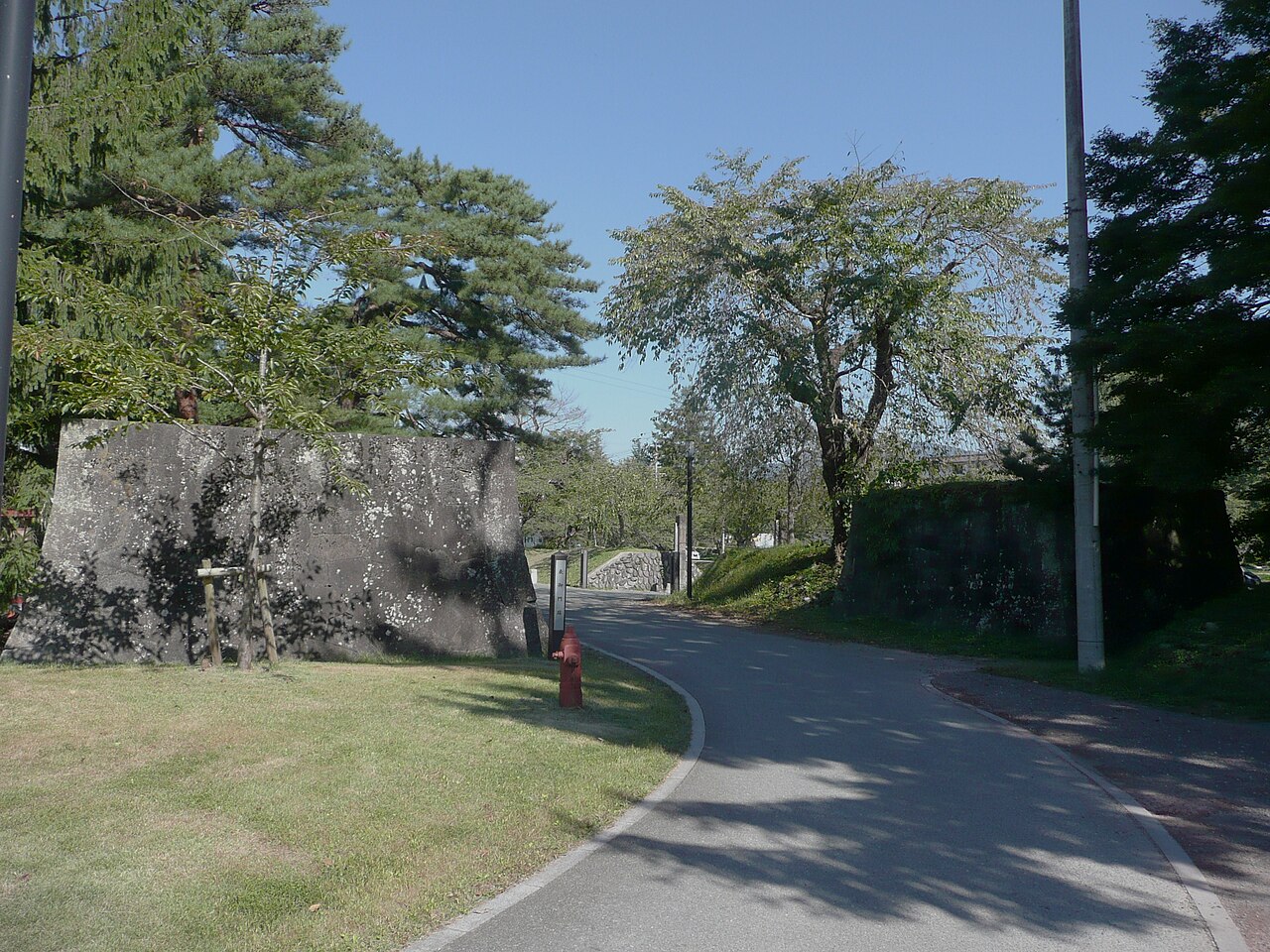
While detailed records of the castle's original architecture are scarce, Iwadeyama Castle likely featured typical elements of Japanese hill castles of the late Sengoku period. These would have included stone walls, earthen ramparts, wooden palisades, and a main keep (tenshu) or fortified residence serving as the lord's quarters.
The castle's defensive design would have incorporated gates and moats adapted to the terrain, with multiple baileys (courtyards) arranged to create layers of defense. The surrounding castle town was planned to support the castle's military needs and economic activities.
Decline and disappearance
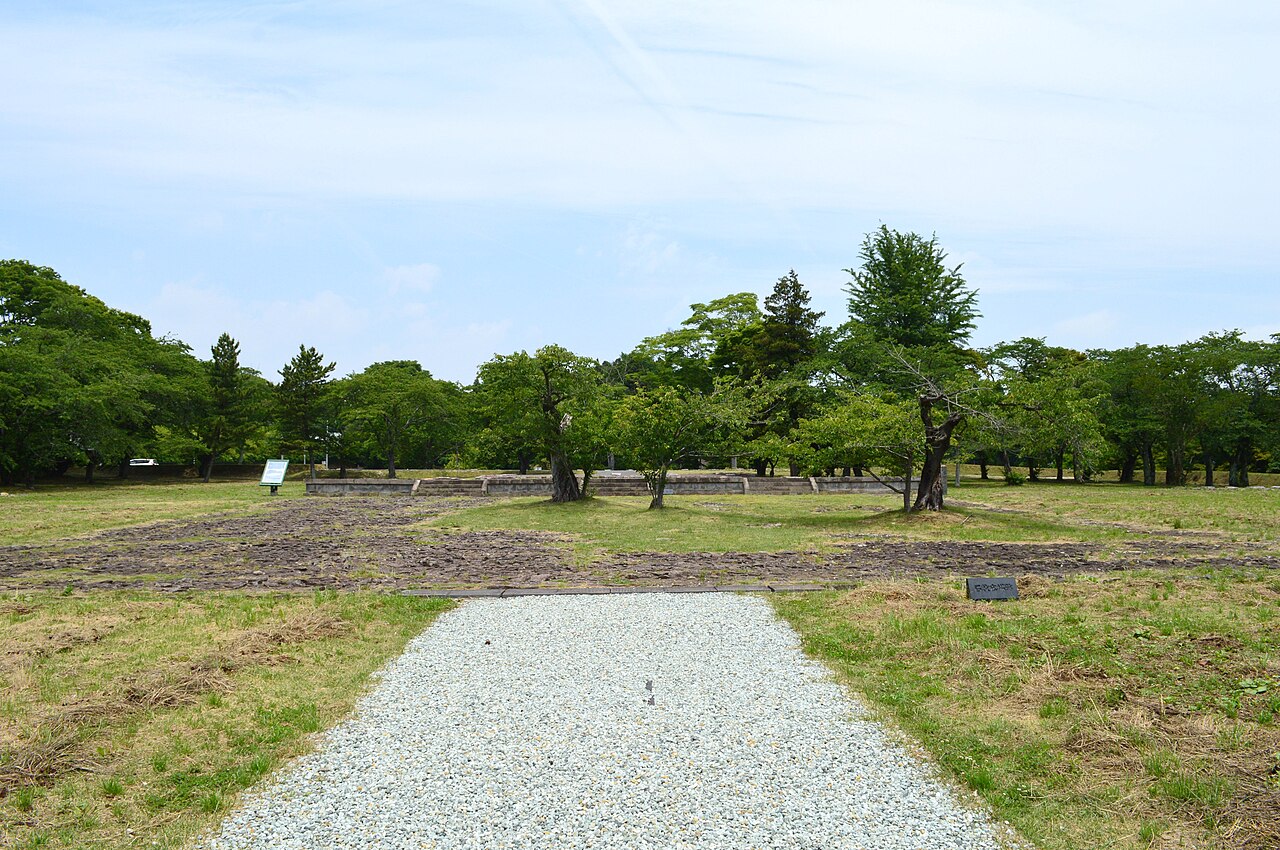
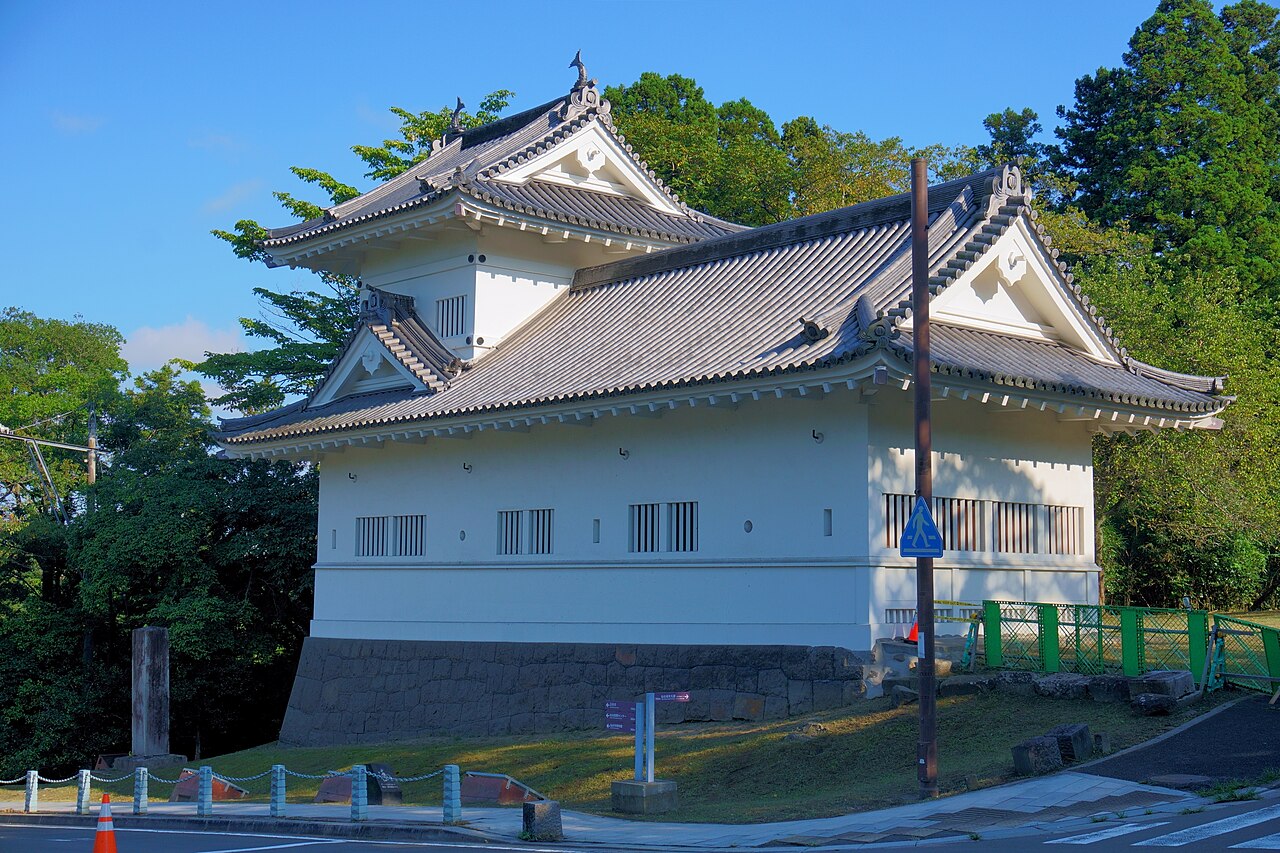
Following the Meiji Restoration in the late 19th century, the new government implemented policies to dismantle feudal structures, including many castles. As a result, all remaining structures of Iwadeyama Castle were removed or destroyed. Today, the castle no longer stands, and only archaeological remnants and earthworks hint at its former presence.
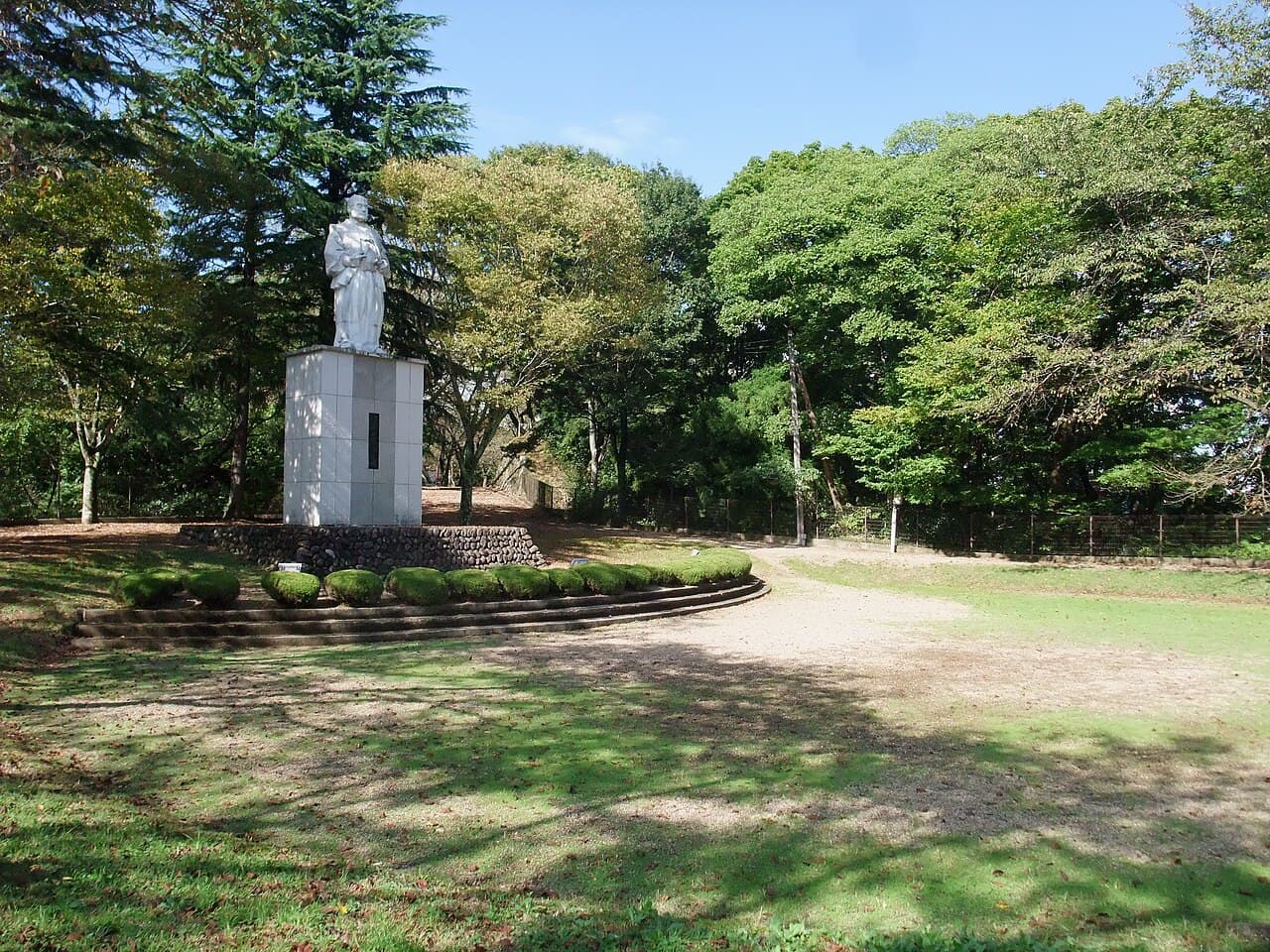
The site remains a place of historical interest, commemorating the legacy of Date Masamune and his role in shaping the region's history. Visitors can explore the castle grounds and nearby museum exhibits that display artifacts and provide context about the castle's significance.
Legacy and cultural significance
Iwadeyama Castle is remembered as a key stronghold during the late Sengoku and early Edo periods. Its association with Date Masamune, one of Japan's most famous daimyo, adds to its historical importance. Masamune's leadership from this castle helped establish the foundations for the powerful Date clan's dominance in northern Japan.
The castle's story reflects the broader trends of castle construction, urban development, and political consolidation in Japan's transition from the chaotic Sengoku era to the more stable Edo period.
Frequently asked questions (FAQ)
- When was Iwadeyama Castle rebuilt and renamed by Date Masamune?
- Iwadeyama Castle was rebuilt and renamed by Date Masamune in 1591 after he was granted the castle and surrounding lands.
- What type of castle is Iwadeyama Castle?
- Iwadeyama Castle is classified as a hill castle, strategically located on elevated terrain for defense.
- Why was Iwadeyama Castle important during Date Masamune's time?
- Date Masamune made Iwadeyama Castle his residence for 13 years, developing it into a political and economic center in northern Japan.
- Are there any remaining structures of Iwadeyama Castle today?
- No, all remaining structures were removed or destroyed after the Meiji Restoration, leaving only ruins and earthworks.
- Can visitors explore the site of Iwadeyama Castle today?
- Yes, visitors can explore the castle grounds and nearby museums that provide historical context and display artifacts related to the castle.
Photo gallery

Photo by Tak1701d•Public domain
Information
Loading map...
Visitor reviews
No reviews yet. Been here? Write the first review and help other travelers!
Write the first reviewVisited this castle? Share your experience
Your review helps other travelers and adds first-hand knowledge to our encyclopedia.