Shibushi Castle
Shibushi Castle (志布志城, Shibushi-jō) represents an important example of a hirajiro-style Japanese castle from the Muromachi to early Edo period. Located in Shibushi city within Kagoshima Prefecture, Japan, the castle's ruins have been recognized and protected as a National Historic Site since 2005.
The architectural design and strategic significance
As a hirajiro, or flatland castle, Shibushi Castle was constructed on relatively level terrain rather than on a hill or mountain, which was more common for Japanese castles. This style required extensive defensive features such as moats, earthen walls, and stone fortifications to compensate for the lack of natural elevation. The castle's layout likely included multiple baileys (maru) surrounded by moats and walls, which provided layered defense against attackers.
During the Muromachi period (1336–1573), castle construction in Japan evolved to accommodate the increasing military conflicts of the era. Shibushi Castle's design reflects these changes, balancing residential functions with military needs. By the early Edo period (1603–1868), the castle would have been adapted to the new political stability under the Tokugawa shogunate, possibly reducing its military role while serving administrative purposes.
Historical context and ownership
Shibushi Castle was built during a period of frequent warfare and political upheaval in southern Japan. The Muromachi period saw the rise of regional warlords (daimyō) who controlled local territories through castles like Shibushi. Although specific records of the castle's builders or occupants are limited, it is known that castles in Kagoshima Prefecture were often associated with the powerful Shimazu clan, who dominated the region from the 15th century onward.
Under the early Edo period, many castles were repurposed or dismantled as the Tokugawa shogunate sought to centralize power and reduce the military threat from regional lords. Shibushi Castle's decline into ruins likely occurred during this transition, contributing to its current archaeological status.
Current state and archaeological significance
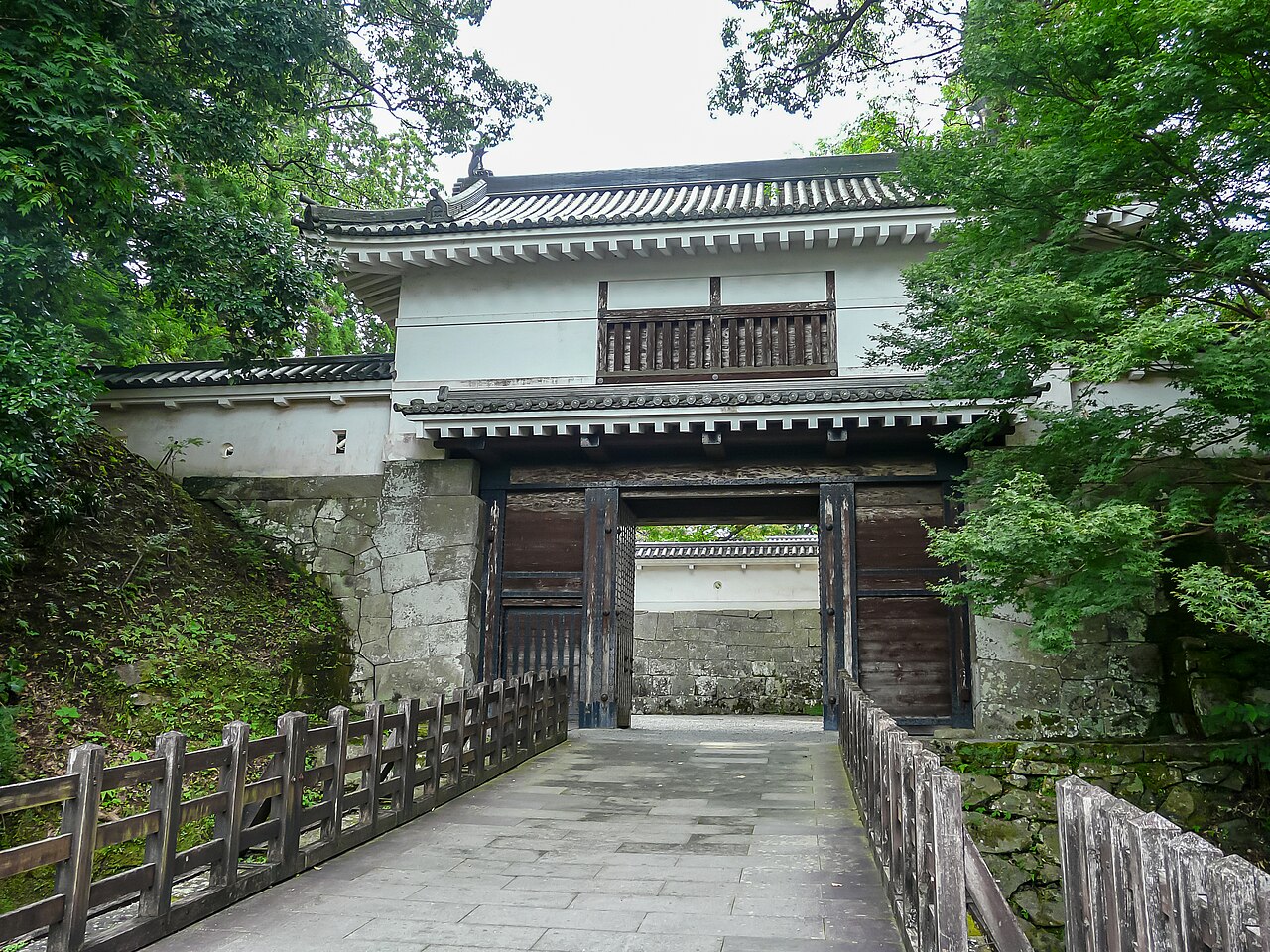
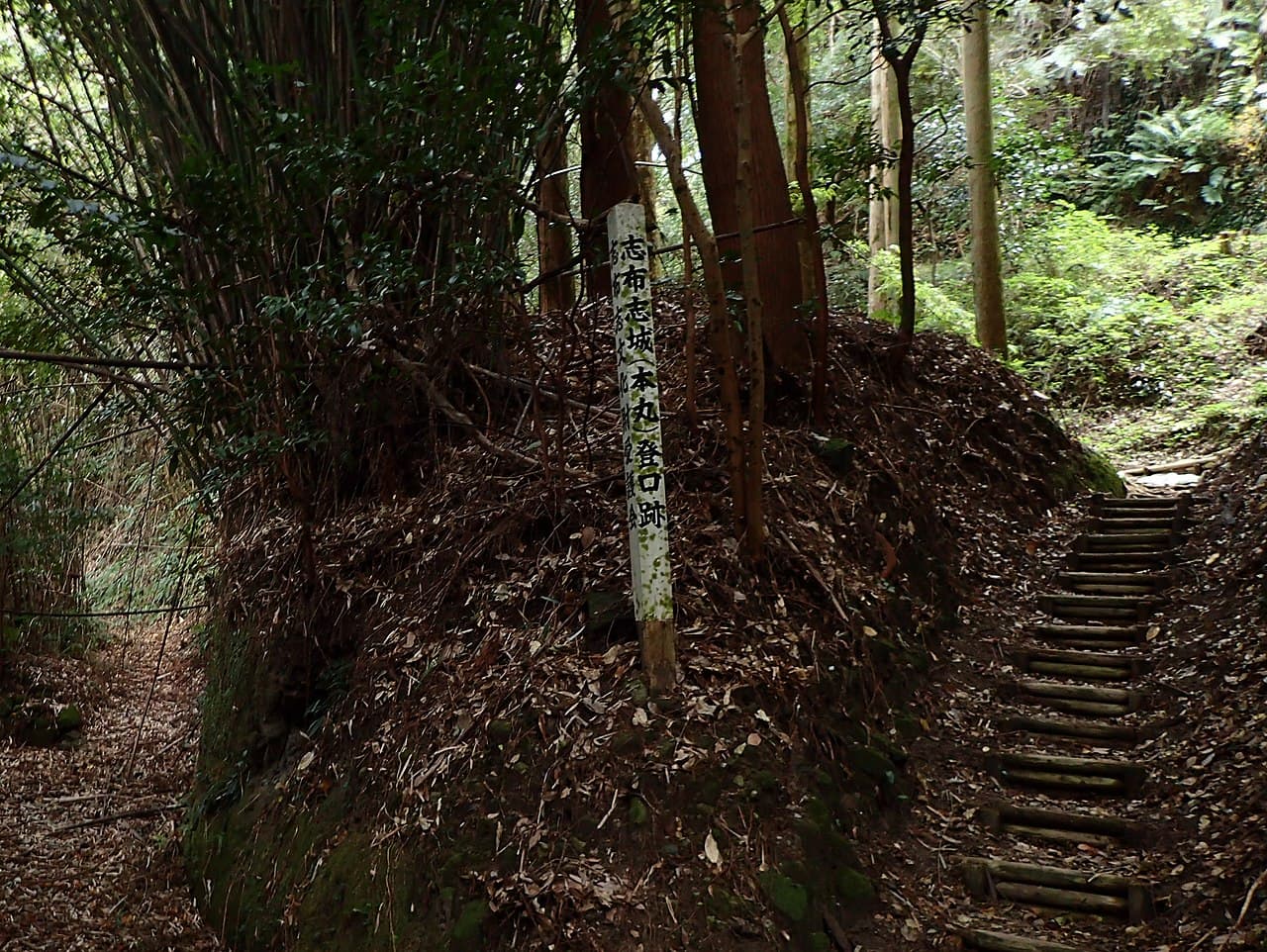
Today, Shibushi Castle exists primarily as archaeological ruins. The site features remnants of its defensive earthworks, stone foundations, and moat traces, which provide valuable insights into Muromachi-era castle construction techniques and regional military architecture. The designation as a National Historic Site underscores its cultural importance and ensures ongoing preservation efforts.
Excavations have revealed artifacts and structural details that help historians reconstruct the castle's layout and understand its role in local governance and defense. Visitors to the site can explore the ruins and appreciate the scale and complexity of a flatland castle adapted to the unique challenges of its environment.
Visiting Shibushi Castle
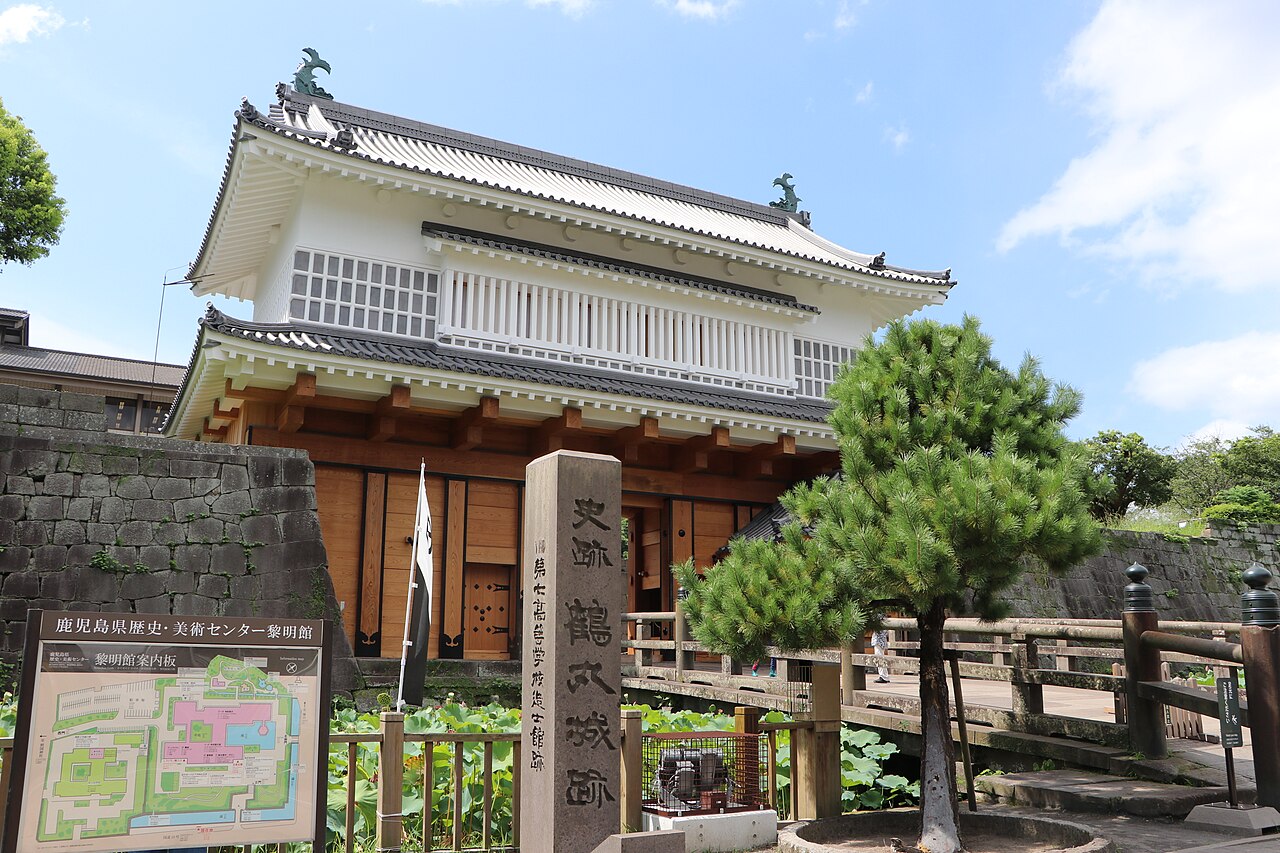
While the castle no longer stands intact, the ruins offer a compelling destination for those interested in Japanese history and castle architecture. The site is accessible within Shibushi city, and interpretive signage helps contextualize the remains. Visitors should prepare for outdoor walking and uneven terrain typical of archaeological sites.
Shibushi Castle is a meaningful example of Japan's feudal past, illustrating the evolution of castle design from the turbulent Muromachi period through the early Edo period. Its preservation as a historic site allows continued study and appreciation of Japan's architectural and military heritage.
Frequently asked questions (FAQ)
- How do I get to Shibushi Castle?
- Shibushi Castle is located in Shibushi, Japan, and is accessible by car or public transportation. The nearest train station is Shibushi Station, from which you can take a short bus ride or a taxi to the castle.
- What is the historical significance of Shibushi Castle?
- Shibushi Castle, originally built in the 16th century, played a crucial role in regional politics during the Sengoku period. It served as a strategic stronghold for the Shimazu clan and reflects the rich history of samurai culture in Japan.
- When was Shibushi Castle built?
- Shibushi Castle was constructed in 1569 by the famous samurai lord Tadayoshi Shimazu. Although it has undergone various renovations and restorations, many of its original features have been preserved, allowing visitors to glimpse its historical grandeur.
- Can I enter the castle grounds?
- Yes, visitors are welcome to explore the castle grounds, which include beautiful gardens and historical structures. Some areas may have restricted access to preserve their integrity, but the overall experience is enriching and informative.
- Why is Shibushi Castle considered an important architectural site?
- Shibushi Castle is renowned for its unique defensive architecture, featuring stone walls and moats that exemplify feudal Japanese design. Its layout and construction techniques provide insight into the military strategies of the time and the lifestyle of the samurai.
- Is it possible to visit Shibushi Castle year-round?
- Yes, Shibushi Castle is open to visitors year-round, although certain areas may be closed for maintenance during the winter months. It is advisable to check the official website for any seasonal updates before planning your visit.
- What are the opening hours for Shibushi Castle?
- Shibushi Castle typically opens at 9:00 AM and closes at 5:00 PM, with last entry at 4:30 PM. These hours may vary depending on the season or special events, so it's best to verify before your visit.
- What are the ticket prices for entering Shibushi Castle?
- Entry to Shibushi Castle is generally free, making it an accessible destination for all visitors. However, fees may apply for guided tours or specific exhibits within the castle grounds.
- What is the best time to visit Shibushi Castle?
- The best time to visit Shibushi Castle is during the spring and autumn months when the weather is mild and the surrounding scenery is particularly beautiful. Cherry blossoms in spring and vibrant autumn foliage create picturesque views that enhance the castle experience.
- Are there any nearby attractions to explore after visiting Shibushi Castle?
- Yes, after exploring Shibushi Castle, visitors can check out the nearby Shibushi Bay and its scenic coastline or visit local museums that showcase the history of the region. The area is rich in cultural experiences and offers plenty of opportunities for sightseeing and relaxation.
Photo gallery

Information
Loading map...
Visitor reviews
No reviews yet. Been here? Write the first review and help other travelers!
Write the first reviewVisited this castle? Share your experience
Your review helps other travelers and adds first-hand knowledge to our encyclopedia.