
Obi Castle
Obi Castle stands as a significant hill castle in Nichinan, Japan, with origins tracing back to the Nanboku-cho Period when the Tsuchimochi clan first established a fortification on the site. Although its earliest foundations date to this era, the castle's prominence in historical records begins in the mid-15th century, reflecting the turbulent feudal conflicts of the time.
Historical background and strategic importance
The castle's strategic location made it a critical stronghold in the power struggles between the Shimazu and Ito clans. The Shimazu fortified Obi Castle to block the expansion of the Ito clan into the region, turning it into a focal point of military conflict. The Ito clan managed to capture Obi Castle once in 1567, but the Shimazu recaptured it in 1572. The castle remained under Shimazu control until the Kyushu campaigns led by Toyotomi Hideyoshi in 1587. Following Hideyoshi's victory, the loyal Ito clan was awarded Obi Castle, marking the beginning of their long rule and the development of the surrounding castle town.
Architectural evolution and development
In 1686, Ito Sukezane, a prominent lord of the Ito clan, initiated a comprehensive renovation of Obi Castle. This overhaul aimed to strengthen the castle against the frequent earthquakes in the region and to modernize its defenses and living quarters. The reconstruction reflected the architectural advancements of the period, emphasizing both resilience and functionality. The castle's design incorporated robust stone walls, fortified gates, and a series of baileys that enhanced its defensive capabilities.
Castle town and cultural heritage
Alongside the castle's physical expansion, the Ito clan fostered the growth of a vibrant castle town that flourished during the Edo Period. Obi became renowned for its well-preserved samurai residences, temples, warehouses, and museums, earning it the nickname of one of Japan's "little Kyotos." Visitors to Obi today can explore these historical structures, gaining insight into the lifestyle and culture of the Edo Period samurai class.
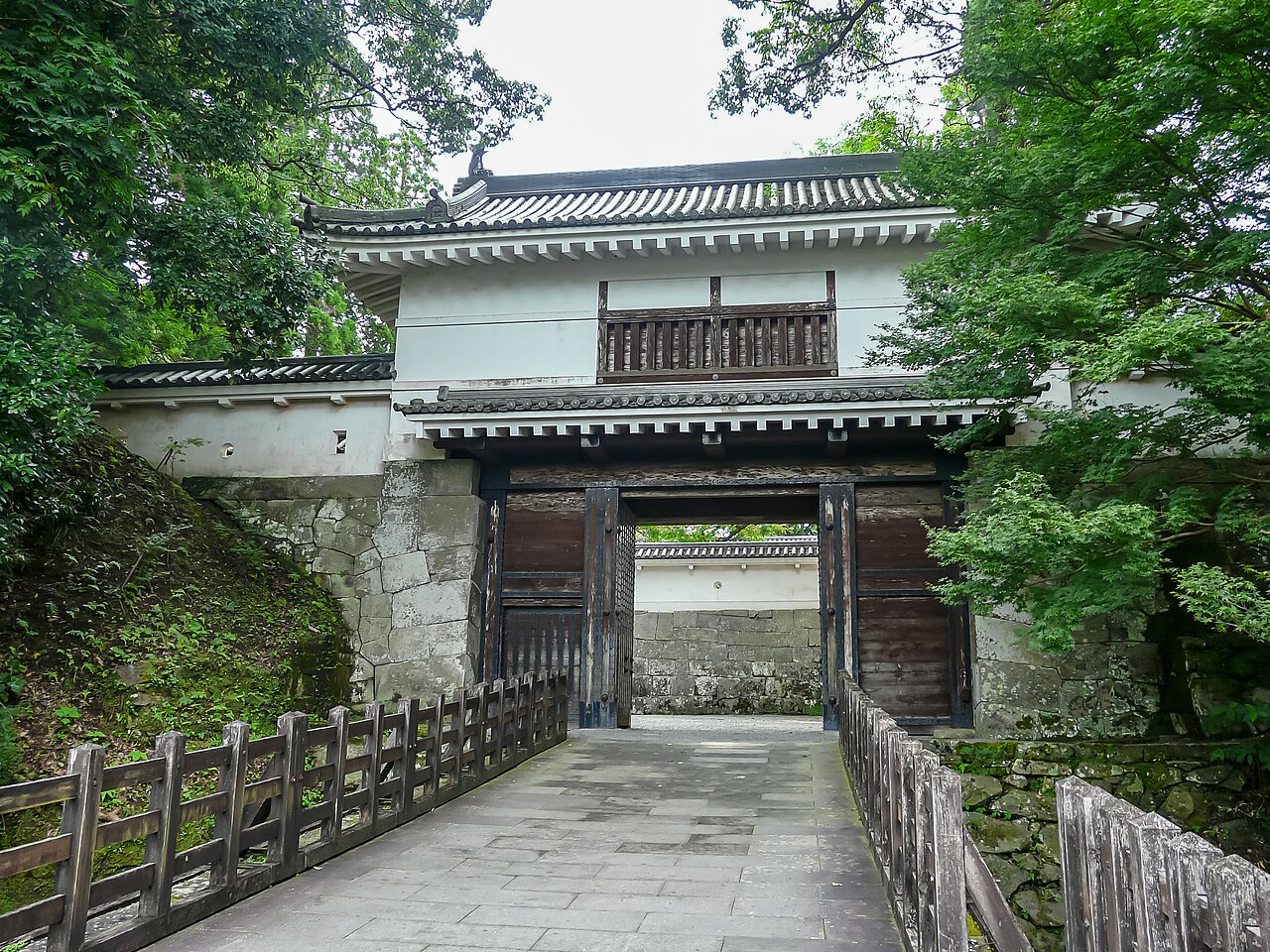
Photo by Naokijp • CC BY-SA 4.0
Current condition and visitor experience
Today, Obi Castle remains partially preserved, offering visitors a glimpse into its storied past through its surviving walls, gates, and reconstructed buildings. The castle and its surrounding historic district provide an immersive experience enriched by traditional architecture and cultural landmarks. The preservation efforts have maintained the castle's historical ambiance, making it a valuable cultural asset in the Miyazaki Prefecture.
Significance in japanese castle architecture
Obi Castle exemplifies the evolution of Japanese castle architecture from the Nanboku-cho through the Edo Period. Its transformation under the Ito clan illustrates the adaptation of fortifications to both military and environmental challenges, particularly earthquake resistance. The castle's layout, featuring multiple baileys and stone fortifications, reflects typical hill castle design principles intended to maximize natural terrain advantages.
Exploring obi and its surroundings
The Obi area is celebrated not only for its castle but also for its rich cultural landscape, including traditional samurai homes and historic temples. The preservation of these sites alongside Obi Castle creates a cohesive historical environment that attracts scholars, tourists, and cultural enthusiasts alike. This blend of military history and cultural heritage makes Obi a unique destination for those interested in Japan's feudal era.
Frequently asked questions (FAQ)
- How do I get to Obi Castle?
- Obi Castle is located in Nichinan, Japan, and can be easily accessed by public transportation. The nearest train station is Obi Station, which is about a 10-minute walk from the castle. Alternatively, visitors can drive, with parking available nearby.
- What is the historical significance of Obi Castle?
- Obi Castle, built in the early 17th century, served as a residence for the Ito clan during the Edo period. It played a crucial role in the region's defense and administration, reflecting the architectural styles and strategic designs of its time. Today, it stands as a symbol of local heritage and history.
- When was Obi Castle built?
- Obi Castle was constructed in 1600 and completed in 1601. It was strategically built to control the surrounding area and protect against invasions. The castle has undergone various restorations over the years, preserving its historical essence.
- Can I enter the castle grounds?
- Yes, visitors can enter the castle grounds and explore the ruins and surrounding gardens. However, access to certain buildings may be restricted due to preservation efforts. It's advisable to check for any specific guidelines upon arrival.
- Why is Obi Castle considered an architectural gem?
- Obi Castle is renowned for its unique combination of Japanese and Western architectural styles, which reflects the cultural exchanges during the Edo period. The castle features impressive stone walls, moats, and a well-preserved layout that showcases traditional Japanese fortification techniques. Its design offers a glimpse into the historical significance of samurai culture.
- Is it possible to visit Obi Castle year-round?
- Yes, Obi Castle is open to visitors year-round, though opening hours may vary by season. The best time to visit is during spring and autumn when the weather is mild, and the surrounding scenery is particularly beautiful. Always check the official website for the latest information on hours of operation.
- What are the ticket prices for visiting Obi Castle?
- Admission to Obi Castle is typically very affordable, with tickets costing around 300 yen for adults. Discounts may be available for children and groups. Be sure to bring cash, as some ticket counters may not accept credit cards.
- What are some nearby attractions to Obi Castle?
- Nearby attractions include the beautiful Obi Onsen hot springs and the picturesque Nichinan Coast, known for its stunning ocean views. Additionally, visitors can explore the local shops and eateries that offer a taste of regional cuisine. These sites make for great additions to your visit to Obi Castle.
- What are the opening hours for Obi Castle?
- Obi Castle usually opens at 9:00 AM and closes at 5:00 PM, but these hours may change seasonally. It's best to verify the current hours on the castle's official website or contact the visitor center before planning your visit. This ensures you have ample time to explore the historical site.
Photo gallery

Information
Sources & official resources
Verify the information above using these authoritative references.
Loading map...
Visitor reviews
No reviews yet. Been here? Write the first review and help other travelers!
Write the first reviewVisited this castle? Share your experience
Your review helps other travelers and adds first-hand knowledge to our encyclopedia.