Aya Castle — Japan castle

Aya Castle

Aya Castle in Miyazaki, Japan
Aya, Japan
Late Medieval (14th–15th c.)
Ruins

Aya Castle (綾城, Aya-jō) is a historically significant hill castle located in Aya, Miyazaki Prefecture, Japan. Constructed in the 14th century during the late medieval period, it exemplifies the traditional Japanese castle architecture of that era. Aya Castle played an important role in the regional defense and governance during the turbulent times of medieval Japan.

Historical background and significance

The castle was originally built in the Nanboku-chō period (1336–1392), a time marked by conflict between rival imperial courts. Aya Castle was strategically positioned on a hill to oversee the surrounding region, providing military advantage and control over local trade routes. It was an important stronghold for local lords and samurai families who governed the area.

Throughout its history, Aya Castle witnessed several battles and sieges, reflecting the shifting power dynamics of feudal Japan. The castle's location in Miyazaki Prefecture placed it within the sphere of influence of powerful clans such as the Itō and Shimazu families during the Sengoku period (15th–16th centuries).

Architectural features and layout

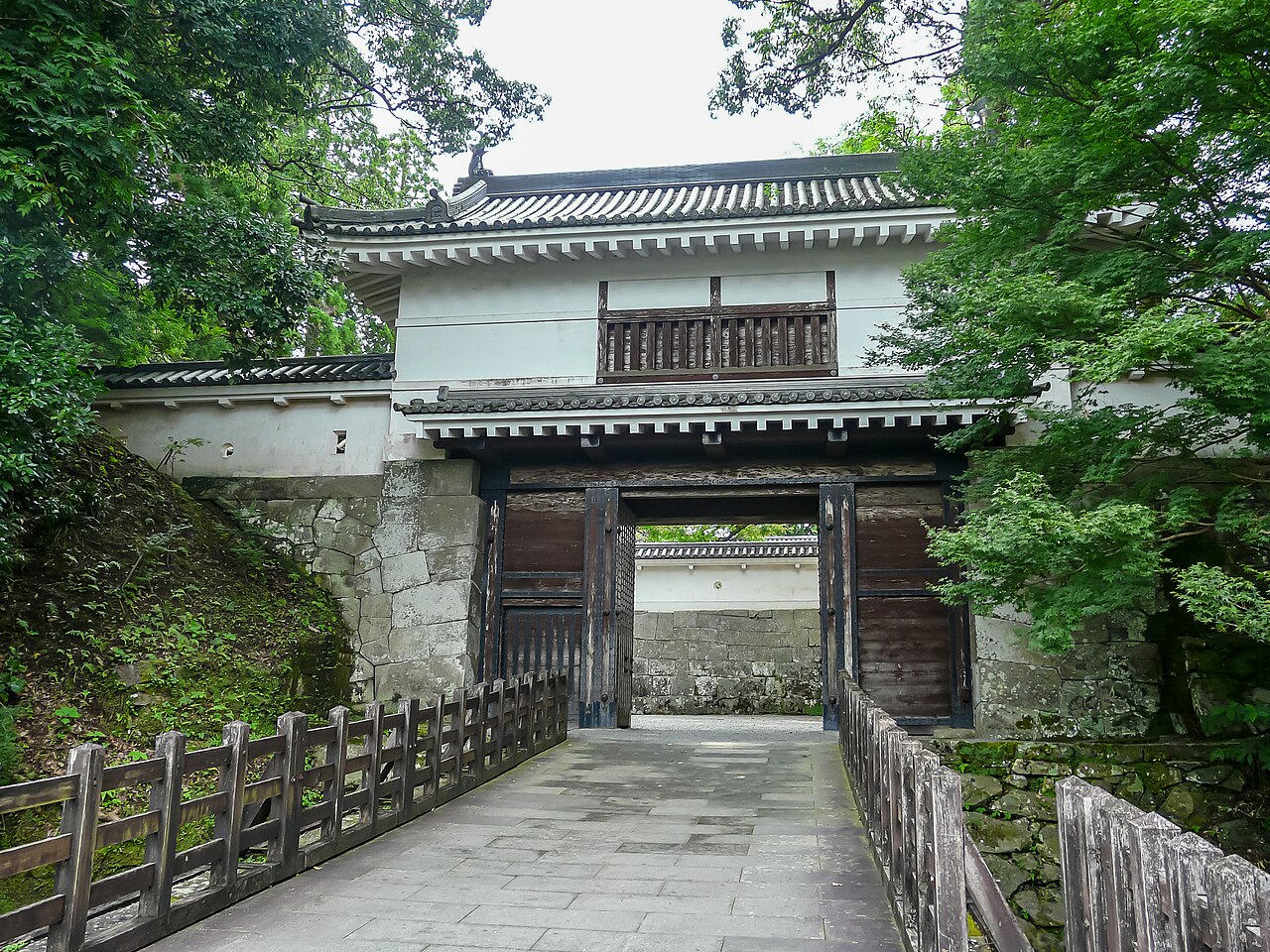
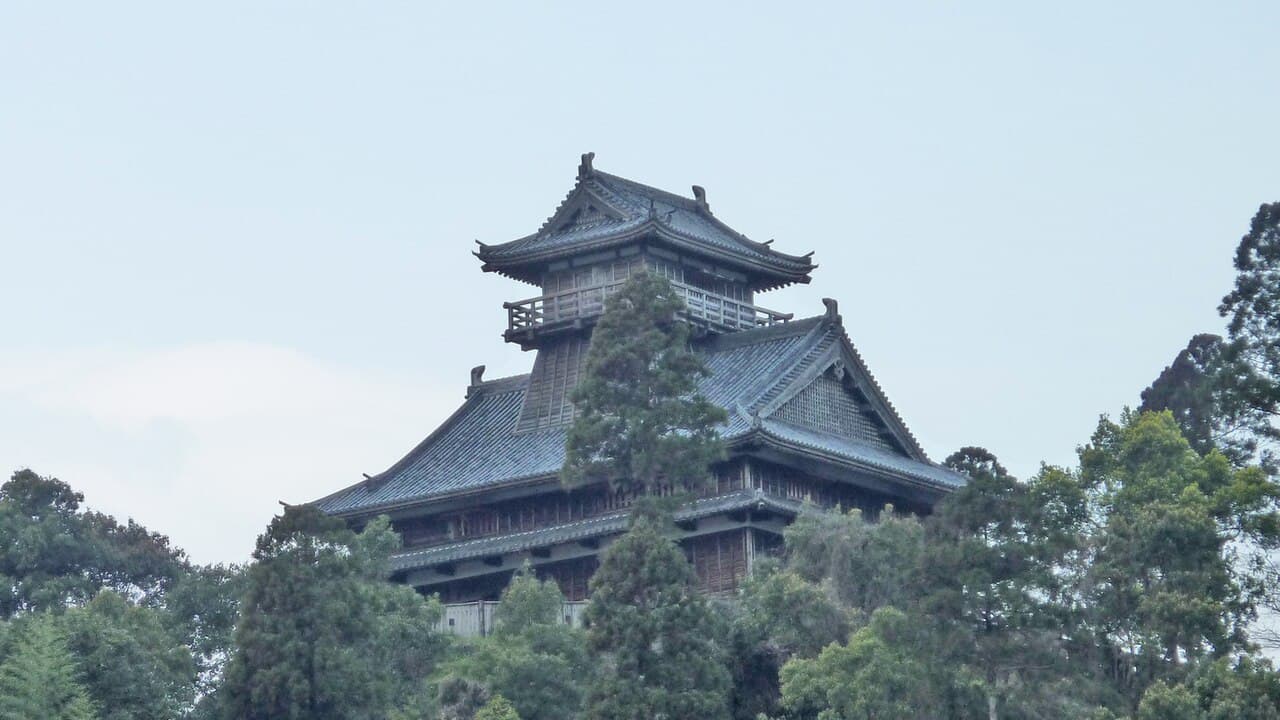
Aya Castle is characteristic of hill castles (yamajiro), built on elevated terrain to maximize defensive capabilities. The castle's design incorporates natural topography, with steep slopes and wooded surroundings enhancing its fortifications. The main structures included a central keep (tenshu), defensive walls, gates, and watchtowers.

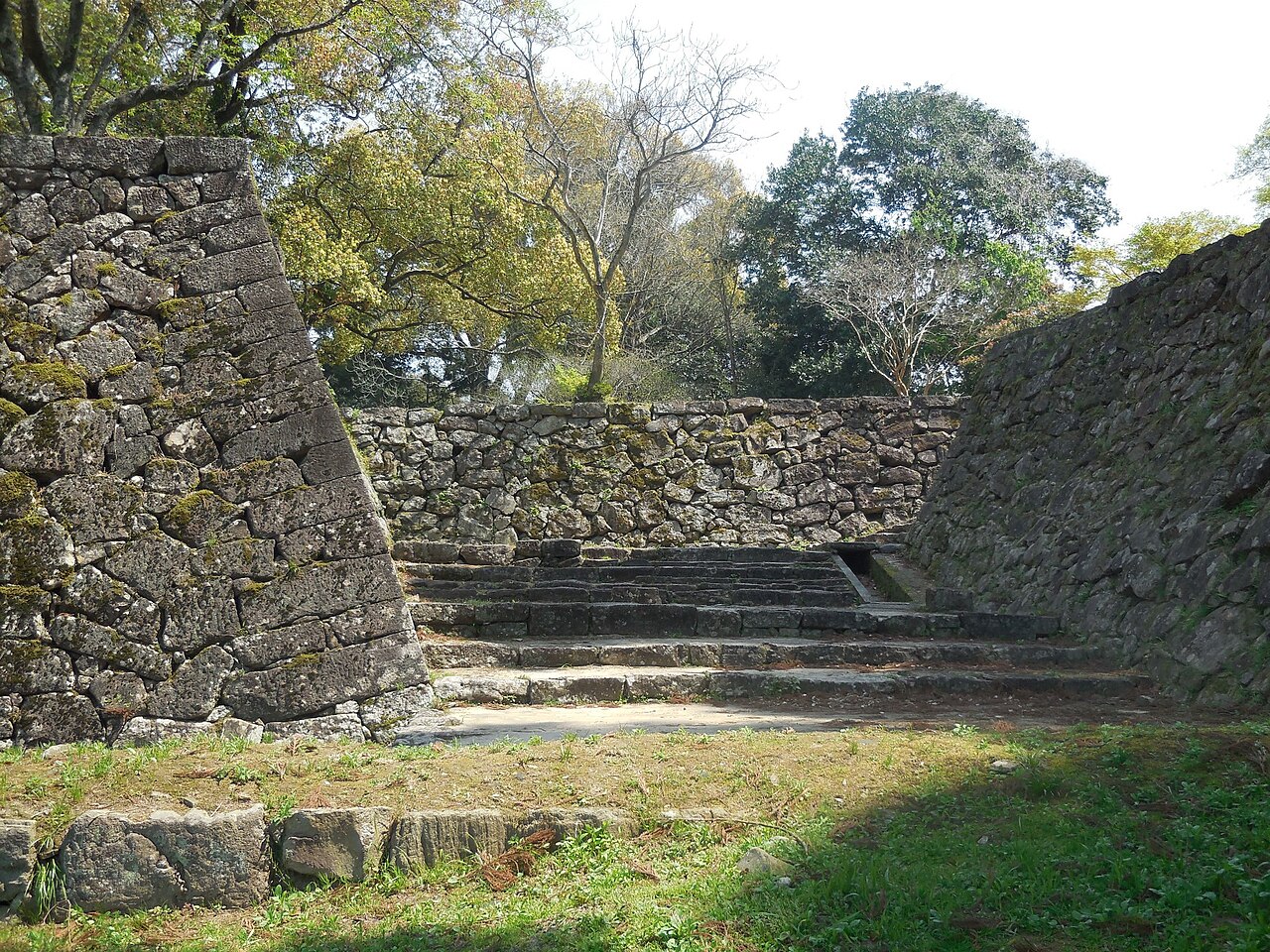
The castle's stone foundations and earthen walls were typical of the late medieval Japanese fortifications, designed to withstand attacks and provide vantage points for archers and soldiers. Although much of the original wooden structures have not survived, archaeological remains and historical records provide insights into its original grandeur.

Defensive elements

The castle featured multiple baileys (courtyards) separated by moats and gates, creating layered defenses against invaders. The steep hillside location itself acted as a natural barrier, reducing the vulnerability to siege engines and infantry assaults. The layout allowed defenders to monitor and control access routes effectively.

Cultural and regional importance

Aya Castle holds cultural significance as a symbol of the region's feudal past and the samurai heritage of Miyazaki Prefecture. It is a site of local pride and historical education, with efforts made to preserve and study the castle ruins. The castle's remains are a valuable resource for understanding medieval Japanese military architecture and regional history.

Today, the site attracts visitors interested in Japanese history, castle architecture, and the scenic beauty of the surrounding landscape. The castle ruins are accessible to the public, offering walking trails and informational displays that highlight its historical context.

Preservation and current condition

Aya Castle is currently classified as ruins, with only foundations and earthworks remaining visible. Preservation efforts focus on maintaining the site as an archaeological and cultural landmark. The surrounding area has been developed into a park that respects the historical layout and natural environment of the original castle grounds.

While the original wooden buildings no longer stand, the site provides valuable insight into the castle's structure and the defensive strategies employed during the late medieval period in Japan.

Frequently asked questions (FAQ)

How do I get to Aya Castle?
Aya Castle is located in Aya, Japan, and can be reached by taking a train to the nearest station, followed by a short bus or taxi ride. It is well-signposted, and local transportation is readily available. For those driving, ample parking is provided at the castle.
What is the historical significance of Aya Castle?
Aya Castle, built in the 16th century, served as a strategic stronghold during the feudal period. It played a crucial role in regional conflicts and was a symbol of power for the local samurai. Today, it stands as a testament to Japan's rich history and architectural heritage.
When was Aya Castle built?
Aya Castle was constructed in the late 1500s, specifically around 1580, during the tumultuous Sengoku period. Its architectural design reflects the military needs of the time, showcasing defensive features that were typical of Japanese castles. The castle's history is intertwined with the rise and fall of various feudal lords in the region.
Can I visit Aya Castle year-round?
Yes, Aya Castle is open to visitors throughout the year, though specific events and activities may vary by season. It's advisable to check the castle's official website or local tourism resources for any seasonal closures or special events. Each season offers a unique experience, from cherry blossoms in spring to colorful foliage in autumn.
Why is Aya Castle considered an architectural marvel?
Aya Castle features traditional Japanese castle architecture, characterized by its wooden structures and intricate designs. The castle's layout includes defensive walls and moats, showcasing the ingenuity of its builders. Visitors can appreciate both the aesthetic beauty and historical significance of its construction.
Is it possible to explore the interior of Aya Castle?
Yes, visitors can explore certain areas of the castle, including the main keep and surrounding grounds. Guided tours are available, providing insights into the castle's history and architecture. However, some areas may have restricted access for preservation purposes.
What are the opening hours for Aya Castle?
Aya Castle typically opens at 9:00 AM and closes at 5:00 PM, with extended hours during peak tourist seasons. It is recommended to check for any changes in hours during holidays or special events. Arriving early can give you the chance to enjoy a quieter experience.
What are the ticket prices for visiting Aya Castle?
Tickets for Aya Castle are reasonably priced, with discounts available for students and seniors. Children under a certain age may enter for free, making it an affordable destination for families. Be sure to check the castle's official site for the most up-to-date pricing information.
What are some nearby attractions to Aya Castle?
Nearby attractions include the beautiful Aya River, where visitors can enjoy scenic walks and boat rides. Additionally, several temples and shrines are within a short distance, offering further insights into the region's culture and history. The surrounding area also features local shops and restaurants for a complete experience.

Photo gallery

Aya Castle
Click to view

Photo by ja:User:Sanjo•CC BY-SA 3.0

1 photo • Click any image to view in full screen

Information

Hill Castle

Loading map...

Visitor reviews

No reviews yet. Been here? Write the first review and help other travelers!

Write the first review

Visited this castle? Share your experience

Your review helps other travelers and adds first-hand knowledge to our encyclopedia.
Write a review

(5/5)

0/2000 characters

Your review will be visible after admin approval

Nearby castles

17.2 km
Sadowara Castle — Japan castle

Sadowara Castle

Miyazaki, Japan

Sadowara Castle (佐土原城, Sadowara-jō), also known historically as Tsurumatsu Castle (鶴松城, Tsurumatsu-jō) and later Shōkaku Castle (松鶴城, Shōkaku-jō), is a significant hill castle located in the Sadowara neighborhood of Miyazaki city, within Miyazaki Prefecture on the island of Kyushu, Japan. This castle is notable for its strategic position and historical importance during Japan's late medieval period, particularly throughout the Sengoku period (1467–1615), a time marked by intense military conflict and political upheaval. Historical significance and clan ownership Constructed in the 14th century, Sadowara Castle served as a formidable stronghold for the Itō clan, a powerful samurai family that controlled parts of Hyūga Province (present-day Miyazaki Prefecture). The castle's location on a hill provided a commanding view over the surrounding terrain, making it a critical defensive site during the frequent conflicts of the era. Later, control of the castle passed to the Shimazu clan, one of the most influential samurai families in southern Japan. The Shimazu were known for their military prowess and extensive domain across Kyushu. Shimazu Toyohisa, a notable warrior of the clan, was appointed commander of the castle, underscoring its importance within the clan's defensive network. Role during the edo period and sadowara domain With the establishment of the Edo period under the Tokugawa shogunate in the early 17th century, Sadowara Castle became the administrative center of the Sadowara Domain. This domain governed a portion of Hyūga Province from 1603 until the abolition of the feudal system in 1871. The castle complex was adapted to serve both military and governmental functions, reflecting the relative peace and stability of the Edo era. During this time, the castle likely underwent renovations to accommodate the changing needs of its occupants, including the construction of residential quarters, administrative offices, and defensive enhancements suited to the period's military technology. Architectural features and castle layout Sadowara Castle exemplifies the characteristics of a Japanese hill castle (yamajiro), utilizing the natural topography for defense. The castle's design incorporated multiple baileys (kuruwa) arranged on terraced hillsides, connected by gates and stone walls. These terraces provided layered defense lines, making direct assaults difficult. The castle's fortifications included stone walls (ishigaki), earthworks, and wooden palisades. The main enclosure (honmaru) housed the lord's residence and key administrative buildings. Although the castle did not feature a large tenshu (main keep) like some contemporaries, its defensive strategy relied heavily on the natural terrain and well-planned fortifications. Decline, preservation, and cultural importance Following the Meiji Restoration and the subsequent abolition of feudal domains in 1871, Sadowara Castle was dismantled as part of the government's efforts to modernize Japan and reduce the power of the samurai class. Much of the original structure was lost, leaving behind ruins that highlight the castle's historical footprint. In recognition of its cultural and historical value, the castle site was designated a National Historic Site in 2004. Today, visitors can explore the remains of the stone walls, earthworks, and terraces, which provide insight into Japanese castle architecture and the military history of Kyushu. The site also serves as a place for education and cultural events, preserving the legacy of the Itō and Shimazu clans and their role in shaping the region's history. Visiting sadowara castle today While Sadowara Castle stands mostly in ruins, the site offers a scenic and historically rich experience for visitors interested in Japan's feudal past. The castle grounds are accessible year-round, featuring walking trails that follow the original layout of the castle's defensive terraces and baileys. Interpretive signage and local guides provide context about the castle's construction, strategic importance, and the lives of those who lived there. The surrounding area of Miyazaki also offers additional cultural attractions, making a visit to Sadowara Castle a valuable part of exploring Kyushu's heritage.

Late Medieval (14th–15th c.)
Details
42.7 km
Obi Castle — Japan castle

Obi Castle

Nichinan, Japan

Obi Castle stands as a significant hill castle in Nichinan, Japan, with origins tracing back to the Nanboku-cho Period when the Tsuchimochi clan first established a fortification on the site. Although its earliest foundations date to this era, the castle's prominence in historical records begins in the mid-15th century, reflecting the turbulent feudal conflicts of the time. Historical background and strategic importance The castle's strategic location made it a critical stronghold in the power struggles between the Shimazu and Ito clans. The Shimazu fortified Obi Castle to block the expansion of the Ito clan into the region, turning it into a focal point of military conflict. The Ito clan managed to capture Obi Castle once in 1567, but the Shimazu recaptured it in 1572. The castle remained under Shimazu control until the Kyushu campaigns led by Toyotomi Hideyoshi in 1587. Following Hideyoshi's victory, the loyal Ito clan was awarded Obi Castle, marking the beginning of their long rule and the development of the surrounding castle town. Architectural evolution and development In 1686, Ito Sukezane, a prominent lord of the Ito clan, initiated a comprehensive renovation of Obi Castle. This overhaul aimed to strengthen the castle against the frequent earthquakes in the region and to modernize its defenses and living quarters. The reconstruction reflected the architectural advancements of the period, emphasizing both resilience and functionality. The castle's design incorporated robust stone walls, fortified gates, and a series of baileys that enhanced its defensive capabilities. Castle town and cultural heritage Alongside the castle's physical expansion, the Ito clan fostered the growth of a vibrant castle town that flourished during the Edo Period. Obi became renowned for its well-preserved samurai residences, temples, warehouses, and museums, earning it the nickname of one of Japan's "little Kyotos." Visitors to Obi today can explore these historical structures, gaining insight into the lifestyle and culture of the Edo Period samurai class. Current condition and visitor experience Today, Obi Castle remains partially preserved, offering visitors a glimpse into its storied past through its surviving walls, gates, and reconstructed buildings. The castle and its surrounding historic district provide an immersive experience enriched by traditional architecture and cultural landmarks. The preservation efforts have maintained the castle's historical ambiance, making it a valuable cultural asset in the Miyazaki Prefecture. Significance in japanese castle architecture Obi Castle exemplifies the evolution of Japanese castle architecture from the Nanboku-cho through the Edo Period. Its transformation under the Ito clan illustrates the adaptation of fortifications to both military and environmental challenges, particularly earthquake resistance. The castle's layout, featuring multiple baileys and stone fortifications, reflects typical hill castle design principles intended to maximize natural terrain advantages. Exploring obi and its surroundings The Obi area is celebrated not only for its castle but also for its rich cultural landscape, including traditional samurai homes and historic temples. The preservation of these sites alongside Obi Castle creates a cohesive historical environment that attracts scholars, tourists, and cultural enthusiasts alike. This blend of military history and cultural heritage makes Obi a unique destination for those interested in Japan's feudal era.

Details
51 km
Hitoyoshi Castle — Japan castle

Hitoyoshi Castle

Hitoyoshi, Japan

Hitoyoshi Castle stands as a significant example of a hill castle in Hitoyoshi, Kumamoto Prefecture, Japan, with origins tracing back to the late 12th century. Founded in 1198 by Sagara Nagayori, it became the ancestral seat of the Sagara clan for an impressive span of 35 generations. This castle's history is deeply intertwined with the political and military developments of the High Medieval period in Japan, particularly during the turbulent Sengoku period.The founding and early historyThe establishment of Hitoyoshi Castle in 1198 marked the beginning of the Sagara clan's rise in the region. The original fortifications were likely modest, characteristic of early hilltop castles designed primarily for defense and local governance. While detailed architectural records from this period are scarce, the castle's strategic location on elevated terrain provided natural advantages for surveillance and defense.By the 15th century, during the Sengoku period, the castle had evolved into a more complex fortification. The first documented evidence of a Sengoku era castle at Hitoyoshi dates to 1470, under the lordship of Sagara Tametsugu. This period was marked by widespread conflict and the need for strongholds that could withstand sieges and support military campaigns.Major renovations and architectural featuresA significant phase of construction began in 1589 under Sagara Nagatsune, who initiated large-scale renovations to modernize and expand the castle's defenses and facilities. These efforts culminated in the completion of the main baileys and key structures by 1601. The castle's stone walls, an essential feature for fortification, were finalized by 1644, reflecting advancements in castle-building techniques and the increasing importance of stonework in Japanese castles.One of the most distinctive features of Hitoyoshi Castle is its innovative use of the Kumagawa River as a natural outer moat. This integration of the river not only enhanced the castle's defensive capabilities but also facilitated trade and transportation. The castle complex included several boat landings, which allowed for increased water traffic and economic activity, highlighting the dual military and commercial functions of the site.Castle layout and structuresThe castle originally comprised multiple baileys (courtyards), defensive walls, gates, and watchtowers (yagura). The baileys served as administrative and residential areas, while the yagura provided vantage points for surveillance and defense. The stone walls, constructed with skilled masonry, were designed to resist attacks and control access to the inner areas.Decline and preservation effortsFollowing the Meiji Restoration, the castle was dismantled in 1872 as part of the nationwide movement to abolish feudal fortifications. Today, only the stone walls remain largely intact, offering valuable insight into the castle's original scale and defensive design. However, recent reconstruction efforts have successfully rebuilt two yagura and a gate, allowing visitors to better visualize the castle's historical appearance and architectural style.These preservation projects have been crucial in maintaining Hitoyoshi Castle's cultural heritage and promoting it as a site of historical tourism. The castle ruins, combined with the reconstructed structures, provide a compelling experience for castle enthusiasts and historians alike.Visiting Hitoyoshi CastleToday, Hitoyoshi Castle is recognized for its extensive ruins and the harmonious blend of natural and man-made defensive features. Visitors can explore the remaining stone walls, reconstructed yagura, and gate, while enjoying views of the surrounding landscape and the Kumagawa River. The site offers a tangible connection to Japan's feudal past and the architectural ingenuity of its castle builders.Hitoyoshi Castle is an excellent destination for those interested in Japanese medieval architecture, clan history, and the strategic use of natural geography in castle construction. Its partial preservation allows for educational and cultural engagement, making it a valuable asset to the region's historical narrative.

High Medieval (11th–13th c.)
Details