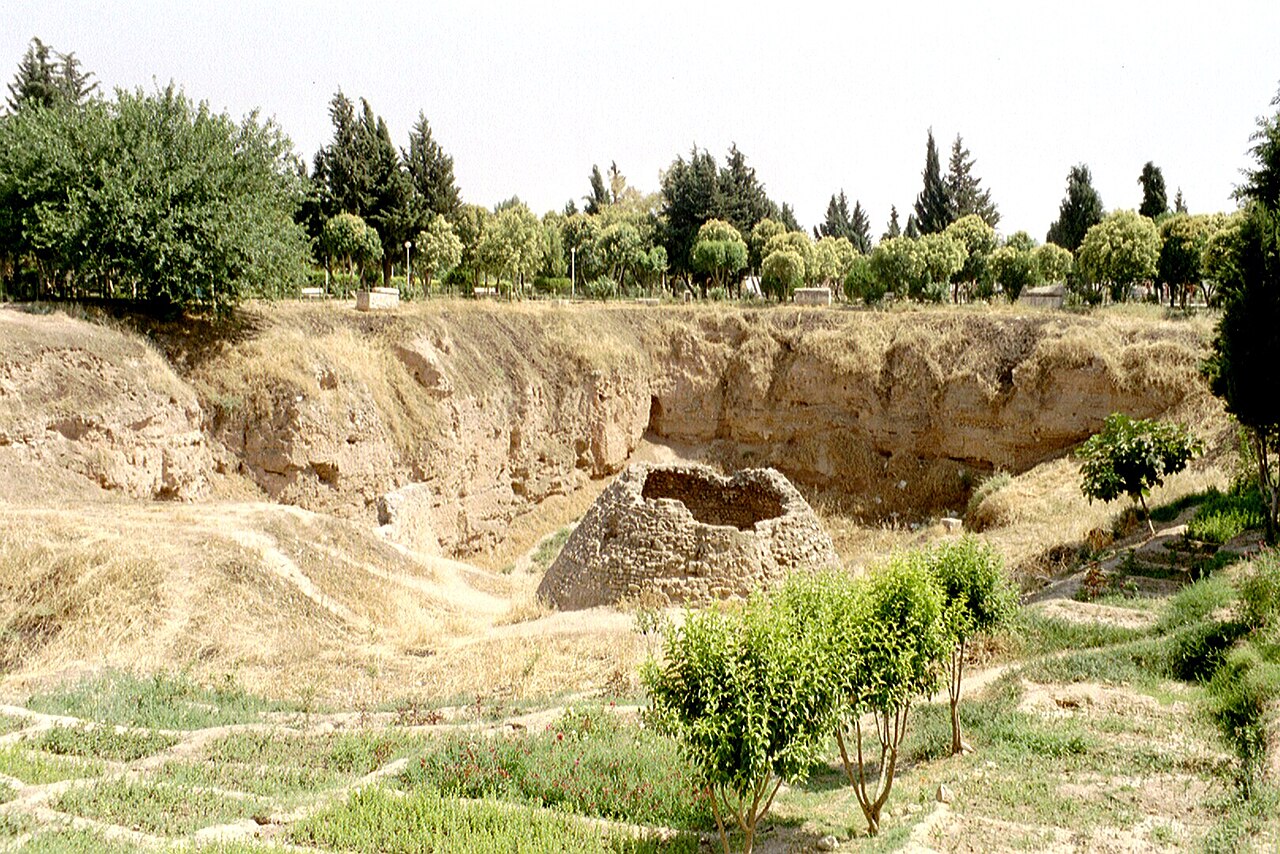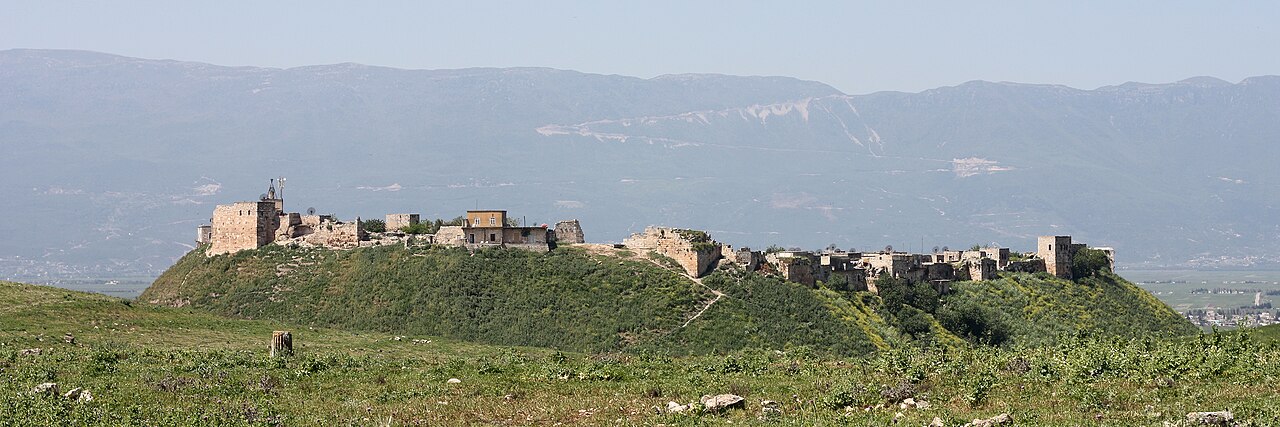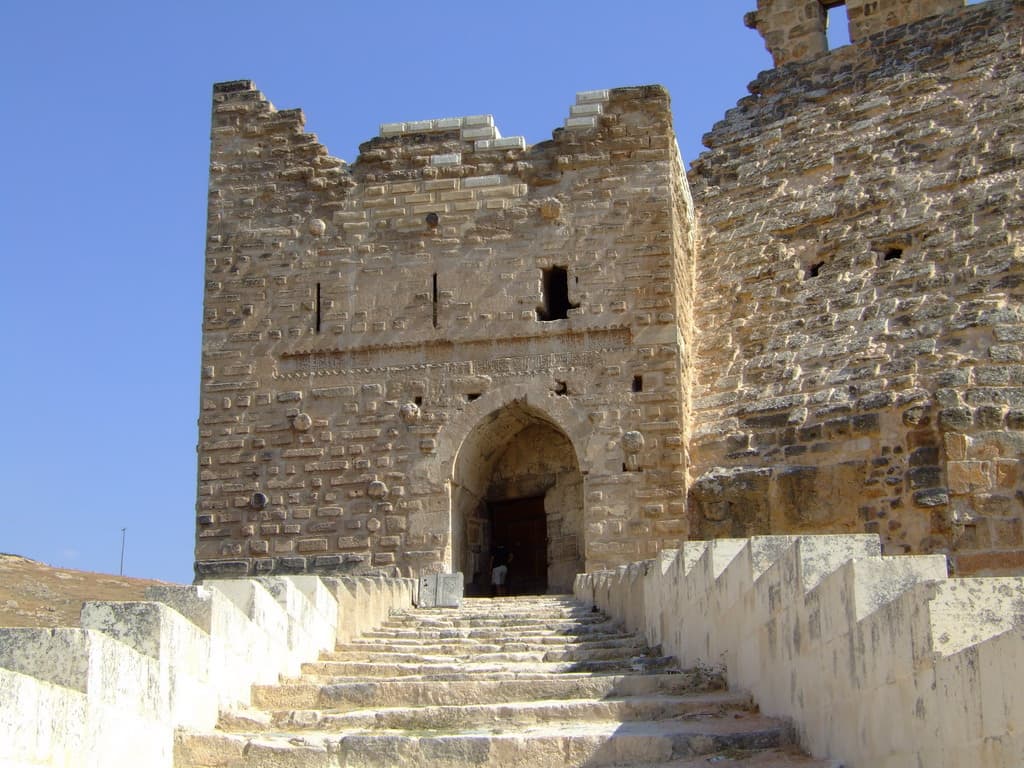
Shayzar Castle — Syria castle

Shayzar Castle

Shayzar Castle: historic hilltop fortress in Hama, Syria
Shaizar, Syria
Early Medieval (5th–10th c.)
Partially Preserved

Shayzar Castle (Arabic: قلعة شيزر) is a prominent hill castle located in the town of Shaizar within the Hama Governorate of northwestern Syria. Perched atop a strategic hill overlooking the Orontes River, the castle has played a significant role in the military and political history of the region since antiquity.

Historical background and significance

The site of Shayzar Castle has been occupied since ancient times, with evidence of fortifications dating back to the Roman and Byzantine periods. The castle gained particular prominence during the Early Islamic era and the Crusades in the 11th and 12th centuries. It was a key defensive stronghold controlling the Orontes valley, a vital corridor for trade and military movements between Syria and the Mediterranean coast.

Throughout the medieval period, Shayzar Castle was contested by various powers including the Byzantine Empire, Seljuk Turks, Crusader states, and later the Ayyubid dynasty under Salah ad-Din (Saladin). The castle's strategic location made it a focal point in the conflicts between Crusaders and Muslim forces.

Architectural features and layout

Shayzar Castle is an example of a hill castle adapted to the rugged terrain of the Orontes valley. The fortress is built on a rocky outcrop, with natural cliffs providing formidable defensive barriers on several sides. The castle's walls are constructed from local stone, featuring thick curtain walls reinforced by towers at key points.

The castle complex includes multiple defensive layers such as a gatehouse, battlements, and watchtowers that allowed defenders to monitor the surrounding landscape and repel attackers. Inside the walls, there were residential quarters, storage facilities, and cisterns to collect rainwater, ensuring the castle could withstand prolonged sieges.

Defensive structures

The castle's design emphasizes defense with features like arrow slits and machicolations—openings in the parapets through which defenders could drop projectiles on enemies below. The main entrance was heavily fortified, often protected by a barbican and a drawbridge, enhancing security against frontal assaults.

Internal buildings and facilities

Within the castle walls, the remains of a keep or donjon can be identified, serving as the last line of defense and residence for the lord or commander. Other buildings included a chapel and various service buildings necessary for daily life and military readiness.

Later history and current condition

Shayzar Castle suffered damage over centuries of warfare and natural decay but retains significant ruins that illustrate its former strength and complexity. The castle is currently classified as partially preserved, with ongoing archaeological work aimed at uncovering more details about its construction phases and historical usage.

Today, Shayzar Castle stands as an important cultural and historical monument in Syria, attracting scholars and visitors interested in medieval military architecture and the region's turbulent history.

Visiting Shayzar Castle

Visitors to Shayzar Castle can explore the extensive ruins and enjoy panoramic views of the Orontes River valley. The site offers insight into medieval fortification techniques and the strategic importance of the location. Due to its hilltop position, access involves some climbing, but the effort rewards with a compelling glimpse into Syria's past.

Accessibility and tourism

While the castle is accessible to tourists, facilities are limited, and visitors should prepare for uneven terrain. Guided tours may be available locally, providing historical context and detailed explanations of the castle's features.

Nearby attractions

Shaizar town itself has archaeological sites and historical landmarks worth visiting, including remnants of ancient settlements and traditional Syrian architecture. The broader Hama region also offers cultural experiences and natural scenery along the Orontes River.

Frequently asked questions (FAQ)

What is the historical significance of Shayzar Castle?
Shayzar Castle, located in the Syrian Arab Republic, is a remarkable example of medieval military architecture. Originally built in the 10th century, it played a crucial role in the defense against Crusader invasions and served as a strategic stronghold for various dynasties over the centuries.
When was Shayzar Castle built?
Shayzar Castle was constructed in the 10th century, during the time of the Hamdanid dynasty. Its strategic location and robust design made it an important military site throughout the Middle Ages.
Can I visit Shayzar Castle?
Yes, visitors can explore Shayzar Castle and its historic grounds. It is advisable to check local guidelines and any travel restrictions before planning your visit.
What are the opening hours for Shayzar Castle?
Shayzar Castle is typically open to visitors from early morning to late afternoon. However, hours may vary depending on the season and local conditions, so it’s best to verify before your visit.
Is it possible to access Shayzar Castle for people with disabilities?
Access to Shayzar Castle may be challenging for individuals with mobility issues due to its rugged terrain and uneven surfaces. It is recommended to contact local authorities for information on accessibility options prior to visiting.
When is the best time to visit Shayzar Castle?
The best time to visit Shayzar Castle is during the spring and fall months when the weather is mild. This allows visitors to enjoy the beautiful surroundings and explore the castle comfortably.
What are some nearby attractions to Shayzar Castle?
Nearby attractions include the ancient city of Apamea and the picturesque town of Masyaf, which are both rich in history and culture. These sites can enhance your visit and provide a deeper understanding of the region’s historical significance.
How much are the ticket prices for Shayzar Castle?
Ticket prices for Shayzar Castle are generally affordable, catering to both local and international visitors. It is advisable to check current rates, as they may vary based on the season or special events.

Photo gallery

Shayzar Castle
Click to view

Photo by The original uploader was LorisRomito at Italian Wikipedia.•CC BY-SA 3.0

1 photo • Click any image to view in full screen

Information

Hill Castle

Loading map...

Visitor reviews

No reviews yet. Been here? Write the first review and help other travelers!

Write the first review

Visited this castle? Share your experience

Your review helps other travelers and adds first-hand knowledge to our encyclopedia.
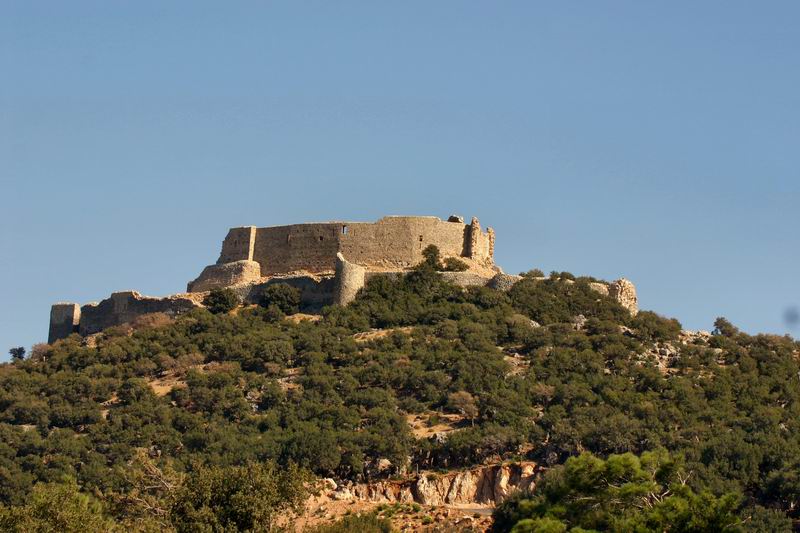
Write a review

(5/5)

0/2000 characters

Your review will be visible after admin approval

Nearby castles

21.7 km
Abu Qubays — Syria castle

Abu Qubays

, Syria

Abu Qubays, also known as Qartal, is a medieval castle ruin situated in northwestern Syria within the Hama Governorate. Located in the fertile al-Ghab plain west of the Orontes River, the site occupies a strategic position that historically controlled important routes in the region. Today, Abu Qubays is also the name of the nearby inhabited village, which had a population of 758 according to the 2004 census, predominantly composed of Alawite residents.Historical background and strategic significanceThe castle of Abu Qubays dates back to the medieval period, although precise construction dates remain uncertain due to limited archaeological excavation and historical documentation. The fortress was part of a network of fortifications in the region that played a role during the Crusades and various Islamic dynasties that controlled Syria. Its location in the al-Ghab plain, a rich agricultural area, and proximity to the Orontes River made it a valuable military and administrative site.Throughout its history, Abu Qubays functioned as a defensive stronghold guarding the approaches to the interior of Syria from the west. The castle's position allowed control over caravan and military routes, contributing to regional security and influence.Architectural features and layoutAs a medieval fortress, Abu Qubays was constructed primarily from local stone materials typical of Syrian castle architecture. Although today it lies in a state of ruins, remnants of defensive walls, towers, and gate structures can still be identified.The castle likely featured a typical hill castle design adapted to the local topography, though it is currently classified as archaeological ruins due to the extensive damage and degradation over centuries. Defensive elements would have included thick curtain walls, battlements, and possibly a central keep or donjon, although clear evidence of these is limited.Defensive structuresRuins indicate the presence of towers that would have provided vantage points for surveillance and defense. The walls were designed to withstand siege warfare common in the medieval Levant, with strategic embrasures and arrow slits.Internal spacesInside the castle, there would have been courtyards and chambers serving military and administrative functions. The layout would have accommodated garrison troops, storage facilities, and possibly residential quarters for commanders.Current condition and archaeological statusToday, Abu Qubays stands as a ruined archaeological site. The castle has suffered from natural decay and human impact over centuries, leaving only fragments of its original structure visible. Despite its ruined state, the site remains important for understanding medieval fortifications in Syria and the broader Levant region.The adjacent village of Abu Qubays preserves the name and some cultural continuity, with inhabitants primarily from the Alawite community. The area around the ruins has not been extensively developed for tourism, and access may be limited due to the region's complex political situation.Geographical context and surrounding localitiesAbu Qubays is located northwest of the city of Hama, in an agricultural plain that has historically supported local populations through farming and trade. Nearby localities include Daliyah to the west, al-Laqbah to the south, Deir Shamil to the southeast, Tell Salhab to the northeast, and Nahr al-Bared further northeast.The castle's placement within this network of villages reflects its role in regional defense and administration during the medieval period.Significance for heritage and studyAlthough Abu Qubays is less well-known than other Syrian castles, it contributes valuable insight into the military architecture and historical dynamics of the medieval Levant. Its ruins offer a tangible connection to the complex history of fortification, conquest, and settlement in northwestern Syria.Further archaeological work could reveal more about its construction phases, usage, and the daily life of its occupants. Preservation efforts would help protect this cultural asset amid ongoing challenges in the region.

High Medieval (11th–13th c.)
Details
22.1 km
Hama Castle — Syria castle

Hama Castle

, Syria

Hama Castle is an ancient fortress located in Hama, Syria, prominently situated on a large earthen mound, or tell, on the western bank of the Orontes River. This strategic position has made the site a focal point of military and administrative control for millennia. The castle's origins trace back to the Seleucid period when the city was known as Epiphania, marking the earliest recorded fortress construction on this elevated site. The initial stronghold served the Seleucid Empire's strategic and administrative needs, guarding important regional routes and river access. Early history and strategic importance Following the Seleucid era, Hama Castle came under Roman control, maintaining its significance as a fortified site during Roman rule. The fortress witnessed a pivotal moment early in the Islamic expansion when Abu Ubaidah ibn al-Jarrah captured it around 18 AH (approximately 639 CE), underscoring its importance during the Muslim conquests. Over the centuries, the castle's control shifted among various powers, including the Qarmatians in 291 AH (904–905 CE), the Mirdasid dynasty, Seljuks, Zengids, and ultimately the Ayyubids. Each ruling entity left architectural and cultural imprints on the fortress, adapting it to evolving military technologies and regional threats. Medieval reconstruction and military role In 1157, a devastating earthquake severely damaged the castle, necessitating extensive rebuilding. The Zengid leader Nur ad-Din Zangi spearheaded significant restoration efforts, enhancing the fortress’s defensive capabilities to meet contemporary military challenges. Later, after the Mongol destruction of 1258, the Mamluk Sultan Baibars undertook further repairs, reaffirming the castle’s strategic role during the medieval period. These successive reconstructions highlight the castle's enduring military value across centuries of conflict in the region. Decline and archaeological rediscovery The castle’s military importance waned following the 1401 order by Timur to demolish the fortress after securing the city, leaving it largely in ruins. Under Ottoman administration, the fortress gradually fell into decay, marking the end of its active military function. In the 20th century, archaeological research led by a Danish team under Harold Ingholt between 1931 and 1938 confirmed the site's continuous occupation, uncovering layers that span from the 5th millennium BCE through the Mamluk era. This research enriched understanding of the castle’s complex historical narrative and its role in regional history. Architectural features and archaeological remains Today, the most visible remnants of Hama Castle include a substantial stone retaining wall, or revetment, encircling the earthen mound that once supported the fortress. This wall demonstrates how the castle’s builders adapted their fortifications to the natural elevation of the tell, creating a fortified base for the structures above. Portions of these stone walls remain intact, offering insights into the castle’s defensive layout and construction techniques. Notable artifacts and decorative elements Excavations at the site uncovered a basalt stone altar, indicating ceremonial or religious practices during some phase of the castle’s occupation. Additionally, a staircase lined with stone lions was found, suggesting decorative efforts that symbolized protection and power, enhancing the fortress's imposing presence. The discovery of various pottery vessels and jewelry pieces throughout the stratified layers reflects the diverse cultural influences and inhabitants that occupied the castle over millennia. Comparative architectural significance Historical accounts have drawn comparisons between the overall design of Hama Castle and that of the Aleppo Castle, implying similarities in layout and architectural style within Syrian military architecture traditions. While detailed plans or dimensions of Hama Castle have not survived, this association situates it within a broader context of medieval fortress construction in the region. Present-day status and cultural heritage The top of the tell is currently covered with trees and serves as a public park, preserving the archaeological remains beneath a landscaped setting. This green space balances recreational use with the conservation of cultural heritage, allowing visitors to experience the historical significance of the site in a natural environment. The preservation of the castle’s remnants provides valuable opportunities for ongoing archaeological study and public education about Syria’s rich historical legacy.

Details
23.2 km
Qalaat al-Madiq — Syria castle

Qalaat al-Madiq

, Syria

Qalaat al-Madiq, also known as Kal'at al-Mudik or Qal'at al-Mudiq, and historically referred to as Afamiyya or Famiyyah, is a significant medieval fortress located in northwestern Syria within the Hama Governorate. Positioned on the eastern bank of the Orontes River in the fertile al-Ghab plain, the fortress overlooks the extensive ruins of the ancient city of Apamea, a major Hellenistic and Roman urban center. The town of Qalaat al-Madiq, which shares its name with the fortress, serves as the administrative center of the local subdistrict and had a population of 12,925 according to the 2004 census. Historical context and strategic importance The site of Qalaat al-Madiq has a rich history dating back to antiquity, primarily due to its proximity to Apamea, founded in the 3rd century BCE by Seleucus I Nicator. The fortress itself was constructed during the 12th century under Muslim rule, a period marked by frequent conflicts between Crusader states and Muslim powers in the Levant. The fortress was strategically built to control the Orontes River valley and protect the approaches to the surrounding fertile plains. Throughout the medieval period, Qalaat al-Madiq played a key role as a military stronghold in the region, witnessing numerous sieges and battles. Its location allowed defenders to monitor and control trade routes and military movements, making it a valuable asset for whoever held it. Architectural features and fortress design Qalaat al-Madiq is classified as a bastioned fortress, a type of fortification characterized by angular bastions projecting from the curtain walls to allow defensive fire in multiple directions without blind spots. This design reflects the military architectural evolution of the period, incorporating features to withstand siege engines and early artillery. The fortress includes massive stone walls reinforced by bastions, which would have been equipped with battlements and defensive towers. The layout likely includes a gatehouse complex controlling access, inner courtyards, and residential quarters for the garrison and commanders. Although the fortress has undergone changes over centuries, many of its medieval structural elements remain visible. Relationship with the ancient city of Apamea Adjacent to the fortress lie the extensive ruins of Apamea, a city renowned for its grand colonnaded streets, Roman theaters, and monumental architecture. The fortress itself was built overlooking these ruins, utilizing the natural elevation and existing terrain to maximize defensive capabilities. The proximity of the fortress to Apamea highlights the continuity of strategic importance of this location from antiquity through the medieval period. Modern history and current status Qalaat al-Madiq remains inhabited by local townspeople, blending its historical legacy with contemporary life. The fortress and the town have been affected by recent conflicts in Syria. Notably, the Syrian Armed Forces recaptured the town from rebel groups during the May 2019 Hama offensive. Despite these challenges, the fortress stands as a notable example of medieval military architecture in the region. Today, Qalaat al-Madiq is recognized for its cultural and historical significance, attracting scholars and visitors interested in the layered history of the Levant. Preservation efforts have been limited due to ongoing regional instability, but the fortress and the nearby archaeological site of Apamea continue to be important for understanding the area's past. Geographical setting and local context The fortress is situated near several localities including al-Suqaylabiyah to the south, Bureij and Karnaz to the southeast, and Kafr Nabudah to the east. This positioning within the al-Ghab plain makes it a critical point for controlling agricultural lands and river access. The Orontes River itself has historically been a vital waterway for trade and military logistics. Demographics and administrative role Qalaat al-Madiq serves as the administrative center of its subdistrict, which includes 40 localities with a combined population of over 85,000 as of 2004. The town's inhabitants are predominantly Sunni Muslims, reflecting the demographic composition of the region. The fortress and town together form a community that integrates historical heritage with modern administrative functions.

Late Medieval (14th–15th c.)
Details