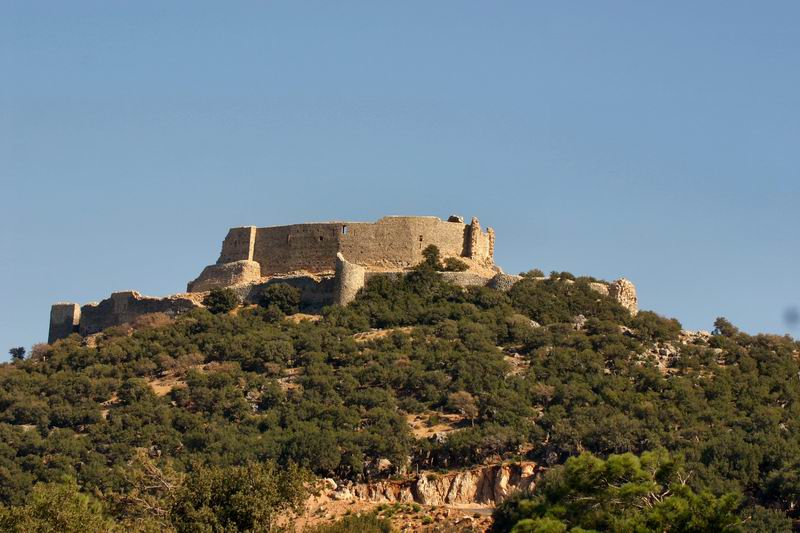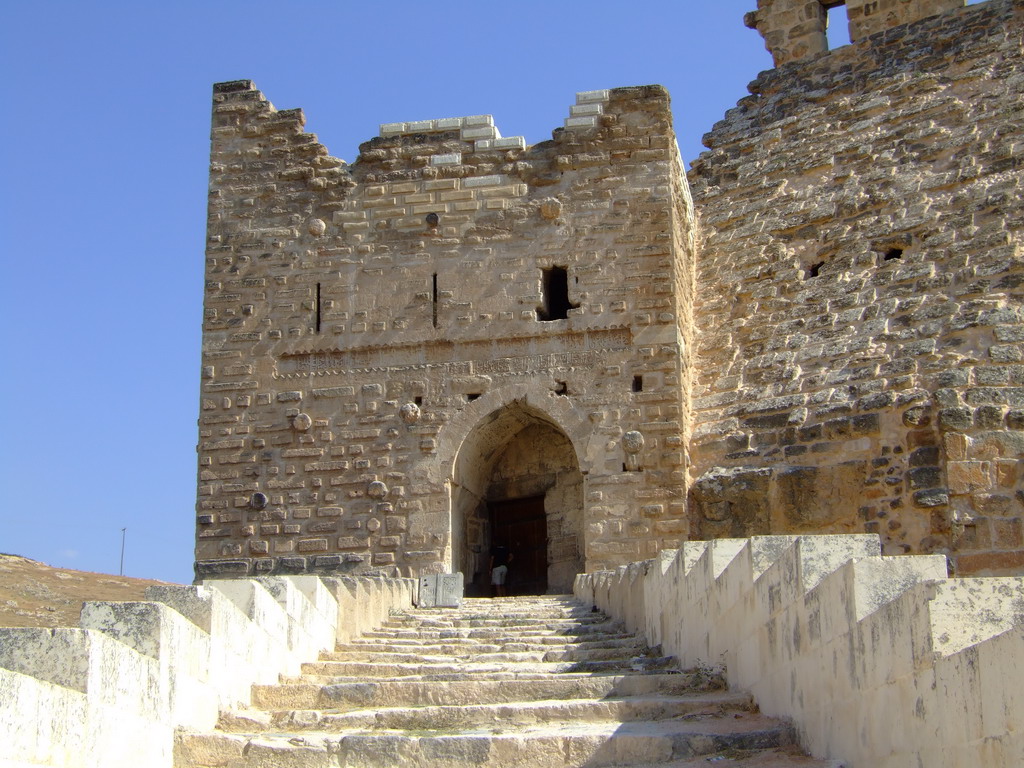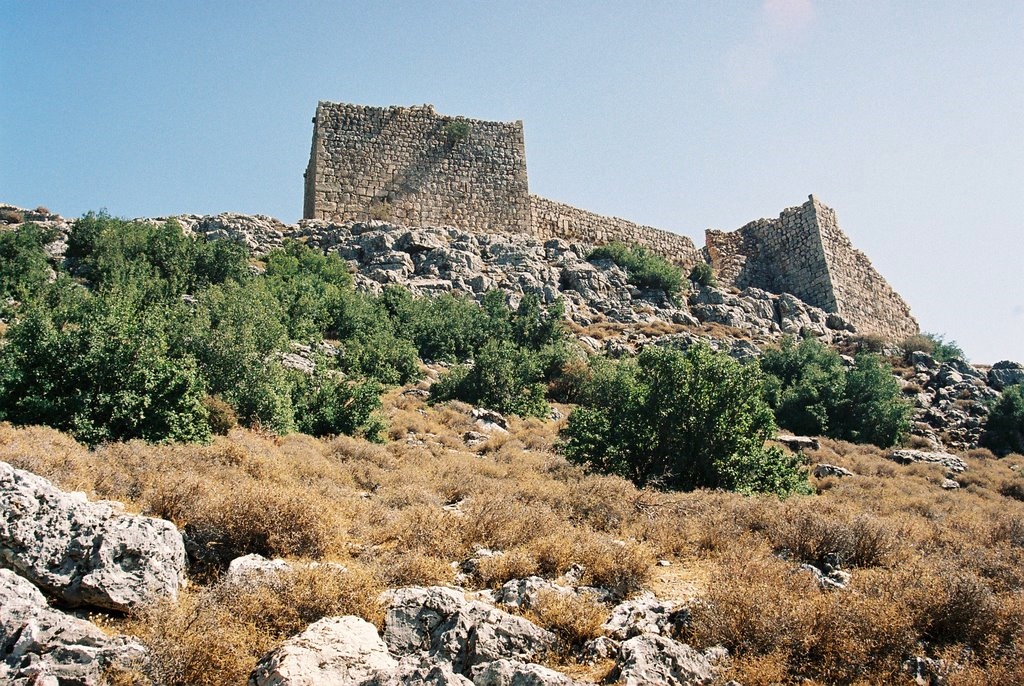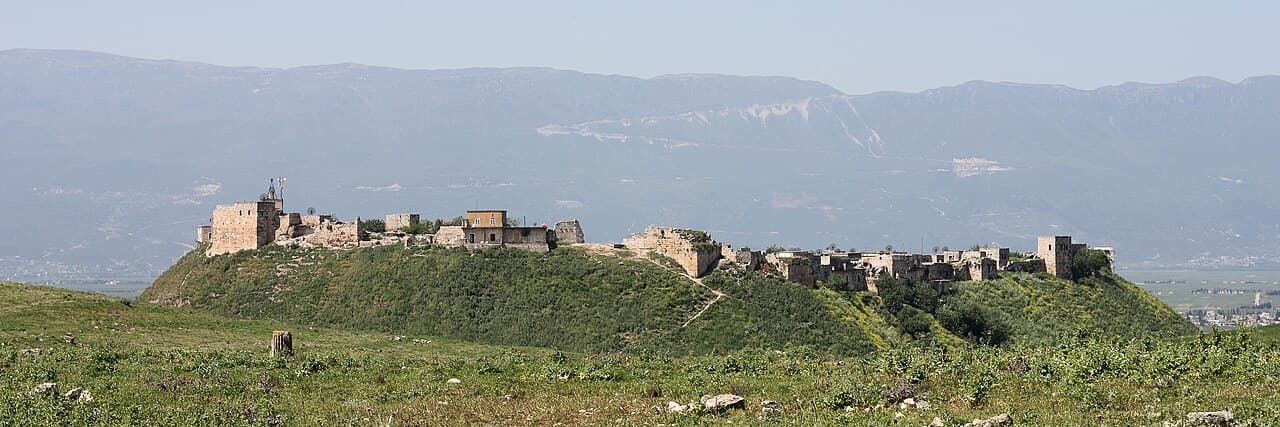
Qalaat al-Madiq, also known as Kal'at al-Mudik or Qal'at al-Mudiq, and historically referred to as Afamiyya or Famiyyah, is a significant medieval fortress located in northwestern Syria within the Hama Governorate. Positioned on the eastern bank of the Orontes River in the fertile al-Ghab plain, the fortress overlooks the extensive ruins of the ancient city of Apamea, a major Hellenistic and Roman urban center. The town of Qalaat al-Madiq, which shares its name with the fortress, serves as the administrative center of the local subdistrict and had a population of 12,925 according to the 2004 census.
Historical context and strategic importance
The site of Qalaat al-Madiq has a rich history dating back to antiquity, primarily due to its proximity to Apamea, founded in the 3rd century BCE by Seleucus I Nicator. The fortress itself was constructed during the 12th century under Muslim rule, a period marked by frequent conflicts between Crusader states and Muslim powers in the Levant. The fortress was strategically built to control the Orontes River valley and protect the approaches to the surrounding fertile plains.
Throughout the medieval period, Qalaat al-Madiq played a key role as a military stronghold in the region, witnessing numerous sieges and battles. Its location allowed defenders to monitor and control trade routes and military movements, making it a valuable asset for whoever held it.
Architectural features and fortress design
Qalaat al-Madiq is classified as a bastioned fortress, a type of fortification characterized by angular bastions projecting from the curtain walls to allow defensive fire in multiple directions without blind spots. This design reflects the military architectural evolution of the period, incorporating features to withstand siege engines and early artillery.
The fortress includes massive stone walls reinforced by bastions, which would have been equipped with battlements and defensive towers. The layout likely includes a gatehouse complex controlling access, inner courtyards, and residential quarters for the garrison and commanders. Although the fortress has undergone changes over centuries, many of its medieval structural elements remain visible.
Relationship with the ancient city of Apamea
Adjacent to the fortress lie the extensive ruins of Apamea, a city renowned for its grand colonnaded streets, Roman theaters, and monumental architecture. The fortress itself was built overlooking these ruins, utilizing the natural elevation and existing terrain to maximize defensive capabilities. The proximity of the fortress to Apamea highlights the continuity of strategic importance of this location from antiquity through the medieval period.
Modern history and current status
Qalaat al-Madiq remains inhabited by local townspeople, blending its historical legacy with contemporary life. The fortress and the town have been affected by recent conflicts in Syria. Notably, the Syrian Armed Forces recaptured the town from rebel groups during the May 2019 Hama offensive. Despite these challenges, the fortress stands as a notable example of medieval military architecture in the region.
Today, Qalaat al-Madiq is recognized for its cultural and historical significance, attracting scholars and visitors interested in the layered history of the Levant. Preservation efforts have been limited due to ongoing regional instability, but the fortress and the nearby archaeological site of Apamea continue to be important for understanding the area's past.
Geographical setting and local context
The fortress is situated near several localities including al-Suqaylabiyah to the south, Bureij and Karnaz to the southeast, and Kafr Nabudah to the east. This positioning within the al-Ghab plain makes it a critical point for controlling agricultural lands and river access. The Orontes River itself has historically been a vital waterway for trade and military logistics.
Demographics and administrative role
Qalaat al-Madiq serves as the administrative center of its subdistrict, which includes 40 localities with a combined population of over 85,000 as of 2004. The town's inhabitants are predominantly Sunni Muslims, reflecting the demographic composition of the region. The fortress and town together form a community that integrates historical heritage with modern administrative functions.
Frequently asked questions (FAQ)
- What is the historical significance of Qalaat al-Madiq?
- Qalaat al-Madiq is a medieval fortress built in the 12th century during Muslim rule, strategically located near the ancient city of Apamea. It served as a military stronghold controlling the Orontes River valley and surrounding plains.
- Can visitors explore the fortress and nearby archaeological sites?
- While the fortress is still inhabited and partially preserved, the adjacent ruins of Apamea are a notable archaeological site. Access may be limited due to regional security concerns, so visitors should check current conditions before planning a visit.
- Where is Qalaat al-Madiq located?
- Qalaat al-Madiq is located in northwestern Syria within the Hama Governorate, on the eastern bank of the Orontes River in the al-Ghab plain.
- What architectural features define Qalaat al-Madiq?
- The fortress is a bastioned fortress featuring massive stone walls and angular bastions designed for defense against sieges. It includes battlements, gatehouses, and inner courtyards typical of medieval military architecture.
- How has recent conflict affected Qalaat al-Madiq?
- The town and fortress were recaptured by Syrian Armed Forces during the May 2019 Hama offensive, reflecting ongoing regional instability. Preservation efforts have been challenged by these conflicts.
Photo gallery

Information
Loading map...
Visitor reviews
No reviews yet. Been here? Write the first review and help other travelers!
Write the first reviewVisited this castle? Share your experience
Your review helps other travelers and adds first-hand knowledge to our encyclopedia.