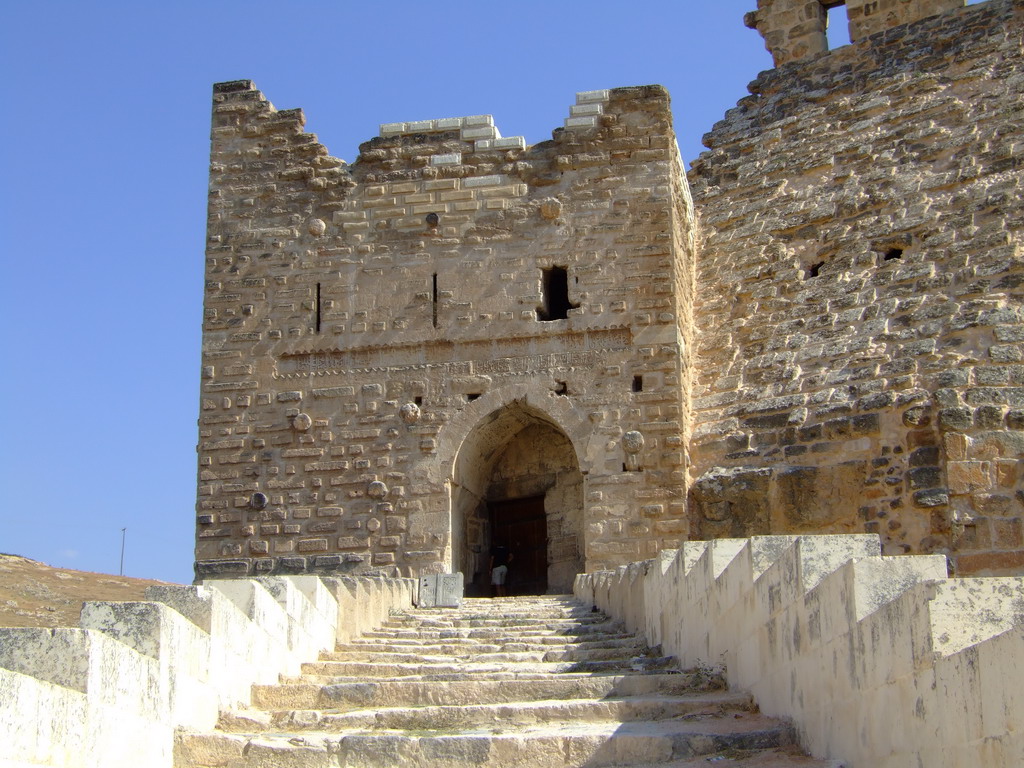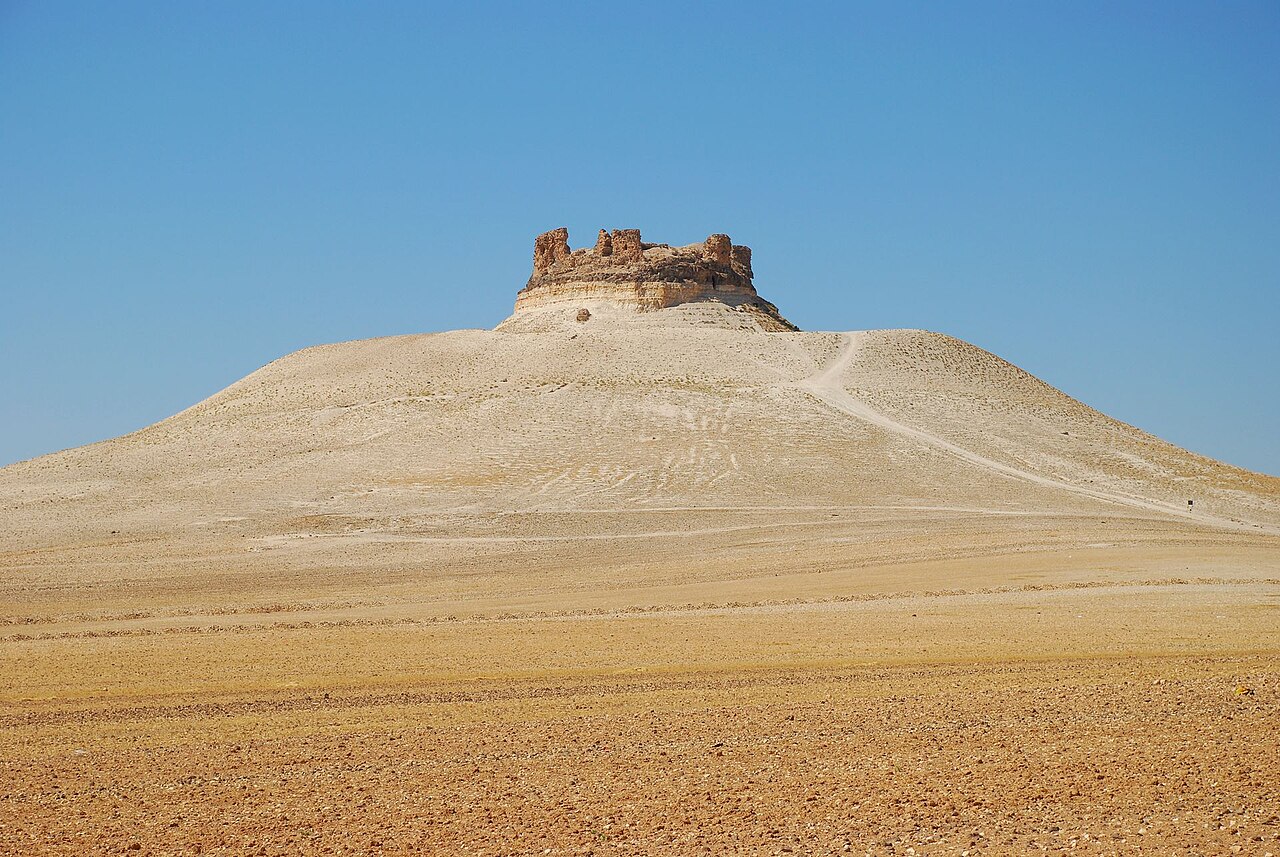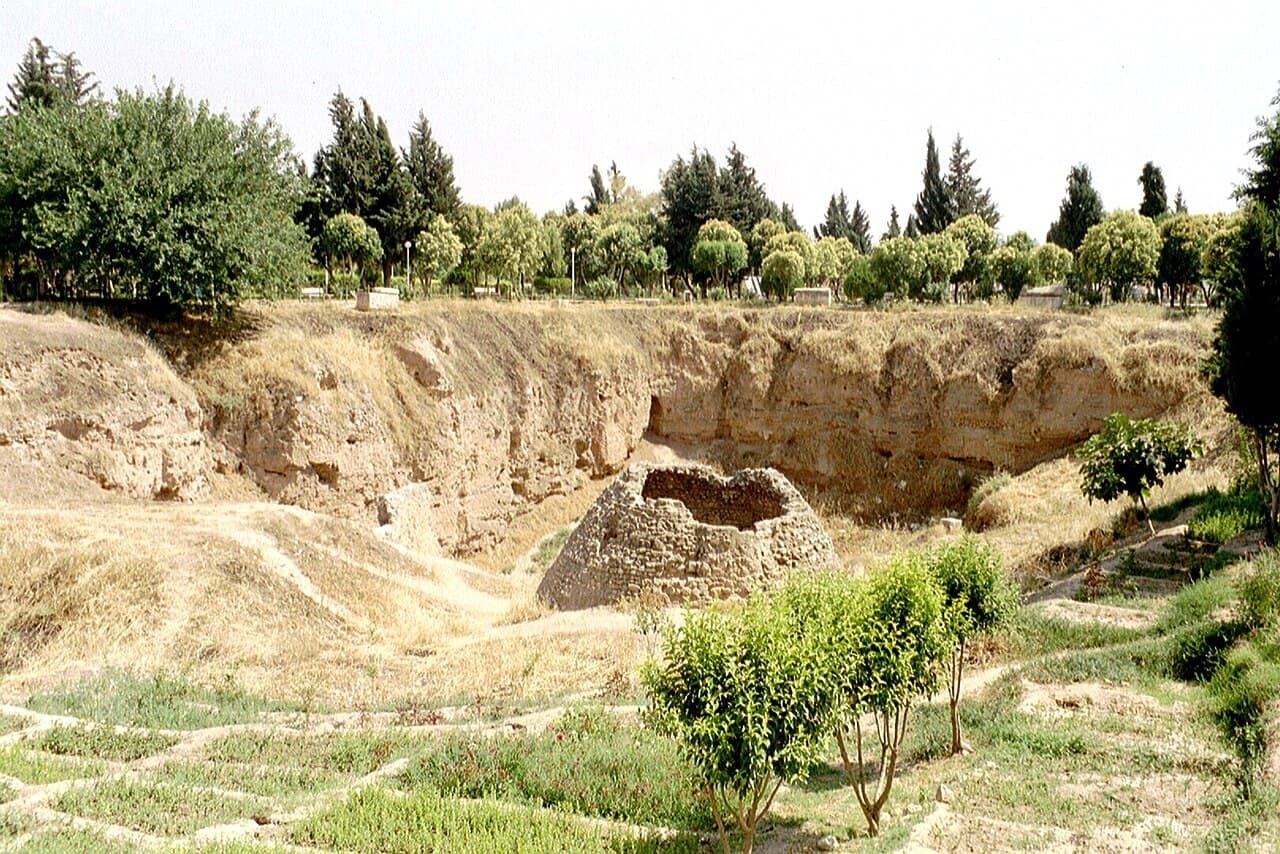
Hama Castle is an ancient fortress located in Hama, Syria, prominently situated on a large earthen mound, or tell, on the western bank of the Orontes River. This strategic position has made the site a focal point of military and administrative control for millennia. The castle's origins trace back to the Seleucid period when the city was known as Epiphania, marking the earliest recorded fortress construction on this elevated site. The initial stronghold served the Seleucid Empire's strategic and administrative needs, guarding important regional routes and river access.
Early history and strategic importance
Following the Seleucid era, Hama Castle came under Roman control, maintaining its significance as a fortified site during Roman rule. The fortress witnessed a pivotal moment early in the Islamic expansion when Abu Ubaidah ibn al-Jarrah captured it around 18 AH (approximately 639 CE), underscoring its importance during the Muslim conquests. Over the centuries, the castle's control shifted among various powers, including the Qarmatians in 291 AH (904–905 CE), the Mirdasid dynasty, Seljuks, Zengids, and ultimately the Ayyubids. Each ruling entity left architectural and cultural imprints on the fortress, adapting it to evolving military technologies and regional threats.
Medieval reconstruction and military role
In 1157, a devastating earthquake severely damaged the castle, necessitating extensive rebuilding. The Zengid leader Nur ad-Din Zangi spearheaded significant restoration efforts, enhancing the fortress’s defensive capabilities to meet contemporary military challenges. Later, after the Mongol destruction of 1258, the Mamluk Sultan Baibars undertook further repairs, reaffirming the castle’s strategic role during the medieval period. These successive reconstructions highlight the castle's enduring military value across centuries of conflict in the region.
Decline and archaeological rediscovery
The castle’s military importance waned following the 1401 order by Timur to demolish the fortress after securing the city, leaving it largely in ruins. Under Ottoman administration, the fortress gradually fell into decay, marking the end of its active military function. In the 20th century, archaeological research led by a Danish team under Harold Ingholt between 1931 and 1938 confirmed the site's continuous occupation, uncovering layers that span from the 5th millennium BCE through the Mamluk era. This research enriched understanding of the castle’s complex historical narrative and its role in regional history.
Architectural features and archaeological remains
Today, the most visible remnants of Hama Castle include a substantial stone retaining wall, or revetment, encircling the earthen mound that once supported the fortress. This wall demonstrates how the castle’s builders adapted their fortifications to the natural elevation of the tell, creating a fortified base for the structures above. Portions of these stone walls remain intact, offering insights into the castle’s defensive layout and construction techniques.
Notable artifacts and decorative elements
Excavations at the site uncovered a basalt stone altar, indicating ceremonial or religious practices during some phase of the castle’s occupation. Additionally, a staircase lined with stone lions was found, suggesting decorative efforts that symbolized protection and power, enhancing the fortress's imposing presence. The discovery of various pottery vessels and jewelry pieces throughout the stratified layers reflects the diverse cultural influences and inhabitants that occupied the castle over millennia.
Comparative architectural significance
Historical accounts have drawn comparisons between the overall design of Hama Castle and that of the Aleppo Castle, implying similarities in layout and architectural style within Syrian military architecture traditions. While detailed plans or dimensions of Hama Castle have not survived, this association situates it within a broader context of medieval fortress construction in the region.
Present-day status and cultural heritage
The top of the tell is currently covered with trees and serves as a public park, preserving the archaeological remains beneath a landscaped setting. This green space balances recreational use with the conservation of cultural heritage, allowing visitors to experience the historical significance of the site in a natural environment. The preservation of the castle’s remnants provides valuable opportunities for ongoing archaeological study and public education about Syria’s rich historical legacy.
Frequently asked questions (FAQ)
- What is the historical significance of Hama Castle?
- Hama Castle, also known as Qal'at Hama, is a significant historical site in Syria, showcasing the rich cultural heritage of the region. It has served various purposes throughout history, including a fortress, palace, and military stronghold, reflecting the architectural styles of different periods.
- When was Hama Castle built?
- Hama Castle dates back to the medieval period, with its construction believed to have begun in the 10th century. The castle has undergone numerous renovations and expansions, particularly during the Ayyubid and Mamluk periods, showcasing its importance over the centuries.
- Can I visit Hama Castle?
- Yes, Hama Castle is open to visitors who wish to explore its historical grounds and learn about its significance. However, it is advisable to check local travel advisories and any specific visiting restrictions that may be in place.
- What are the opening hours for Hama Castle?
- Hama Castle typically opens to visitors from 8:00 AM to 5:00 PM, but hours may vary depending on the season and local conditions. It is recommended to verify the current hours before planning your visit.
- Is it possible to access Hama Castle by public transportation?
- Yes, public transportation options are available for reaching Hama Castle, including buses and taxis from nearby cities. Ensure to confirm the latest schedules and routes, as they may change.
- What is the best time to visit Hama Castle?
- The best time to visit Hama Castle is during the spring and autumn months when the weather is mild and pleasant. This allows for a more enjoyable exploration of the castle and its surroundings.
- Are there any nearby attractions to visit along with Hama Castle?
- Yes, visitors can explore other nearby attractions such as the Orontes River and the ancient water wheels of Hama, known as "Norias." These sites complement the historical experience of Hama Castle and provide a deeper insight into the region's heritage.
- What are the ticket prices for Hama Castle?
- Ticket prices for Hama Castle are generally affordable, catering to both local and international visitors. It is advisable to check the current rates before your visit, as prices may vary based on different factors.
- What architectural styles are present in Hama Castle?
- Hama Castle features a blend of architectural styles, including Islamic and Byzantine influences, reflecting the various cultures that have occupied the area throughout its history. The intricate stonework and design elements showcase the craftsmanship of the time.
Photo gallery

Photo by TheRealHuldra•Public domain
Information
Loading map...
Visitor reviews
No reviews yet. Been here? Write the first review and help other travelers!
Write the first reviewVisited this castle? Share your experience
Your review helps other travelers and adds first-hand knowledge to our encyclopedia.