Shanqal Fort
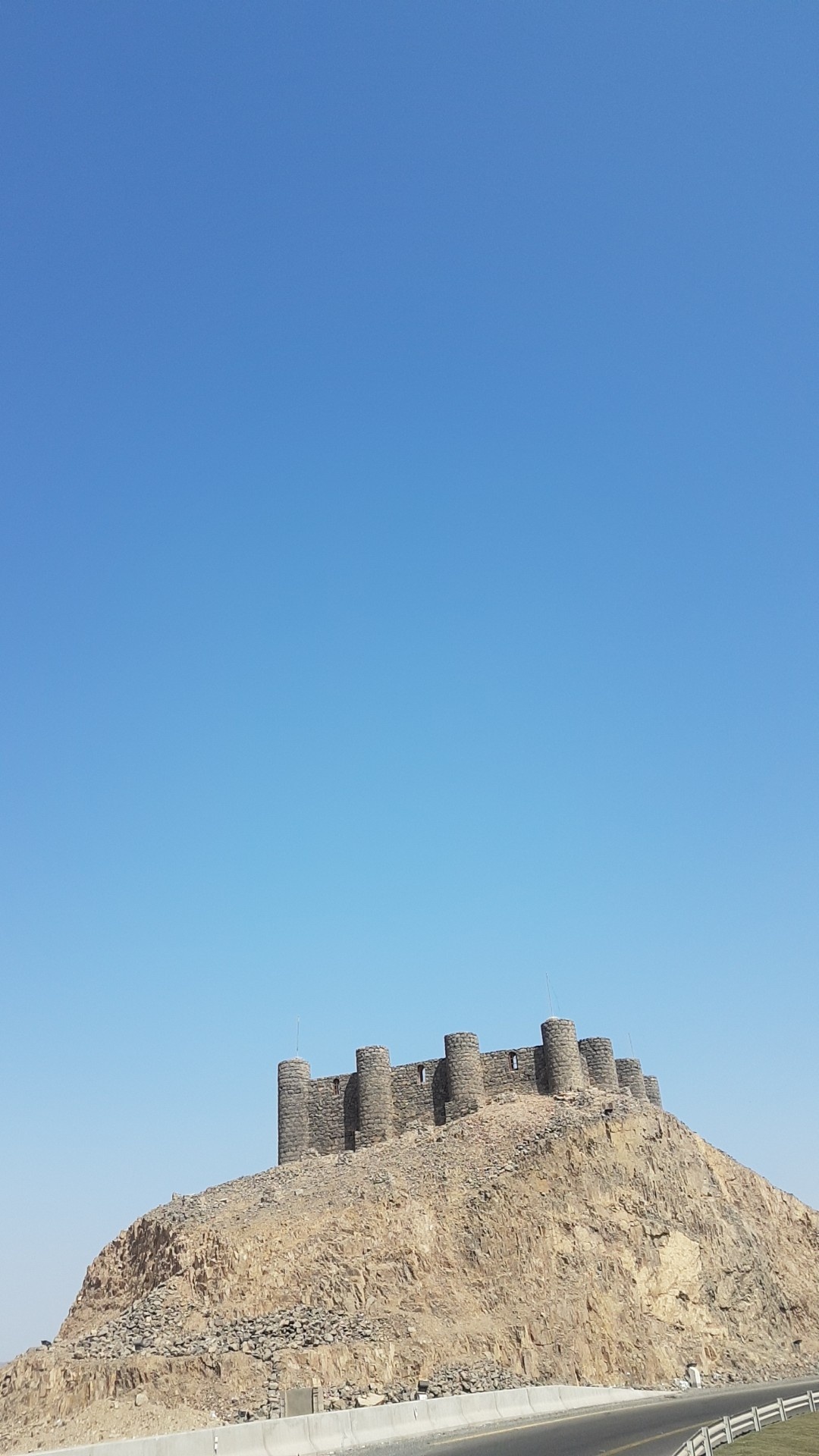
Shanqal Fort (Arabic: قلعة شنقل) stands as a notable ruined fortification located near the city of Turubah in the Makkah Region of Saudi Arabia. The fort is situated in the village of Al-Labt, positioned to the east of the Turubah valley. It occupies a strategic position on a rocky slope that marks the northwestern boundary of the territory historically inhabited by the Al-Baqum tribe. The fort's elevation reaches approximately 1133 meters above sea level, providing commanding views over the surrounding landscape.
Historical background and tribal significance
Shanqal Fort is believed to have been constructed in the early 18th century, with historians dating its establishment to around 1729. This timing places the fort's construction within the post-medieval period of Arabian history, during which tribal leaders fortified their domains for both defense and residence. The fort is attributed to a wealthy prince from the Al-Baqum tribe, a significant tribal group in the region. According to historian Muhammad bin Ghanam, the fort likely served as the residence of the prince, possibly Sheikh Abdurrahman bin Sultan al-Badri, a prominent figure associated with the tribe.
Architectural features and location
The fort's location on a rocky slope was a deliberate choice, enhancing its defensive capabilities by utilizing natural terrain. Although now in a ruined state, Shanqal Fort originally would have included typical features of tribal fortifications of the time, such as thick stone walls to withstand attacks, battlements for surveillance and defense, and possibly watchtowers to monitor the surrounding valleys and approaches.
The elevation of the fort at over 1100 meters above sea level not only provided a strategic military advantage but also symbolized the authority and control of the Al-Baqum tribe over this border area. The fort's proximity to the Turubah valley meant it could oversee important routes and act as a stronghold for the tribe's territorial claims.
Cultural and historical importance
Shanqal Fort holds cultural significance as a symbol of tribal power and heritage in the region. It reflects the social and political structures of the time, where tribal leaders established fortified residences to assert dominance and protect their communities. The fort is a physical reminder of the history of the Al-Baqum tribe and their role in the Makkah Region's historical landscape.
Current condition and archaeological status
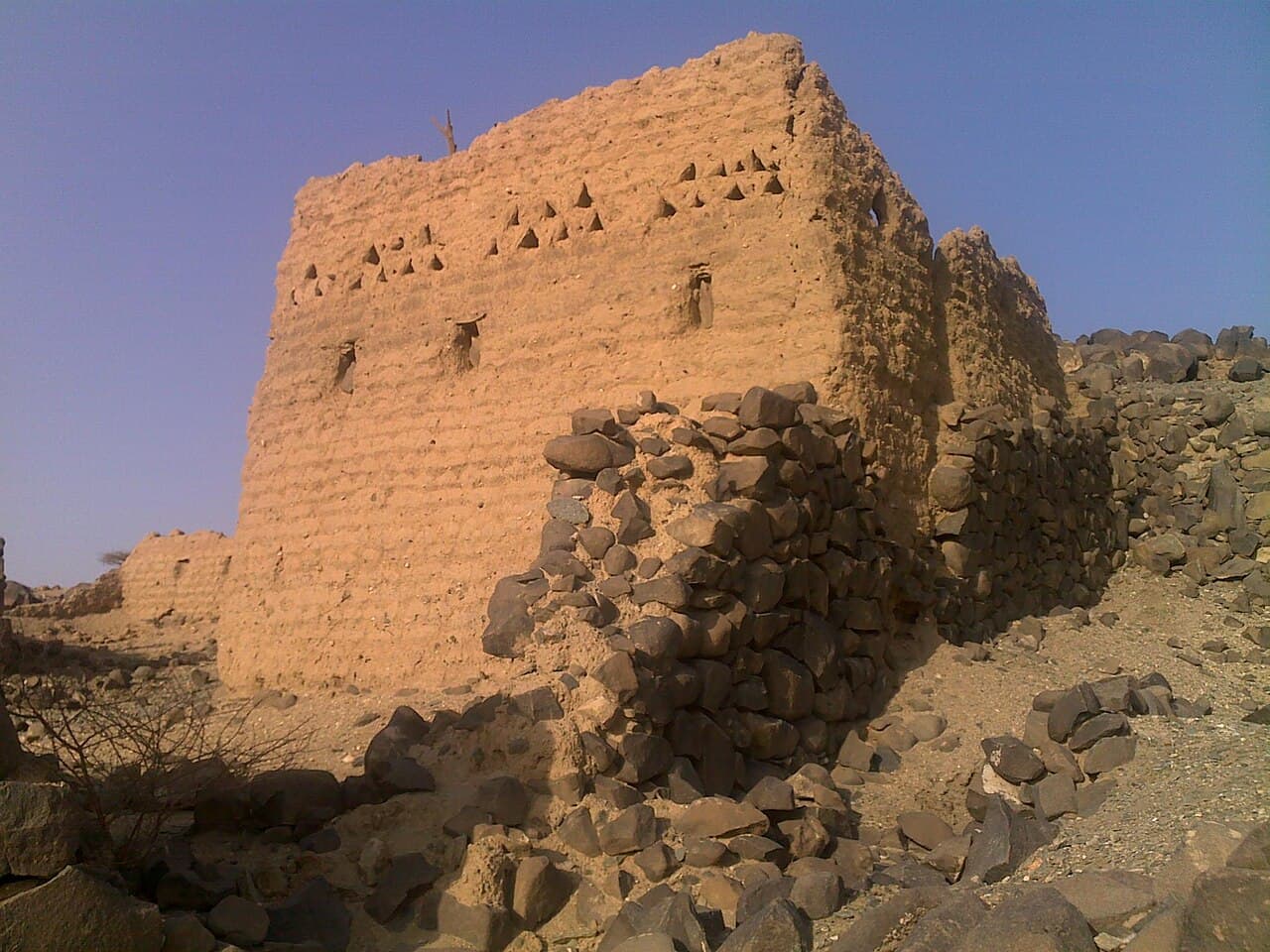
Today, Shanqal Fort exists as archaeological ruins, with much of its original structure having deteriorated over time. The fort's remains offer valuable insights into the construction techniques and defensive strategies employed by tribal fortifications in 18th-century Arabia. Preservation efforts have been limited, and the site remains an important focus for archaeological study and heritage conservation within Saudi Arabia.
Visiting shanqal fort
Visitors to Shanqal Fort can explore the ruins and gain an appreciation for the historical and architectural legacy of the site. Its location near Turubah makes it accessible for those interested in the cultural history of the Makkah Region and the tribal heritage of Saudi Arabia. While facilities may be minimal due to its status as a ruin, the fort offers a unique glimpse into the past and the strategic importance of such fortifications in the Arabian Peninsula.
Frequently asked questions (FAQ)
- What is the historical significance of Shanqal Fort?
- Shanqal Fort, located in Turubah, Saudi Arabia, is a significant historical site that dates back to the pre-Islamic era. It served as a strategic military outpost and played a crucial role in the region's defense and trade routes throughout history.
- When was Shanqal Fort built?
- Shanqal Fort was constructed in the late 18th century, reflecting the architectural styles and military needs of that period. Its robust structure and design were intended to withstand attacks and protect the surrounding area.
- How do I visit Shanqal Fort?
- Visitors can access Shanqal Fort by traveling to Turubah, which is well-connected by road. It is advisable to check local travel guidelines and ensure that you have the necessary permissions, as the site may have specific visiting protocols.
- What are the opening hours for Shanqal Fort?
- Shanqal Fort is generally open to visitors from 9 AM to 5 PM, Saturday through Thursday. It's best to confirm the hours before your visit, as they may vary due to special events or maintenance.
- Is it possible to take a guided tour of Shanqal Fort?
- Yes, guided tours are available and recommended for a more informative experience. Knowledgeable guides can provide insights into the fort's history, architecture, and its role in the region.
- What is the best time to visit Shanqal Fort?
- The best time to visit Shanqal Fort is during the cooler months from October to March. This period offers pleasant weather for exploring the fort and enjoying the surrounding landscape.
- Can I find nearby attractions when visiting Shanqal Fort?
- Yes, there are several nearby attractions, including historical sites and natural landscapes. Visitors often enjoy exploring local markets and other cultural landmarks in Turubah after touring the fort.
- What are the ticket prices for visiting Shanqal Fort?
- Entry to Shanqal Fort is typically free, but it's advisable to check for any updates or changes in the pricing policy. Some guided tours may have a fee, which usually covers the cost of a knowledgeable guide.
- Is Shanqal Fort accessible for people with disabilities?
- Accessibility options may be limited at Shanqal Fort due to its historical structure and terrain. It is recommended to contact local authorities or tour operators for specific accommodations before planning your visit.
Photo gallery

Photo by Immortal 1404•Public domain
Information
Loading map...
Visitor reviews
No reviews yet. Been here? Write the first review and help other travelers!
Write the first reviewVisited this castle? Share your experience
Your review helps other travelers and adds first-hand knowledge to our encyclopedia.