Shankill Castle
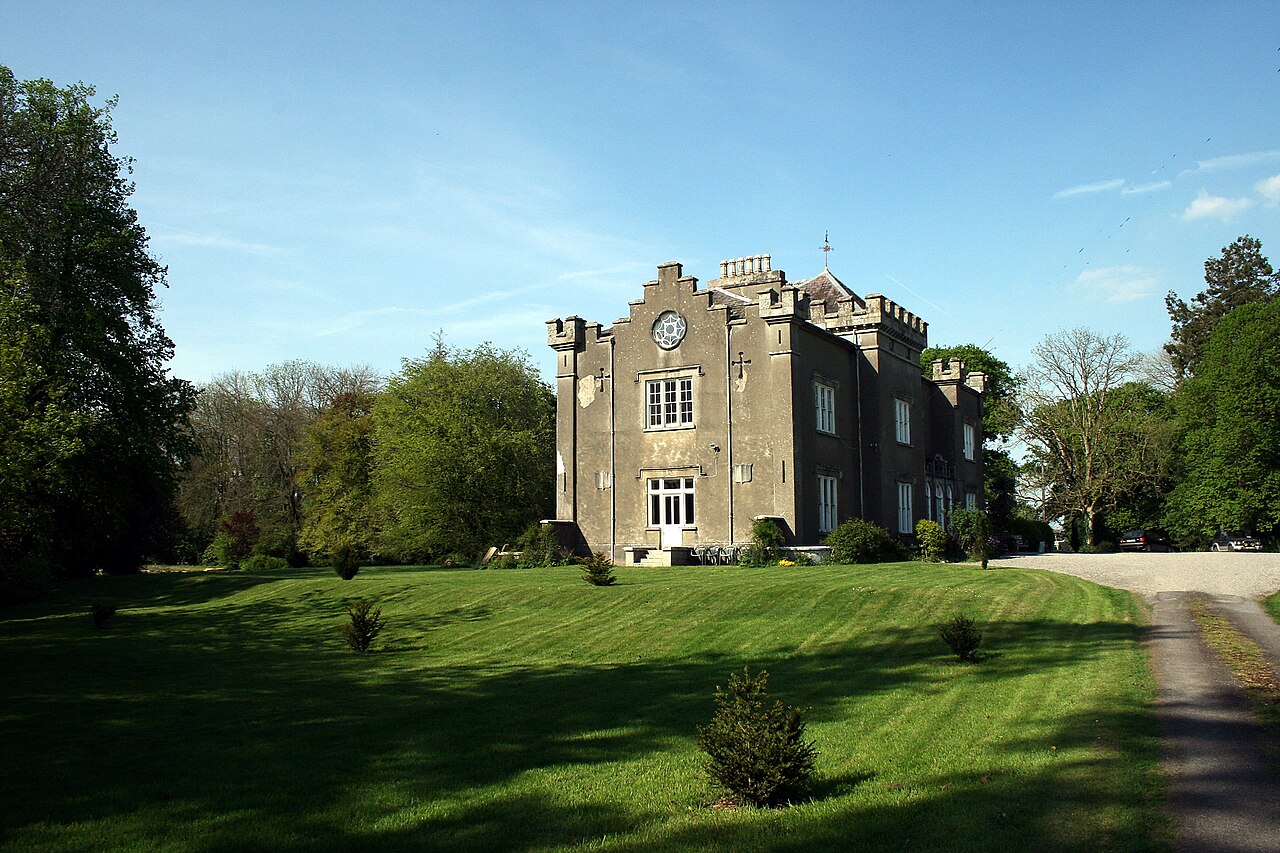
Shankill Castle is a remarkable example of an Irish country house that evolved from a fortified tower house originally built in the mid-15th century. Situated in Paulstown, County Kilkenny, the castle reflects centuries of architectural and landscape development, blending medieval defensive features with later Georgian and Victorian domestic comforts. The castle's history is deeply intertwined with the influential Butler family, who established the original tower house around 1450, making use of the typical defensive designs of the period.
Medieval origins and the butler family legacy
The site of Shankill Castle began as a tower house constructed by the Butler family, a prominent Anglo-Norman dynasty in Ireland. This type of structure was common in the late medieval period as a means of asserting control over lands while providing residence and defense. The tower house was strategically positioned near the remains of an earlier church, indicating the site's longstanding significance. The church itself fell into ruin over subsequent centuries, leaving only remnants that can still be seen adjacent to the castle grounds.
The original tower house featured thick stone walls, narrow windows for defense, and battlements that typified the high medieval military architecture of the time. Its primary function was protection and residence rather than comfort, reflecting the turbulent political landscape of 15th-century Ireland.
Transition to a country house under the aylwards
In 1708, the estate passed to the Aylward family through marriage, marking a significant shift in the castle's function and design. Peter Aylward undertook a major rebuilding project, transforming the austere tower house into a more comfortable and elegant country residence. This transformation included the creation of a formal landscape with a carefully arranged front vista and the introduction of a canal at the rear, emphasizing leisure and aesthetic appeal rather than military utility.
The 18th-century renovations introduced Georgian architectural elements, such as symmetrical layouts and refined interiors. The castle's interiors began to reflect the tastes of the Georgian period, with an emphasis on proportion, light, and decorative detail.
19th-century enhancements and romantic revival
The 19th century saw further enlargement and embellishment of Shankill Castle. The building was extended and adorned with castellated battlements, a popular feature of the Gothic Revival movement, which sought to evoke medieval romanticism. The canal was reshaped with sweeping serpentine bays, enhancing the picturesque quality of the estate's water features.
A distinctive polyhedral sundial was installed on a sunken lawn, reflecting the Victorian era's fascination with garden ornaments and scientific instruments. Architectural additions included a Gothic-style porch emblazoned with the Aylward family crest and a conservatory, demonstrating the 19th century's interest in glass structures for growing exotic plants and leisure.
Some of the stable-yard and entrance gate designs, featuring castellations, are attributed to Daniel Robertson, a noted architect of the period known for his medieval revival style. Other works may have been influenced by William Robertson, active in the late 18th and early 19th centuries, who contributed to the estate's architectural development.
Interior features and preserved historic character
Inside Shankill Castle, many elements of the 18th-century Georgian style remain intact. Visitors can admire a finely crafted Georgian staircase with elegant woodwork, along with decorative Gothic plaster ceilings that add a medieval flavor to the interiors. The Victorian drawing-room retains its original furnishings and style, offering a glimpse into the domestic life of the 19th century.
Gardens and landscape heritage
The castle is set within extensive gardens that preserve traces of multiple historical periods. An alley of lime trees dating back to the 18th century lines part of the grounds, while expansive laurel lawns planted in the 19th century provide lush green spaces. Victorian planting choices are evident in the presence of towering giant sequoias, alongside 20th-century self-sown ash trees that have naturally established over time.
The moated garden once dedicated to growing roses and later planted with Sitka spruces now functions as a vibrant spring garden filled with seasonal blooms. Nearby, the graveyard is noted for plants that flower throughout the year, adding color and life to the historic landscape.
The walled garden features an apple arch underplanted with bright red tulips, creating a vivid spring display. Against a mellow brick wall, antique pear trees are trained in the traditional goblet style, maximizing both fruit production and aesthetic appeal.
Among the estate's notable trees, three are registered in the Tree Register of Ireland, maintained by the Tree Council of Ireland. These include the Commoime Dutch lime tree, the Wellingtonia (Giant Sequoia), and two Monterey cypresses, highlighting their botanical and historical significance within the Shankill Castle grounds.
Cultural significance and local legends
Shankill Castle holds a place in local folklore, with stories of ghosts and mysterious events such as the so-called "Murder at the Last Supper." While these tales are part of the oral tradition surrounding the castle, they lack documentary evidence and remain part of the site's cultural mystique rather than its verified history.
The castle remained in the hands of the Toler-Aylward branch of the Butler family until 1991. In recent years, it has become home to the artist Elizabeth Cope and serves as a location for an artist residency program operated by ResArtis, blending its historic heritage with contemporary cultural use.
Frequently asked questions (FAQ)
- How do I get to Shankill Castle?
- Shankill Castle is located in Paulstown, United Kingdom. You can reach the castle by car or public transport, with the nearest train station being in Kilkenny. There are also local bus services that connect to Paulstown, making it accessible for visitors.
- What is the historical significance of Shankill Castle?
- Shankill Castle dates back to the 12th century and is known for its fascinating history and architecture. It has been the residence of the O'Carroll family and has played a role in various historical events throughout the centuries. The castle reflects the rich heritage and traditional Irish architecture, attracting history enthusiasts.
- When was Shankill Castle built?
- Shankill Castle was originally constructed in the 12th century, making it one of the oldest structures in the region. Over the years, it has undergone several renovations and restorations, preserving its historical charm while adapting to modern needs. Its long history makes it a significant landmark in the area.
- Can I take a guided tour of Shankill Castle?
- Yes, guided tours are available for visitors who want to learn more about the castle's history and architecture. These tours are typically led by knowledgeable guides who provide insights into the castle's past and its significance in local history. It's recommended to book your tour in advance, especially during peak tourist seasons.
- Why is Shankill Castle a popular tourist destination?
- Shankill Castle attracts visitors due to its stunning architecture, rich history, and beautiful surroundings. The castle's picturesque setting amidst lush landscapes makes it ideal for photography and exploration. Additionally, it offers a glimpse into Ireland's past, making it a must-see for history buffs and tourists alike.
- Is it possible to host events at Shankill Castle?
- Yes, Shankill Castle is available for private events, including weddings, corporate functions, and special celebrations. The castle provides a unique and enchanting backdrop for any occasion, with options for both indoor and outdoor settings. It's advisable to contact the castle management for details on availability and event packages.
- What are the opening hours for Shankill Castle?
- Shankill Castle is open to visitors from 10 AM to 5 PM, Wednesday through Sunday. It is closed on Mondays and Tuesdays, so plan your visit accordingly. During peak seasons, extended hours may be available, so it’s best to check the official website for updates.
- What are the ticket prices for visiting Shankill Castle?
- Ticket prices for Shankill Castle are typically around £10 for adults, with discounts available for children and seniors. Family packages are also offered, providing a great value for those visiting with children. It’s advisable to check the castle’s official website for the most current pricing and any special offers.
- What is the best time to visit Shankill Castle?
- The best time to visit Shankill Castle is during the spring and summer months when the weather is generally mild and the gardens are in full bloom. This period also sees a variety of events and activities taking place at the castle. However, visiting during the fall can provide a quieter experience with beautiful autumn foliage.
- Are there any nearby attractions to visit along with Shankill Castle?
- Yes, there are several nearby attractions worth exploring, including the historic town of Kilkenny, known for its medieval architecture and vibrant arts scene. Additionally, you can visit the scenic landscapes of the nearby River Nore or explore other castles and historical sites in the region. This makes for a rich and fulfilling day of exploration.
Information
Website
Visit websiteSources & official resources
Verify the information above using these authoritative references.
Loading map...
Visitor reviews
No reviews yet. Been here? Write the first review and help other travelers!
Write the first reviewVisited this castle? Share your experience
Your review helps other travelers and adds first-hand knowledge to our encyclopedia.