Purandar Fort
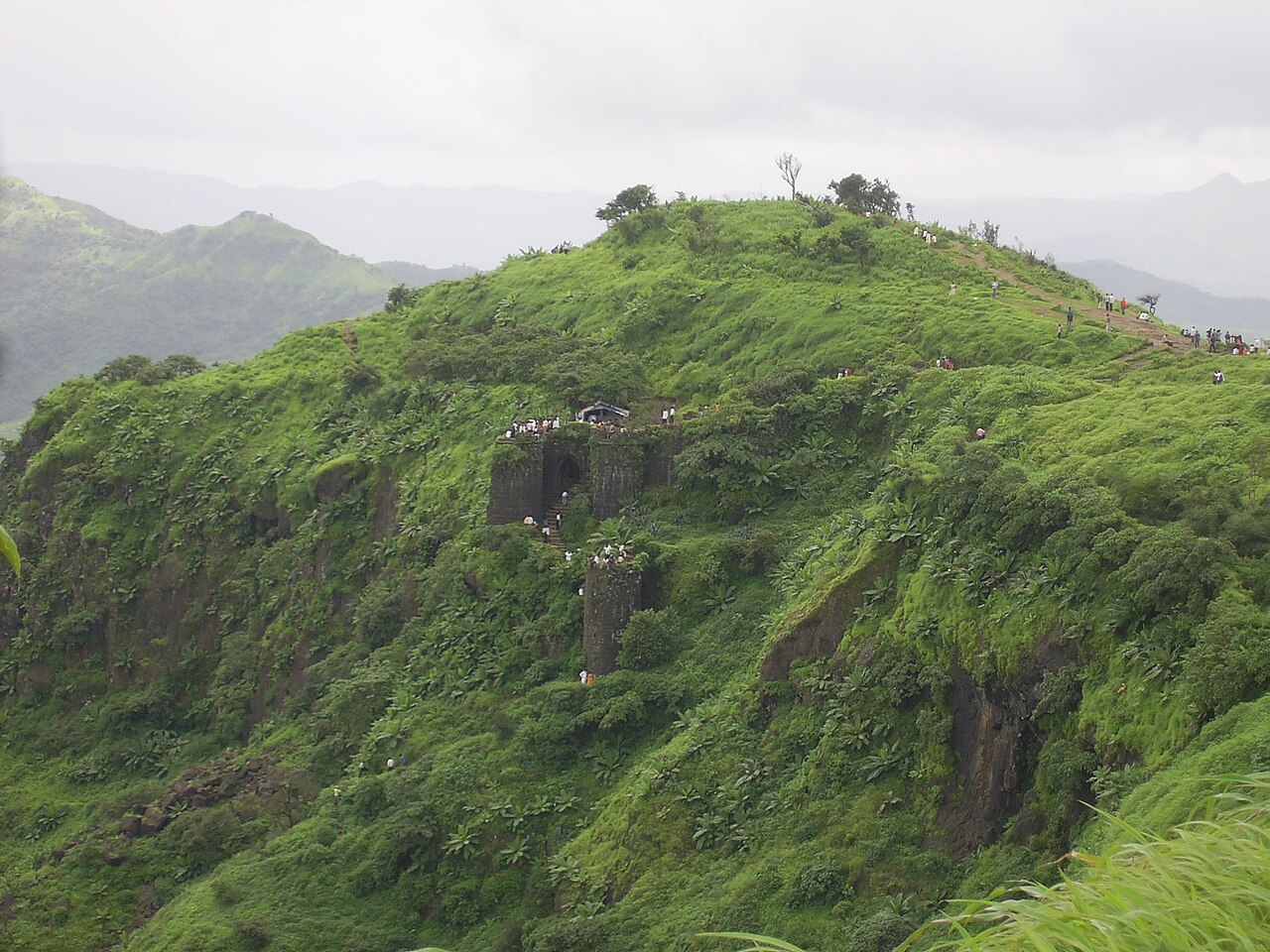
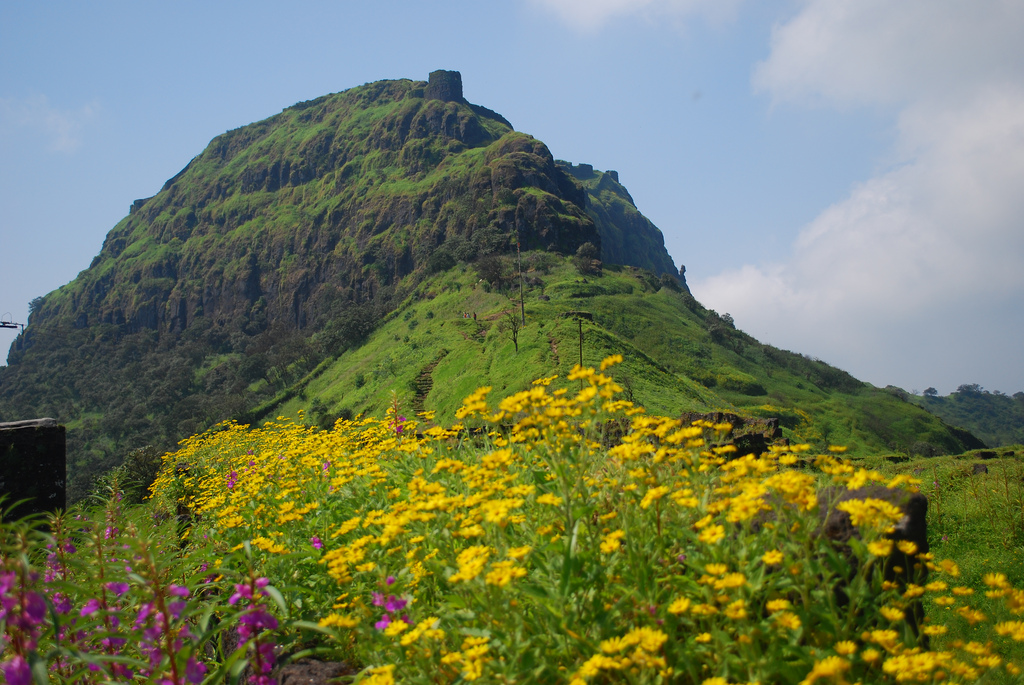
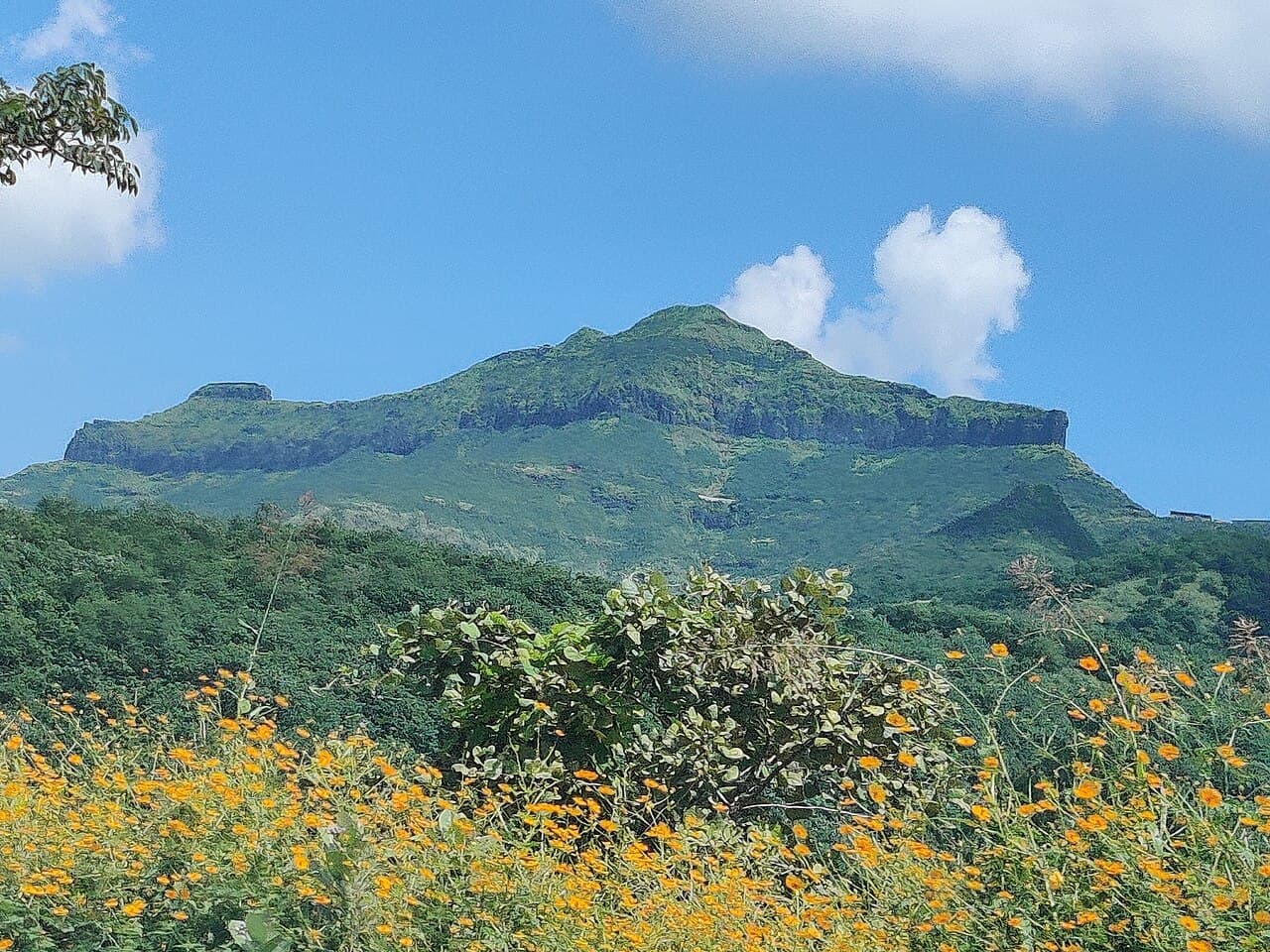
Purandar Fort is a prominent bastioned fortress situated in the Pune district of Maharashtra, India. Perched at an elevation of 1,374 metres (4,508 ft) above sea level in the Western Ghats, this mountain fort commands a strategic view over the surrounding landscape. Located approximately 50 kilometres southeast of Pune, Purandar Fort has played a significant role in the military history of the region.
Geographical setting and twin forts
Purandar Fort is part of a twin fort complex along with Vajragad Fort (also known as Rudramal), which lies to the east of the main fort. Vajragad is smaller, standing at 1,347 metres (4,419 ft) above sea level. The two forts together dominate the landscape and were historically interconnected for defense purposes. The nearby village of Purandar derives its name directly from the fort, underscoring its local importance.
Historical significance and Maratha heritage
Purandar Fort holds a key place in the history of the Maratha Empire. It is famously known as the birthplace of Chatrapati Sambhaji Maharaj, the eldest son of the legendary Maratha ruler Chhatrapati Shivaji Maharaj. Sambhaji Maharaj would later become the second ruler of the Maratha kingdom, continuing his father's legacy of resistance against the Mughal Empire.
The fort was originally built by the Rashtrakuta dynasty in the 10th century, and it was later expanded and fortified by the Yadavas and then the Marathas. Its strategic location made it a coveted military asset for various rulers including the Mughals and the Peshwas during different periods of Indian history.
Architectural features and fortifications
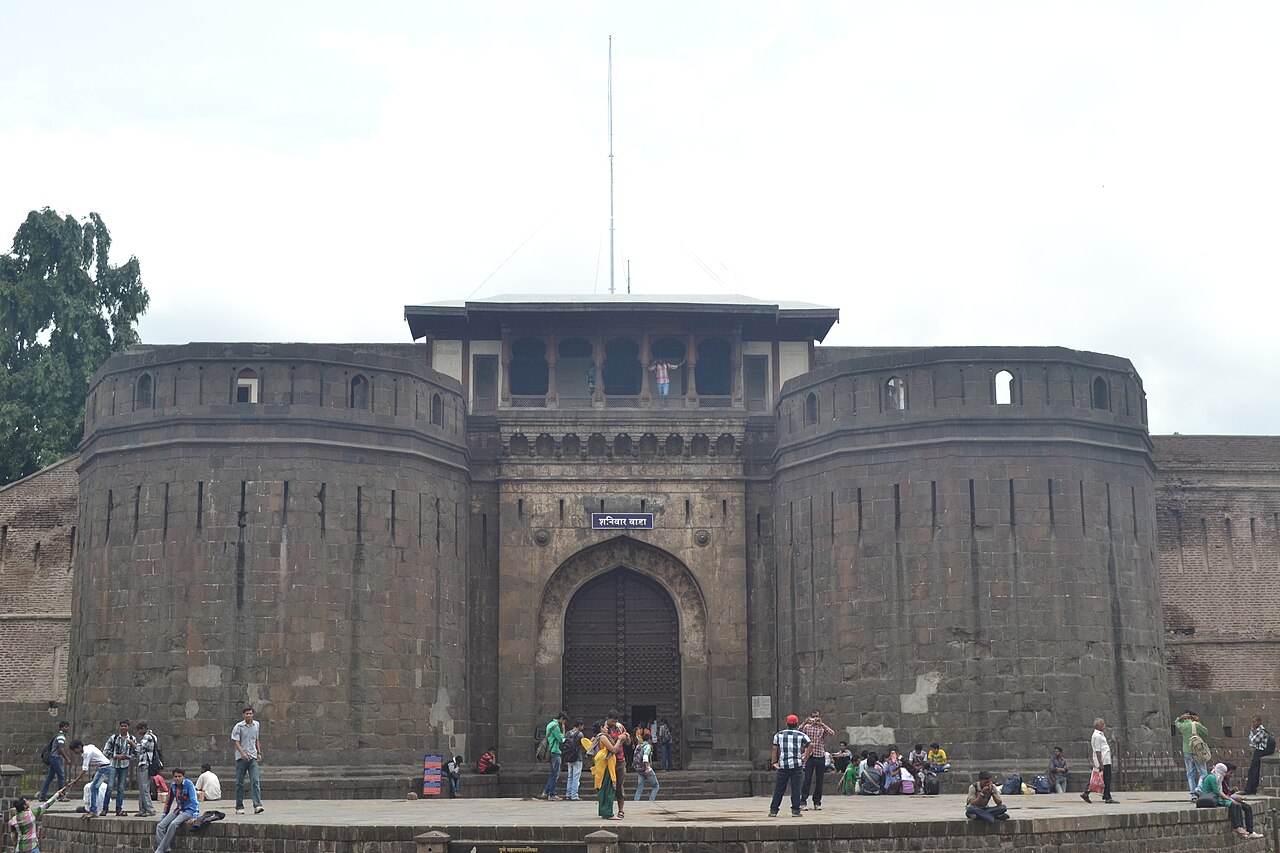
Purandar Fort exemplifies the characteristics of a bastioned fortress with robust defensive structures designed to withstand prolonged sieges. The fort features massive stone walls reinforced with bastions that allowed defenders to cover multiple angles of attack. The walls are punctuated by gateways with intricate carvings and heavy wooden doors secured by iron studs.
The fort complex includes several watchtowers and turrets strategically placed to monitor enemy movements. Inside the fort, there are remains of granaries, water tanks, and residential quarters that supported the garrison and inhabitants during sieges. The fort also contains several temples and shrines reflecting the religious practices of its occupants.
Water management and logistics
Given its elevated location, effective water storage was vital. Purandar Fort has a network of cisterns and wells carved into the rock to collect and store rainwater. These features ensured a reliable water supply during dry seasons and sieges, demonstrating advanced engineering skills.
Military history and sieges
Purandar Fort witnessed numerous battles and changes of control throughout its history. It was a stronghold for the Marathas during their conflicts with the Mughal Empire. In 1665, the fort was famously besieged by the Mughal general Shaista Khan. After a prolonged siege, the fort was surrendered to the Mughals in a treaty that temporarily shifted control.
Later, the fort was recaptured by the Marathas under the leadership of Chhatrapati Shivaji Maharaj. It continued to serve as a key military base for the Maratha Empire and later the Peshwas until the British East India Company took control in the early 19th century.
Cultural legacy and current status
Today, Purandar Fort remains a popular destination for history enthusiasts, trekkers, and tourists interested in the Maratha heritage and military architecture. The fort is partially preserved, with many of its bastions and walls still standing, though some areas are in ruins. Visitors can explore the extensive ruins, including the fortifications, temples, and water systems.
The fort's location within the Western Ghats also offers scenic views and opportunities for trekking. It is managed by local authorities and is accessible to the public, making it an important cultural and historical landmark in Maharashtra.
Visiting Purandar Fort
Visitors typically access the fort via trekking routes starting from the base village of Purandar. The climb is moderately challenging but rewards with panoramic views of the surrounding hills and valleys. The best time to visit is during the cooler months from October to March.
Architectural style and period
Purandar Fort's architecture reflects a blend of styles accumulated over centuries, primarily featuring medieval Indian military architecture with significant bastioned fortifications. Its origins trace back to the early medieval period, with major expansions during the high medieval and late medieval periods under the Yadavas and Marathas respectively.
Frequently asked questions (FAQ)
- How do I reach Purandar Fort from Pune?
- Purandar Fort is located about 50 kilometres southeast of Pune. Visitors can reach the fort by road via private vehicle or local buses to the village of Purandar, from where trekking paths lead up to the fort.
- What is the best time to visit Purandar Fort?
- The ideal time to visit Purandar Fort is from October to March when the weather is cooler and more suitable for trekking and exploring the fort.
- Can I explore the fort on my own?
- Yes, visitors can explore Purandar Fort independently. The fort has marked trekking trails, but it is advisable to carry water and wear suitable footwear due to the rugged terrain.
- What historical events are associated with Purandar Fort?
- Purandar Fort is known for its association with the Maratha Empire, including the birth of Chatrapati Sambhaji Maharaj and the 1665 siege by Mughal forces under Shaista Khan.
- Are there any facilities near the fort for visitors?
- The village of Purandar near the fort offers basic amenities such as food and lodging. However, facilities are limited, so visitors should plan accordingly.
Photo gallery

Information
Loading map...
Visitor reviews
No reviews yet. Been here? Write the first review and help other travelers!
Write the first reviewVisited this castle? Share your experience
Your review helps other travelers and adds first-hand knowledge to our encyclopedia.