Edo Castle
Edo Castle, located in the heart of modern-day Tokyo, stands as a monumental symbol of Japan's feudal history and architectural ingenuity. Originally established in the Heian Period by the Edo clan, the site evolved significantly over the centuries, culminating in the grand fortress constructed by Ota Dokan in 1457 under the auspices of the Uesugi clan. This castle would later become the political and cultural nucleus of Japan during the Edo period, when it served as the seat of the powerful Tokugawa shogunate.
The transformation of Edo from a modest town into the largest city in the world was largely due to Tokugawa Ieyasu, who, after being granted lordship over the region in 1590 by Toyotomi Hideyoshi, chose to develop Edo Castle as the center of his new government. By 1603, when Ieyasu became shogun, Edo had rapidly grown into a bustling metropolis, with a population exceeding one million. The castle itself was extensively expanded and fortified, becoming the largest castle complex in Japan, designed by the renowned castle architect Todo Takatora.
Architectural design and fortifications
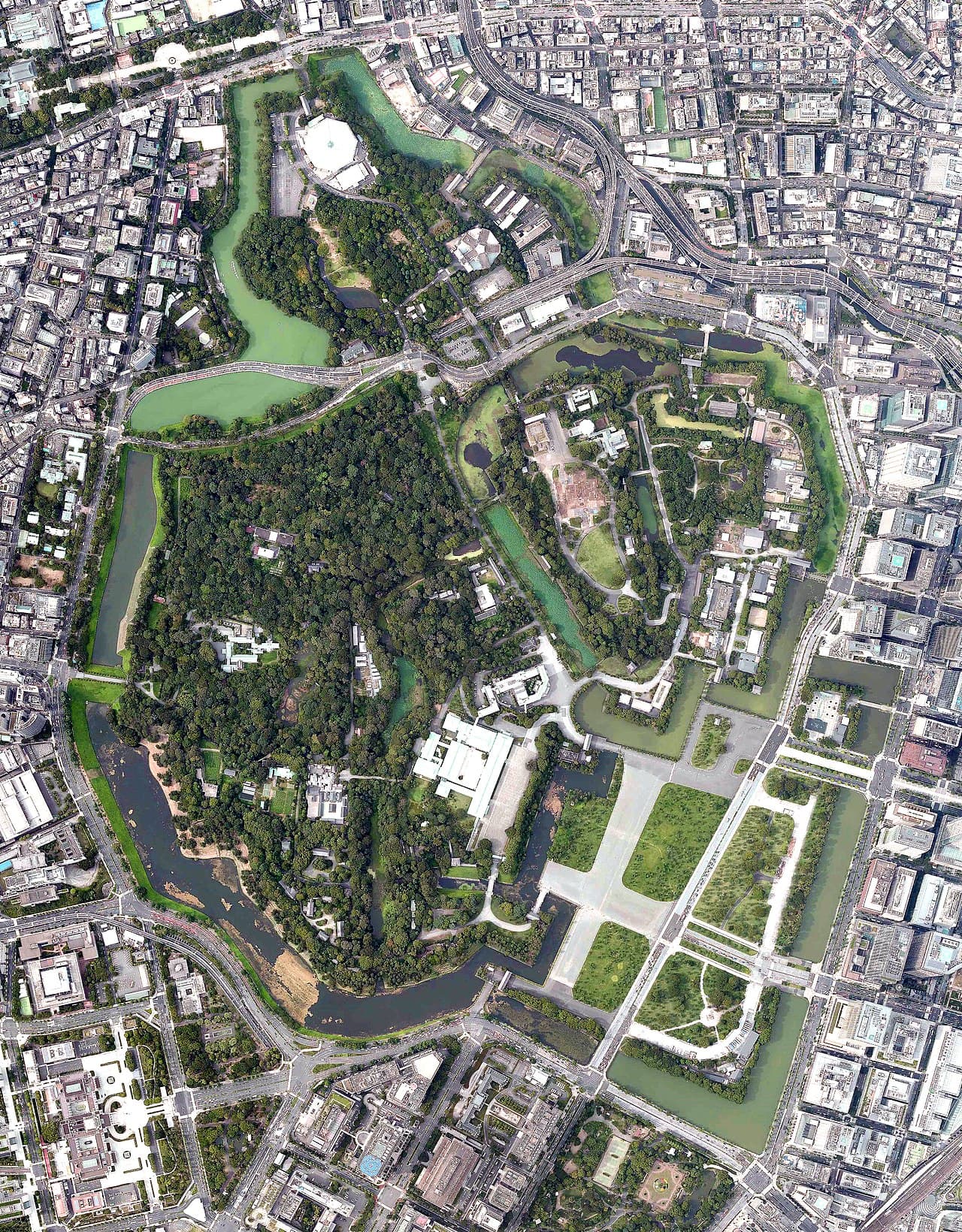
Edo Castle is a prime example of late medieval Japanese castle architecture, characterized by its massive stone walls, extensive moats, and strategically placed gates and watchtowers. The castle's defensive system includes a 15-kilometer outer moat and a 5-kilometer inner moat, both ingeniously connected to the Sumida River. These moats spiral around the inner compounds, creating multiple layers of defense.
The construction of these moats was a remarkable feat, completed in approximately four months, demonstrating the logistical prowess of the Tokugawa administration. The castle's 36 gates and fortified bridges gave their names to many areas in modern Tokyo, such as Hanzomon, Toranomon, and Akasaka Mitsuke. The placement of Buddhist temples like Kaneiji and Zojoji was also deliberate, following the principles of Japanese feng shui to protect the castle from evil spirits.
Stonework and construction techniques
The stone walls of Edo Castle are notable for their sophisticated construction without mortar, allowing flexibility to withstand earthquakes—a crucial feature given Japan's seismic activity. Many of these walls have endured for over 400 years, despite natural disasters such as the Great Kanto Earthquake of 1923 and extensive damage during World War II.
Historical significance and tokugawa rule
For over two and a half centuries, Edo Castle was the seat of power for 15 generations of the Tokugawa shoguns. It was not only a military fortress but also the administrative heart of the shogunate government, overseeing a period of relative peace and stability known as the Edo period. The castle's role as the de facto capital of Japan helped shape the political and cultural landscape of the nation.
The fall of the Tokugawa shogunate in 1868 during the Boshin War marked the end of Edo Castle's role as a military stronghold. The Meiji Restoration saw the emperor restored to power and the renaming of Edo to Tokyo, meaning "Eastern Capital." The castle grounds were transformed to serve as the Imperial Palace, symbolizing the new era of modernization.
Modern preservation and public access
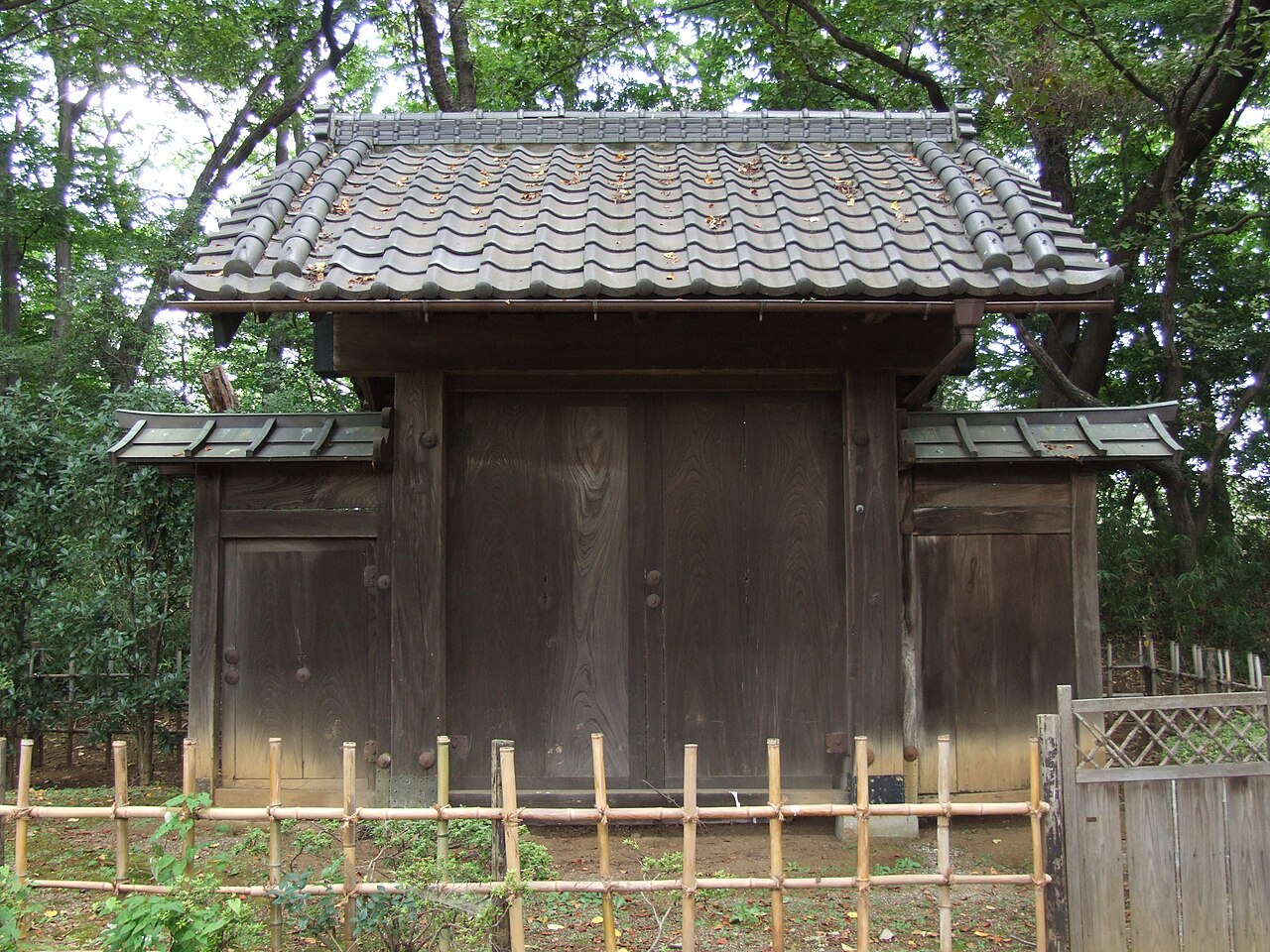
Today, the castle grounds are partially preserved, with many original structures and extensive stone fortifications still visible throughout Tokyo. Approximately 20 original buildings remain, including three gates registered as Important Cultural Properties. The inner compounds have been repurposed as the Imperial Palace and the Imperial Palace East Gardens, which are accessible to the public on certain days.
The castle grounds are a popular recreational area, with jogging paths following the historic moats and walls. Visitors can explore numerous gates, watchtowers, and remnants of the original fortifications, offering a tangible connection to Japan's feudal past amidst the modern cityscape.
Cultural and urban legacy
The layout and fortifications of Edo Castle have left a lasting imprint on Tokyo's urban geography. Many place names derive from the castle's gates and bridges, and the extensive moat system influenced the city's roadways and parks. The castle's historical significance continues to be celebrated, making it a key destination for those interested in Japanese history and architecture.
Walking the grounds of Edo Castle provides a unique opportunity to experience centuries of Japanese history, from its origins as a fortified palace to its transformation into the center of political power under the Tokugawa shogunate. Its enduring stone walls and moats stand as a testament to the craftsmanship and strategic vision of its builders, offering invaluable insights into Japan's cultural heritage.
Frequently asked questions (FAQ)
- When was Edo Castle originally built and by whom?
- Edo Castle was originally built in 1457 by Ota Dokan under the Uesugi clan during the late medieval period.
- What role did Tokugawa Ieyasu play in the development of Edo Castle?
- Tokugawa Ieyasu significantly expanded Edo Castle after being granted lordship in 1590, transforming it into the political center of Japan and the largest castle complex of its time.
- Can visitors access the Imperial Palace grounds today?
- The Imperial Palace East Gardens are open to the public daily except Mondays and Fridays, while access to the main Imperial Palace grounds is limited to special occasions requiring advance application.
- What architectural features make Edo Castle unique?
- Edo Castle is renowned for its massive stone walls constructed without mortar, extensive moats connected to the Sumida River, and numerous gates and watchtowers that reflect advanced defensive design.
- How has Edo Castle influenced modern Tokyo?
- Many place names in Tokyo derive from Edo Castle's gates and bridges, and the castle's moat system has shaped the city's roadways and parks, leaving a lasting urban legacy.
Photo gallery

Photo by Institute of Land & Geographic (国土地理院)•Attribution
Information
Opening hours
Imperial Palace East Gardens: 9:00-16:30, closed Mondays and Fridays; Imperial Palace grounds open on select days
Ticket prices
Imperial Palace East Gardens: Free; Imperial Palace special openings require advance application
Architect
Todo Takatora
Current owner
Imperial Household Agency
Website
Visit websiteSources & official resources
Verify the information above using these authoritative references.
Loading map...
Visitor reviews
No reviews yet. Been here? Write the first review and help other travelers!
Write the first reviewVisited this castle? Share your experience
Your review helps other travelers and adds first-hand knowledge to our encyclopedia.