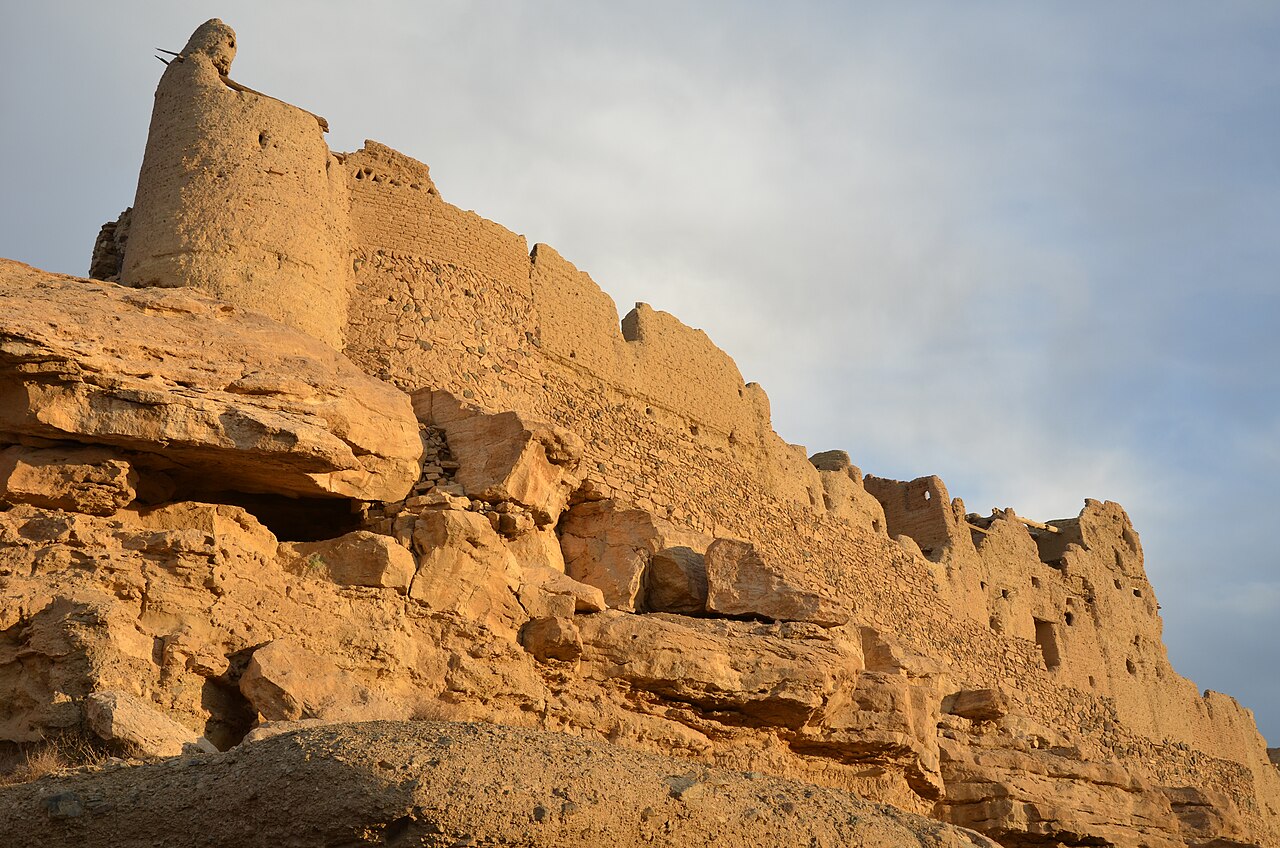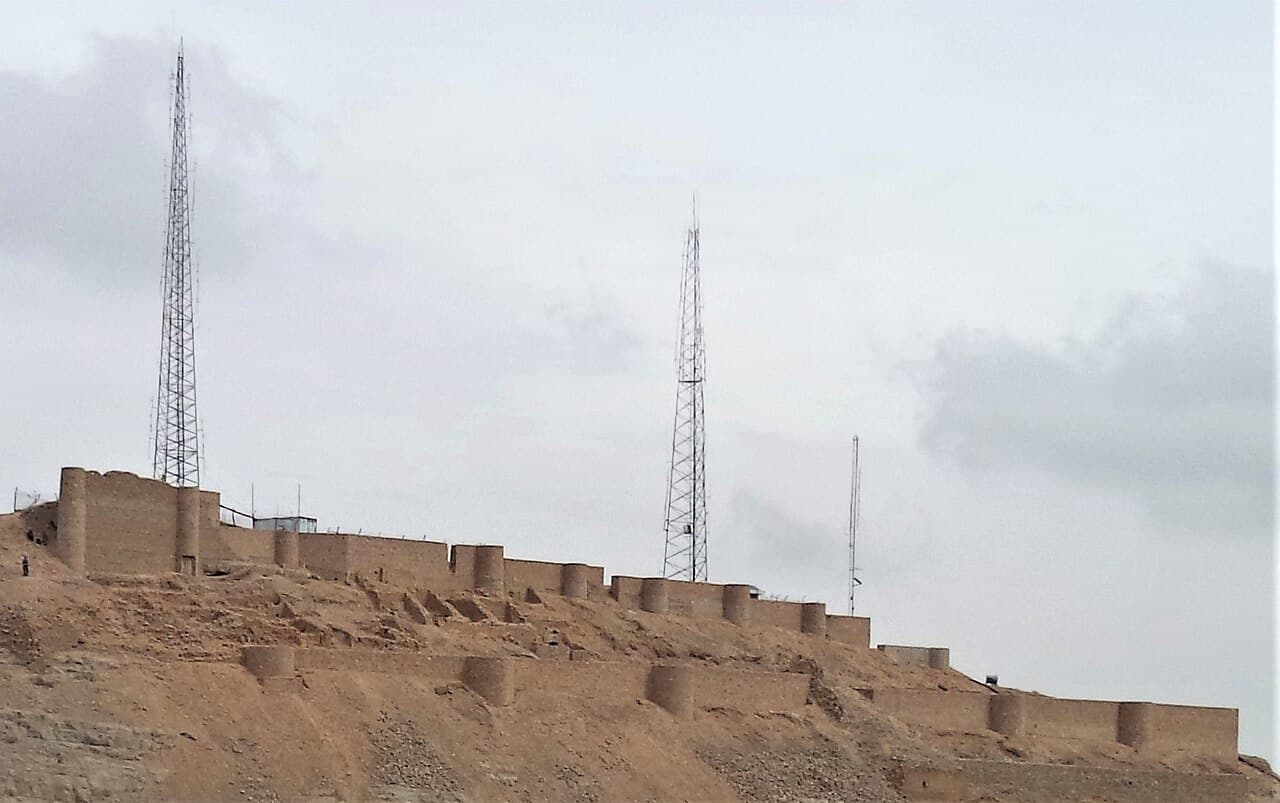
Shahdiz Castle, also known as Dizkuh (Persian: دزکوه), is a historic fortress located approximately 8 kilometers south of Isfahan, Iran, perched on a subpeak of Mount Soffeh. This castle holds significant historical importance as one of the strongholds of the Nizari Ismailis during the medieval period. Its dramatic ruins, visible today, reflect its strategic position and turbulent history during the era of the Seljuk Empire.
The castle's origins trace back to the High Medieval period, likely constructed in the 11th or 12th century, a time when fortifications were critical for controlling key routes and defending territories. Shahdiz was renowned for its formidable defensive position atop a steep mountain, which made it a difficult target for invaders. The fortress was part of a network of Nizari Ismaili castles that served both military and administrative functions.
Historical significance and Nizari Ismaili control
Shahdiz Castle was notably held by the Nizari Ismailis, a sect known for their network of fortified strongholds across Persia and Syria. The castle was a key defensive site and symbol of Nizari resistance during the Seljuk period. Its strategic location near Isfahan, a major urban center, made it a critical outpost for controlling access to the region.
In the early 12th century, the Seljuk sultan Muhammad Tapar launched a campaign against the Nizari Ismailis to suppress their influence and dismantle their fortifications. Shahdiz was one of the principal targets during this campaign. After a siege, the fortress was captured and subsequently destroyed to prevent its further use by the Nizari forces.
Architectural features and layout
The castle's remains reveal a classic example of medieval mountain fortification. Built primarily from local stone, the castle utilized the natural topography to enhance its defenses. The steep slopes of Mount Soffeh provided natural barriers, while the castle walls, towers, and gates were constructed to maximize protection against siege warfare.
Although much of the original structure lies in ruins, archaeological studies have identified foundations of walls, remnants of towers, and evidence of defensive battlements. The fortress likely included multiple levels with living quarters, storage areas, and cisterns to support prolonged sieges.
Defensive advantages
Shahdiz's position on a subpeak allowed defenders to monitor and control movement along nearby routes. The elevation offered a commanding view of the surrounding landscape, enabling early warning of approaching enemies. The difficult terrain also limited the options for attackers, forcing them into narrow approaches vulnerable to defensive fire.
Destruction and current condition
The castle was destroyed during the Seljuk sultan Muhammad Tapar's campaign against the Nizari Ismailis in the early 12th century. The deliberate dismantling ensured that Shahdiz could no longer serve as a Nizari stronghold. Since then, the site has remained in ruins, with only scattered stone walls and foundations visible today.
Despite its ruined state, Shahdiz Castle remains an important archaeological site. It provides valuable insights into medieval Persian military architecture and the history of the Nizari Ismailis. The ruins attract historians and visitors interested in the Seljuk era and the complex political landscape of medieval Iran.
Location and access
Situated near Isfahan, one of Iran's historic cities, Shahdiz Castle is accessible for visitors interested in exploring its ruins and the surrounding natural landscape of Mount Soffeh. The site offers a glimpse into the rugged mountain fortifications typical of the region during the medieval period.
Frequently asked questions (FAQ)
- What is the historical significance of Shahdiz Castle?
- Shahdiz Castle, located in Isfahan, Iran, dates back to the Seljuk period and showcases the architectural brilliance of its time. It served as a strategic military fortress, protecting the region and its trade routes, and is a testament to the rich history of Persian architecture.
- When was Shahdiz Castle built?
- Shahdiz Castle was constructed during the 11th century, primarily under the Seljuk Empire. Its enduring structure has made it a significant landmark in Isfahan's historical landscape.
- Can I visit Shahdiz Castle?
- Yes, Shahdiz Castle is open to visitors who wish to explore its ancient walls and stunning views of the surrounding landscape. However, it is recommended to check for any local regulations or restrictions before planning your visit.
- What are the opening hours for Shahdiz Castle?
- Shahdiz Castle typically opens to visitors from 9 AM to 5 PM, but these hours may vary depending on the season and specific holidays. It is advisable to verify the current hours before your visit to ensure a smooth experience.
- Is it possible to access Shahdiz Castle by public transport?
- Yes, visitors can access Shahdiz Castle via public transport options available in Isfahan, including buses and taxis. However, some may prefer to rent a car for more convenience, especially if they plan to explore nearby attractions.
- What is the best time to visit Shahdiz Castle?
- The best time to visit Shahdiz Castle is during the spring (March to May) or fall (September to November) when the weather is mild and pleasant. These seasons offer a comfortable climate for exploring the castle and its surroundings.
- Are there any nearby attractions to visit?
- Yes, Shahdiz Castle is located near other historical sites such as the Kakh-e Chehel Sotoun and the Jameh Mosque of Isfahan. These attractions complement your visit to the castle and provide a deeper insight into the region's rich cultural heritage.
- What are the ticket prices for Shahdiz Castle?
- Ticket prices for Shahdiz Castle are generally affordable, with discounts often available for students and seniors. It is recommended to check the official site or local tourist information for the most current pricing before your visit.
Photo gallery

Information
Loading map...
Visitor reviews
No reviews yet. Been here? Write the first review and help other travelers!
Write the first reviewVisited this castle? Share your experience
Your review helps other travelers and adds first-hand knowledge to our encyclopedia.