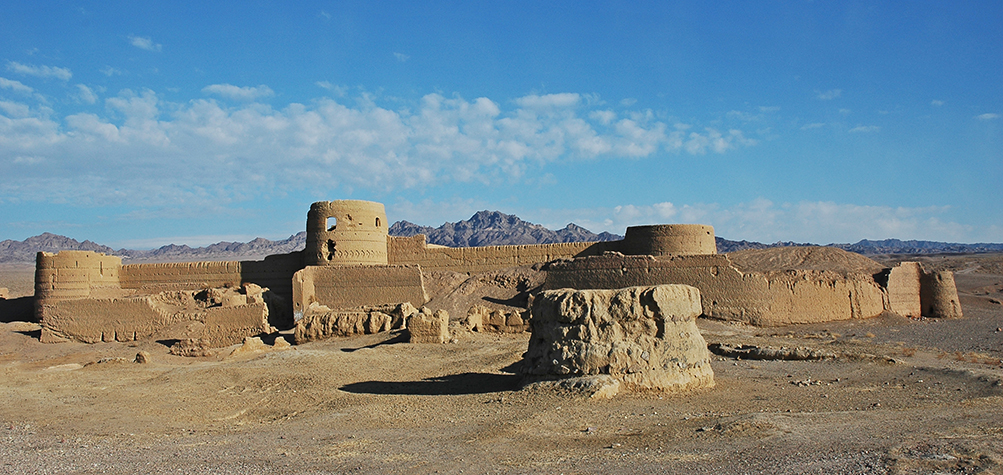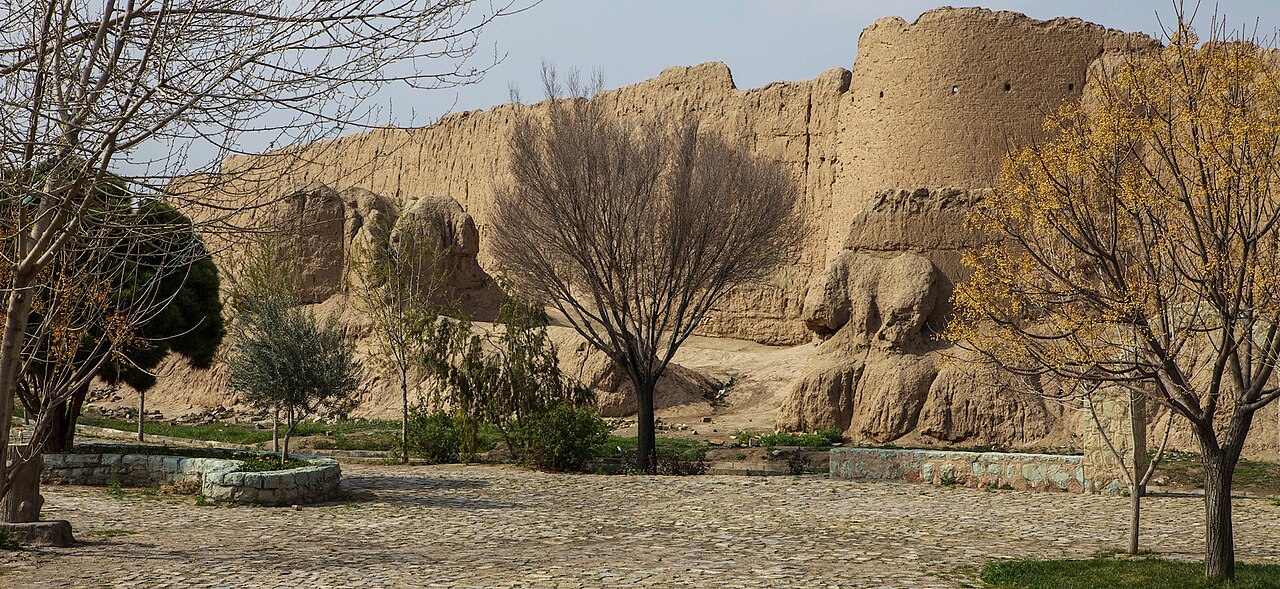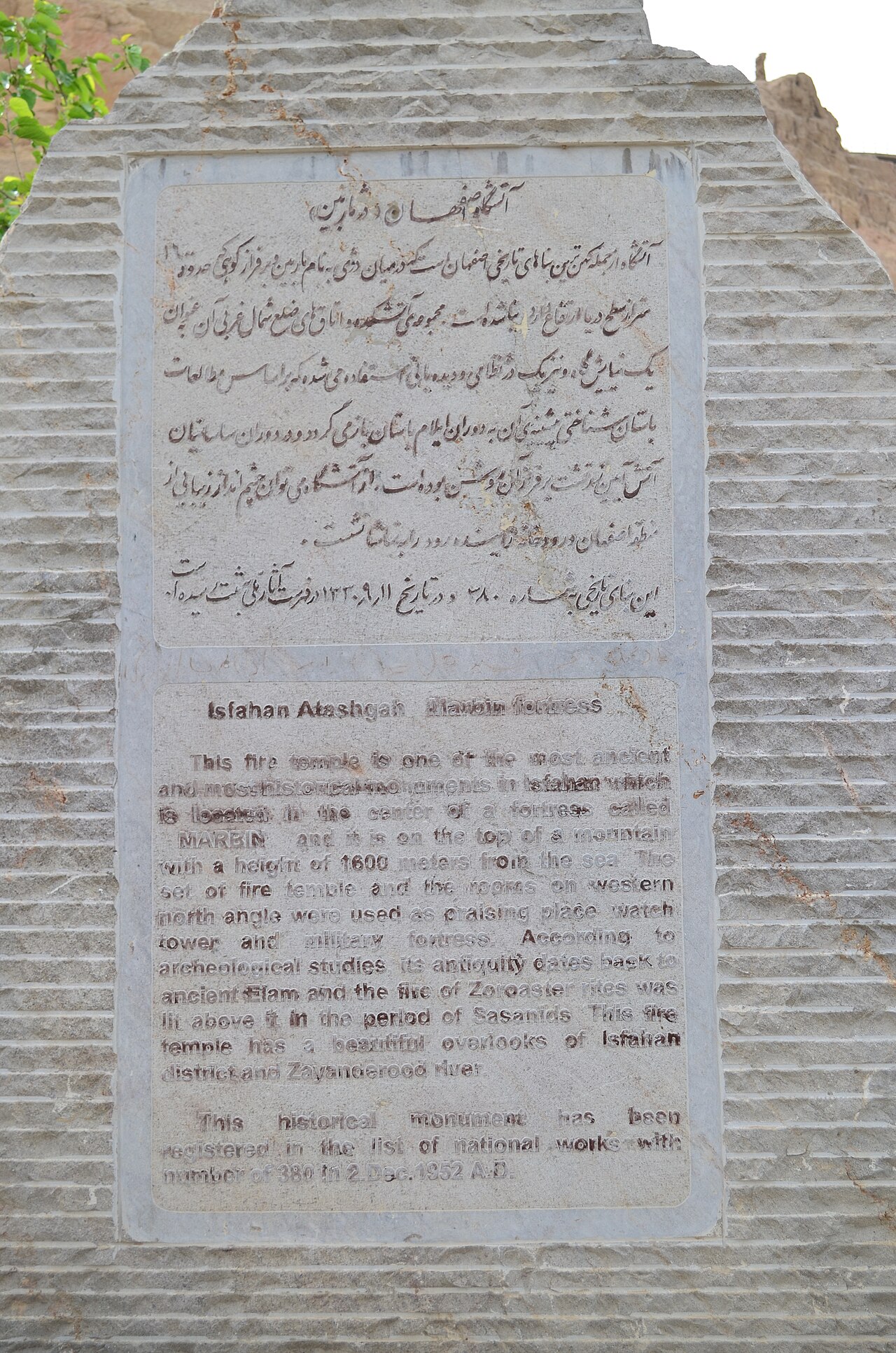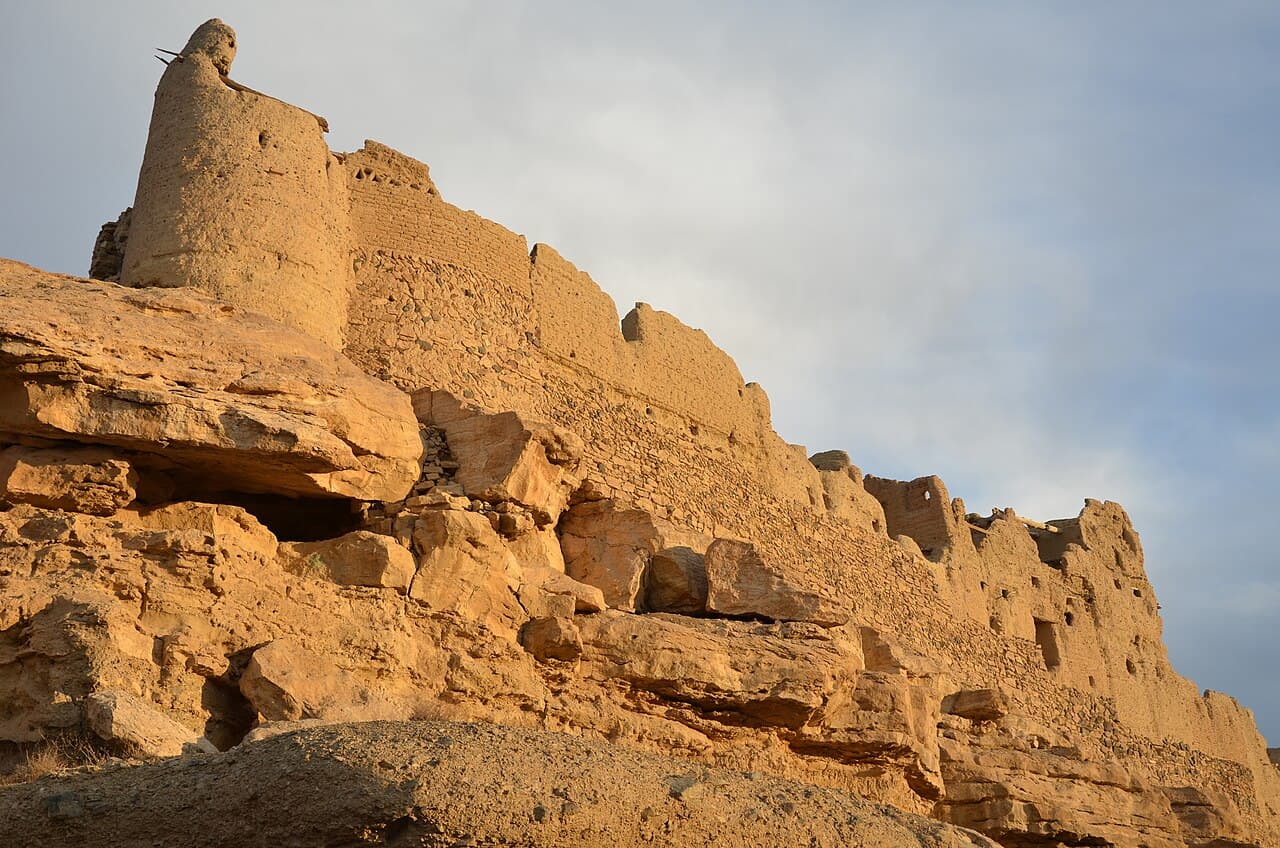
Tarq Castle, also known as Tarqrud Castle, is a significant ancient fortress located in the city of Tarqrud within the Central District of Natanz County, in Isfahan province, Iran. This castle stands as a remarkable example of early defensive architecture from the Parthian Empire period, dating back to the 3rd century BC. It is classified as a hill castle, strategically positioned on elevated terrain to maximize its defensive capabilities and surveillance over the surrounding landscape.
Historical context and significance
The origins of Tarq Castle trace back to the era of the Parthian Empire (247 BC – 224 AD), a major Iranian political and cultural power that controlled vast territories across the region. The Parthians were known for their military prowess and architectural innovations, particularly in fortification design. Tarq Castle served as a military stronghold and administrative center during this period, playing a role in regional defense and control.
The castle's location in Natanz County places it within a historically strategic corridor in central Iran, an area that was important for trade routes and military movements. The Parthian Empire's use of such fortifications reflects their need to secure their borders and maintain control over key territories.
Architectural features and construction
As a hill castle, Tarq Castle was constructed to take advantage of natural topography. The elevated site provided a commanding view of the surrounding region, enabling early detection of approaching enemies. The castle's walls and defensive structures were likely built using locally sourced stone and mud-brick materials, typical of Parthian construction techniques.
While detailed architectural plans of Tarq Castle are limited, it is probable that the fortress included thick defensive walls, watchtowers, and possibly a central keep or fortified inner area. Such features were common in Parthian military architecture to provide layered defense and secure living quarters for troops and commanders.
The castle's design would have incorporated elements to withstand sieges, including narrow entrances, battlements for archers, and possibly water storage facilities to endure prolonged attacks. The use of natural rock formations in the castle's construction may also have contributed to its defensive strength.
Preservation and current condition
Today, Tarq Castle remains an important archaeological site, though it is in a state of ruins. The passage of time, natural erosion, and human activity have affected the structural integrity of the castle. Despite this, significant portions of the walls and foundations are still visible, offering valuable insights into ancient Iranian fortification methods.
Preservation efforts have been limited, but the site continues to attract historians, archaeologists, and visitors interested in Iran's rich cultural heritage. The castle's ruins contribute to the understanding of early medieval military architecture in the region and the legacy of the Parthian Empire.
Visiting Tarq Castle
Visitors to Tarq Castle can explore the remains of this ancient fortress and appreciate its historical context within the broader landscape of Isfahan province. The castle's hilltop location provides scenic views and a tangible connection to Iran's early medieval past.
Access to the site may require some hiking or climbing due to its elevated position, and visitors are encouraged to prepare accordingly. The castle is an excellent destination for those interested in archaeology, history, and traditional Iranian architecture.
Nearby attractions
Natanz County is known for its historical and natural attractions, including other ancient sites and traditional Persian gardens. Visitors to Tarq Castle often combine their visit with trips to these nearby landmarks to gain a fuller appreciation of the region's cultural and historical significance.
Frequently asked questions (FAQ)
- What is the historical significance of Tarq Castle?
- Tarq Castle is a remarkable example of Persian architecture dating back to the Safavid period. It played a crucial role in the region's defense and has witnessed various historical events, making it an important cultural landmark in Tarqrud.
- When was Tarq Castle built?
- The construction of Tarq Castle began in the late 16th century and was completed in the early 17th century. It was built during the reign of the Safavid dynasty, reflecting the architectural style of that era.
- How do I get to Tarq Castle?
- Tarq Castle is located in Tarqrud, Iran, and can be accessed by car or public transportation from nearby cities. Visitors are encouraged to check local transport schedules for the best routes to reach the castle.
- What are the opening hours for Tarq Castle?
- Tarq Castle is open to visitors from 9 AM to 5 PM daily. It is advisable to visit early in the day to avoid crowds and enjoy a more peaceful experience.
- Can I take photos inside Tarq Castle?
- Yes, photography is allowed inside Tarq Castle, but visitors are asked to be respectful of the site and other guests. Capturing the intricate architectural details and stunning views from the castle is highly encouraged.
- What is the best time to visit Tarq Castle?
- The best time to visit Tarq Castle is during the spring and autumn months when the weather is mild and pleasant. These seasons provide an ideal environment for exploring the castle and surrounding landscapes.
- Is it possible to purchase tickets in advance for Tarq Castle?
- Currently, tickets for Tarq Castle can be purchased on-site at the entrance. It is recommended to arrive early, especially during peak tourist season, to avoid long waiting times.
- Are there any nearby attractions to visit after Tarq Castle?
- Yes, nearby attractions include the historic town of Tarqrud and several natural parks that offer beautiful landscapes. Visitors can also explore local markets and enjoy the regional cuisine after their visit to the castle.
- Is Tarq Castle accessible for visitors with mobility issues?
- Tarq Castle has some areas that may be challenging for visitors with mobility issues due to its historical structure. However, the management is working on improving accessibility features, so it's best to check in advance for specific accommodations.
Photo gallery

Information
Loading map...
Visitor reviews
No reviews yet. Been here? Write the first review and help other travelers!
Write the first reviewVisited this castle? Share your experience
Your review helps other travelers and adds first-hand knowledge to our encyclopedia.