Marbin Fortress
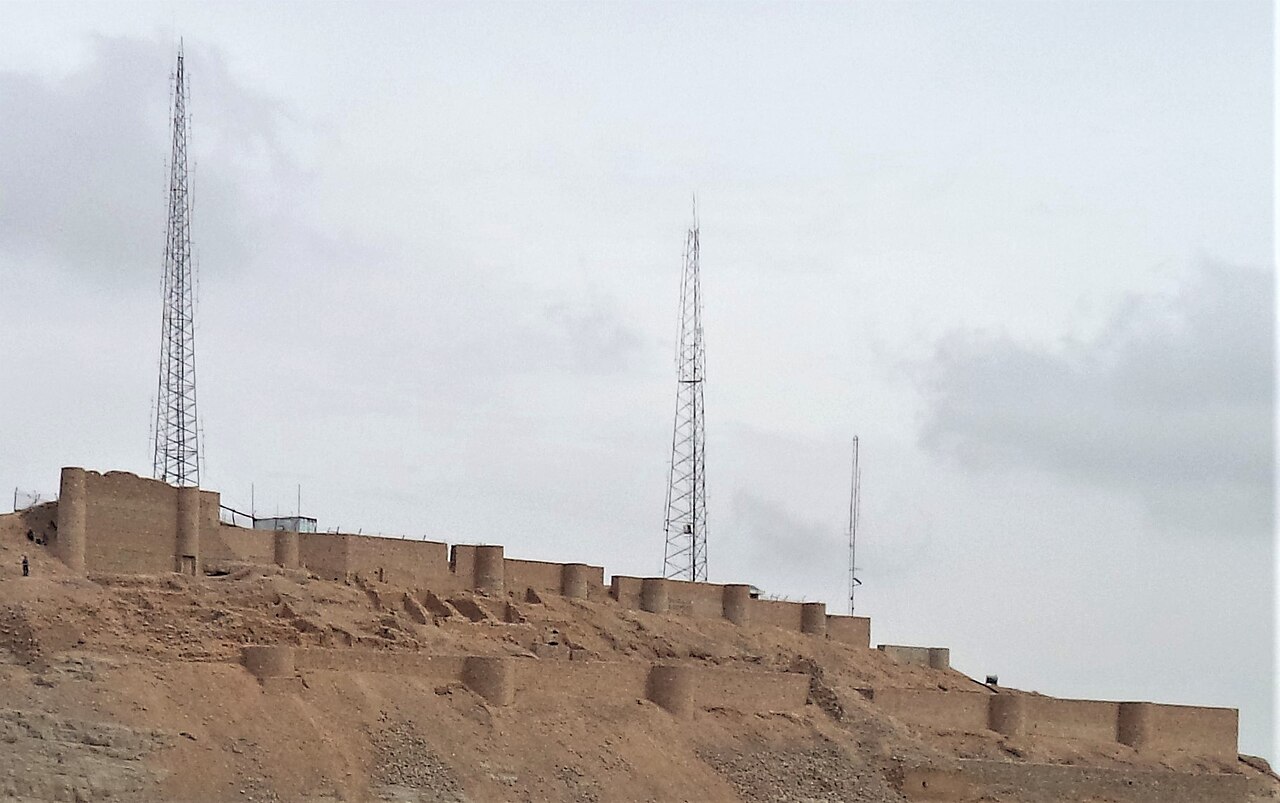
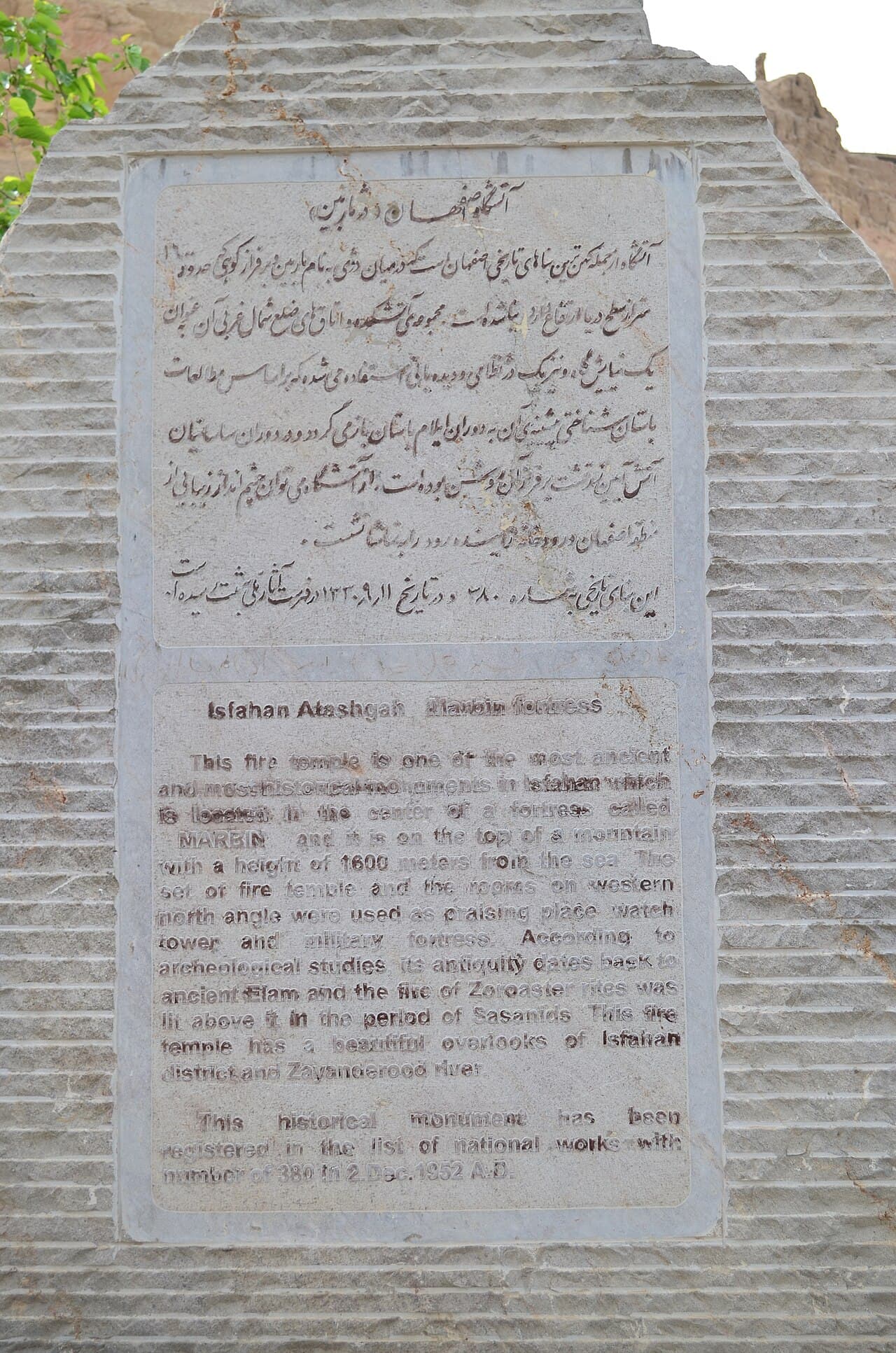
The Marbin Fortress, also known historically as the Fire Temple of Isfahan, is a significant Sasanian era archaeological complex located on a prominent hill approximately 8 kilometers west of the city center of Isfahan, Iran. This site is situated on a hill rising about 210 meters above the surrounding plain, historically known as Maras or Marabin after a nearby village. The fortress and temple complex holds considerable importance due to its architectural and cultural heritage dating back to the Sasanian Empire, which ruled from 224 to 651 AD.
Historical context and significance
The Sasanian Empire was the last pre-Islamic Persian empire, known for its advancements in art, architecture, and religion. The Fire Temple of Isfahan served as a religious center dedicated to Zoroastrianism, the dominant faith of the empire, where sacred fires were kept burning continuously as a symbol of divine presence. The temple's location on a hilltop not only provided a strategic defensive position but also symbolized spiritual elevation.
Arab historians referred to the site as Marabin, linking it to the nearby village and emphasizing its regional importance during and after the Islamic conquest of Persia. The fortress and temple complex likely functioned both as a religious sanctuary and a military bastion, reflecting the dual nature of such sites in the Sasanian period.
Architectural features and layout
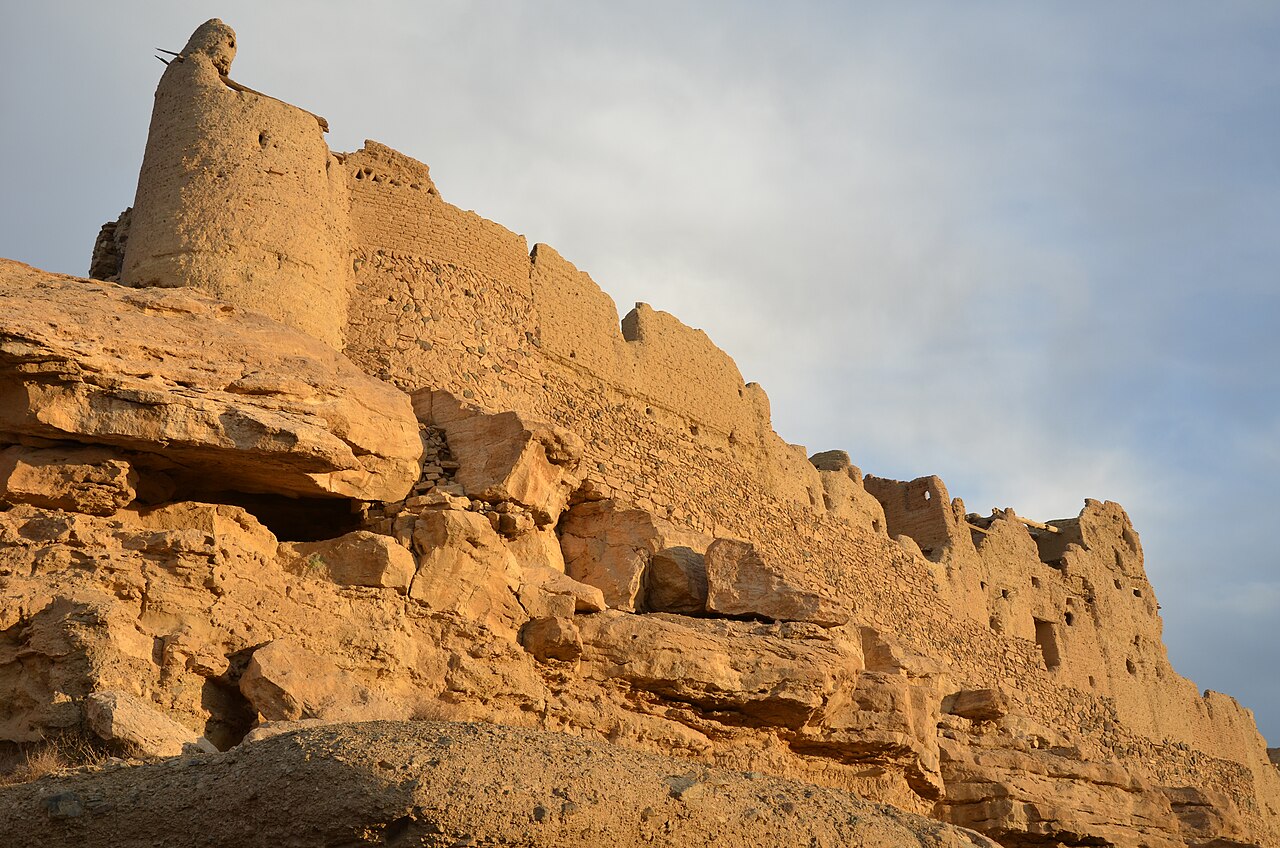
The Marbin Fortress exhibits characteristics of a bastioned fortress, a style that incorporates fortified walls with projecting bastions for enhanced defense. Although much of the original structure is now in ruins, archaeological studies reveal the presence of robust defensive walls constructed from stone and mortar, designed to withstand sieges.
The complex includes remnants of the fire temple itself, which traditionally would have housed the sacred fire altar within a domed sanctuary. Surrounding the temple are defensive walls with battlements and towers that provided vantage points for guards. The hilltop location allowed for extensive visibility over the surrounding plain, crucial for early warning against potential attacks.
Defensive elements
The fortress's bastions were strategically placed to cover all approaches, enabling defenders to repel attackers effectively. The walls likely featured crenellations and arrow slits, typical of Sasanian military architecture, facilitating archery and surveillance. The elevated position also made direct assaults difficult, enhancing the fortress's defensive capabilities.
Cultural and religious importance
The fire temple at Marbin was a vital religious site for Zoroastrians, serving as a place where the sacred fire was maintained by priests known as magi. The continuous burning of fire symbolized purity and the presence of Ahura Mazda, the supreme deity in Zoroastrianism. This religious function imbued the fortress with spiritual significance beyond its military role.
Following the Islamic conquest, the site gradually lost its religious function but remained an important historical landmark. The preservation of the ruins offers insight into the religious practices and architectural styles of the late pre-Islamic period in Iran.
Archaeological research and preservation
Archaeological excavations at Marbin have uncovered artifacts and structural remains that contribute to understanding Sasanian religious architecture and fortress construction. The site's elevated position and relatively well-preserved defensive structures provide valuable data on the military strategies of the period.
Today, Marbin Fortress stands as an archaeological site reflecting the intersection of religious and military architecture in the Sasanian era. Efforts to study and conserve the site continue, highlighting its importance for Iranian cultural heritage and the broader history of ancient Persia.
Visiting Marbin Fortress
Located near Isfahan, one of Iran's major historical cities, the Marbin Fortress is accessible to visitors interested in ancient Persian history and archaeology. The site offers panoramic views of the surrounding landscape and a tangible connection to the Sasanian period's religious and military traditions.
Visitors should prepare for a hike up the hill to explore the ruins, as the site is situated on elevated terrain. While facilities are limited, the historical significance and scenic views make it a rewarding destination for those fascinated by ancient fortifications and Zoroastrian heritage.
Frequently asked questions (FAQ)
- What is the historical significance of Marbin Fortress?
- Marbin Fortress is a Sasanian era site that served as both a religious fire temple and a military bastion, reflecting the cultural and strategic priorities of ancient Persia.
- Can visitors access Marbin Fortress easily?
- The fortress is located on a hill near Isfahan and requires a hike to reach. While facilities are limited, visitors can explore the ruins and enjoy panoramic views.
- What architectural features are notable at Marbin Fortress?
- The fortress features bastioned defensive walls, battlements, and towers typical of Sasanian military architecture, along with remnants of the fire temple sanctuary.
- When was Marbin Fortress built?
- Marbin Fortress dates back to the Sasanian era, approximately between 224 and 651 AD.
- Why was the fire temple important in Sasanian Persia?
- The fire temple housed a sacred fire that symbolized purity and the divine presence of Ahura Mazda, central to Zoroastrian religious practice.

Information
Loading map...
Visitor reviews
No reviews yet. Been here? Write the first review and help other travelers!
Write the first reviewVisited this castle? Share your experience
Your review helps other travelers and adds first-hand knowledge to our encyclopedia.