Sevnica Castle
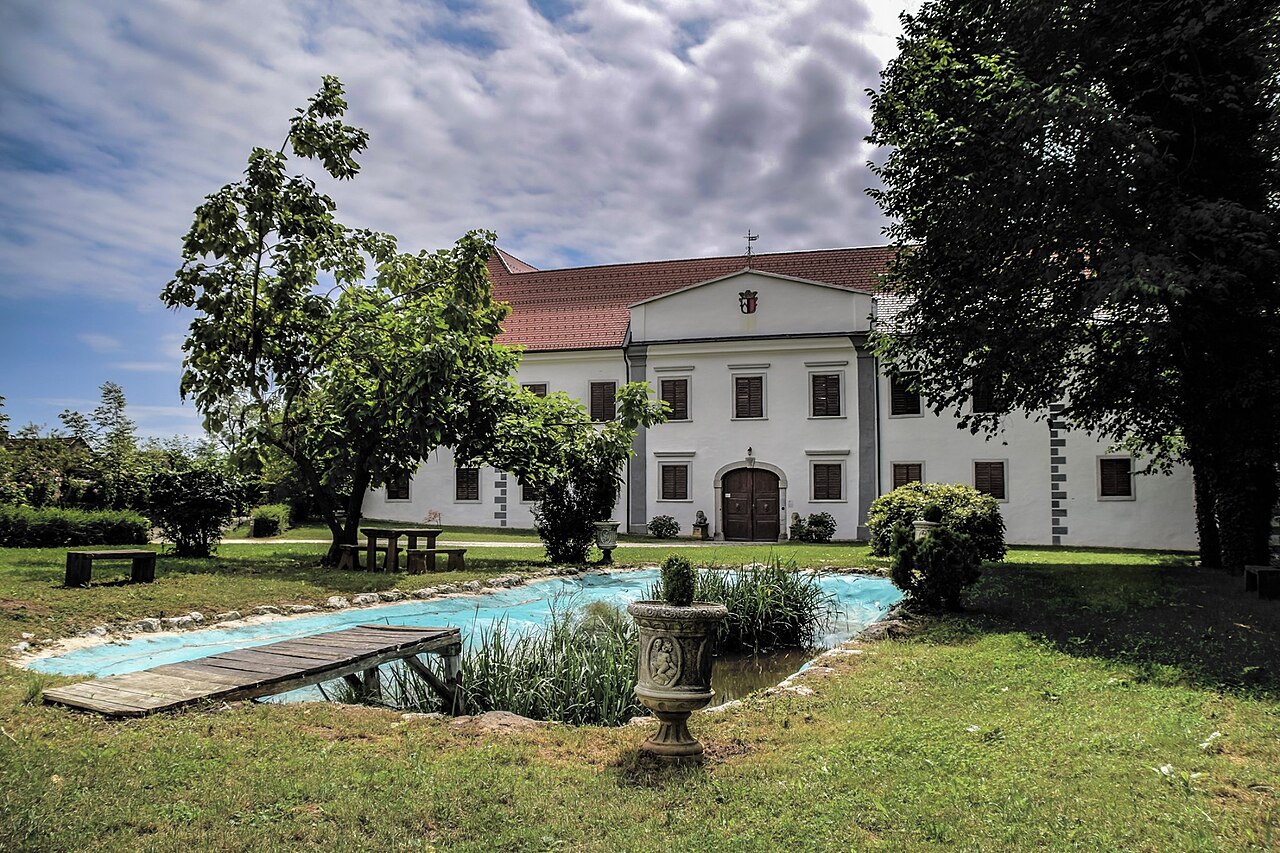
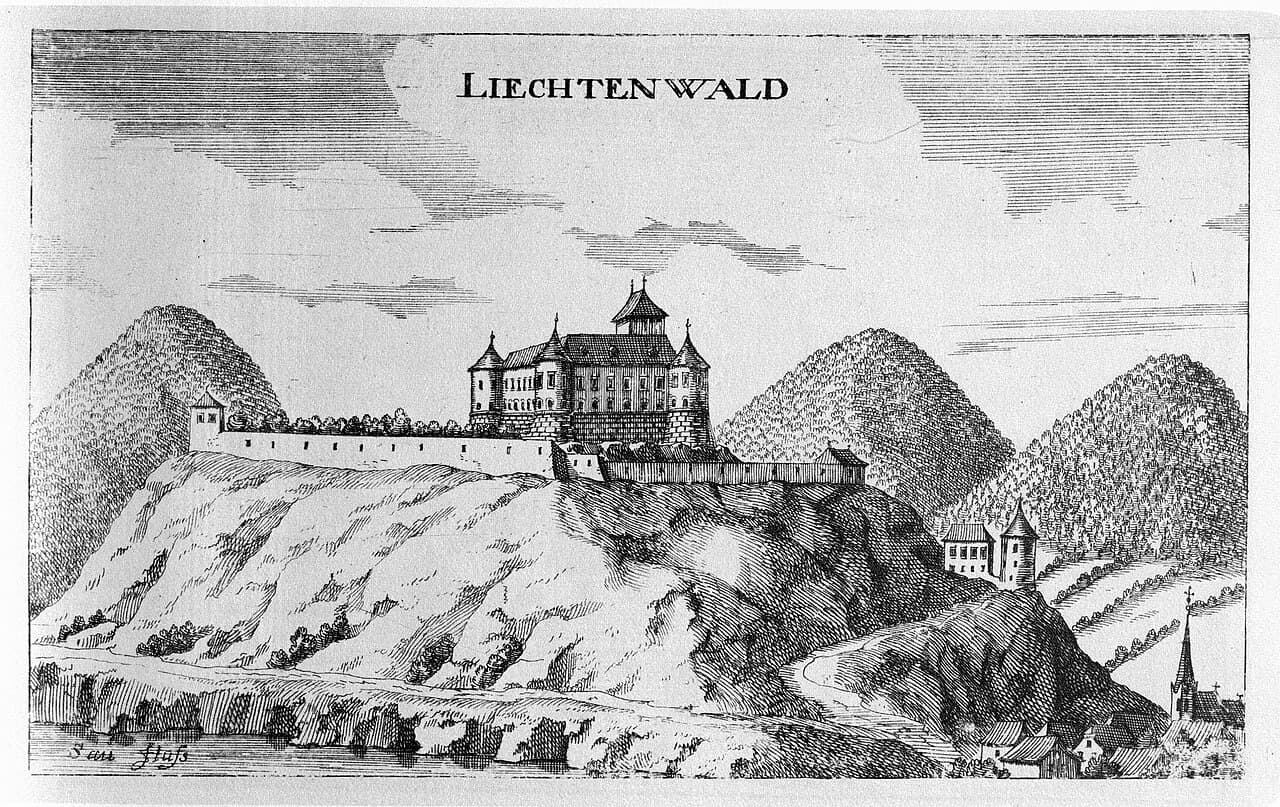
Sevnica Castle stands prominently on a hill overlooking the old town of Sevnica in the Lower Sava Valley of Slovenia. This high medieval hill castle dates back to the 12th century and offers commanding views of the surrounding countryside, reflecting centuries of strategic importance and architectural evolution.
Early origins and medieval foundations
The castle's earliest documented mention is from 1309, though its origins likely trace to the episcopacy of Konrad I von Abensberg (1106–1147), the Archbishop of Salzburg. During his tenure, the region was undergoing reconstruction after devastation caused by Hungarian invasions in the 10th and early 12th centuries. The castle was part of a broader effort by the Archdiocese of Salzburg to secure and colonize these territories. The only surviving element from this initial construction phase is a medieval tower now incorporated into the castle's left wing, serving as a tangible link to its early defensive role.
Renaissance transformation and architectural features
In the mid-16th century, the castle saw significant additions including the construction of the so-called Lutheran Cellar on the southeast side of the castle hill. This cellar is notable for its 16th-century frescoes that adorn its interior walls, reflecting the artistic influences of the period.
Between 1595 and 1597, the nobleman Innocenz Moscon undertook a major reconstruction of the castle, remodeling it in the Late Renaissance style. This renovation gave Sevnica Castle much of its present form, characterized by refined architectural details and a more residential character compared to its original military function. The castle's battlements were later lowered, and the defensive moats were filled in during the 19th century, marking a shift from fortification to a stately residence surrounded by landscaped grounds.
Castle layout and structural elements
The castle complex includes multiple wings arranged around a central courtyard, with the original tower incorporated into the left wing. The presence of a park and vineyard terraces on the south side of the castle hill, established in the 19th century, reflects the changing use of the site from military fortress to noble estate. The vineyard terraces were part of the estate improvements made by Count Johann Händl von Rebenburg after he acquired the castle in 1803.
Historical ownership and events
Sevnica Castle remained under the ownership of the Archdiocese of Salzburg until 1803. During this period, it served as a regional administrative and defensive center. The castle sustained damage from storms and fires in 1778 and 1801, which necessitated repairs and alterations.
Following secularization, the castle passed into private hands with Count Johann Händl von Rebenburg becoming the proprietor. His tenure saw significant landscaping changes, including the planting of trees in the park and the establishment of vineyards, which transformed the castle grounds into a more cultivated and leisurely environment.
20th-century decline and restoration efforts
After World War II, Sevnica Castle was nationalized, a fate common to many Slovenian castles. The valuable original furnishings disappeared during this period. The castle was repurposed to house poor families, who unfortunately contributed to the deterioration of its interiors and structural fabric. The surrounding park and vineyard fell into neglect, and the wine cellar adjacent to the Lutheran Cellar was removed due to disuse.
Restoration efforts began in the 1960s, aiming to preserve and rehabilitate the castle's historic fabric and architectural features. Today, Sevnica Castle is well preserved and serves as a cultural hub, housing the School and Firefighting Museum, the Museum of Exiles, and an exhibition dedicated to decorative arts. These institutions highlight the castle's role in regional history and its adaptation to modern cultural uses.
Cultural significance and visitor experience
Sevnica Castle is a prominent example of a hill castle that evolved through multiple historical periods, from its high medieval origins through a significant late renaissance transformation. Its architectural layers provide insight into the changing defensive, residential, and cultural needs over centuries.
Visitors to the castle can explore its historic rooms, view the well-preserved frescoes in the Lutheran Cellar, and enjoy panoramic views of the Lower Sava Valley. The castle's museums offer educational exhibits on local history, firefighting heritage, and the experiences of exiles, enriching the visitor's understanding of the region's complex past.
Frequently asked questions (FAQ)
- What is the historical significance of Sevnica Castle?
- Sevnica Castle, dating back to the 12th century, is an important cultural landmark in Slovenia. It played a crucial role in the region's defense and served as a residence for various noble families throughout its history, reflecting the architectural style and feudal system of its time.
- When was Sevnica Castle built?
- Sevnica Castle was originally constructed in the late 12th century, with significant renovations occurring in the 16th and 17th centuries. Its long history is evident in the blend of architectural styles that can be seen throughout the castle.
- Can I visit Sevnica Castle?
- Yes, visitors are welcome to explore Sevnica Castle. The castle offers guided tours, allowing you to learn about its fascinating history, architecture, and the surrounding landscape.
- What are the opening hours for Sevnica Castle?
- Sevnica Castle is typically open to visitors from Tuesday to Sunday, with hours varying by season. It is advisable to check the castle's official website for the most current opening times before planning your visit.
- Is it possible to access Sevnica Castle with limited mobility?
- Sevnica Castle has some accessibility features, but due to its historic nature and terrain, certain areas may be challenging for visitors with limited mobility. It’s best to contact the castle staff in advance to inquire about specific accessibility options.
- When is the best time to visit Sevnica Castle?
- The best time to visit Sevnica Castle is during the spring and early autumn months when the weather is mild and the surrounding landscape is particularly beautiful. These seasons also tend to have fewer crowds, allowing for a more enjoyable experience.
- What are the ticket prices for Sevnica Castle?
- Ticket prices for Sevnica Castle are generally affordable, with discounts available for students and seniors. It’s a good idea to check the official website for the latest pricing information and any special promotions.
- What nearby attractions can I visit while at Sevnica Castle?
- While visiting Sevnica Castle, you can also explore the charming town of Sevnica, known for its picturesque streets and local shops. Additionally, the nearby Veliki Osolnik viewpoint offers stunning views of the surrounding countryside and is a great spot for photography.
Photo gallery

Photo by Georg Matthäus Vischer•Public domain
Information
Loading map...
Visitor reviews
No reviews yet. Been here? Write the first review and help other travelers!
Write the first reviewVisited this castle? Share your experience
Your review helps other travelers and adds first-hand knowledge to our encyclopedia.