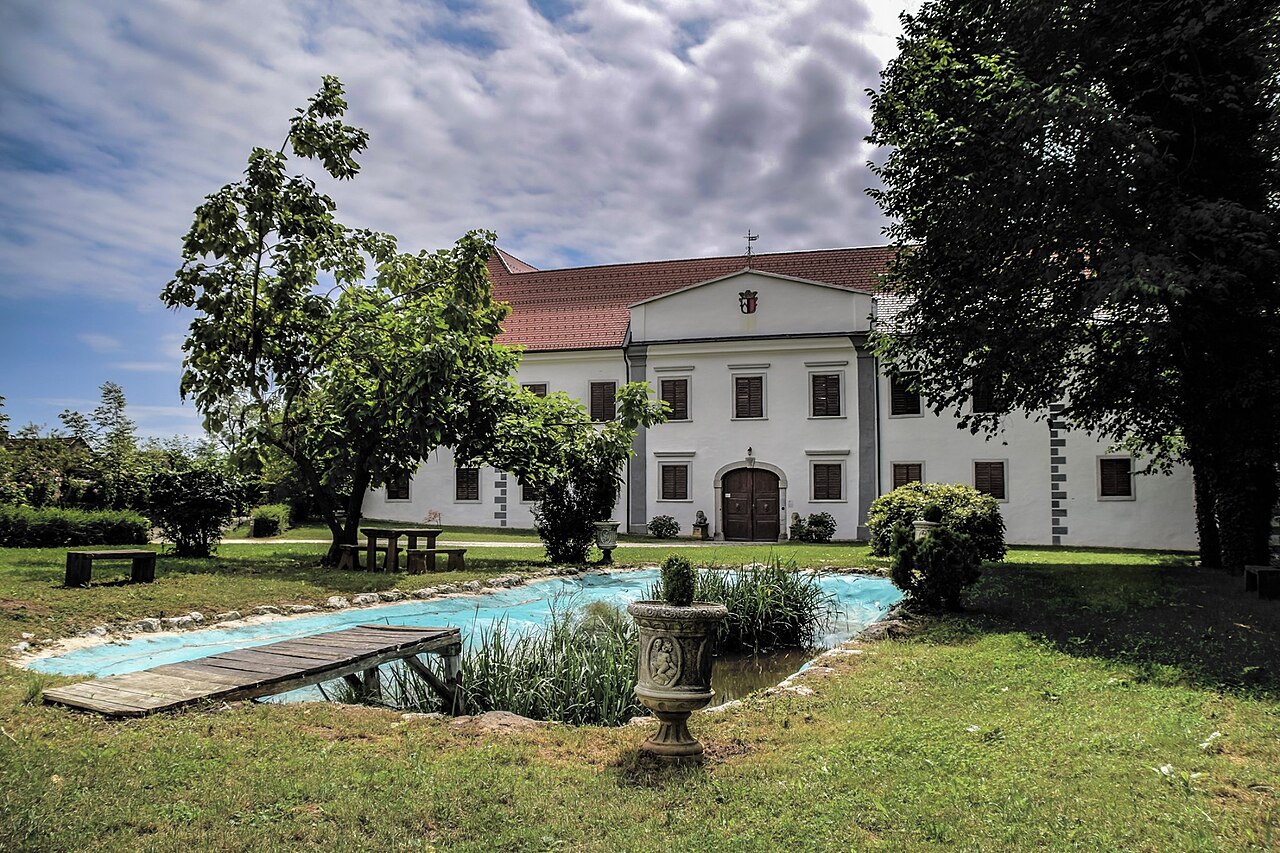
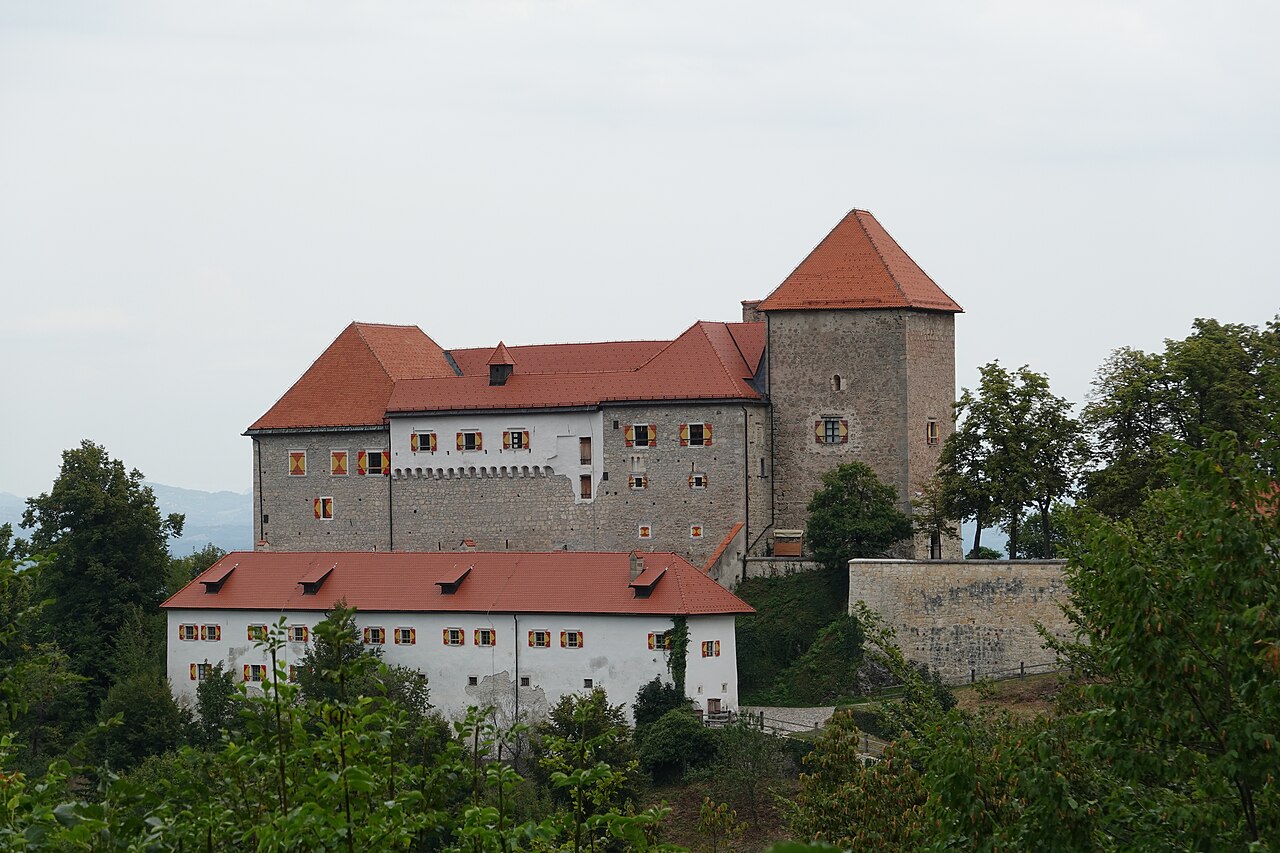
Rajhenburg Castle
Rajhenburg Castle is a historic fortress located in Brestanica, Slovenia, with origins tracing back to the 9th century. While the earliest structure was demolished in the early 10th century, the castle as it stands today largely derives from renovations undertaken between 1131 and 1147 under the direction of Bishop Konrad of Salzburg. This period marks the beginning of the castle's Romanesque architectural elements, particularly evident in the robust perimeter walls and the original chapel portal, which have survived through centuries of modification and reconstruction.
The early history and medieval origins
The site of Rajhenburg Castle was initially fortified in the 9th century, a time when fortifications were crucial for controlling local territories and trade routes. The original fortress was destroyed in the early 900s, but its strategic importance led to its reconstruction in the High Medieval period. The castle was significantly rebuilt in the 12th century, with the Romanesque style dominating its early architectural features. The thick perimeter walls from this era demonstrate the medieval emphasis on defense and durability.
Renaissance transformation and artistic heritage
Around 1600, Rajhenburg Castle underwent a major transformation into a Renaissance residence. This period introduced a more refined architectural style, focusing on comfort and artistic expression alongside military functions. One of the castle's most remarkable features is the discovery of 16th-century frescoes, dating from the 1520s. These frescoes are among the oldest surviving castle paintings in Slovenia and depict allegorical representations of Christian virtues. On the first floor, visitors can find a nearly hidden secular fresco created by the Master from Marija Gradec around 1530, illustrating the cultural richness of the castle during the Renaissance.
Architectural features and interior details
The castle's Romanesque perimeter walls remain a significant architectural feature, showcasing the construction techniques of the 12th century with their massive stonework and defensive design. The castle chapel retains its original Romanesque portal, a rare survival that connects visitors to the medieval origins of the site, despite the chapel itself being sturdily reconstructed in the 16th century. Inside, the castle contains several profiled timber work ceilings and terraced walls, adding to its architectural complexity. A unique aspect of Rajhenburg Castle is the architectural decoration of the inner façades, which reflects the blend of medieval fortification and Renaissance residential aesthetics.
Notable owners and historical roles
Throughout its history, Rajhenburg Castle was owned by several prominent families and groups, including the Rajhenburg noble family, the Moscon noble family, the Knights Gradeneck, the Barons Gall Galenstein, and the Counts Attems. Each of these owners contributed to the castle's development and its role in regional politics and society.
20th-century history and modern use
In 1884, the castle became home to Trappist monks, who established a chocolate and liqueur production facility within its walls. However, the castle's role shifted dramatically during World War II. In April 1941, the German forces converted Rajhenburg Castle into a central camp for deporting Slovenes. Approximately 45,000 Slovenes were sent into exile from this location during the war. After the conflict, the castle was repurposed as a women's prison, reflecting its continued use as a site of confinement and control.
In 1968, Rajhenburg Castle was transformed into the Museum of Political Prisoners, Internees and Deportees, affiliated with the National Museum of Contemporary History. This permanent exhibition operated until 2011. Following a comprehensive renovation, the castle reopened in 2013 with a new exhibition dedicated to the Trappist order, highlighting the religious and cultural history of the monastic community that once inhabited the site.
Visiting Rajhenburg Castle today
Today, Rajhenburg Castle stands as a well-preserved historical monument that offers visitors insight into medieval fortifications, Renaissance art, and 20th-century history. Its combination of architectural styles and layers of history make it a significant cultural landmark in Slovenia. The castle's exhibitions provide educational opportunities about its varied past, from noble residence to monastic production site, wartime deportation camp, and museum.
Frequently asked questions (FAQ)
- What is the historical significance of Rajhenburg Castle?
- Rajhenburg Castle, located in Brestanica, Slovenia, dates back to the 12th century and has played a pivotal role in the region's history. Originally built as a defensive fortress, it has witnessed numerous historical events and changes in ownership, reflecting the rich cultural heritage of Slovenia.
- When was Rajhenburg Castle built?
- Rajhenburg Castle was constructed in the 12th century, making it one of the oldest castles in Slovenia. Over the centuries, it has undergone various renovations and expansions, showcasing different architectural styles from different eras.
- Can I visit Rajhenburg Castle?
- Yes, Rajhenburg Castle is open to the public, and visitors can explore its rich history and stunning architecture. Guided tours are available, providing insights into the castle's past and the surrounding area.
- What are the opening hours for Rajhenburg Castle?
- Rajhenburg Castle typically opens from 10 AM to 6 PM during the tourist season, but it's advisable to check for specific dates and hours as they may vary. In the off-season, the hours may be reduced, so it's best to confirm before planning your visit.
- Is it possible to access Rajhenburg Castle with limited mobility?
- Rajhenburg Castle has some accessibility features, but due to its historical nature, certain areas may be challenging for those with limited mobility. It's recommended to contact the castle's administration in advance to inquire about the best routes and accommodations available.
- What is the best time to visit Rajhenburg Castle?
- The best time to visit Rajhenburg Castle is during the spring and early autumn when the weather is mild and the surrounding landscapes are particularly beautiful. Additionally, these seasons are less crowded, allowing for a more enjoyable experience.
- What are the ticket prices for Rajhenburg Castle?
- Ticket prices for Rajhenburg Castle vary, with discounts available for children, students, and seniors. It's advisable to check the official website or contact the castle for the most current pricing information before your visit.
- Are there any nearby attractions to visit along with Rajhenburg Castle?
- Yes, nearby attractions include the picturesque town of Brestanica and the scenic Krško Field, which offer opportunities for hiking and exploring local culture. Visitors can also enjoy nearby wineries and other historical sites that contribute to the area's charm.
Information
Website
Visit websiteSources & official resources
Verify the information above using these authoritative references.
Loading map...
Visitor reviews
No reviews yet. Been here? Write the first review and help other travelers!
Write the first reviewVisited this castle? Share your experience
Your review helps other travelers and adds first-hand knowledge to our encyclopedia.