Serpa Castle
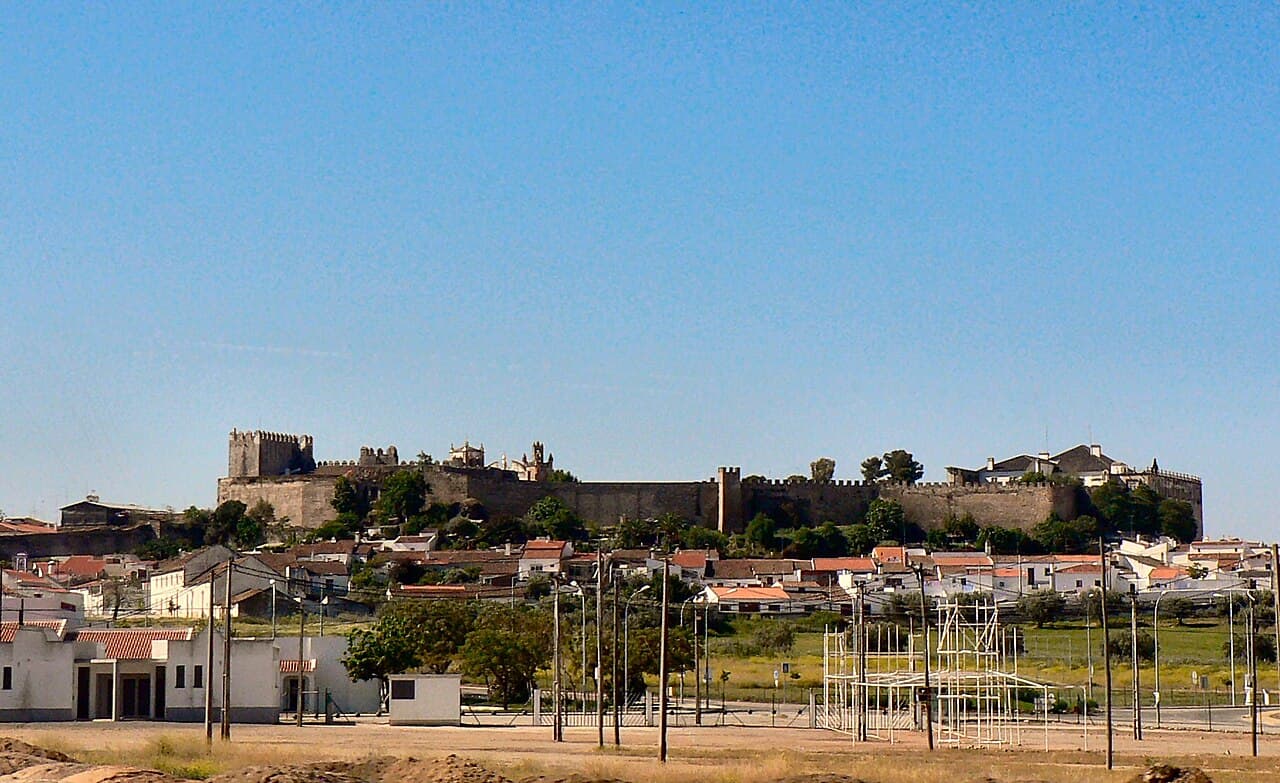
Serpa Castle, known locally as Castelo de Serpa, stands as a remarkable example of a fortified medieval town in the Beja region of Portugal's Baixo Alentejo. Perched on a hill approximately 230 meters above sea level, the castle occupies a strategic position overlooking the surrounding plains. Its origins trace back to the 8th century, when the site was first fortified by the Moors during their occupation of the Iberian Peninsula.
The castle's early fortifications were built using rammed earth and mud walls characteristic of early medieval Islamic military architecture. The site itself, however, has a much longer history of human occupation, with archaeological evidence indicating prehistoric settlement and later Roman fortifications guarding the route between Beja and southern Hispania. Following the fall of the Roman Empire, the area was successively controlled by the Alans, Vandals, Suebi, and Visigoths before the Muslim conquest.
Medieval reconquest and disputes
During the Christian Reconquista, Serpa was first captured around 1166, possibly by forces under King Afonso Henriques or the knight Geraldo Sem-Pavor. However, this victory was short-lived as the Almohad Caliphate under Yaqub al-Mansur retook the castle and surrounding region in 1191, extending their control up to the Tagus River. The castle finally returned to Christian hands in 1232 when King Sancho II of Portugal conquered it and granted it to his brother Fernando.
The latter half of the 13th century saw a prolonged dispute over Serpa between the kingdoms of Portugal and Castile. The town was ceded to Castile in 1271 but restored to Portuguese control in 1283 by Queen Beatriz. This political tug-of-war delayed the consolidation of the castle until 1285, when it was definitively assigned to Portugal. Subsequently, the Portuguese initiated significant rebuilding of the castle and town walls, incorporating the older Muslim fortifications.
Fortifications and architectural features
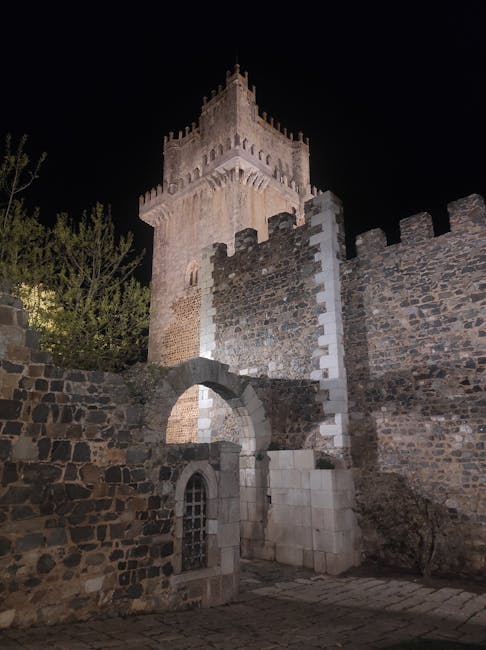
By the early 16th century, Serpa Castle had evolved into a substantial stronghold, as documented in Duarte de Armas's Book of Fortresses (c. 1509). The castle featured a double perimeter of walls forming an irregular oval, reinforced by a combination of rectangular and semicircular towers. These walls were crowned with prismatic battlements, providing effective defensive cover. The castle's main gates—Porta de Moura (northeast), Porta de Beja (northwest), and the now-lost Porta de Sevilha (south)—were each flanked by twin cylindrical towers with distinctive five-sided merlons.
Within the fortifications lies a quadrangular alcazaba, or citadel, which served as the last refuge during sieges. The southern wall of the alcazaba is anchored by a large square keep tower, though only its lower portions survive today. Additional defensive structures include a semicircular tower and a rectangular tower at the southeast angle, near remnants of the barbican that once protected the main gate.
Hydraulic engineering and infrastructure
Serpa Castle also incorporated advanced hydraulic features for its time. A unique aqueduct runs along the western curtain wall, supported by rounded stone arches. This aqueduct connected the northern fortifications to the Palace of the Counts of Ficalho, supplying water to the palace and surrounding areas. At the southeast corner stands a large 17th-century water wheel, known locally as a "nora," which drew water from a well to aid the castle's water supply system. These features highlight the integration of defensive and domestic needs within the castle complex.
Historical significance through the centuries
Serpa Castle played a pivotal role in numerous historical events. During the 1383–1385 Portuguese succession crisis, the castle supported the Master of Avis, serving as a strategic base for Portuguese military operations against Castile. The town suffered depopulation due to wars and pestilence, prompting King Afonso V in 1455 to grant tax exemptions to encourage repopulation, particularly targeting foreign settlers.
In the late 15th and early 16th centuries, under King Manuel I, the castle's fortifications were well-maintained and documented. The castle and town were granted to Manuel's son, Infante Luís, Duke of Beja, reflecting its continued importance.
The Portuguese succession crisis of 1580 saw Serpa fall to Spanish forces under Sancho d’Ávila, largely due to insufficient garrisoning. It was returned to Portuguese control after the Restoration War in 1640. Subsequently, the castle underwent modernization led by architect Nicolau de Langres, culminating in the construction of the Fort of São Pedro de Serpa in 1668.
During the War of the Spanish Succession, a retreating Spanish army caused a catastrophic explosion in 1707, destroying one of the castle's towers and effectively ending its military use. The castle was abandoned and gradually fell into ruin, exacerbated by 19th-century landslides.
Modern preservation and cultural heritage
Recognized for its historical and architectural value, Serpa Castle was declared a National Monument in 1954. Restoration efforts began in 1958 and continued through the 20th century, focusing on consolidating the ruins, repairing walls, and clearing vegetation. Despite damage from severe storms in 2000, the castle remains a prominent feature of Serpa's historic center.
The castle complex today includes the Archaeological Museum of Serpa, located within the barbican area. The museum exhibits artifacts spanning from the Paleolithic and Neolithic periods through the Metal Ages and Roman occupation, providing visitors with a deep understanding of the region’s long human history.
Adjacent to the castle is the Church of Santa Maria, originally a Muslim mosque, symbolizing the area's layered religious and cultural history. The nearby Torre do Relógio (Clock Tower), converted in 1440, is one of Portugal’s oldest clock towers, underscoring the town’s civic development.
The Palace of the Counts of Ficalho, integrated into the castle walls, showcases Mannerist architectural style and reflects the evolution of the castle from a purely military fortress to a noble residence and administrative center. Built starting in the late 16th century under Francisco de Melo and continued by his descendants, the palace highlights the castle’s multifaceted role across centuries.
Visiting serpa castle today
Serpa Castle is accessible to visitors during office hours and offers a fascinating glimpse into Portugal’s medieval past. The castle’s well-preserved walls, towers, and integrated palace provide a rich architectural experience. The museum’s archaeological collections add depth to the visit, while the charming walled town of Serpa invites exploration of its historic streets and landmarks.
Visitors can appreciate the castle’s blend of early medieval Islamic fortifications, medieval Christian military architecture, and later Renaissance and Mannerist influences. The site stands as a testament to the region’s complex history of conquest, cultural interchange, and resilience.
Frequently asked questions (FAQ)
- How do I get to Serpa Castle?
- Serpa Castle is located in the town of Serpa, Portugal, and can be easily reached by car or public transport. If you're traveling from major cities like Lisbon or Faro, you can take a bus or drive, as the town is well-connected by road.
- What is the historical significance of Serpa Castle?
- Serpa Castle dates back to the 13th century and is a notable example of medieval military architecture in Portugal. It played a crucial role in the Reconquista, serving as a defensive stronghold against Moorish forces.
- When was Serpa Castle built?
- Serpa Castle was originally constructed in the early 13th century, specifically in 1230, during the time of the Christian reconquest. Its architecture reflects the military needs of that era, characterized by sturdy walls and strategic towers.
- Can I visit Serpa Castle year-round?
- Yes, Serpa Castle is open to visitors throughout the year, although hours may vary seasonally. It's advisable to check the official website for the latest information on opening times and any potential closures due to events or maintenance.
- Why is Serpa Castle a popular tourist attraction?
- Serpa Castle attracts visitors due to its rich history, stunning views of the surrounding landscape, and well-preserved architecture. Additionally, the town of Serpa itself offers charming streets and local culture, making it an excellent destination for history enthusiasts.
- Is it possible to access all areas of the castle?
- While many parts of Serpa Castle are accessible to visitors, some areas may have restricted access for safety reasons. The main towers and walls can be explored, providing a fantastic view of the town and surrounding countryside.
- What are the ticket prices for Serpa Castle?
- The entrance fee for Serpa Castle is quite affordable, typically around 2 to 5 euros per person. Discounts may be available for children, students, and seniors, so be sure to inquire at the entrance.
- What is the best time to visit Serpa Castle?
- The best time to visit Serpa Castle is during the spring and fall when the weather is mild and pleasant. This allows for a comfortable exploration of the castle and its surroundings without the heat of the summer months.
- Are there any nearby attractions to visit after Serpa Castle?
- Yes, nearby attractions include the picturesque town of Serpa itself, with its charming streets, local markets, and traditional cuisine. Additionally, you can explore the surrounding Alentejo region, known for its beautiful landscapes and vineyards.
Photo gallery

Information
Address
Largo dos Santos Próculo e Hilarião, Portugal
Loading map...
Visitor reviews
No reviews yet. Been here? Write the first review and help other travelers!
Write the first reviewVisited this castle? Share your experience
Your review helps other travelers and adds first-hand knowledge to our encyclopedia.