Beja Castle
Beja Castle, locally known as Castelo de Beja, stands prominently in the town of Beja, situated in the Baixo Alentejo region of Portugal. This historic fortress commands attention not only for its imposing presence but also for its deep roots tracing back to antiquity. The castle's origins are closely tied to the Roman era when the settlement was known as Pax Iulia, serving as a regional capital and a strategic military and administrative center.
The earliest fortifications of Beja date from the 3rd or 4th century AD, during the late Roman Empire. These initial defenses were likely constructed in response to increasing threats during the empire's decline and the need to protect this vital Lusitanian hub. The Roman walls, some of which have been archaeologically identified, formed the foundation for subsequent fortifications through the centuries.
Historical significance and early fortifications
Beja's historical importance is underscored by its mention in classical sources such as Ptolemy and Polybius, indicating its role as a notable settlement in the Iberian Peninsula by the 2nd century BC. The city gained particular prominence when Julius Caesar formalized peace with the Lusitanians here in 49 BC, earning the name Pax Julia. This event marked the city as a significant Roman jurisdiction within the province of Lusitania.
Following the Roman period, Beja remained a key stronghold under various rulers, including the Suebi, Visigoths, and later the Muslim Moors, each leaving their imprint on the town's fortifications and urban fabric. The castle and town walls evolved continuously, adapting to changing military technologies and political realities.
Medieval reconquest and castle development
The Christian Reconquista brought further transformation to Beja. The town was first captured by Christian forces in 1159 under King Afonso Henriques but was soon lost again. A second successful but brief Christian occupation occurred in 1162, led by local militias from Santarém. However, the Almohad Caliphate reconquered Beja in 1191 during a major offensive in the region.
It was not until the early 1230s, during the reign of King Sancho II, that Beja was definitively retaken by the Portuguese crown. Subsequent monarchs undertook significant rebuilding efforts to strengthen the town's defenses. King Afonso III initiated restoration of the walls around 1253, financing the works through church tithes. His son, King Denis of Portugal, continued these efforts and commissioned the construction of the castle's iconic keep around 1310.
The keep: portugal's tallest medieval tower
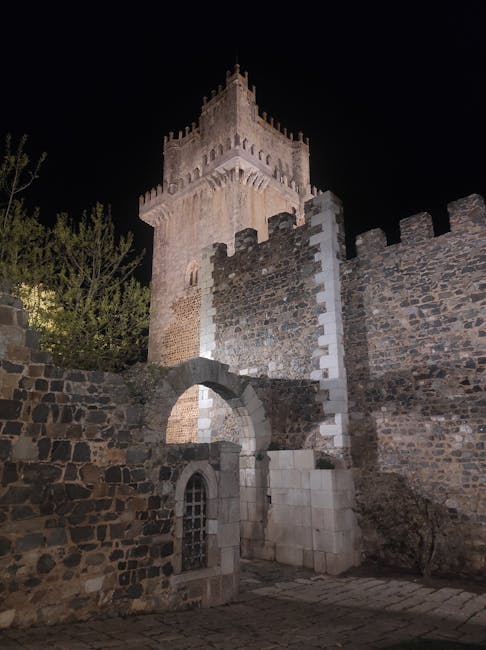
The keep of Beja Castle is a defining feature of the fortress, rising approximately 40 meters high, making it the tallest medieval keep in Portugal. This square tower was designed both as a stronghold in times of siege and as a symbol of royal authority. Its commanding height offers panoramic views of the surrounding Alentejo plain, underscoring its strategic importance.
Renaissance and early modern modifications
During the reign of Manuel I of Portugal in the early 16th century, Beja Castle and its town walls underwent extensive reconstruction. This period saw the modernization of the fortifications to address the evolving nature of warfare, including the introduction of artillery. The castle's walls were reinforced, and new defensive features were added to enhance its resilience.
The 17th century brought further expansions and modernization, particularly in the context of the Restoration War (1640-1668), when Portugal regained independence from Spain. Military engineers like Nicolau de Langres contributed designs for bastioned fortifications, although some projects remained unfinished. These updates reflected the shift towards bastioned fortress designs that could better withstand cannon fire.
Decline, damage, and restoration efforts
By the late 18th and 19th centuries, parts of Beja's fortifications were demolished to accommodate urban development, including the construction of an Episcopal Palace and other civic buildings. The castle also witnessed conflict during the Peninsular War when French forces under General Junot inflicted significant casualties in the region.
Throughout the 20th century, Beja Castle was recognized for its cultural and historical value, being classified as a National Monument in 1910. Restoration and conservation efforts were undertaken by the Directorate General of Buildings and National Monuments (DGEMN) to preserve the castle's structure and features. These included stabilizing the walls, restoring the keep, and repairing gates and defensive elements.
In 2014, a portion of the keep's battlements collapsed, leading to a temporary closure for repairs. The keep was reopened in 2016, allowing visitors to once again enjoy its breathtaking views and explore its historic interiors.
Architectural features and layout
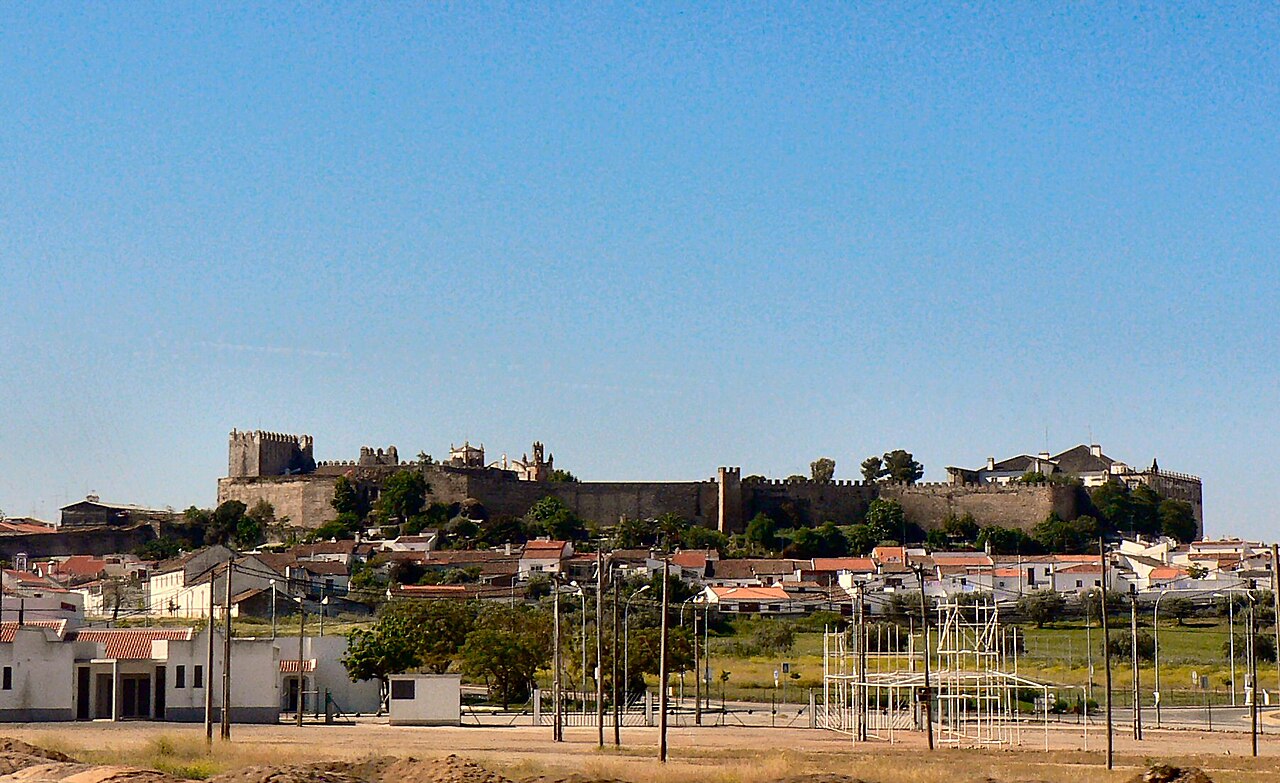
Beja Castle is characterized by an irregular pentagonal plan, adapted to the topography and existing urban fabric. The fortress includes a barbican protecting the main gate, enhancing its defensive capabilities against attackers. The imposing square keep dominates the complex, serving as the last line of defense and a lookout point.
Adjacent to the castle's north wall stands the former governor's residence, a yellow-painted building that adds to the site's historical ambiance. The castle's walls incorporate various towers and bastions, reflecting the multiple phases of construction and military architectural styles spanning from the Roman period through the Renaissance and early modern era.
Defensive innovations
The castle's fortifications evolved to meet the demands of changing warfare. The introduction of artillery in the Renaissance period led to thicker walls and angled bastions designed to deflect cannonballs. The 17th-century enhancements introduced bastioned elements inspired by contemporary European military architecture, although some projects were left incomplete.
Visiting beja castle today
Today, Beja Castle functions as a museum and cultural venue, offering visitors insight into its layered history and architectural evolution. The castle is accessible for a modest fee, and its well-preserved keep remains a highlight for tourists and history enthusiasts. From the top of the tower, visitors can enjoy sweeping views of the city of Beja and the expansive Alentejo countryside.
The castle's location in the historic center of Beja makes it a convenient stop for travelers exploring the region's rich heritage. Its combination of Roman origins, medieval fortifications, and Renaissance adaptations provides a compelling narrative of Portugal's historical development.
Frequently asked questions (FAQ)
- What are the opening hours of Beja Castle?
- Beja Castle is open daily from 10:00 to 18:00, allowing visitors ample time to explore the fortress and its museum exhibits.
- How much does it cost to visit Beja Castle?
- The entrance fee to Beja Castle is €3 for adults and €1.50 for children, making it an affordable cultural attraction in the region.
- What is the historical significance of Beja Castle?
- Beja Castle has a rich history dating back to Roman times when it was known as Pax Iulia. It played a strategic role through the Roman, medieval, and early modern periods, witnessing key events such as the Reconquista and the Restoration War.
- Can visitors climb the keep of Beja Castle?
- Yes, visitors can climb the 40-meter-high keep of Beja Castle, which offers panoramic views of Beja and the surrounding Alentejo plains. The keep is the tallest medieval tower in Portugal.
- Is Beja Castle accessible for people with limited mobility?
- Due to the historic nature of the castle and its medieval architecture, some areas, including the keep, may be challenging for visitors with limited mobility. However, the main courtyard and museum areas are generally accessible.
Information
Opening hours
10:00-18:00, daily
Ticket prices
€3 adult, €1.50 child
Current owner
Municipality
Address
Largo do Lidador, Portugal
Loading map...
Visitor reviews
No reviews yet. Been here? Write the first review and help other travelers!
Write the first reviewVisited this castle? Share your experience
Your review helps other travelers and adds first-hand knowledge to our encyclopedia.