Serdica
Serdica fortress is a significant historical site located in the heart of Sofia, the capital of Bulgaria. It represents the remains of the ancient Roman city of Serdica or Sardica, which was a prominent urban center during the Roman Empire. The fortress stands as a key archaeological and architectural landmark, reflecting the city's long history dating back to antiquity.
Historical background of Serdica
The city of Serdica was originally a Thracian settlement before becoming an important Roman city in the province of Moesia. It gained prominence under Roman rule, especially during the 1st to 4th centuries AD. The fortress itself was part of the city's defensive system, constructed to protect Serdica from invasions and to maintain control over the strategic crossroads in the Balkans.
Serdica was mentioned by several ancient historians and was known for its fortified walls and military importance. The city was a vital administrative and economic hub, and its fortress played a crucial role in safeguarding its inhabitants.
Architectural features and layout
The Serdica fortress is classified as a bastioned fortress, a style characterized by angular bastions projecting from the curtain walls, designed to provide overlapping fields of fire against attackers. This architectural style is indicative of later Roman and early Byzantine military engineering, which adapted to the evolving nature of siege warfare.
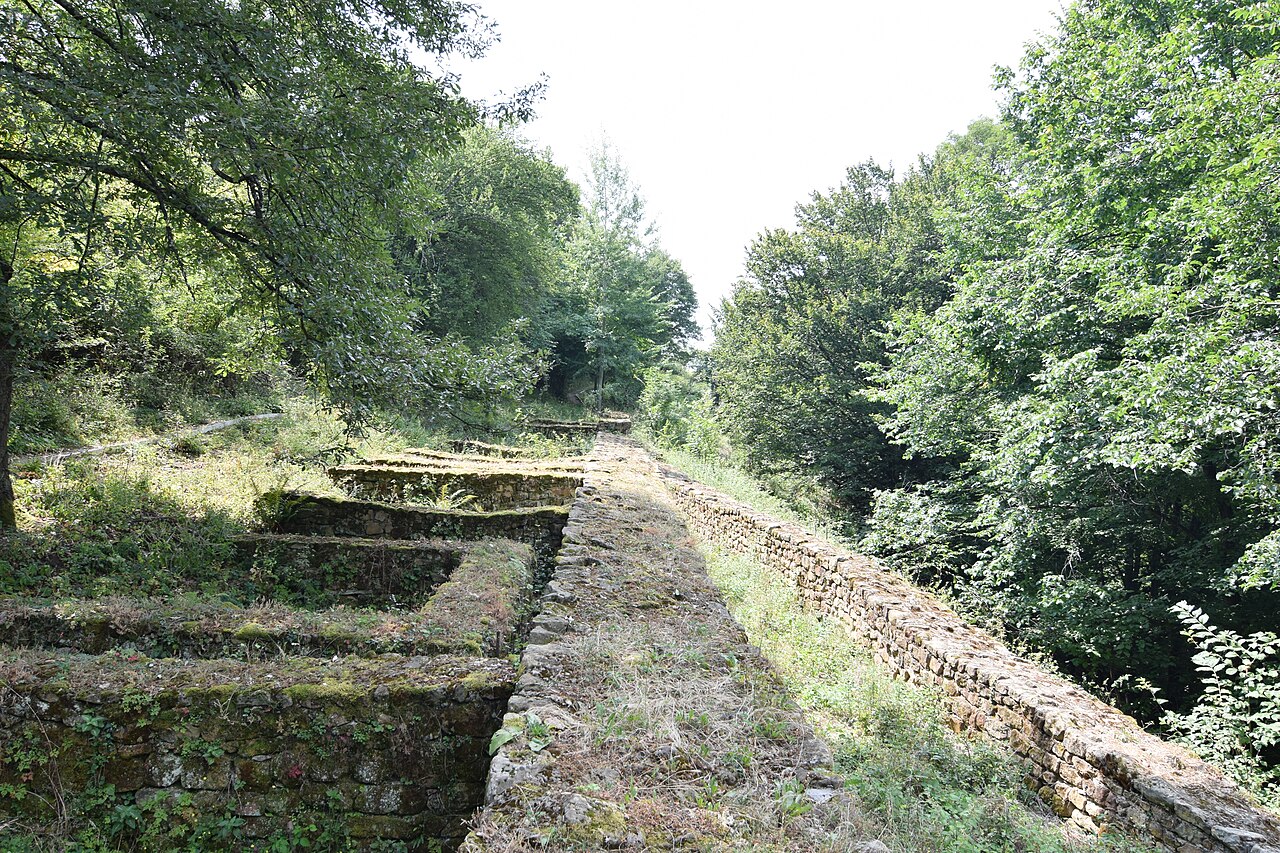
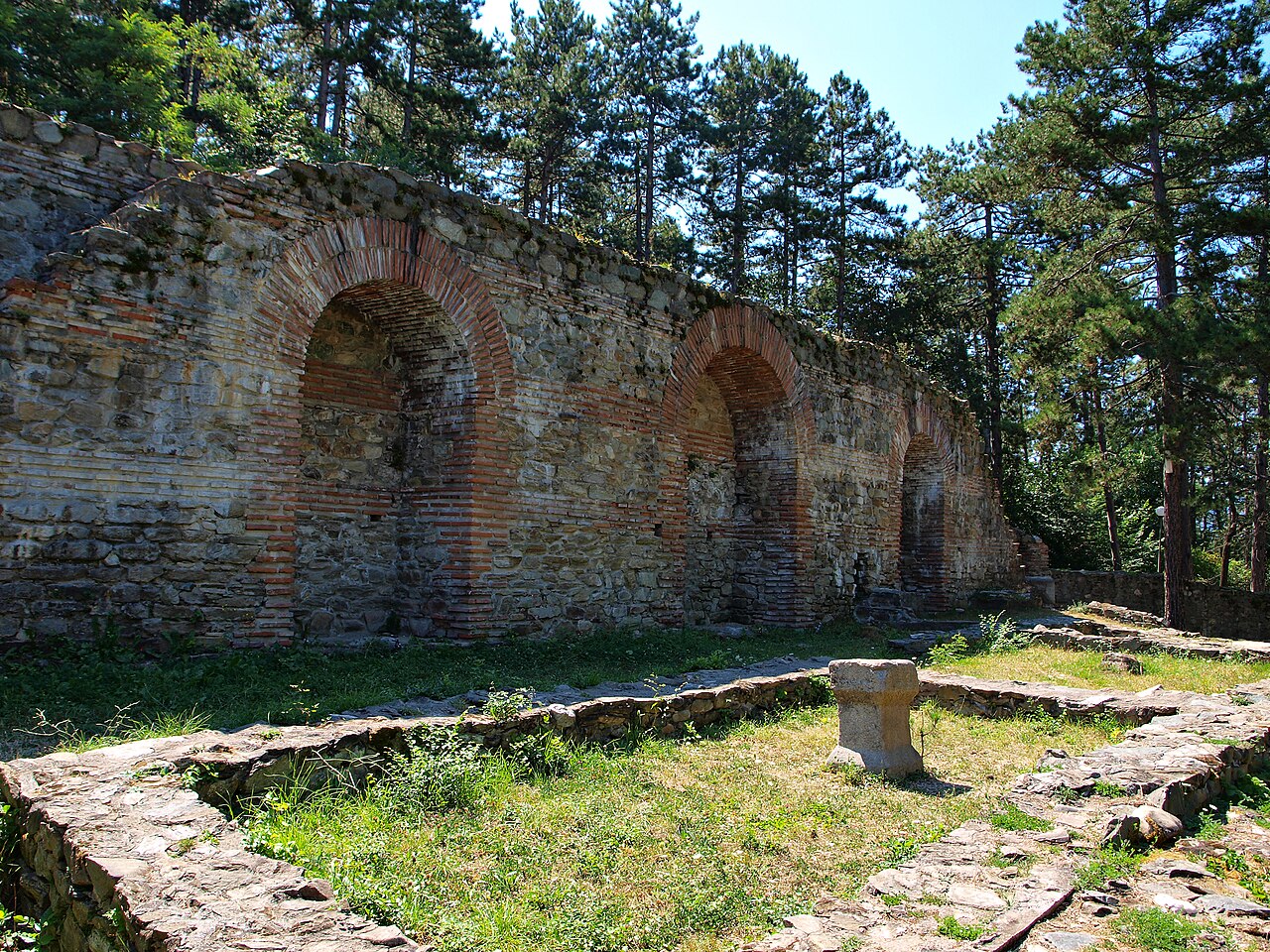
The fortress walls were constructed using large stone blocks and featured multiple bastions, gates, and defensive towers. The layout included a complex system of walls that enclosed the urban area, with gates allowing controlled access. Archaeological excavations have revealed remnants of these walls integrated into modern Sofia's cityscape, particularly in the central district known as Serdika.
Defensive structures
The bastions were strategically placed to cover the walls and prevent blind spots, allowing defenders to repel assaults effectively. The fortress also included moats and ditches in some sections, enhancing its defensive capability. The gates were fortified with towers and portcullises, serving as strong points against enemy forces.
Serdica's role through the centuries
Throughout the centuries, the fortress of Serdica witnessed numerous historical events, including sieges and occupations by various powers such as the Romans, Byzantines, and later the Ottoman Empire. Each era left its mark on the fortress's structure, with modifications and repairs adapting it to contemporary military needs.
During the Byzantine period, the fortress was reinforced to withstand new siege technologies, and some parts were rebuilt or expanded. The Ottoman conquest brought changes in the urban fabric but preserved certain elements of the fortress walls, which remain visible today.
Archaeological significance and preservation
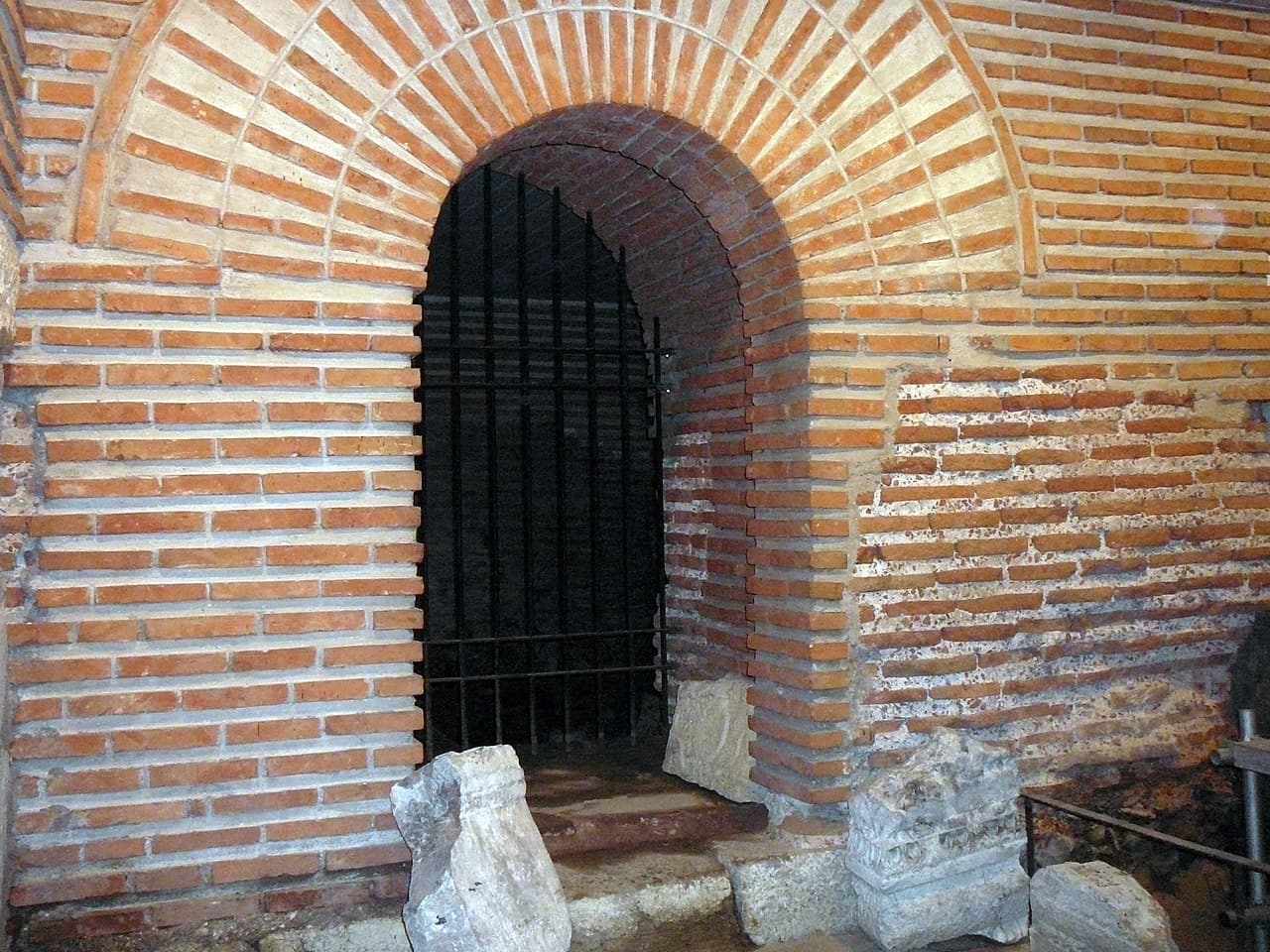
Today, the remains of the Serdica fortress are an important archaeological site within Sofia. Excavations have uncovered parts of the walls, gates, and towers, offering insights into Roman and Byzantine military architecture. The site is integrated into the modern city, with some sections accessible to visitors and incorporated into public spaces and museums.
The preservation of Serdica's fortress remains is crucial for understanding the historical development of Sofia and the broader region. It provides a tangible link to the city's ancient past and serves as a cultural heritage site that attracts scholars and tourists alike.
Visiting Serdica fortress today
Visitors to Sofia can explore the archaeological remains of Serdica fortress in the city center, where excavations have been made accessible through glass-covered walkways and museum exhibits. The site offers a unique opportunity to see the layers of history beneath the modern urban environment.
Interpretive panels and guided tours help contextualize the fortress's significance, explaining its construction, defensive features, and historical role. The site is part of a broader network of Roman and medieval heritage landmarks in Sofia, making it a key destination for those interested in history and architecture.
Frequently asked questions (FAQ)
- How do I get to Serdica Castle?
- Serdica Castle is conveniently located in Sofia, Bulgaria, and can be reached via public transportation, including buses and the metro. The nearest metro station is Serdika, which is just a short walk from the castle. Additionally, taxis are readily available throughout the city for a more direct route.
- What is the historical significance of Serdica Castle?
- Serdica Castle, known for its rich history, dates back to the Roman era when it served as a strategic military and administrative center. The site showcases remnants of ancient fortifications and buildings that highlight the city's importance during the Roman Empire. Its historical significance is further enhanced by its role in the development of Sofia as a major cultural and economic hub.
- When was Serdica Castle built?
- The construction of Serdica Castle began in the 1st century AD, during the reign of the Roman Emperor Trajan. The castle underwent various modifications and expansions over the centuries, reflecting the architectural styles of different periods. The remnants visible today include structures from both the Roman and medieval eras.
- Can I visit Serdica Castle year-round?
- Yes, Serdica Castle is open to visitors year-round, but it's advisable to check for any seasonal hours or special closures before your visit. The best time to explore the castle is during the spring and fall months when the weather is mild and pleasant. Guided tours are also available, providing deeper insights into its history and architecture.
- Why is Serdica Castle an architectural marvel?
- Serdica Castle exemplifies a blend of architectural styles, showcasing Roman, Byzantine, and medieval influences. The well-preserved ruins, including impressive fortifications and intricate mosaics, offer a glimpse into the engineering prowess of ancient civilizations. This unique combination makes it a significant site for both history and architecture enthusiasts.
- Is it possible to take guided tours of Serdica Castle?
- Yes, guided tours are available at Serdica Castle, providing visitors with an in-depth understanding of its history and architecture. Tours are led by knowledgeable guides who can share fascinating stories and insights about the castle's significance. It is recommended to book tours in advance, especially during peak tourist seasons.
- What are the ticket prices for Serdica Castle?
- The ticket prices for Serdica Castle are quite affordable, making it accessible for all visitors. Discounts are often available for students, seniors, and groups, so be sure to inquire when purchasing tickets. Prices may vary slightly depending on the season or special events, so it's best to check the official website for the most accurate information.
- What are the opening hours of Serdica Castle?
- Serdica Castle typically opens at 9:00 AM and closes at 6:00 PM, with extended hours during the summer months. It's advisable to check the official website or contact the castle administration for any changes to the schedule, especially during holidays or special events. Early visits can help you avoid crowds and enhance your experience.
- What nearby attractions can I visit while at Serdica Castle?
- While visiting Serdica Castle, you can also explore other nearby attractions such as the National Palace of Culture and the ancient Roman ruins of Serdica. The vibrant city center of Sofia is home to numerous cafes, shops, and museums, making it easy to spend a full day immersing yourself in the local culture. Don't miss the opportunity to enjoy a stroll through the beautiful parks and squares in the area.
Photo gallery

Information
Loading map...
Visitor reviews
No reviews yet. Been here? Write the first review and help other travelers!
Write the first reviewVisited this castle? Share your experience
Your review helps other travelers and adds first-hand knowledge to our encyclopedia.