Mezdra Fortress
Mezdra Fortress, also known as the "Citadel," is a significant fortified complex situated on a naturally protected hill in Mezdra, Bulgaria. This strategic location lies at the intersection of major commercial roads, underscoring its historical importance as a crossroads for trade and military movements. The site offers a remarkable archaeological record spanning from prehistoric times through the medieval period, reflecting the diverse cultures and empires that have influenced the region.
Prehistoric and ancient origins
The area surrounding the Iskar River has been inhabited since the end of the Stone Age and the beginning of the Copper Age, approximately the second half of the 5th century BC. Early human settlements here mark some of the earliest known historical periods in the region. Following these prehistoric inhabitants, the ancient Thracians established themselves in the area, contributing to the cultural and social development of the site.
Roman period and fortress construction
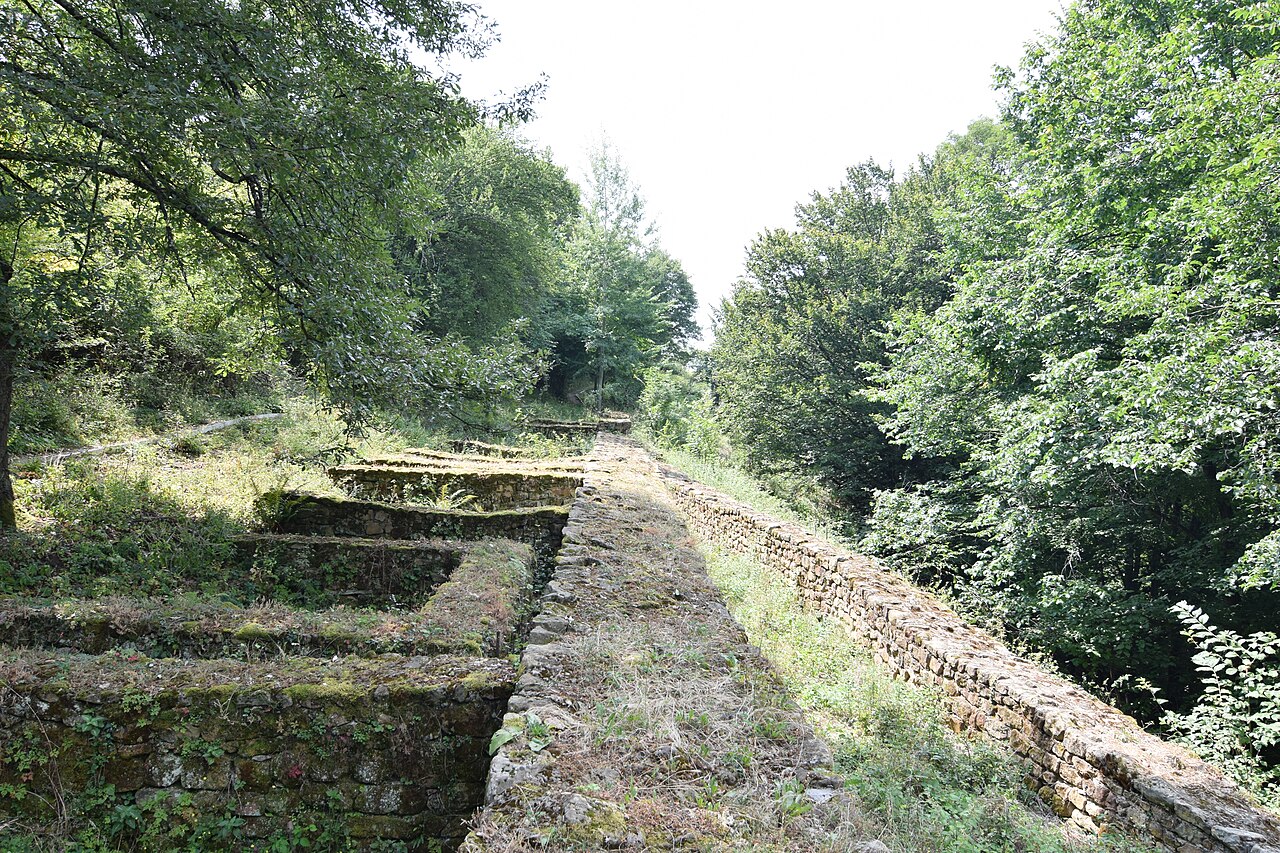
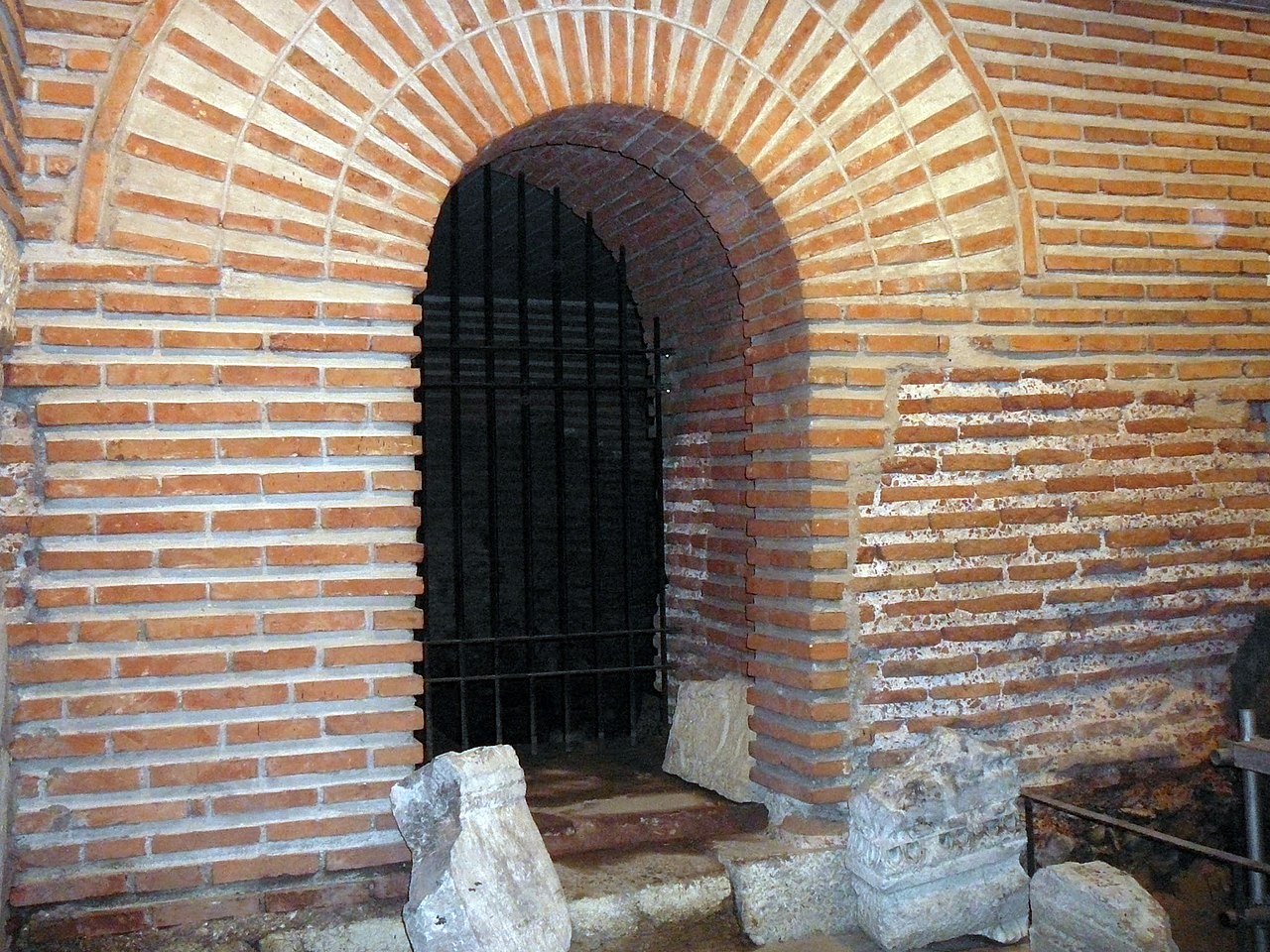
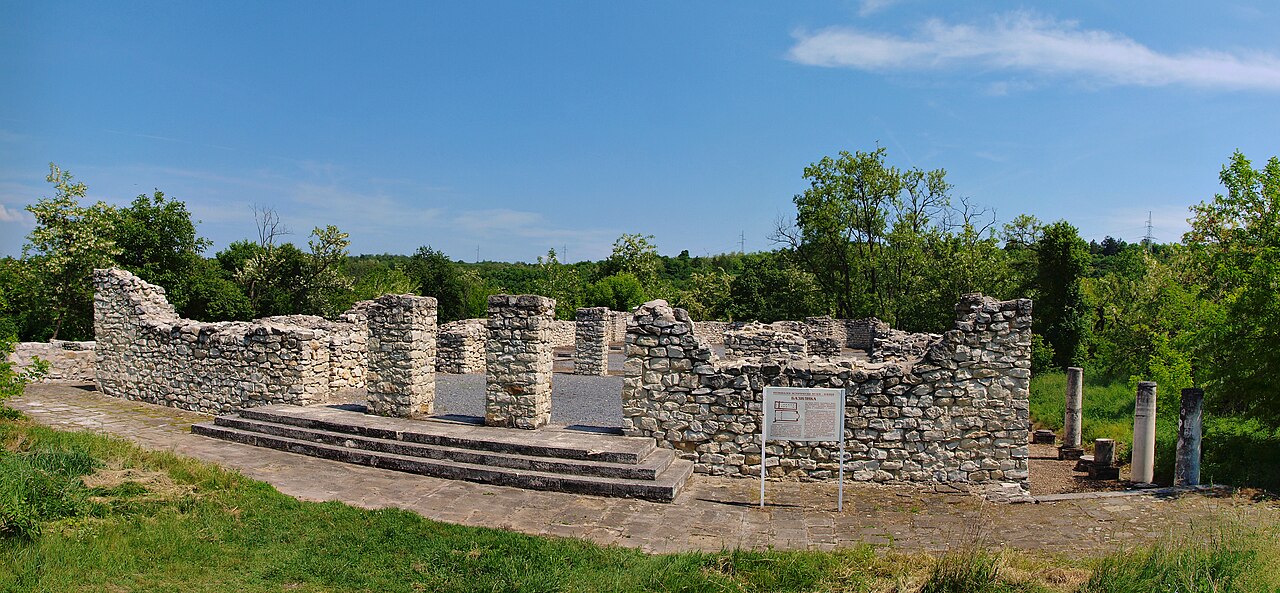
In the 1st century AD, the region was conquered by the Roman Empire, which brought significant changes to the local landscape and infrastructure. The fortress complex known today as Mezdra Fortress includes remains of the Roman fortress "Kaleto", dating from the 2nd to 5th centuries AD. This fortress was part of the Roman defensive system securing the empire's northern borders along the Danube and controlling important trade routes. The Romans also established a pagan worship center here known as the Sanctuary of the Tour, dating from the 3rd century, which reflects the religious practices of the time.
Medieval history and cultural transitions
Following the decline of Roman control, the region experienced significant migrations and cultural shifts. In the 7th century, the Slavs arrived during the great migration period, followed by the Bulgarians of Asparuh, who established the First Bulgarian Empire. By the 11th century, the area came under the control of the Byzantine Empire during the reign of Emperor Vasile the Great, reflecting the ongoing contest for dominance in the Balkans.
Subsequently, the area was incorporated into the Ottoman Empire for several centuries, which influenced the cultural and architectural landscape, although the fortress itself retained its historical significance as a defensive site.
Archaeological restoration and modern visitor experience
In 2013, the Mezdra Fortress complex underwent extensive restoration, transforming it into a prominent tourist destination. Visitors can explore the remains of fortified settlements from various historical periods, gaining insight into the site's long and layered past. The restoration included the creation of tourist routes that guide visitors through the complex's key features.
The site houses a permanent exhibition displaying archaeological finds from five distinct historical periods, showcasing artifacts that illuminate the daily life, military history, and spiritual practices of the area's past inhabitants. A detailed model of the Roman fortress "Kaleto" offers a visual reconstruction of the site's ancient layout.
Additional facilities include handicraft workshops where traditional skills are demonstrated, an information center providing educational resources, and a souvenir shop offering memorabilia related to the fortress and local heritage.
Architectural and cultural significance
The Mezdra Fortress stands as a testament to the region's strategic importance through millennia. Its location on a natural hill provided defensive advantages, while its proximity to the Iskar River and key trade routes made it a focal point for commerce and military control. The complex's layered construction reflects the architectural styles and fortification techniques of different eras, from Roman masonry to medieval fortifications.
The presence of the Sanctuary of the Tour highlights the site's role not only as a military stronghold but also as a religious center during the Roman period. This dual function underscores the multifaceted nature of ancient fortresses in the Balkans.
Key features of the fortress
- Natural hilltop location providing defensive advantage and visibility over surrounding terrain.
- Roman fortress remains including walls, gates, and foundations dating from the 2nd to 5th centuries AD.
- Sanctuary of the Tour, a pagan worship site from the 3rd century.
- Fortified settlements from multiple historical periods visible within the complex.
- Exhibition halls displaying archaeological artifacts and reconstructions.
- Handicraft workshops and visitor facilities enhancing the educational experience.
Historical context within Bulgaria and the Balkans
The Mezdra Fortress's history mirrors the broader historical currents of the Balkans, including the transition from prehistoric cultures through Thracian, Roman, Slavic, Bulgarian, Byzantine, and Ottoman influences. Each period left its mark on the site, contributing to its complex archaeological and cultural fabric.
Its restoration and preservation reflect Bulgaria's commitment to safeguarding its heritage and promoting cultural tourism. The fortress serves as an educational resource, providing tangible connections to the past for both locals and international visitors.
Information
Loading map...
Visitor reviews
No reviews yet. Been here? Write the first review and help other travelers!
Write the first reviewVisited this castle? Share your experience
Your review helps other travelers and adds first-hand knowledge to our encyclopedia.