Hisarlaka Fortress
Hisarlaka Fortress stands as a prominent example of a bastioned fortress with origins dating back to the 4th century AD, located approximately 2 kilometres southeast of Kyustendil in southwestern Bulgaria. This fortress occupies a strategic hilltop position, which provided commanding views of the surrounding valley and served as a critical defensive and administrative center throughout its long history.
Roman foundations and early construction
The initial construction of Hisarlaka Fortress was undertaken by the Romans around 400 AD during the period of the Late Roman Empire. Its design reflects typical Roman military architecture of the time, featuring thick stone walls and bastions intended to withstand sieges and attacks. The fortress was part of the Roman efforts to secure their northern Balkan territories against incursions by various barbarian groups. The hilltop location was chosen for its natural defensive advantages, allowing control over important routes in the region.
Development through the Bulgarian Empire
Following the decline of Roman authority, Hisarlaka Fortress became an important stronghold within the First and Second Bulgarian Empires. From the 5th to the 15th centuries, it served as both an administrative and religious center for the surrounding region. Over these centuries, the fortress was expanded and reinforced by successive rulers, adapting to changing military technologies and political circumstances. The walls were thickened, additional bastions were added, and internal buildings such as churches, administrative halls, and storage facilities were constructed within the fortress complex.
Architectural features and layout
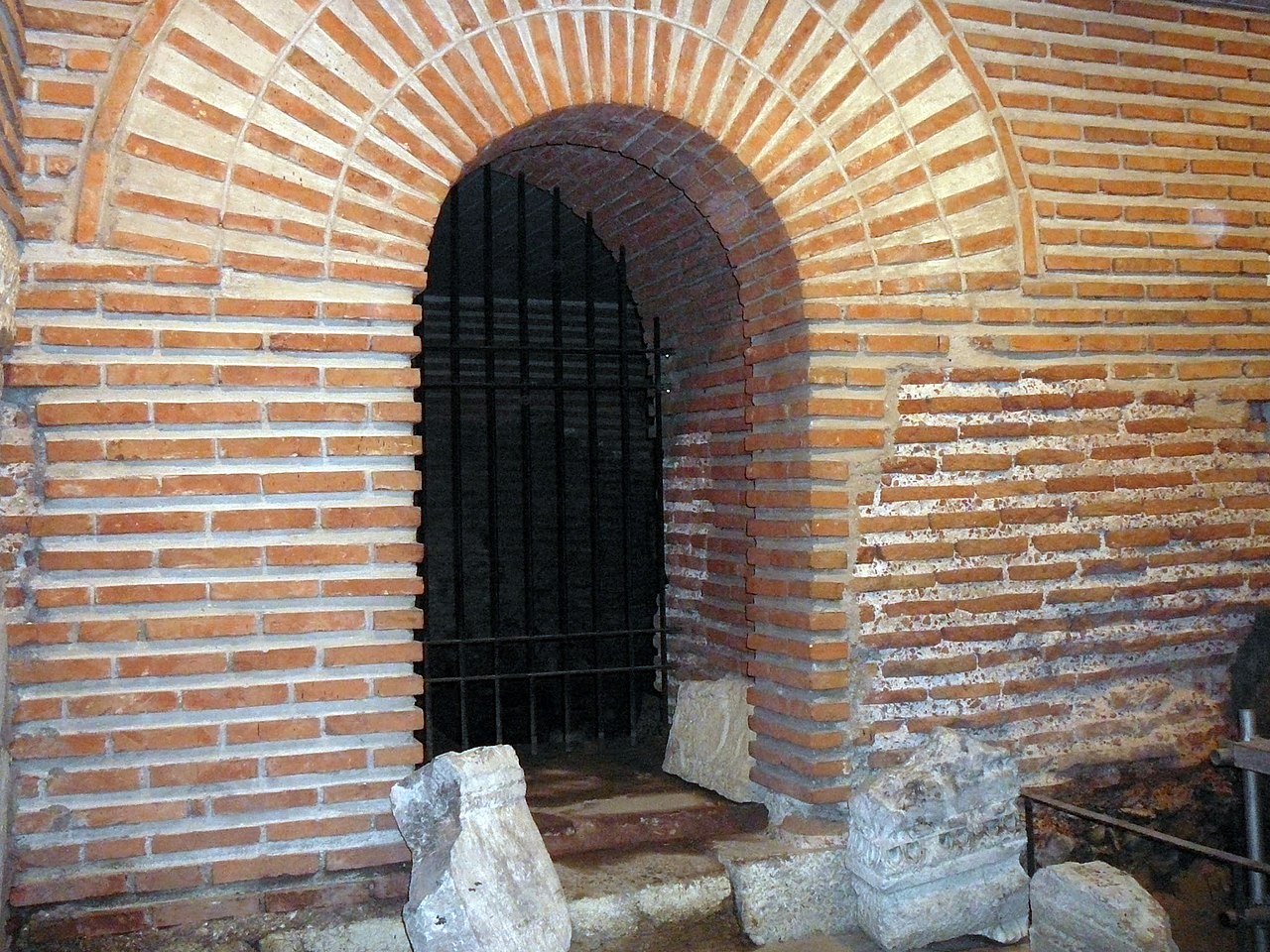
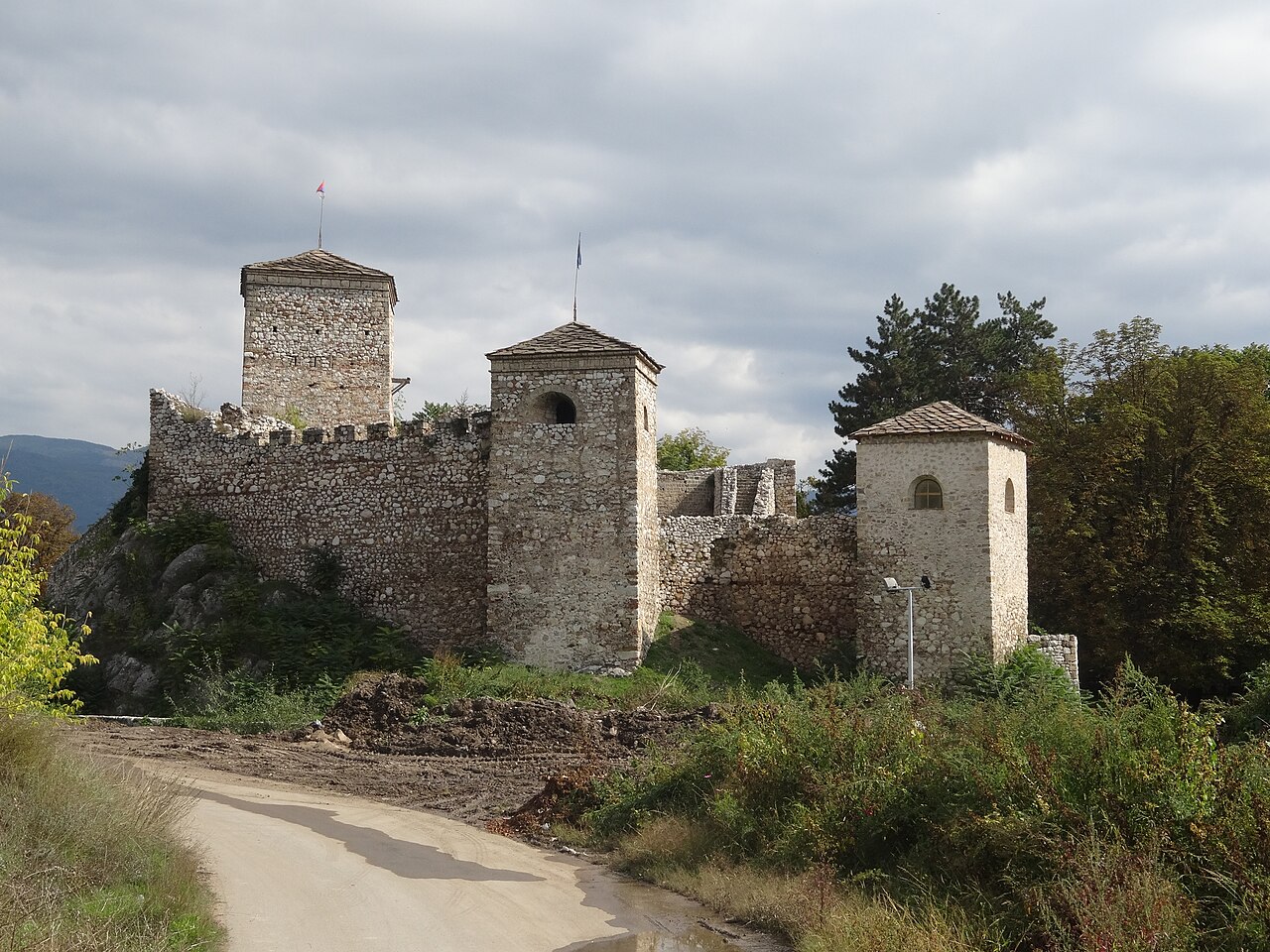
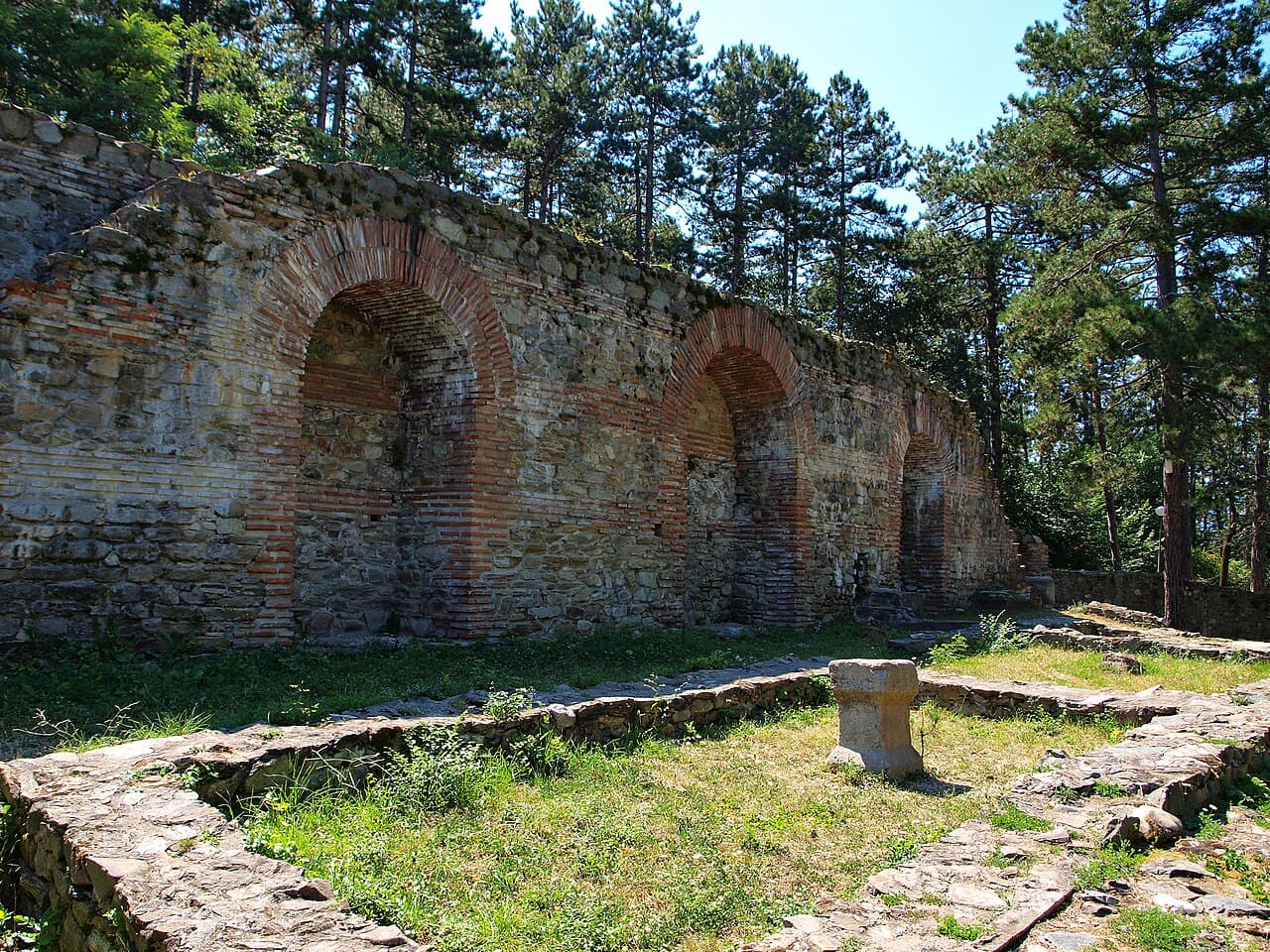
The fortress covers a considerable area on the hilltop, enclosed by robust fortification walls punctuated by bastions at key points for enhanced defense. The bastioned design allowed defenders to cover the walls with overlapping fields of fire, a technique that was advanced for its time and contributed to the fortress's resilience. Inside, the remains of various structures indicate a well-organized settlement, including religious buildings that highlight the fortress’s role as a spiritual center.
Decline and partial destruction
In the 15th century, Hisarlaka Fortress faced significant challenges during the expansion of the Ottoman Empire into the Balkans. The fortress was partially destroyed during Ottoman sieges and military campaigns, which led to the decline of its strategic importance. Despite this, the ruins of the fortress still demonstrate the scale and strength of the original construction.
Historical significance and cultural heritage
Hisarlaka Fortress is a valuable cultural and historical monument that reflects the complex history of the Balkan region, illustrating the transition from Roman to medieval Bulgarian rule and the military architecture evolution over a millennium. Its location near Kyustendil connects it to the broader historical narratives of Bulgarian state formation and defense against external threats.
Archaeological research and preservation
Archaeological excavations at Hisarlaka Fortress have revealed layers of occupation and construction phases, providing insight into the fortress's role throughout different historical periods. Conservation efforts aim to preserve the remaining structures and promote the site as an important heritage destination.
Visiting Hisarlaka Fortress today
The fortress remains a site of interest for visitors who seek to explore Bulgaria's medieval and ancient past. Its hilltop position offers panoramic views of the surrounding landscape, and the ruins provide a tangible connection to the region's historical legacy. While the fortress is partially preserved, it stands as a testament to the enduring strategic importance of this location through centuries of Balkan history.
Frequently asked questions (FAQ)
- How do I get to Hisarlaka Fortress from Kyustendil?
- Hisarlaka Fortress is located about 2 kilometres southeast of Kyustendil. Visitors can reach the site by car or on foot via marked hiking trails from the city centre, making it accessible for a day trip.
- What is the historical significance of Hisarlaka Fortress?
- Hisarlaka Fortress served as a key defensive and administrative center from the Roman period through the Bulgarian Empires until the 15th century. It illustrates the evolution of military architecture and regional governance in southwestern Bulgaria.
- Can I explore the entire fortress today?
- The fortress is partially preserved with visible ruins of walls and bastions. While some areas are accessible to visitors, parts of the site may be restricted for safety or conservation reasons.
- When is the best time to visit Hisarlaka Fortress?
- The best time to visit is during late spring to early autumn when the weather is mild and the trails are more accessible. Winter visits can be challenging due to snow and ice on the hill.
- Are there guided tours available at Hisarlaka Fortress?
- Guided tours are occasionally offered by local museums or heritage organizations. Visitors should check with the Kyustendil State Museum for current tour availability and schedules.
Photo gallery

Information
Current owner
State museum
Loading map...
Visitor reviews
No reviews yet. Been here? Write the first review and help other travelers!
Write the first reviewVisited this castle? Share your experience
Your review helps other travelers and adds first-hand knowledge to our encyclopedia.