Bozhenishki Urvich
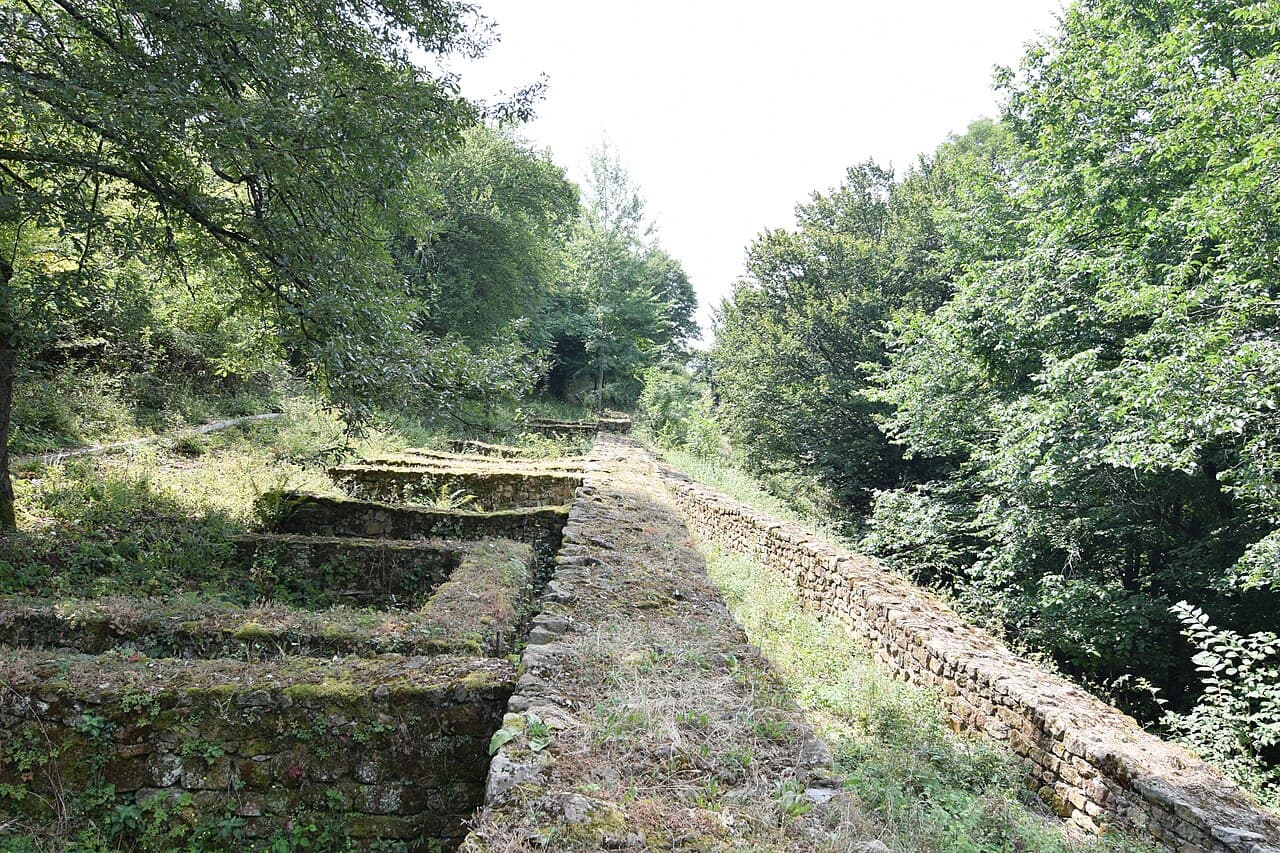
Bozhenishki Urvich is a ruined fortress located on the northern slopes of the Lakavishki ridge in the western Balkan Mountains (Stara Planina), approximately 3 km south of the village of Bozhenitsa and 20 km from the town of Botevgrad, Bulgaria. Situated at an elevation of 750 meters, the fortress occupies a strategic position overseeing the surrounding landscape. Access to the site is facilitated by an asphalt road leading to the resting base "Urvich," from which a marked path ascends to the fortress remains in about 20 minutes on foot.
The fortress's historical significance was brought to light in 1918 when a medieval inscription was discovered among the roots of a fallen tree after a storm. This inscription, known as the Bozhenishki inscription, was first interpreted by Academician Petar Mutafchiev. It reveals the words of sevast Ognyan, a local governor (kephale) under Emperor Ivan Shishman (r. 1371–1395), who recounts his loyalty during the turbulent times of the Turkish invasions. The inscription reads: "I, Dragomir, had written. I, sevast Ognyan, was a kephale of Emperor Shishman and took a great evil. At the same time Turks were fighting. I kept my faith in Emperor Shishman."
Early history and archaeological significance
Archaeological studies indicate that the site of Bozhenishki Urvich has been inhabited since prehistoric times. The earliest fortification traces date back to the 5th-6th centuries, when it was part of the Early Byzantine defense system protecting the empire's northern borders. The fortress's development peaked during the 13th and 14th centuries under the Second Bulgarian Empire, when the outer defensive walls were constructed. These walls formed a northern barrier, controlling the only access route from the village of Bozhenitsa.
Architectural features and fortress layout
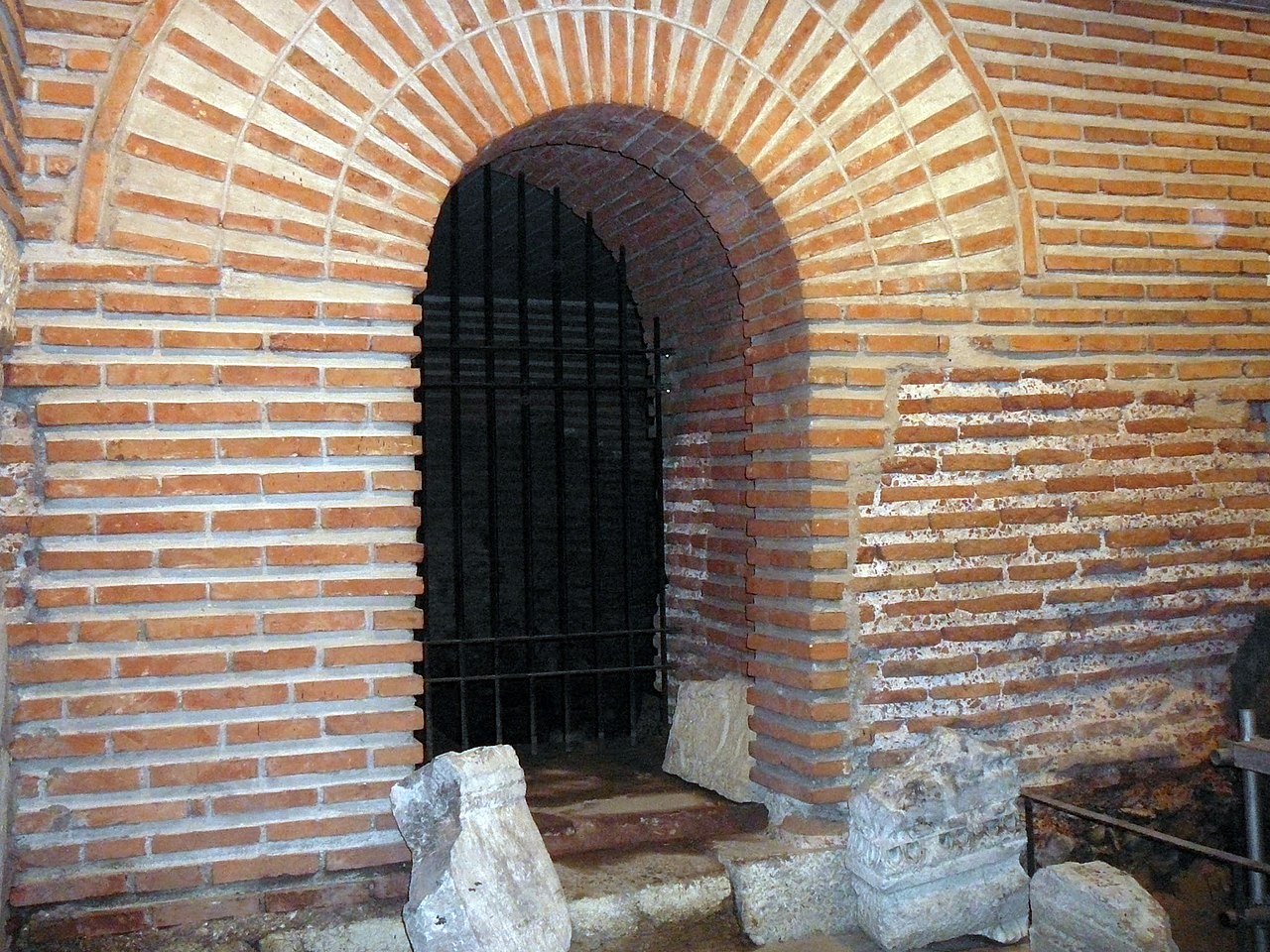
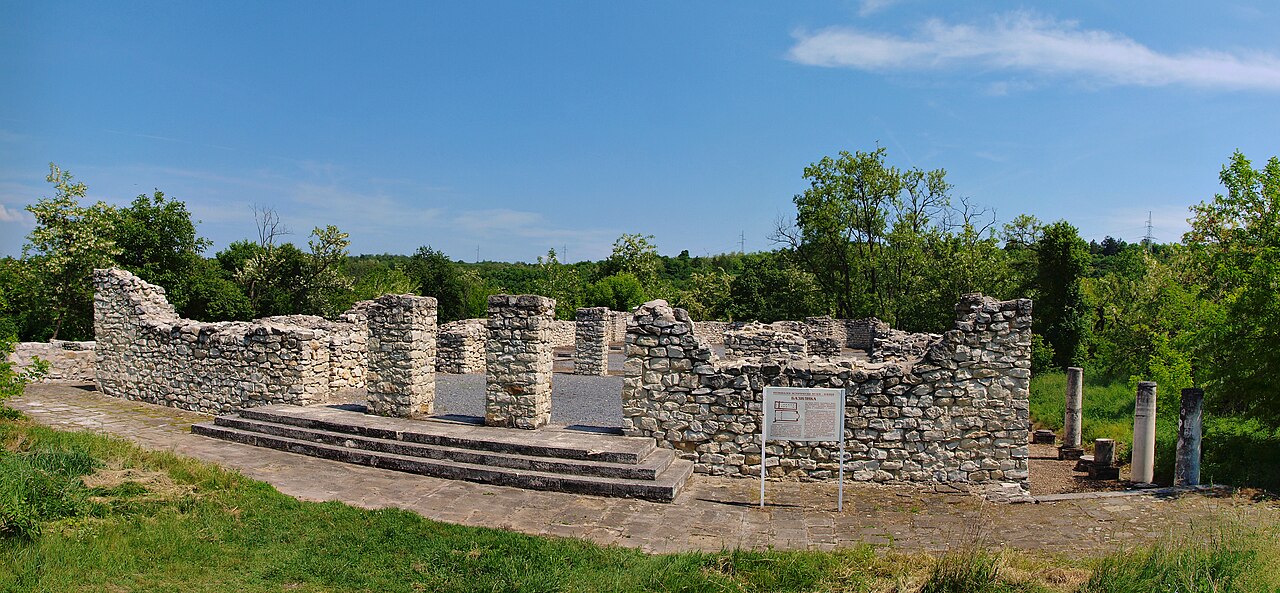
The fortress complex includes remnants of thick defensive walls, a 10-meter deep water cistern, and a unique cave chapel carved within the rock. The cistern was vital for the fortress's sustainability during sieges, providing a reliable water source. The cave chapel reflects the religious practices of the medieval inhabitants, offering insight into their spiritual life.
The fortress's position on a ridge provided natural defensive advantages, with steep slopes protecting it on multiple sides. The main entrance was fortified and guarded, as evidenced by archaeological finds near the gates.
Historical context and military significance
During the late 14th century, Bozhenishki Urvich served as the headquarters of boyar Ognyan, a local governor loyal to Emperor Ivan Shishman. The fortress was involved in the conflicts against the advancing Ottoman Turks. Excavations near the walls have uncovered hundreds of arrowheads, spear points, and the skeletons of soldiers, indicating fierce battles took place here around 1395.
A significant hoard of silver coins from Ivan Shishman's reign was found near the fortress gates, underscoring its role as a military and administrative center during this turbulent period.
Preservation and cultural heritage
Declared a site of national significance in 1966, Bozhenishki Urvich stands today as an important archaeological ruin reflecting Bulgaria's medieval heritage. The fortress's remains provide valuable information about medieval military architecture, Byzantine and Bulgarian defensive strategies, and the region's historical struggles during the Ottoman conquest.
Visitors to Bozhenishki Urvich can explore the fortress ruins, including the cistern and chapel, while enjoying panoramic views of the Balkan Mountains. The site is accessible via a marked hiking trail, making it a notable destination for history enthusiasts and hikers alike.
Frequently asked questions (FAQ)
- How do I get to Bozhenishki Urvich fortress?
- Bozhenishki Urvich is accessible by an asphalt road leading to the resting base "Urvich." From there, a marked hiking trail takes about 20 minutes on foot to reach the fortress ruins.
- What is the historical significance of the Bozhenishki inscription?
- The Bozhenishki inscription is a medieval text written by sevast Ognyan, a local governor under Emperor Ivan Shishman, highlighting the fortress's role during the late 14th century and the resistance against the Ottoman Turks.
- What architectural features can I see at the fortress?
- Visitors can explore the remains of defensive walls, a 10-meter deep water cistern, and a cave chapel carved into the rock, which illustrate the fortress's medieval military and religious functions.
- When was the fortress originally built?
- The earliest fortifications date from the 5th-6th centuries as part of the Early Byzantine defense system, with significant expansions during the 13th and 14th centuries under the Second Bulgarian Empire.
- Is Bozhenishki Urvich open to the public?
- Yes, the fortress ruins are open to visitors and can be reached via a marked trail. However, there are no specific ticket prices or visiting hours, so it is advisable to visit during daylight hours for safety.
Photo gallery

Information
Loading map...
Visitor reviews
No reviews yet. Been here? Write the first review and help other travelers!
Write the first reviewVisited this castle? Share your experience
Your review helps other travelers and adds first-hand knowledge to our encyclopedia.