Gijang Japanese Castle
Gijang Japanese Castle, also known as Waeseong in Jukseong-ri, is a notable example of a Japanese-style stone fortress constructed during the late 16th century in what is now Busan, South Korea. Built amid the turbulent period of the Imjin War (1592-1598), this fortress served as a strategic military installation for the Japanese forces under the command of General Kuroda Nagamasa. Its construction around June 1593 reflects the intense military campaigns during the Japanese invasions of Korea, aiming to secure coastal strongholds and supply lines.
Situated on a hillside behind the village of Jukseong-ri, the castle’s location was chosen for its commanding views of the surrounding coastline and its proximity to key maritime routes. The fortress covers an area of approximately 36,945 square metres (nearly 398,000 square feet), with a perimeter stretching about 300 metres (980 feet) and walls rising to a height of approximately 4 metres (13 feet). This sizeable footprint indicates the fortress’s role not only as a defensive position but also as a logistical hub connecting other Japanese fortifications such as Seosaengpo Waeseong in Ulsan, Hakseong, and Busanjinjiseong.
Strategic importance and historical context
The Imjin War was a significant conflict involving the Japanese invasion of the Korean Peninsula, and the construction of coastal fortresses like Gijang Japanese Castle was part of a broader Japanese military strategy to control key points along the coast. The fortress’s position on a hill overlooking the sea allowed for surveillance of naval movements and defense against Korean and Ming Chinese counterattacks. Its role was critical in maintaining Japanese supply routes and communication lines during the protracted conflict.
The fortress was built during a period when Japanese forces sought to consolidate their gains and secure footholds in Korea. The choice of location near the village of Jukseong-ri highlights the interplay between military necessity and local geography, leveraging natural terrain features for defense. The castle’s construction reused stones from the earlier Korean fortification known as Dumopojinseong, evidencing the layered military history of the region and the practical reuse of materials from previous defensive structures.
Architectural features and construction details
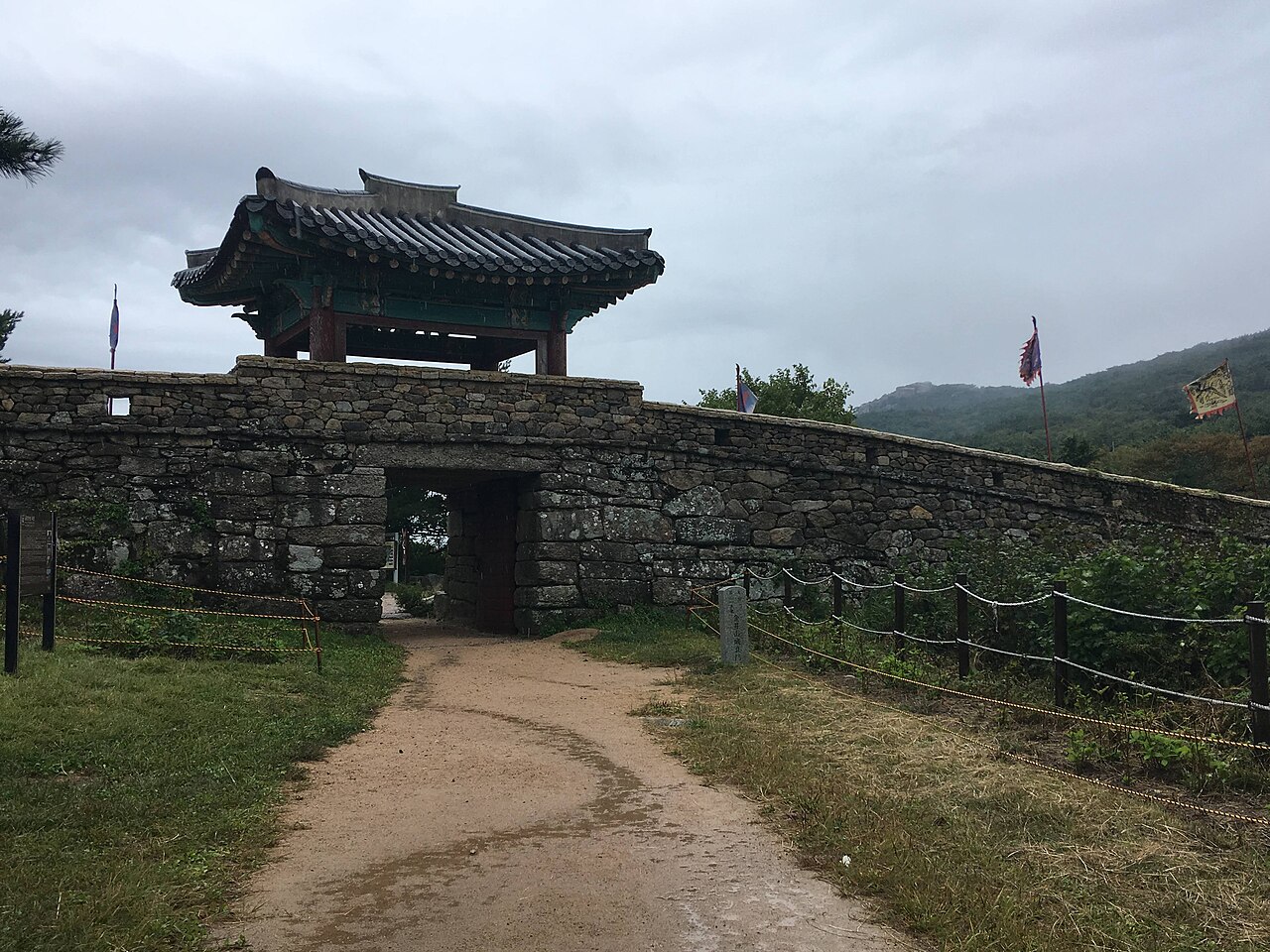
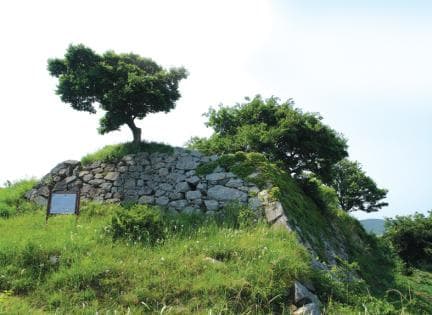
Gijang Japanese Castle exemplifies the hill castle type, characterized by its elevated position and stone walls designed to withstand sieges and artillery attacks typical of the late 16th century. The fortress’s walls, approximately 4 metres high, were built with carefully fitted stones, a technique reflecting Japanese military engineering adapted to Korean terrain.
The fortress’s layout includes a roughly rectangular perimeter enclosing a courtyard area large enough to accommodate troops, supplies, and defensive installations. The walls feature battlements and embrasures for archers and gunners, enabling the defenders to repel assaults effectively. The castle’s design integrates natural topography, with walls following the contours of the hill to maximize defensive advantage.
Notably, the fortress is part of a network of coastal fortifications, each positioned to provide overlapping fields of control over the sea lanes and coastal approaches. This interconnected system was vital for the Japanese military’s ability to project power and maintain supply chains during the Imjin War.
Preservation and current condition
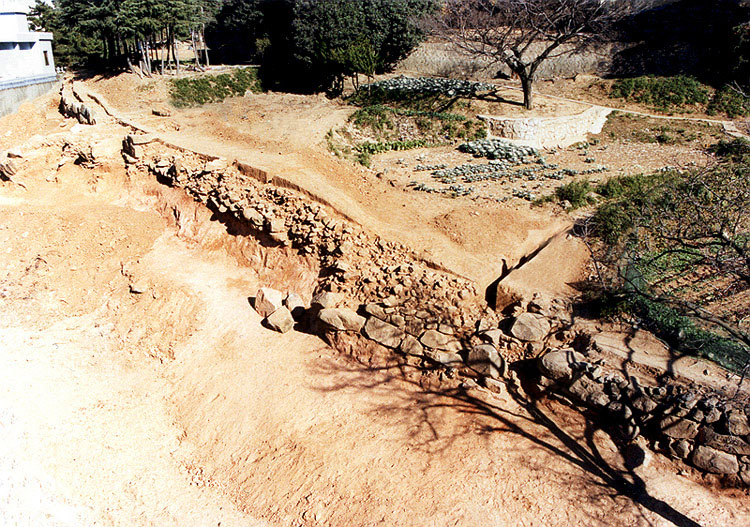
Today, Gijang Japanese Castle remains a significant historical site, with much of its stone walls relatively well preserved. Despite the surrounding area being primarily agricultural farmland, the fortress’s structural elements endure, offering valuable insights into late 16th-century military architecture and the historical conflicts of the region.
The remnants of the fortress attract historians, archaeologists, and visitors interested in the Japanese invasions of Korea and the military strategies employed during this period. Preservation efforts focus on maintaining the integrity of the stone walls and preventing further degradation, ensuring that this example of Renaissance-period military architecture remains accessible for educational and cultural purposes.
Cultural significance and visitor information
While not as widely known internationally as some other Korean castles, Gijang Japanese Castle holds important cultural and historical value as a symbol of the complex interactions between Korea and Japan during the late 16th century. It serves as a tangible reminder of the Imjin War and the enduring legacy of military architecture that shaped the region’s history.
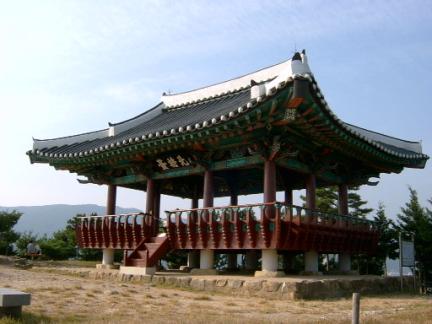
Visitors to the site can explore the remains of the fortress walls and appreciate the strategic location that once played a crucial role in coastal defense. The castle’s setting offers scenic views of the coastal landscape, enhancing its appeal as a destination for those interested in history and architecture.
Frequently asked questions (FAQ)
- When was Gijang Japanese Castle built and by whom?
- Gijang Japanese Castle was built around June 1593 by the Japanese general Kuroda Nagamasa during the Imjin War.
- What is the architectural style of Gijang Japanese Castle?
- The castle is a Japanese-style stone fortress built in the Renaissance period, featuring stone walls adapted to the hilltop terrain for defense.
- How large is the fortress and what are its main features?
- The fortress covers approximately 36,945 square metres with walls about 4 metres high and a perimeter of roughly 300 metres, including battlements and embrasures for defense.
- Is Gijang Japanese Castle accessible to visitors today?
- Yes, the castle remains relatively well preserved and can be visited, offering insights into 16th-century military architecture and historical conflicts.
- What was the strategic importance of Gijang Japanese Castle?
- It was strategically placed to control coastal routes and supply lines during the Imjin War, linking other Japanese fortresses in the region for coordinated defense.
Photo gallery

Information
Loading map...
Visitor reviews
No reviews yet. Been here? Write the first review and help other travelers!
Write the first reviewVisited this castle? Share your experience
Your review helps other travelers and adds first-hand knowledge to our encyclopedia.