Geumjeongsanseong
Geumjeongsanseong (Korean: 금정산성; Hanja: 金井山城; lit. 'Geumjeong Mountain Fortress') stands as the largest fortress in Korea, located on the slopes of Geumjeongsan mountain in Busan, South Korea. This Joseon-era fortress was constructed in the 18th century during the post-Renaissance period, reflecting the military architectural advancements of its time.
The fortress was built primarily as a defensive stronghold to protect the region from potential invasions, particularly during a period when Korea faced threats from Japanese pirates and other foreign forces. Its strategic location atop Geumjeongsan mountain provided commanding views of the surrounding landscape, allowing for early detection of approaching enemies and effective defense coordination.
Historical background and construction
Construction of Geumjeongsanseong began in the early 18th century, under the reign of the Joseon dynasty, which sought to bolster the kingdom’s defenses following the turbulent years of the late 16th and early 17th centuries. The fortress was designed to serve as a military refuge and a bastion against invasions, particularly from Japanese forces who had previously launched raids along the Korean coast.
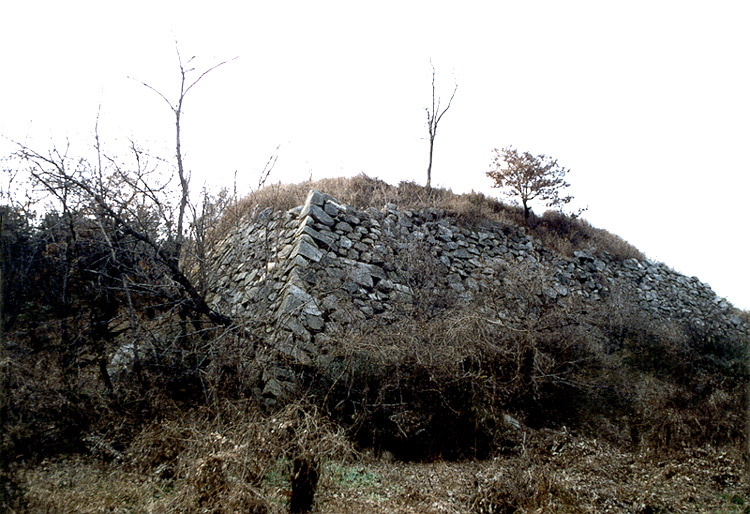
The fortress walls extend over 17 kilometers, enclosing an area that includes multiple gates, watchtowers, and military facilities. The walls are built primarily of stone, featuring bastioned fortifications that were advanced for their time, allowing defenders to cover multiple angles of approach and to repel attackers effectively.
Architectural features and layout
Geumjeongsanseong is characterized by its bastion-style defensive walls, which incorporate both traditional Korean fortress design and elements influenced by contemporary military architecture. The walls are thick and tall, constructed from large granite blocks sourced from the surrounding mountains.
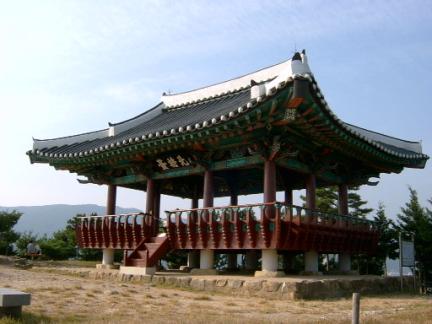
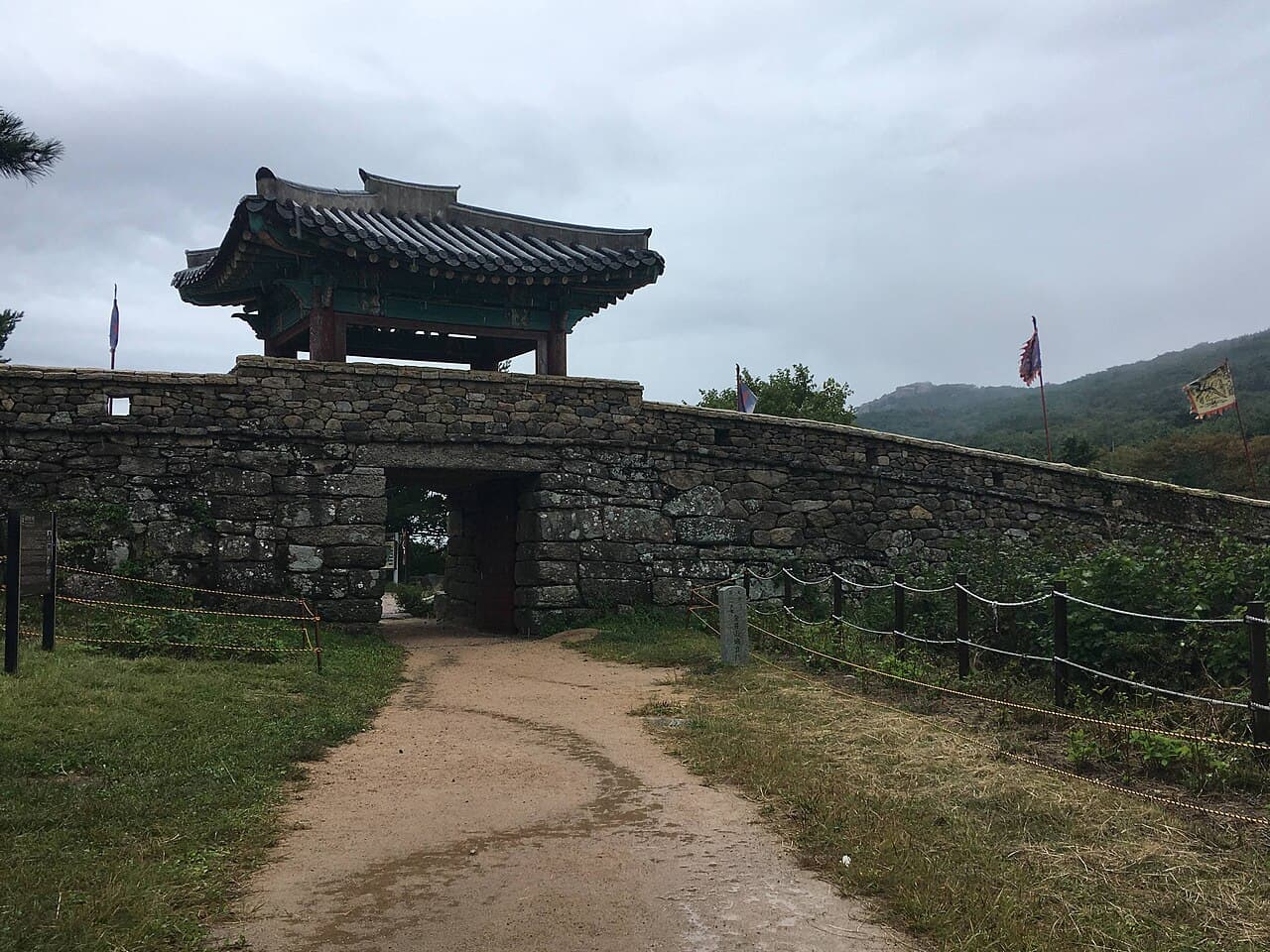
The fortress includes several major gates, each strategically placed to control access and facilitate troop movements. Notable gates include the Jangdae Gate, Dongnae Gate, and Seo Gate. These gates are reinforced with guardhouses and defensive towers, providing strong points for defense.
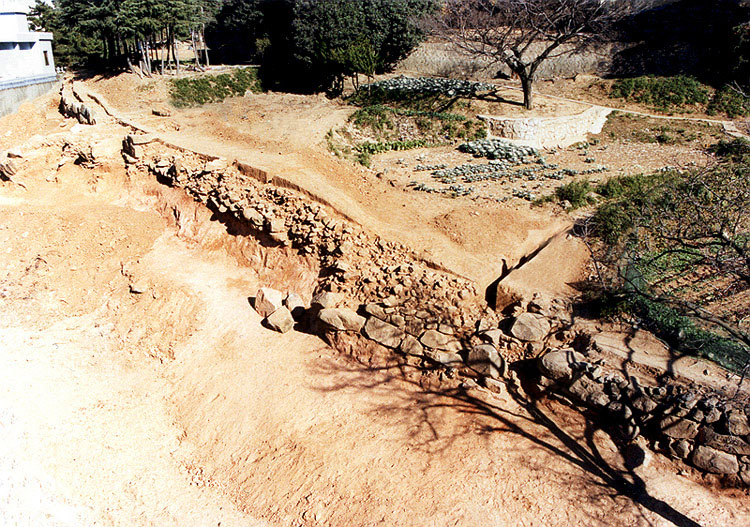
Within the fortress, there are remains of military barracks, command posts, and storage facilities. The fortress also housed a water supply system, including wells and reservoirs, critical for sustaining a prolonged defense during sieges.
Military significance and historical role
Throughout its history, Geumjeongsanseong played a crucial role in regional defense. It served as a refuge for local populations during invasions and as a military base for Joseon forces. The fortress's elevated position and robust construction made it a formidable obstacle for any invading army.
While the fortress did not witness many large-scale battles, its presence contributed to deterrence and regional stability. It also functioned as a command center during various military campaigns and emergencies in the Busan area.
Preservation and modern status
Today, Geumjeongsanseong is recognized as a significant cultural heritage site in South Korea. Portions of the fortress walls and gates have been restored or preserved, allowing visitors to experience the scale and design of this historic military structure.
The site offers hiking trails that follow the fortress walls, providing panoramic views of Busan and the surrounding landscape. It attracts both history enthusiasts and outdoor adventurers, combining cultural education with natural beauty.
Efforts continue to maintain and protect the fortress from natural degradation, ensuring that this impressive example of Joseon military architecture remains accessible for future generations.
Frequently asked questions (FAQ)
- What is Geumjeongsanseong?
- Geumjeongsanseong is a historic mountain fortress located in Busan, South Korea. Built during the late 4th century, it served as a military stronghold and a refuge during invasions, showcasing the architectural ingenuity of the time.
- When was Geumjeongsanseong built?
- Construction of Geumjeongsanseong began in the late 4th century and continued until the 6th century. It was strategically built to protect the region from external threats and has since played a significant role in Korean history.
- Can I visit Geumjeongsanseong?
- Yes, Geumjeongsanseong is open to the public, and visitors can explore its extensive walls and stunning views of the surrounding area. The site offers a unique glimpse into Korea's historical military architecture and panoramic vistas of Busan.
- What are the opening hours for Geumjeongsanseong?
- Geumjeongsanseong is typically open from 9:00 AM to 6:00 PM, but hours may vary depending on the season. It is advisable to check the official website or local resources for the most current information before your visit.
- Is it possible to hike to Geumjeongsanseong?
- Yes, hiking to Geumjeongsanseong is a popular activity, with several trails leading to the fortress. The hike provides an enjoyable experience with beautiful natural scenery and is suitable for both novice and experienced hikers.
- What is the best time to visit Geumjeongsanseong?
- The best time to visit Geumjeongsanseong is during the spring and autumn months when the weather is mild and the surrounding foliage is vibrant. These seasons offer comfortable temperatures for hiking and exploring the fortress.
- Are there any nearby attractions to Geumjeongsanseong?
- Yes, nearby attractions include Beomeosa Temple, a significant Buddhist temple, and the scenic Geumjeongsan Mountain. Visitors can easily combine their trip to the fortress with these other cultural and natural sites.
- What are the ticket prices for Geumjeongsanseong?
- Admission to Geumjeongsanseong is typically free, allowing everyone to enjoy its historical and scenic offerings. However, there may be fees for guided tours or additional services, so it's best to check in advance.
- How do I get to Geumjeongsanseong?
- Geumjeongsanseong can be accessed via public transportation, with several bus routes and the subway providing convenient options. The nearest subway station is Beomeosa Station, from which you can take a short bus ride or hike to the fortress.
Photo gallery

Information
Loading map...
Visitor reviews
No reviews yet. Been here? Write the first review and help other travelers!
Write the first reviewVisited this castle? Share your experience
Your review helps other travelers and adds first-hand knowledge to our encyclopedia.