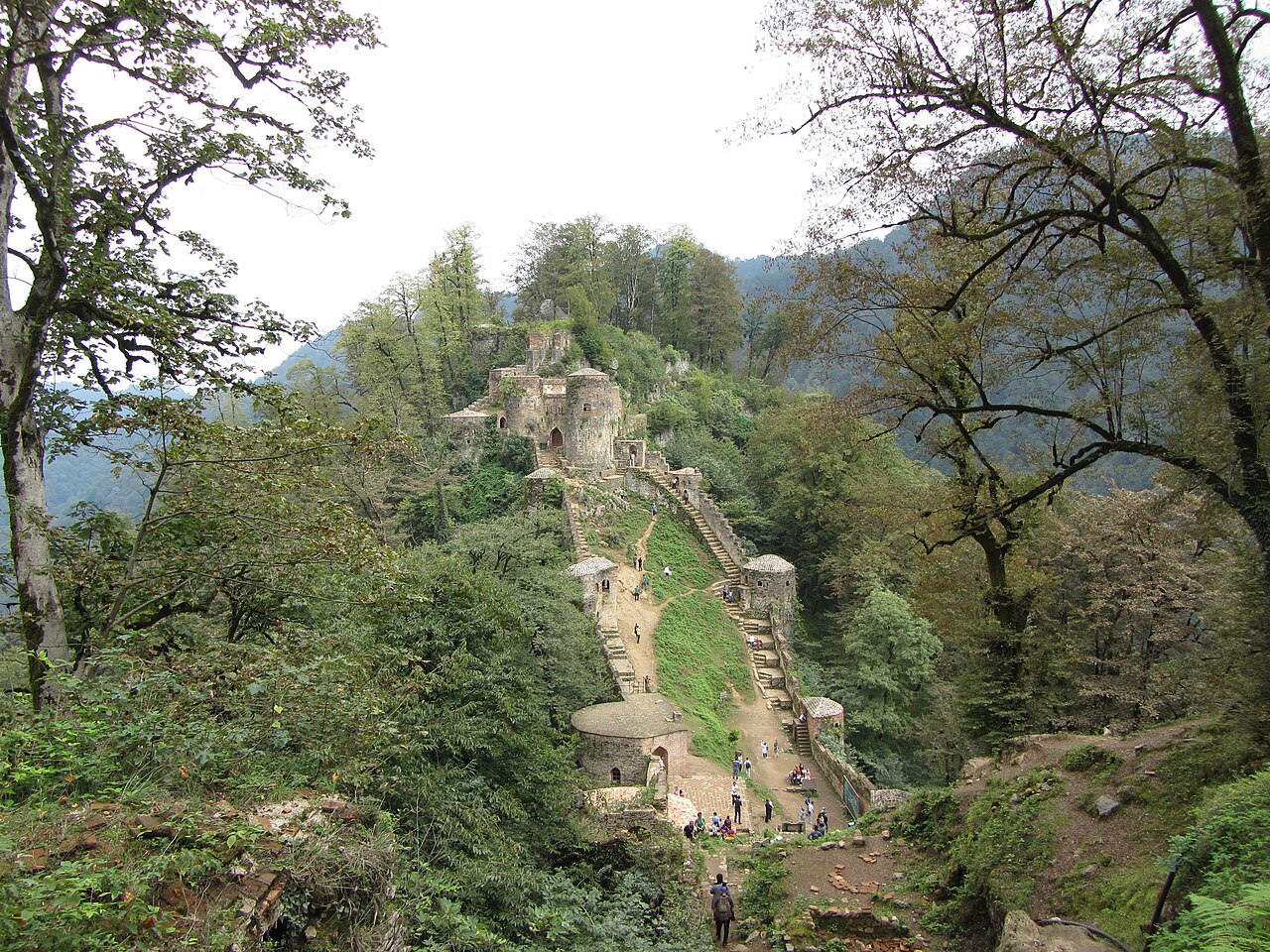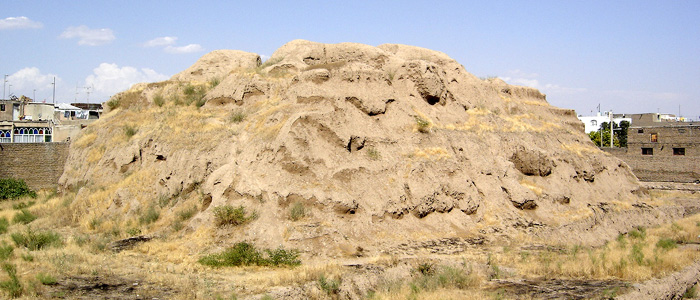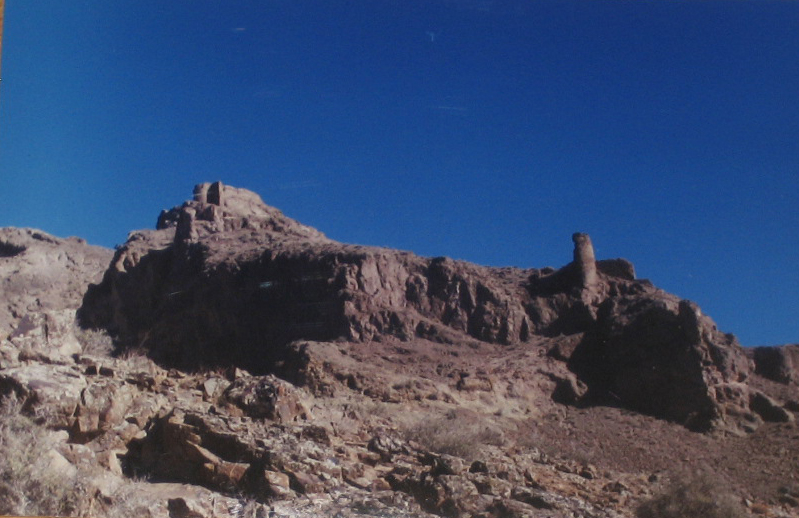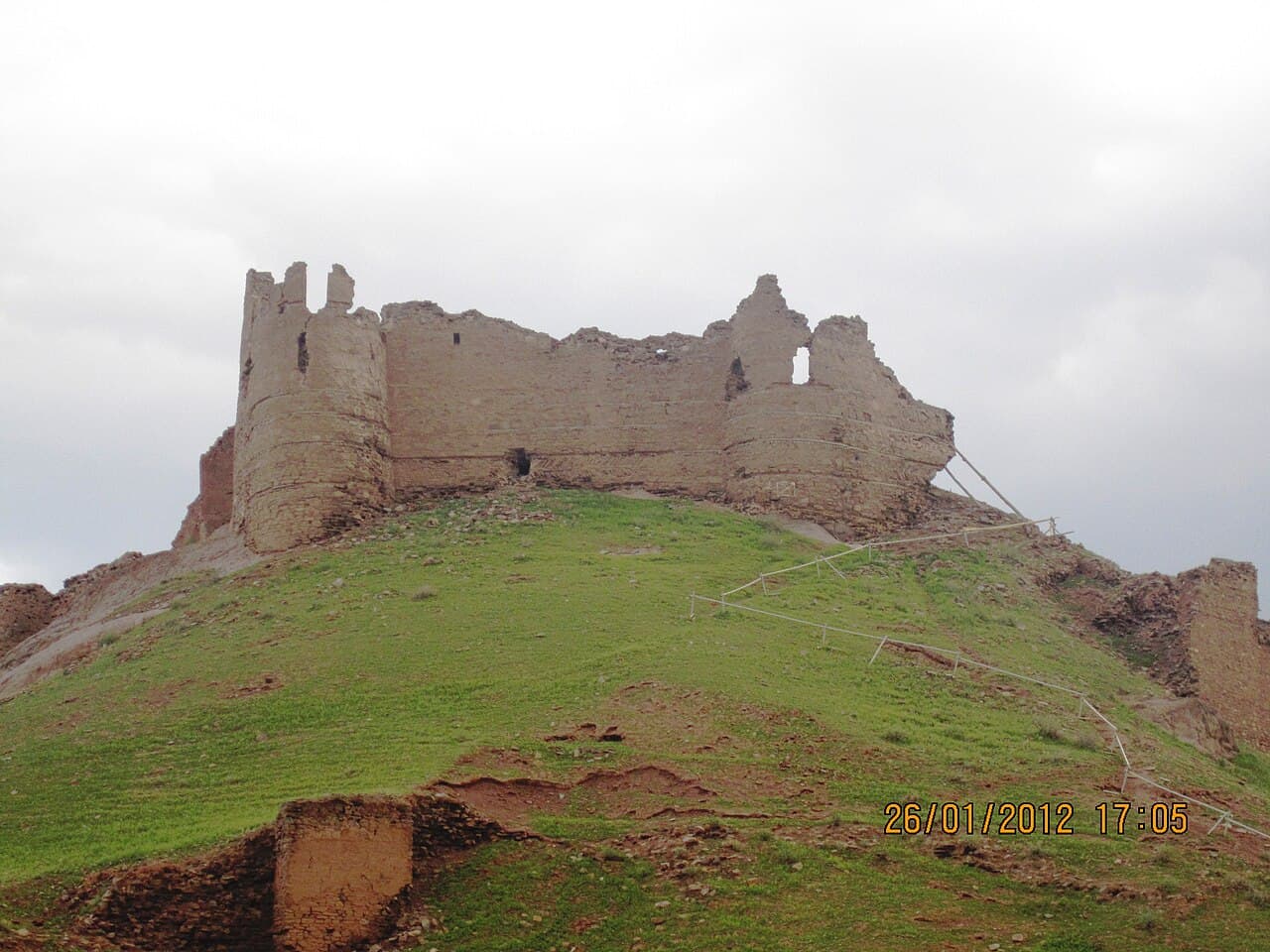
Semiran castle (Persian: قلعه شمیران) is an ancient fortress located in Qazvin province, Iran. This historical castle is notable for its origins dating back to the Nizari Ismaili state, a significant period in Iranian history during the High Medieval era. The castle's remains today stand as archaeological ruins, offering insight into the military architecture and defensive strategies of its time.
Historical context and significance
The Nizari Ismaili state, which flourished between the 11th and 13th centuries, was known for its network of fortresses strategically placed across Persia to resist the Seljuk Empire and later the Mongol invasions. Semiran castle was part of this defensive system, serving as a stronghold for the Ismaili community in the region. Its location in Qazvin province placed it within a key area of political and military activity during this turbulent period.
The castle's foundation likely dates from the 12th or 13th century, aligning with the peak of Nizari Ismaili power. Castles like Semiran were crucial for controlling trade routes and providing refuge for the Ismaili leaders and their followers.
Architectural features and layout
Although now in ruined condition, Semiran castle's remains reveal typical features of High Medieval fortifications used by the Nizari Ismailis. The castle was constructed primarily from local stone and mortar, designed to blend with the natural landscape for defensive advantage.
The fortress likely included thick defensive walls, towers for surveillance and defense, and a gatehouse controlling access. The use of elevation and natural terrain was essential, as many Nizari castles were built on hills or rocky outcrops to enhance visibility and defense.
Excavations and studies of similar Nizari fortresses suggest the presence of living quarters, storage rooms, and water cisterns within the castle complex, enabling inhabitants to withstand sieges.
Current state and archaeological importance
Today, Semiran castle exists as a site of archaeological ruins. The ruined walls and foundations provide valuable information for historians and archaeologists studying the Nizari Ismaili period and medieval Persian fortifications.
The site is of interest for its potential to reveal more about the defensive techniques and daily life of the Ismaili community during a period marked by conflict and political intrigue. Preservation efforts focus on maintaining the ruins and preventing further deterioration.
Visiting Semiran castle
While the exact city location within Qazvin province is not widely documented, visitors interested in medieval Persian history and architecture may find the site compelling. Due to its status as ruins, access might be limited and facilities minimal, so preparation and local guidance are recommended.
The castle's remote and rugged setting adds to the experience, offering a glimpse into the strategic importance of such fortresses in Iran's medieval past.
Frequently asked questions (FAQ)
- When was Semiran castle built?
- Semiran castle was likely constructed during the 12th to 13th centuries, coinciding with the height of the Nizari Ismaili state in Persia.
- What is the historical significance of Semiran castle?
- The castle was part of the Nizari Ismaili defensive network, serving as a fortress to protect the community and control strategic routes in Qazvin province.
- What remains can be seen at Semiran castle today?
- Visitors can observe the ruins of defensive walls, foundations, and possibly towers that illustrate medieval Persian military architecture.
- Is Semiran castle accessible to visitors?
- As an archaeological ruin, access may be limited and facilities scarce. Visitors should seek local guidance and prepare accordingly.
- Why is Semiran castle important for archaeological studies?
- The site offers valuable insights into the construction techniques and defensive strategies of the Nizari Ismaili period, enriching understanding of medieval Persian history.
Photo gallery

Information
Loading map...
Visitor reviews
No reviews yet. Been here? Write the first review and help other travelers!
Write the first reviewVisited this castle? Share your experience
Your review helps other travelers and adds first-hand knowledge to our encyclopedia.