Meimoon Ghal'eh — Iran castle

Meimoon Ghal'eh

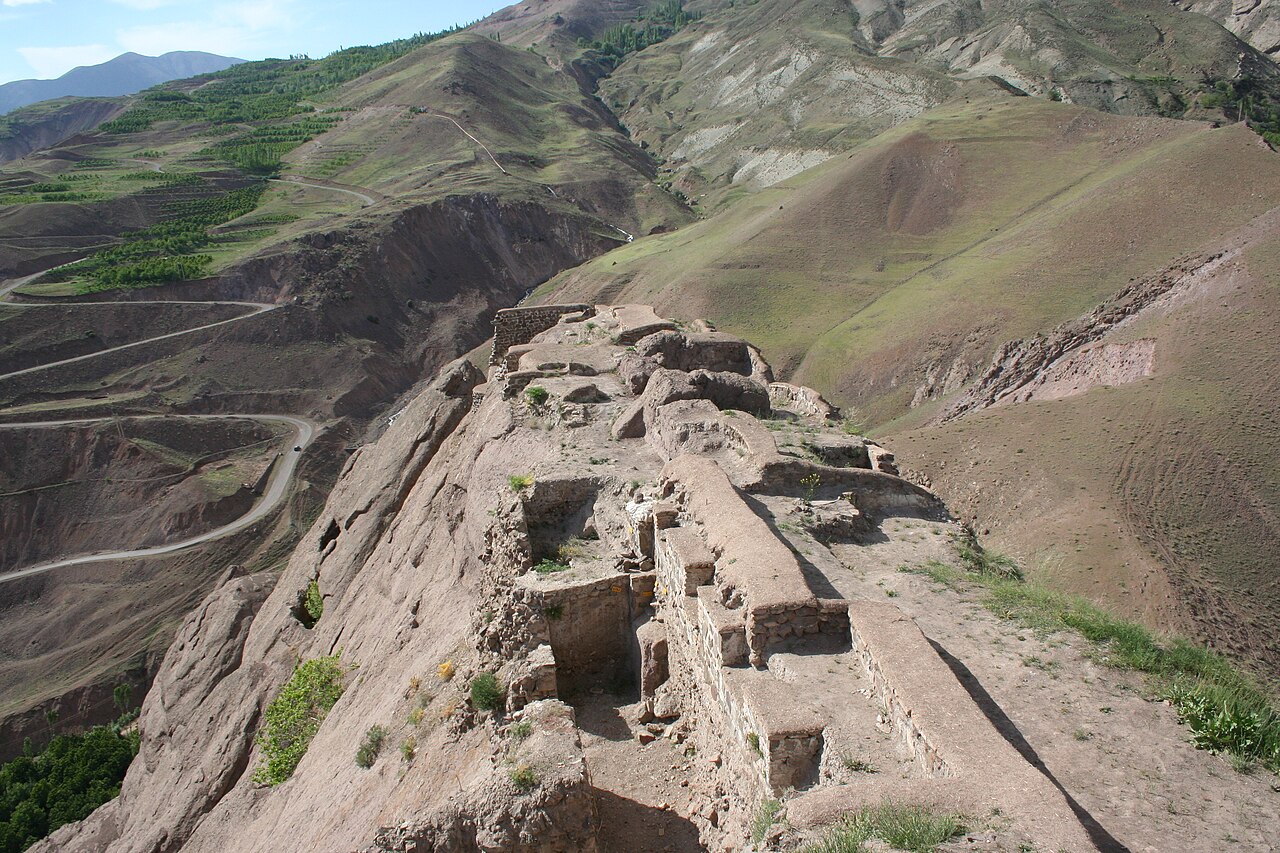
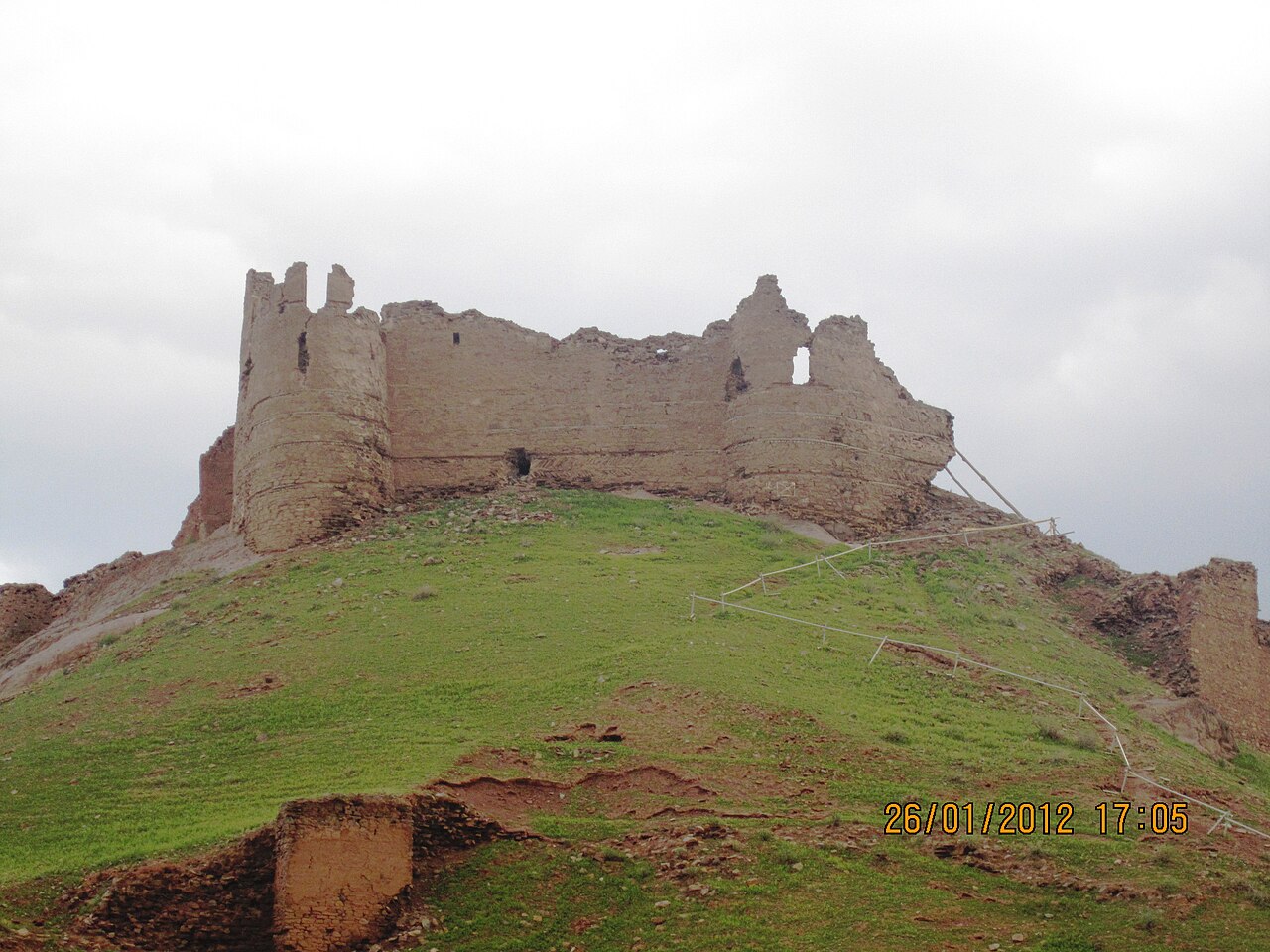
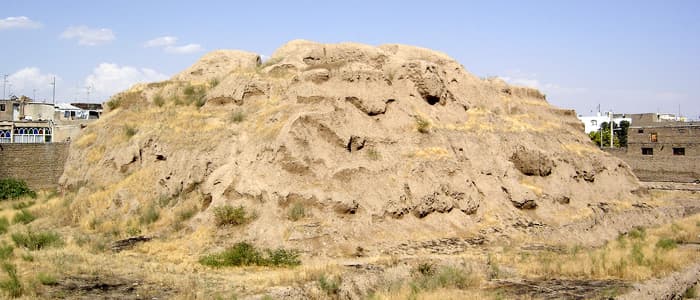
Meimoon Ghal'eh castle ruins in Qazvin, Iran
Qazvin, Iran
Ruins

Meimoon Ghal'eh (Persian: میمون قلعه), also called Mehman Ghal'eh and Mobarak Ghal'eh, is a notable castle ruin located in the vicinity of Qazvin, Iran. The name translates to "Monkey Castle" or "the Blessed Castle," reflecting local traditions and cultural significance. This site is one of several ancient fortifications scattered around the Qazvin region, which was historically important as a strategic gateway to the Iranian plateau.

Historical context and significance

The castle dates back to the medieval period, although precise construction dates remain uncertain due to limited archaeological research. It is believed to have served as a defensive stronghold during various eras of Iranian history, possibly including the Islamic medieval period. The Qazvin area was a key military and trade route, and castles such as Meimoon Ghal'eh played crucial roles in regional defense and control.

The multiple names of the castle, including Mehman Ghal'eh (Guest Castle) and Mobarak Ghal'eh (Blessed Castle), suggest that it may have also had functions beyond military defense, possibly serving as a refuge or a place of hospitality for travelers and officials.

Architectural features and layout

Meimoon Ghal'eh is classified as archaeological ruins today, with much of its original structure lost to time. What remains indicates a typical fortress design adapted to the local terrain. The castle likely featured thick defensive walls, battlements, and watchtowers to oversee the surrounding landscape.

The ruins suggest a compact layout, possibly including a central courtyard and residential quarters within the fortified perimeter. The use of local stone and traditional construction techniques is evident in the surviving masonry fragments.

Defensive elements

Although the castle is in ruins, traces of fortification walls and possible remnants of a gatehouse have been identified. The elevated position of the site would have provided strategic advantage for surveillance and defense against invaders.

Preservation and archaeological research

Currently, Meimoon Ghal'eh remains in a state of ruins, with limited conservation efforts. The site is of interest to archaeologists studying medieval Iranian fortifications and regional history. However, comprehensive excavations and restorations have yet to be conducted, leaving many aspects of the castle's history and architecture to be uncovered.

Visitors to the site can observe the remnants of walls and foundations, gaining insight into the defensive architecture of the period and the strategic importance of the Qazvin region in historical Iran.

Location and accessibility

While the exact city location is not definitively documented, Meimoon Ghal'eh is associated with the Qazvin region in northwestern Iran. The area is accessible from the city of Qazvin, which serves as a cultural and historical hub with several other castle ruins and heritage sites nearby.

The castle's position within the Iranian landscape underscores its role in controlling key routes and protecting settlements during its active use.

Frequently asked questions (FAQ)

How do I get to Meimoon Ghal'eh?
Meimoon Ghal'eh is located in the northern part of Iran, near the city of Shahrud. The best way to reach the castle is by car, and there are also local buses that can take you to Shahrud. From Shahrud, you can hire a taxi or use local transportation options to get to the castle.
What is the historical significance of Meimoon Ghal'eh?
Meimoon Ghal'eh, built during the Qajar era, is known for its unique architectural features and historical importance as a royal residence. It served as a summer palace for members of the royal family, reflecting the opulence and cultural heritage of that period. The castle's historical significance is further enhanced by its beautiful gardens and surrounding landscapes.
When was Meimoon Ghal'eh built?
Meimoon Ghal'eh was constructed in the late 19th century, specifically around 1880. This period marked a flourishing of Persian architecture, and the castle showcases the intricate designs and styles typical of the era. Its construction is a testament to the artistic and cultural developments of the time.
Can I take photographs inside Meimoon Ghal'eh?
Yes, visitors are allowed to take photographs in most areas of Meimoon Ghal'eh. However, it's important to be respectful of the site's historical significance and other visitors. Always check for any specific restrictions that may apply during your visit.
Why is Meimoon Ghal'eh considered an architectural gem?
Meimoon Ghal'eh is considered an architectural gem due to its stunning blend of Persian and Islamic architectural styles, featuring intricate tile work, elegant arches, and lush gardens. The castle's design emphasizes harmony with nature, which is a hallmark of Persian architecture. Its unique elements make it a popular subject for both architectural enthusiasts and photographers.
Is it possible to visit Meimoon Ghal'eh year-round?
Yes, Meimoon Ghal'eh is open for visitors year-round, although the best time to visit is during the spring and autumn months when the weather is mild and pleasant. Summer can be quite hot, while winter may bring cold temperatures, so plan your visit accordingly. Always check local weather conditions before your trip.
What are the opening hours for Meimoon Ghal'eh?
Meimoon Ghal'eh typically opens to visitors from 9 AM to 5 PM, but hours may vary depending on the season or local holidays. It’s advisable to check the castle’s official website or contact local tourism offices for the most current information before your visit. Early arrivals can help you avoid crowds and enjoy a more peaceful experience.
Are there any nearby attractions to visit after Meimoon Ghal'eh?
Yes, there are several nearby attractions worth exploring, including the scenic landscapes of the Alborz Mountains and the historical sites in Shahrud. You can also visit local markets and enjoy traditional Iranian cuisine in the area. These attractions complement your visit to Meimoon Ghal'eh and provide a deeper insight into the region's culture.
What are the ticket prices for visiting Meimoon Ghal'eh?
Ticket prices for Meimoon Ghal'eh are quite affordable, typically costing around 100,000 IRR for adults and reduced rates for children and students. Prices may vary slightly depending on special events or guided tours. It's a good idea to bring cash, as card payments may not always be accepted.

Photo gallery

Meimoon Ghal'eh
Click to view

Photo by The original uploader was Zereshk at English Wikipedia.•CC BY-SA 3.0

1 photo • Click any image to view in full screen

Information

Archaeological Site / Ruins

Loading map...

Visitor reviews

No reviews yet. Been here? Write the first review and help other travelers!

Write the first review

Visited this castle? Share your experience

Your review helps other travelers and adds first-hand knowledge to our encyclopedia.
Write a review

(5/5)

0/2000 characters

Your review will be visible after admin approval

Nearby castles

38.2 km
Lambsar Castle — Iran castle

Lambsar Castle

Razmian, Iran

Lambsar Castle stands as a monumental testament to the military ingenuity and cultural resilience of the Nizārī Ismā’īlī community in medieval Iran. Located in the Gilan region near Razmian, this hill castle commands a strategic position on a steep mountain slope, overlooking deep valleys that naturally defend its flanks. The fortress's origins trace back to the Sasanian Empire, a pre-Islamic Persian dynasty, with construction techniques and materials indicating its establishment during the early Islamic period as well. Over centuries, Lambsar evolved into one of the most formidable bastions of the Nizārī Ismā’īlī state, second only to the famed Alamut Castle.Historical significance and role in regional power strugglesDuring the Seljuk period, Lambsar Castle rose in prominence as a key defensive stronghold protecting the western sector of the Alamut region. It was extensively rebuilt and fortified under the direction of Kiya Buzurg Ummid, appointed governor by Hassan-i Sabbah, the influential leader of the Ismā’īlī order. This period marked Lambsar’s transformation into a center of both military defense and administrative governance.Lambsar’s resilience was put to the ultimate test during the Mongol invasions of the 13th century. The fortress withstood a prolonged siege, showcasing its robust fortifications and the determination of its defenders. However, in January 1257 AD, the stronghold fell due to a devastating outbreak of cholera among the inhabitants. Following the capture, Hulaku Khan, the Mongol commander, ordered the destruction of the fortress and execution of the surviving occupants, marking a tragic end to its role as a Nizārī bastion.Despite this, the Nizārī Ismā’īlī forces made several attempts to reclaim Lambsar and other key fortresses like Alamut in the years 1275 and 1389. These efforts, though brief, highlight the enduring strategic and symbolic importance of Lambsar in the region’s turbulent medieval history.Architectural features and defensive designThe castle’s layout extends approximately 480 meters north to south and 190 meters east to west, with an elevation difference of around 150 meters between its upper and lower sections. This verticality, combined with its positioning between two deep valleys, created natural barriers on the eastern and western sides, making direct assault from these directions nearly impossible. Consequently, access was funneled through heavily fortified gates located at the northern and southern ends of the fortress.The original defensive walls of Lambsar were imposing, standing over 10 meters tall and featuring double parapets. Constructed from very large stones bonded with sarooj, a traditional Iranian waterproof mortar, these walls were engineered for maximum strength and durability. Although only fragments survive today, the scale and craftsmanship of these fortifications would have presented a formidable challenge to any attacking force.At the northern end of the castle lies a prominent main building constructed with robust cut stone walls approximately 1.2 meters thick. This central structure includes a large main hall and four smaller extensions facing east, reflecting a sophisticated architectural plan that balanced defensive needs with administrative and residential functions.Water management and sustainability featuresOne of Lambsar’s most remarkable aspects was its advanced water management system. The castle incorporated ingenious methods for collecting and storing rainwater, with reservoirs located in the southern and southeastern sections. This ensured a steady supply of water during sieges, a critical factor in the fortress’s ability to withstand prolonged blockades.In addition to water storage, the fortress contained grain storage facilities and areas for small-scale cultivation within its limited space. These provisions contributed to a degree of self-sufficiency, allowing the inhabitants to endure extended periods of isolation without external resupply.Archaeological remains and current conditionToday, Lambsar Castle remains an evocative archaeological site. While much of its northern fortifications, including gates, towers, and ramparts, exist only as foundations and outlines, the surviving fragments provide valuable insight into its original grandeur. The massive walls, cut stone buildings, and water reservoirs reveal the high level of engineering and strategic planning employed in its construction.The site’s rugged terrain and elevation differences continue to impress visitors, illustrating the castle’s natural defensive advantages. Though partially in ruins, Lambsar’s remains stand as a powerful symbol of the Nizārī Ismā’īlī legacy and the broader history of fortress architecture in medieval Iran.Cultural heritage and tourismLambsar Castle is recognized as a significant cultural heritage site within Iran. Its association with the Nizārī Ismā’īlī community and its role in resisting Mongol invasions make it a subject of historical interest and scholarly study. The castle attracts visitors interested in medieval military architecture, Persian history, and the complex socio-political narratives of the Islamic Middle Ages.Visitors to the site can explore the rugged landscape and imagine the strategic challenges faced by its defenders. While the castle lacks extensive modern tourist infrastructure, its dramatic setting and historical importance offer a compelling experience for those seeking to connect with Iran’s rich past.

Early Medieval (5th–10th c.)
Details
56.3 km
Iran's Ancient Fortress of the Assassins — Iran castle

Iran's Ancient Fortress of the Assassins

Roudbar Alamout, Iran

Alamut Castle stands as a remarkable testament to medieval military architecture and the turbulent history of the Islamic world. Perched at an elevation of over 6,800 feet in the rugged terrain of the Alamut Valley near Roudbar, Iran, this fortress was originally constructed in the ninth century. Its strategic location atop a steep cliff made it nearly impregnable, with a single winding entrance path that deterred would-be conquerors. This natural and architectural fortification exemplifies the ingenuity of early medieval defensive design. The castle is most famously associated with Hassan-i Sabbah, an influential leader of the Ismaili Shia sect during the late 11th century. In 1090 A.D., Hassan-i Sabbah seized control of Alamut Castle through a combination of cunning strategy and diplomacy, reportedly purchasing the fortress from its previous owner without bloodshed. This event marked the beginning of Alamut’s transformation into the headquarters of the legendary group known as the Assassins, a secretive and formidable faction that played a significant role in the politics and conflicts of the region. Architectural design and defensive features The fortress’s design capitalized on its natural geography, making it a bastioned fortress that was difficult to assault. The single narrow entrance was designed to be easily defensible, winding around the cliff face to prevent surprise attacks. The walls were thick and robust, with battlements and towers that provided vantage points for surveillance and defense. The castle’s water supply system was ingeniously engineered, featuring an advanced irrigation network that sustained its inhabitants and agricultural terraces, crucial for withstanding long sieges. The castle layout The fortress complex included multiple courtyards, living quarters, storage rooms, and a library that became renowned for its extensive collection of manuscripts. The library housed works on astronomy, mathematics, philosophy, and alchemy, reflecting the intellectual pursuits encouraged by Hassan-i Sabbah and his followers. This emphasis on knowledge and learning distinguished Alamut from many other military fortresses of the period. The historical significance of Alamut Castle Alamut Castle served as the epicenter of the Assassins’ network, who were known for their covert operations and political influence across the Middle East during the High Medieval period. The Assassins used the fortress as a base to train their members and plan missions that shaped regional power dynamics. Their reputation as skilled and ruthless operatives has been immortalized in both historical records and popular culture. Despite its formidable defenses, Alamut eventually fell to the invading forces of the Mongols in 1256, marking the end of the Assassins’ dominance. However, the castle’s legacy endures as a symbol of strategic military architecture and the cultural achievements of the Ismaili community. Preservation and current condition Today, Alamut Castle stands as partially preserved ruins, attracting historians, archaeologists, and tourists interested in its dramatic history and architectural ingenuity. The site offers insight into medieval fortress construction techniques and the socio-political context of the Islamic world during the Middle Ages. Visitors can explore the remnants of the walls, towers, and terraces that once formed a thriving stronghold. Visiting Alamut Castle The castle is located in the Alamut region of Qazvin Province, accessible via hiking trails that traverse the surrounding mountainous landscape. Due to its elevation and rugged terrain, visitors should prepare for a physically demanding visit. The site is open seasonally, with the best times to visit during spring and autumn when the weather is mild and the natural scenery is at its most striking. Frequently asked questions How do I get to Alamut Castle? The castle is reachable by road to the nearby village of Gazor Khan followed by a hike up the mountain trails. It is recommended to hire a local guide for safe navigation. What is the historical importance of Alamut Castle? It was the stronghold of the Assassins under Hassan-i Sabbah, playing a crucial role in medieval Islamic history and military strategy. Is Alamut Castle accessible year-round? Access can be limited in winter due to snow and harsh weather; spring and autumn are the best seasons for visits. Can I see the original library at Alamut? The library no longer exists, but the site’s ruins indicate its former location and significance. Are there guided tours available? Local guides offer tours that provide historical context and highlight architectural features of the fortress.

High Medieval (11th–13th c.)
Details
87.3 km
Semiran Castle — Iran castle

Semiran Castle

, Iran

Semiran castle (Persian: قلعه شمیران) is an ancient fortress located in Qazvin province, Iran. This historical castle is notable for its origins dating back to the Nizari Ismaili state, a significant period in Iranian history during the High Medieval era. The castle's remains today stand as archaeological ruins, offering insight into the military architecture and defensive strategies of its time. Historical context and significance The Nizari Ismaili state, which flourished between the 11th and 13th centuries, was known for its network of fortresses strategically placed across Persia to resist the Seljuk Empire and later the Mongol invasions. Semiran castle was part of this defensive system, serving as a stronghold for the Ismaili community in the region. Its location in Qazvin province placed it within a key area of political and military activity during this turbulent period. The castle's foundation likely dates from the 12th or 13th century, aligning with the peak of Nizari Ismaili power. Castles like Semiran were crucial for controlling trade routes and providing refuge for the Ismaili leaders and their followers. Architectural features and layout Although now in ruined condition, Semiran castle's remains reveal typical features of High Medieval fortifications used by the Nizari Ismailis. The castle was constructed primarily from local stone and mortar, designed to blend with the natural landscape for defensive advantage. The fortress likely included thick defensive walls, towers for surveillance and defense, and a gatehouse controlling access. The use of elevation and natural terrain was essential, as many Nizari castles were built on hills or rocky outcrops to enhance visibility and defense. Excavations and studies of similar Nizari fortresses suggest the presence of living quarters, storage rooms, and water cisterns within the castle complex, enabling inhabitants to withstand sieges. Current state and archaeological importance Today, Semiran castle exists as a site of archaeological ruins. The ruined walls and foundations provide valuable information for historians and archaeologists studying the Nizari Ismaili period and medieval Persian fortifications. The site is of interest for its potential to reveal more about the defensive techniques and daily life of the Ismaili community during a period marked by conflict and political intrigue. Preservation efforts focus on maintaining the ruins and preventing further deterioration. Visiting Semiran castle While the exact city location within Qazvin province is not widely documented, visitors interested in medieval Persian history and architecture may find the site compelling. Due to its status as ruins, access might be limited and facilities minimal, so preparation and local guidance are recommended. The castle's remote and rugged setting adds to the experience, offering a glimpse into the strategic importance of such fortresses in Iran's medieval past.

High Medieval (11th–13th c.)
Details