Semini Sculpture
The Semini sculpture is a unique and enigmatic fertility symbol located above a gate in the historic city of Antwerp, Belgium. Despite its worn and nearly flat appearance today, this ancient bas-relief holds a significant place in local folklore and cultural identity. The figure is believed to date back as far as the second century, although its exact origins remain shrouded in mystery. It has been revered as a symbol of fertility, with women historically gathering around it to pray for conception.
Originally, the sculpture prominently featured a large phallus, which was central to its role as a fertility emblem. However, in 1587, the local clergy deemed this aspect inappropriate and ordered the phallus to be removed, reflecting the changing religious and social attitudes of the 16th century. Another popular narrative suggests that women themselves ground down the stone phallus to create fertility potions, illustrating the figure's deep-rooted association with reproductive rites and folk medicine.
Historical significance and cultural context
The Semini sculpture embodies a fascinating intersection of pagan fertility traditions and later Christian influences in Antwerp. While the precise identity of the figure is debated, many scholars propose that it represents the Roman fertility god Priapus, known for his exaggerated male attributes and role in agricultural and human fertility. Alternatively, some interpretations suggest a connection to Norse or Celtic fertility deities, reflecting the diverse cultural influences in the region during antiquity and the early medieval period.
Despite the scarcity of surviving historical records, the enduring local reverence for Semini highlights its importance as a symbol of life, fertility, and continuity. The people of Antwerp proudly identify as "Semini’s Children", underscoring the sculpture's lasting cultural resonance.
Architectural and artistic features
The sculpture is carved in bas-relief, a technique where figures are slightly raised from the background stone, allowing for subtle depth and detail. Over centuries, weathering and deliberate defacement have rendered the figure almost indistinguishable, with its once-prominent phallus now lost to history. This erosion challenges modern viewers to use imagination and historical knowledge to reconstruct its original form and significance.
Positioned above a city gate, the placement of the Semini sculpture suggests it was intended to be a protective and auspicious emblem for those entering Antwerp. City gates historically served as symbolic thresholds, and adorning them with fertility symbols may have been intended to invoke prosperity and growth for the community.
Controversies and interpretations
The Semini sculpture’s ambiguous origins have generated various theories and debates among historians and archaeologists. The lack of definitive documentation means that much of its story is pieced together from folklore, religious history, and comparative mythology. The conflicting accounts about the removal of the phallus—whether by clergy or local women—reflect broader tensions between pagan customs and Christian morality during the Renaissance era.
Additionally, the debate over whether Semini is a Roman, Norse, or Celtic figure highlights the complex cultural exchanges in the region. Antwerp’s location as a trading hub and cultural crossroads likely contributed to the blending of these traditions into a unique local symbol.
Legacy and modern-day significance
Today, the Semini sculpture remains an important cultural artifact and a cherished emblem for the citizens of Antwerp. Although it no longer retains its original physical prominence, its symbolic power endures. The nickname "Semini’s Children" expresses a communal identity tied to fertility, life, and the city’s ancient heritage.
Visitors to Antwerp can view the sculpture above the city gate, reflecting on the layers of history and mythology embedded in this modest yet profound bas-relief. Semini stands as a testament to the enduring human fascination with fertility, protection, and the mysteries of life across centuries.
Frequently asked questions (FAQ)
- What is the historical significance of Semini Sculpture?
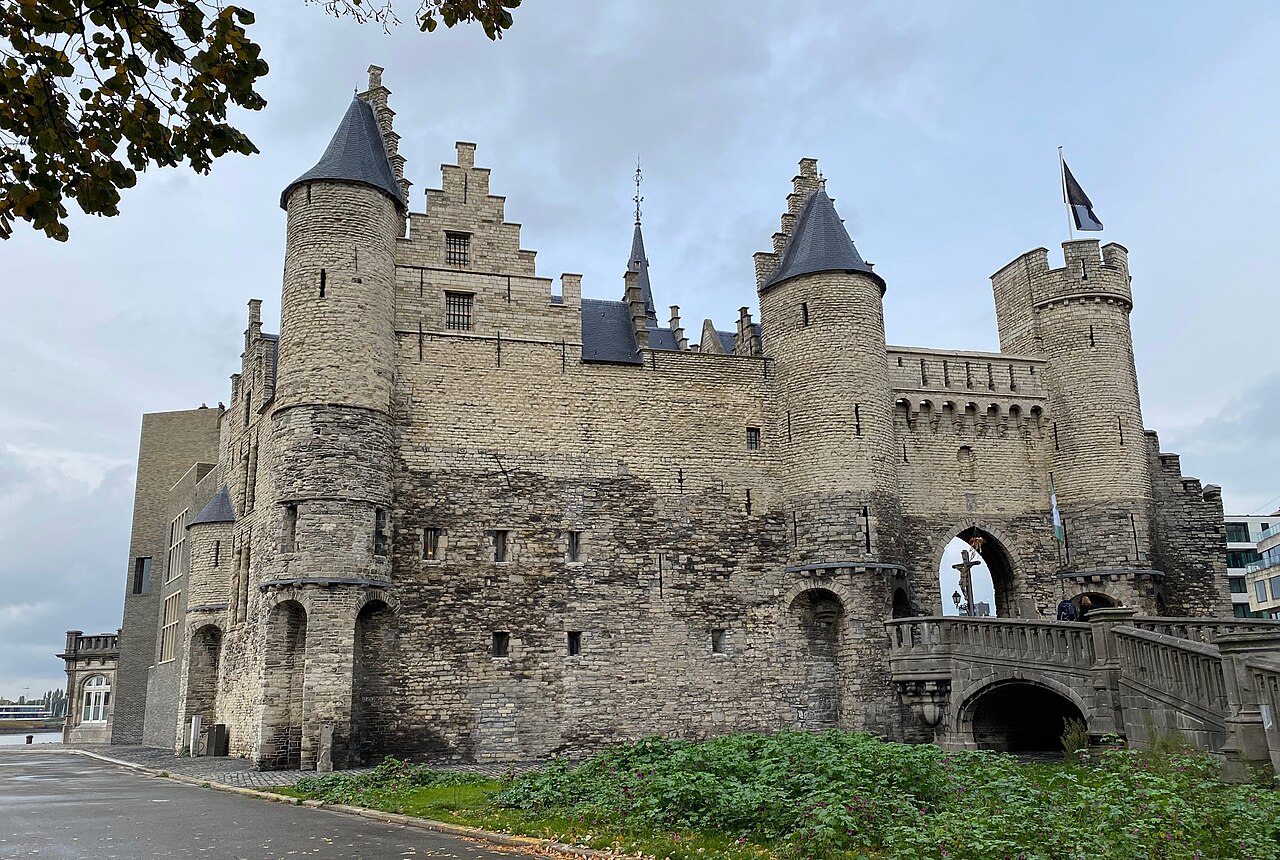
- Semini Sculpture is a remarkable historical site in Antwerp, Belgium, known for its unique blend of Gothic and Renaissance architectural styles. This castle has stood since the late 15th century, serving various roles throughout history, including as a noble residence and a cultural hub. Its rich history reflects the evolution of architectural trends in Belgium, making it a valuable landmark for both locals and tourists.
- When was Semini Sculpture built?
- Semini Sculpture was originally constructed in the late 15th century, with significant renovations occurring over the centuries. The castle showcases the artistic and architectural innovations of its time, particularly reflecting influences from the surrounding region. Visitors can explore its storied past through the various elements preserved within its walls.
- Can I visit Semini Sculpture year-round?
- Yes, Semini Sculpture is open to visitors year-round, although specific opening hours may vary by season. It is advisable to check the official website or contact the castle directly for the most current information regarding visiting hours. This ensures you can plan your visit effectively and make the most of your experience.
- What are the ticket prices for Semini Sculpture?
- Ticket prices for Semini Sculpture vary depending on age and group size, with discounts often available for students and seniors. Generally, adult tickets are reasonably priced, allowing access to the castle's fascinating exhibits and grounds. Special family packages may also be offered to encourage group visits.
- Is it possible to access Semini Sculpture for visitors with disabilities?
- Yes, Semini Sculpture strives to be accessible to all visitors, including those with disabilities. The castle has made provisions for wheelchair access, ensuring that everyone can enjoy its rich offerings. However, it is recommended to contact the castle in advance to confirm specific accessibility features and any assistance required during your visit.
- When is the best time to visit Semini Sculpture?
- The best time to visit Semini Sculpture is during the spring and early fall when the weather is pleasant and the gardens are in full bloom. This period typically sees fewer crowds, allowing for a more relaxed exploration of the castle and its surroundings. Additionally, special events and exhibitions often take place during these seasons, enhancing the visitor experience.
- What nearby attractions can I explore after visiting Semini Sculpture?
- After visiting Semini Sculpture, you can explore other nearby attractions such as the Cathedral of Our Lady and the Antwerp Zoo, both offering unique experiences. The vibrant neighborhoods surrounding the castle are home to local shops, cafes, and art galleries, providing ample opportunities for further exploration. This makes for a delightful day trip in Antwerp, combining history, culture, and leisure.
Loading map...
Visitor reviews
No reviews yet. Been here? Write the first review and help other travelers!
Write the first reviewVisited this castle? Share your experience
Your review helps other travelers and adds first-hand knowledge to our encyclopedia.