Het Steen
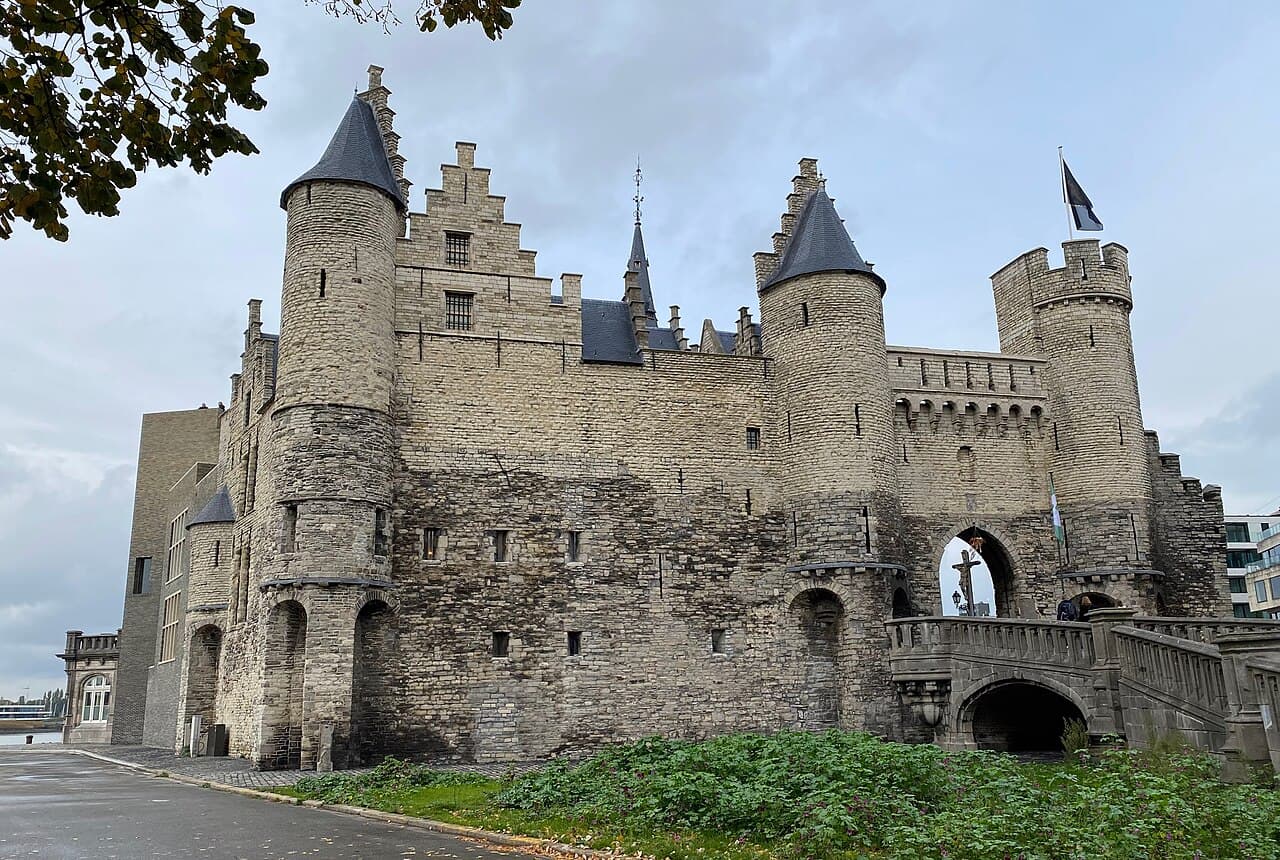
Het Steen is a prominent medieval fortress located in the historic city center of Antwerp, Belgium. As the oldest building in Antwerp, it stands as a remarkable testament to the city's early urban development and strategic importance during the High Medieval period. Constructed in the 13th century, Het Steen was originally built to defend the city after the disruptive Viking incursions of the early Middle Ages, marking Antwerp's transition from wooden fortifications to a durable stone fortress.
The origins and strategic importance of Het Steen
Initially known as the Antwerpen Burcht or Antwerp Fortress, Het Steen's primary function was to control access to the vital Scheldt river, a key waterway for commerce and military movements. Its location on the riverbank allowed the fortress to oversee and regulate river traffic, protecting Antwerp's burgeoning port, which would grow to become one of Europe's largest and most significant maritime hubs.
The name "Het Steen," which translates from Dutch as "the stone," reflects its status as a stone-built fortress, a notable advancement from earlier wooden defensive structures. This name was adopted around 1520 following extensive rebuilding and renovations commissioned by Emperor Charles V, who recognized the fortress's strategic value during a period of intense political and military activity in the region.
Architectural features and modifications
Het Steen's architecture exemplifies typical High Medieval fortress design, characterized by thick stone walls, battlements, and defensive towers. The fortress incorporated a complex of curtain walls and gatehouses designed to withstand sieges and control access points effectively. Over the centuries, the structure underwent several modifications to adapt to evolving military technologies and needs.
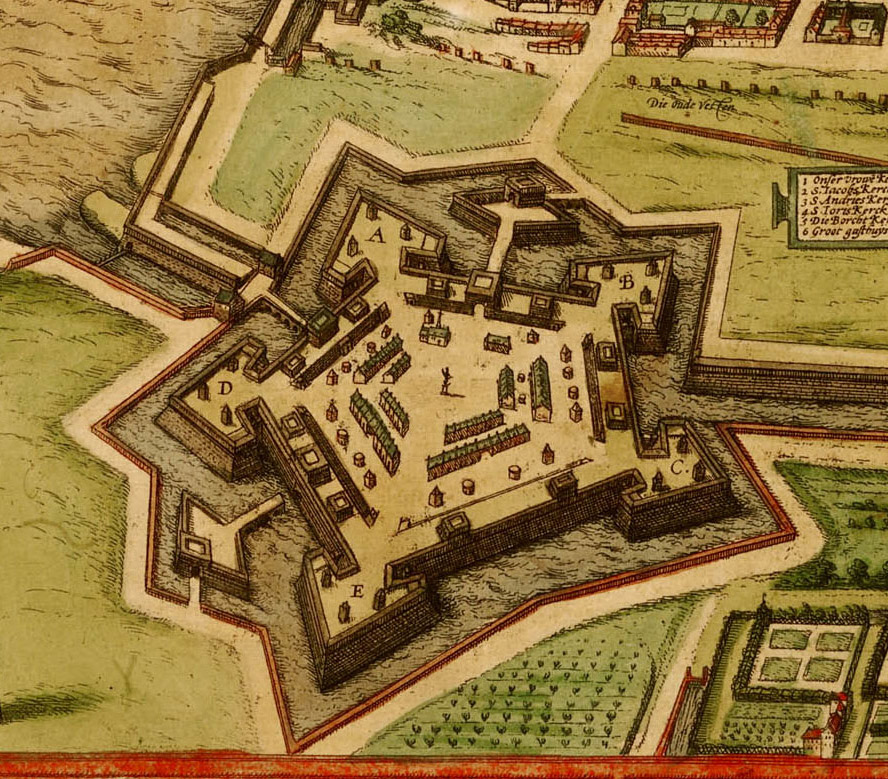
During the 16th century renovations under Charles V, the fortress was strengthened, and additional defensive elements were added to counter artillery advancements. The fortress's layout includes a central courtyard, surrounded by fortified walls and towers, which housed garrisons and served as a command center. The use of stone masonry not only provided enhanced durability but also symbolized the city's growing wealth and power.
Het Steen's role through history
Beyond its military function, Het Steen served as a prison from 1303 to 1827, reflecting its secure and imposing construction. The prison facilities were integrated within the fortress walls, with dungeons and cells designed to hold various categories of prisoners over the centuries. This dual role as both fortress and prison highlights the multifunctional nature of medieval castles in urban centers.
In the late 19th century, Het Steen transitioned from a military and penal facility to a cultural institution. In 1890, it was converted into a museum of archaeology, showcasing artifacts and historical objects related to Antwerp's rich past. This marked the beginning of its role in preserving and interpreting the city's heritage for public education and tourism.
Museum of maritime history and recent developments
In 1952, an annex was added to Het Steen to house the museum of Antwerp maritime history, reflecting the city's deep connection to its port and river trade. This museum focused on the evolution of shipping, navigation, and maritime commerce that shaped Antwerp's economic and cultural landscape.
However, in 2011, the maritime museum collection was relocated to the nearby Museum Aan de Stroom (MAS), a modern cultural complex dedicated to Antwerp's history and global connections. This move allowed Het Steen to focus more on its archaeological and historical significance as a medieval fortress and urban landmark.
Preservation and cultural significance today
Today, Het Steen stands as a well-preserved symbol of Antwerp's medieval heritage and resilience. Its imposing stone walls and towers continue to attract visitors interested in castle architecture, medieval history, and the evolution of urban fortifications. The fortress's location along the Scheldt river offers picturesque views and a tangible connection to Antwerp's maritime past.
Het Steen's enduring presence in Antwerp's cityscape underscores its importance as a cultural and historical monument. It exemplifies the transition from early medieval wooden defenses to sophisticated stone fortifications that shaped European urban centers during the High Medieval period. As such, Het Steen remains a vital link to understanding Antwerp's development as a major port city and its role in European history.
Frequently asked questions (FAQ)
- How do I get to Het Steen?
- Het Steen is conveniently located in Antwerp, Belgium, making it easily accessible by public transport. You can take a tram or bus to the nearby stops, or if you prefer, there are ample parking options available for those driving to the castle.
- What is the historical significance of Het Steen?
- Het Steen is one of the oldest buildings in Antwerp, dating back to the 13th century. Originally built as a fortress, it has served various purposes throughout its history, including a royal residence and a prison, making it a vital part of the city's rich heritage.
- When was Het Steen built?
- Het Steen was constructed in the 13th century, with its first records dating back to around 1200. Over the centuries, it has undergone several renovations and restorations, reflecting various architectural styles and historical influences.
- Can I visit Het Steen year-round?
- Yes, Het Steen is open to visitors throughout the year. However, it is advisable to check the specific opening hours and any potential seasonal changes before planning your visit, as these can vary.
- Why is Het Steen a popular tourist attraction?
- Het Steen attracts visitors due to its stunning medieval architecture and its picturesque location along the river Scheldt. Additionally, it offers insights into the history of Antwerp and hosts various cultural events, making it a vibrant destination.
- Is it possible to access Het Steen with a wheelchair?
- Yes, Het Steen is committed to accessibility and provides facilities for visitors with mobility challenges. Ramps and designated pathways are available to ensure that everyone can enjoy the historical site.
- What are the ticket prices for Het Steen?
- Entrance to Het Steen is generally free, but there may be fees for guided tours or special exhibitions. It's best to check the official website for the most up-to-date information on any costs associated with your visit.
- When is the best time to visit Het Steen?
- The best time to visit Het Steen is during the spring and early autumn when the weather is mild and pleasant. Additionally, these seasons often see fewer crowds, allowing for a more enjoyable experience while exploring the castle and its surroundings.
- Are there any nearby attractions to explore?
- Yes, Het Steen is located near several other attractions in Antwerp, including the Cathedral of Our Lady and the Museum aan de Stroom (MAS). These sites offer a diverse range of experiences, from art and culture to stunning architecture, making it a perfect day out.
Photo gallery

Information
Website
Visit websiteSources & official resources
Verify the information above using these authoritative references.
Loading map...
Visitor reviews
No reviews yet. Been here? Write the first review and help other travelers!
Write the first reviewVisited this castle? Share your experience
Your review helps other travelers and adds first-hand knowledge to our encyclopedia.