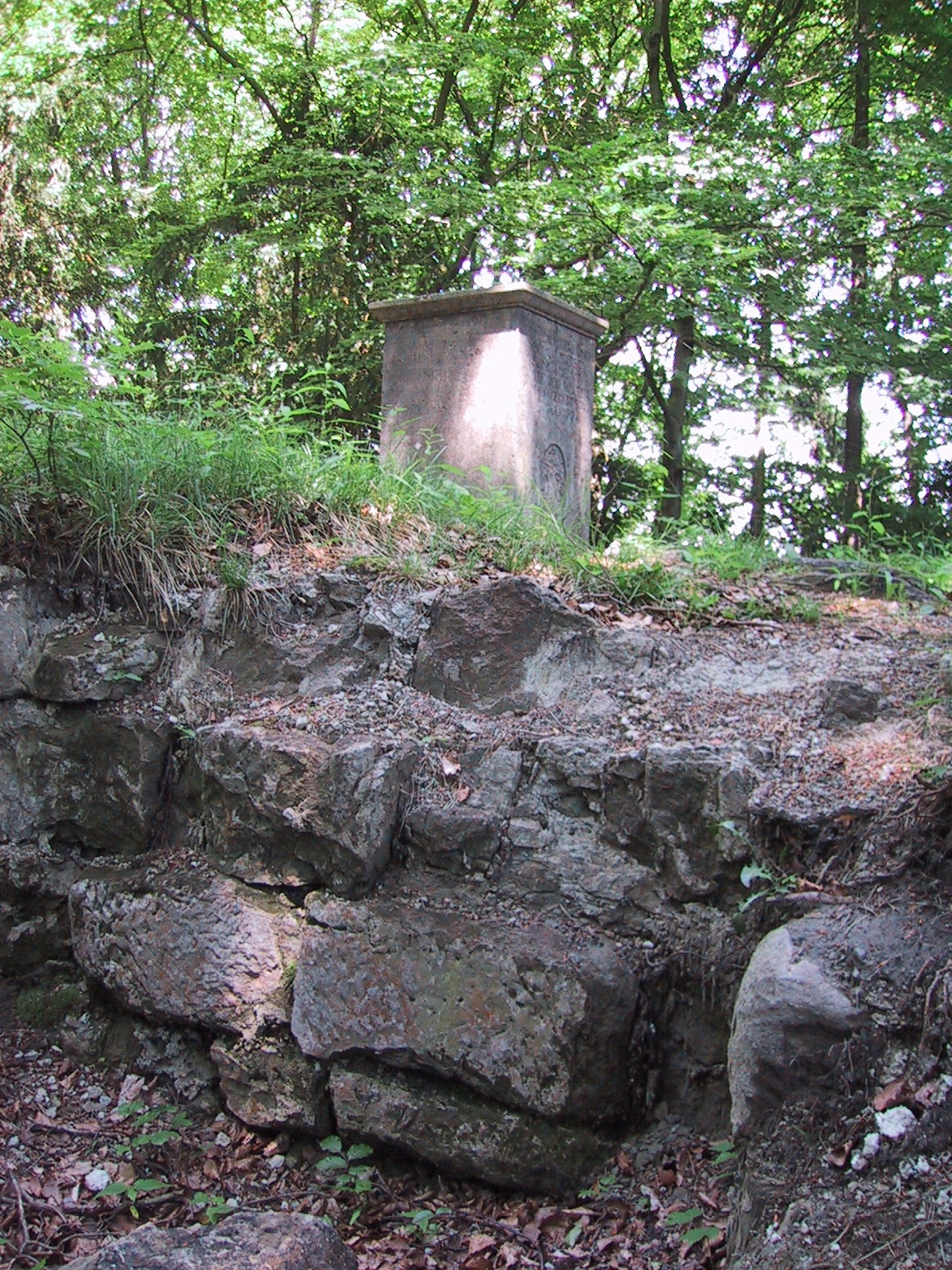
Sellenbüren / Ofengüpf
Sellenbüren / Ofengüpf is a historic hill castle site located in the municipality of Stallikon, Switzerland, on the western slope of the Uetliberg mountain. The site occupies a strategic natural plateau known as Ofengüpf, which has been a focal point of human activity since the Bronze Age. This long history of occupation reflects the area's importance in controlling local routes and resources.
The earliest evidence of settlement at Ofengüpf dates back to the Bronze Age, when communities established a fortified settlement on this elevated terrain. This prehistoric occupation laid the groundwork for later medieval developments. By the 11th century, the site evolved into a medieval castle environment marked by the construction of a wooden manor house set on a stone foundation. This manor likely served as a fortified residence or administrative center for the local nobility, specifically the Freiherren (barons) of Sellenbüren. Although the barons themselves probably lived at the nearby Uetliburg castle, the Ofengüpf site functioned as a subsidiary stronghold, possibly housing their vassals or household servants.
Medieval construction and defensive features
The castle's design reflects typical early medieval wooden fortification practices. The main structure was a wooden manor built atop a solid stone base, a method that combined the durability of stone foundations with the flexibility of timber construction. Unlike many contemporary castles, Ofengüpf did not feature a stone ring wall. Instead, its defense relied on a wooden palisade, which has since decayed completely. The natural topography provided significant protection, with steep slopes on three sides forming natural barriers against attackers.
To secure the most vulnerable approach, the builders engineered a man-made neck ditch on the accessible side of the plateau. This defensive trench was carved into the bedrock, creating a formidable obstacle to any advancing force. The combination of natural terrain and constructed defenses demonstrates a strategic use of landscape, typical of hill castles designed to maximize protection with limited resources.
Abandonment and archaeological findings
By the 12th century, the castle was deliberately abandoned. Archaeological evidence indicates that the site was intentionally set on fire before being vacated, suggesting a planned evacuation rather than destruction through siege or battle. The reasons for this abandonment remain unclear but may relate to changes in political control or shifts in regional power dynamics.
Excavations conducted in 1950 and 1951 uncovered a variety of artifacts that provide insight into the daily life and social status of the castle's inhabitants. Finds included ceramic fragments, horseshoe pieces, arrowheads, two keys, a knife, a belt buckle, and a richly decorated spur with spikes. These items reflect the material culture and martial readiness of the occupants, consistent with a minor noble household or its retainers.
Current remains and preservation
Today, the site of Sellenbüren / Ofengüpf is recognized primarily for its archaeological value rather than standing architecture. The surviving elements include the stone foundation of the manor house and the well-preserved neck ditch, both of which remain in their original locations. No wooden structures survive due to natural decay over centuries, and no stone defensive walls were ever constructed.
The plateau itself has been reduced in size by repeated landslides, which have eroded parts of the original fortification footprint. These geological processes have contributed to the loss of physical evidence but also highlight the challenges of maintaining hilltop fortifications in this region.
As a hill castle from the high medieval period, Sellenbüren / Ofengüpf offers a rare glimpse into the transitional phase between prehistoric settlement and medieval feudal fortification in Switzerland. Its combination of natural defenses, wooden architecture, and archaeological remains makes it a valuable site for understanding early medieval castle development and regional history.
Frequently asked questions (FAQ)
- What is the historical significance of Sellenbüren / Ofengüpf castle?
- Sellenbüren / Ofengüpf is significant as a high medieval hill castle site that evolved from a Bronze Age settlement, illustrating early medieval fortification and noble residence patterns in Switzerland.
- Can visitors see any remains of the castle today?
- Visitors can observe the stone foundation of the wooden manor house and the defensive neck ditch, which are the primary surviving features of the castle site.
- Why was the castle abandoned in the 12th century?
- Archaeological evidence suggests the castle was deliberately set on fire and evacuated, indicating a planned abandonment possibly due to political or strategic changes.
- How was the castle defended without stone walls?
- The castle relied on a wooden palisade and natural steep terrain on three sides, with a man-made neck ditch enhancing defense on the accessible side.
- Are there any artifacts found at the site?
- Excavations uncovered ceramic fragments, horseshoe pieces, arrowheads, keys, a knife, a belt buckle, and a decorated spur, reflecting the daily life and status of its former occupants.
Information
Loading map...
Visitor reviews
No reviews yet. Been here? Write the first review and help other travelers!
Write the first reviewVisited this castle? Share your experience
Your review helps other travelers and adds first-hand knowledge to our encyclopedia.