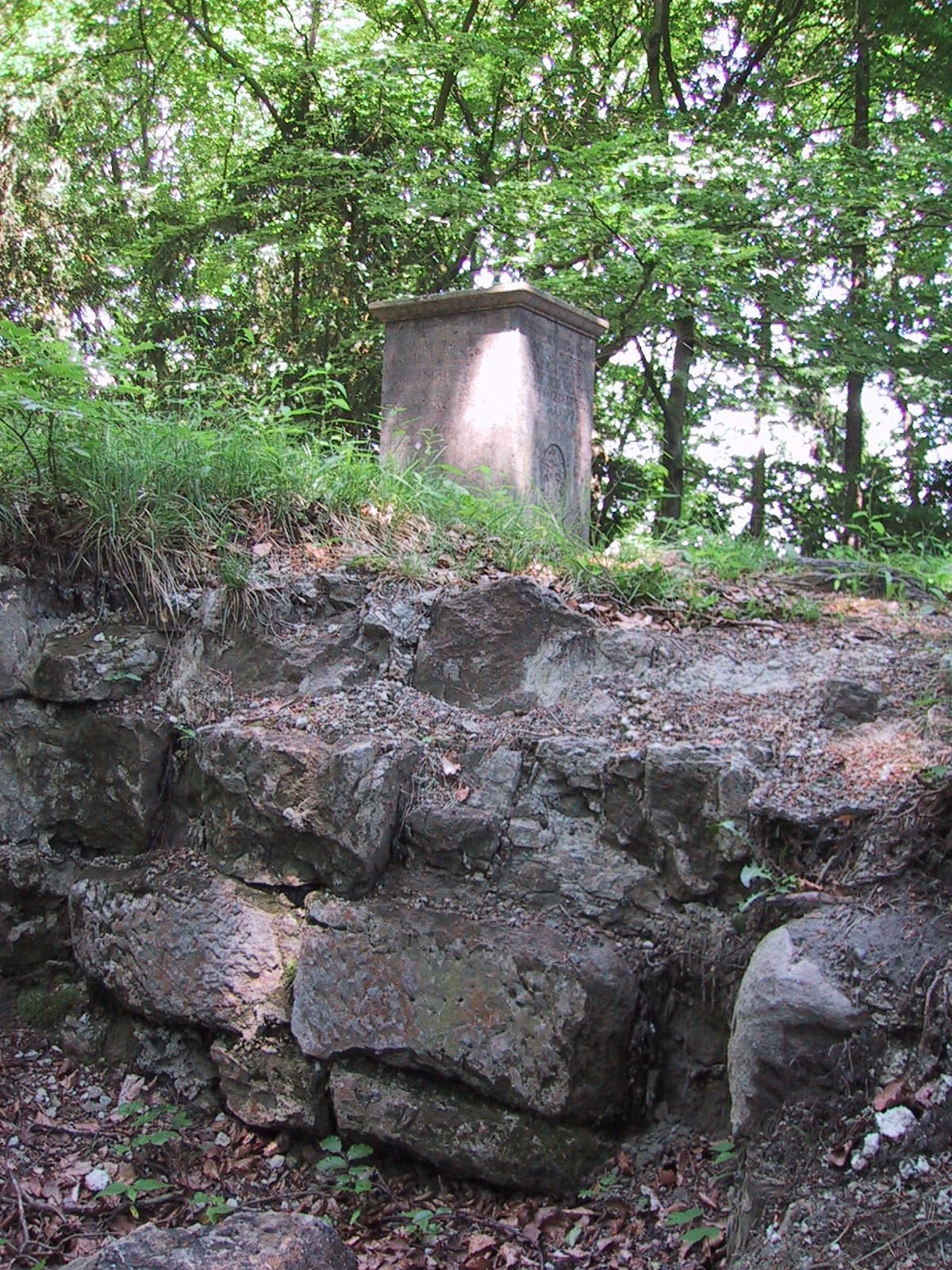
Manegg Castle
Manegg Castle is a late medieval hill castle whose ruins are located on the eastern slopes of the Albis range in the canton of Zürich, Switzerland. The site lies near the village of Leimbach and the residential area known as Manegg. This castle, dating from the 14th century, represents a typical example of a fortified noble residence from the period, designed to oversee and control the surrounding region.
Historical context and significance
The construction of Manegg Castle in the 14th century places it firmly within the late medieval period, a time when castles served both defensive and administrative functions in the Swiss territories. The castle was likely built to assert local lordship and to protect trade routes and agricultural lands in the Albis region. Although detailed records of its founders and occupants are scarce, the castle's strategic location on a hill provided a commanding view over the surrounding landscape, which was crucial for early warning against invaders or rival factions.
Architectural features and layout
While only ruins remain today, archaeological evidence and surviving structures suggest that Manegg Castle was constructed with typical hill castle features of the late medieval period. The castle was likely composed of a central fortified keep or donjon, surrounded by defensive walls and possibly a moat or natural ditch to enhance protection. The eastern slope location provided natural defense advantages, reducing the need for extensive artificial fortifications on that side.
The castle's walls would have been built from local stone, with battlements and arrow slits to allow defenders to repel attackers. The internal courtyard probably contained residential buildings, storage facilities, and a chapel, typical of noble residences of the time. The ruins today include remnants of these walls and foundation outlines, reflecting the castle's original footprint and defensive design.
Decline and current condition
Over the centuries, Manegg Castle fell into disuse and ruin, likely due to changes in military technology, political shifts, and the consolidation of power in larger urban centers such as Zürich. The castle was abandoned and gradually deteriorated, leaving only the ruins visible today. Its current state is classified as ruins, with partial walls and foundations accessible to visitors and researchers interested in medieval fortifications.
Visiting Manegg Castle ruins
The castle ruins are accessible to the public and are a point of interest for hikers and history enthusiasts exploring the Albis range. The site offers scenic views and an opportunity to connect with the medieval heritage of the Zürich region. Visitors should be prepared for uneven terrain and limited facilities, as the site is primarily an archaeological ruin without extensive visitor infrastructure.
Manegg Castle in the context of Swiss medieval castles
Manegg Castle is one of many hill castles built during the late medieval period in Switzerland, reflecting the feudal landscape and the need for fortified residences. Its ruins contribute to understanding the defensive strategies and architectural styles prevalent in the region during the 14th century. The castle's remains provide valuable insights into the construction techniques and spatial organization of medieval noble estates in the canton of Zürich.
Architectural style and influences
The castle's design adheres to the pragmatic and functional style typical of late medieval hill castles in Central Europe. While specific stylistic details are limited due to the ruinous condition, the use of stone masonry, defensive walls, and a compact layout aligns with the Gothic architectural period prevalent during the 14th century. The castle likely incorporated features such as pointed archways and narrow windows suited for defense, consistent with Gothic military architecture.
Archaeological research and preservation
Archaeological investigations at the Manegg Castle site have helped document the castle's layout and construction phases. Preservation efforts focus on stabilizing the remaining structures to prevent further decay. The site is an important cultural heritage landmark for the canton of Zürich, offering educational opportunities about medieval fortifications and local history.
Frequently asked questions (FAQ)
- How do I get to Manegg Castle ruins?
- Manegg Castle ruins are located on the eastern slopes of the Albis range near Leimbach in the canton of Zürich. Visitors can reach the site by hiking trails from Leimbach or nearby areas, as there is no direct public transport to the ruins.
- What is the historical significance of Manegg Castle?
- Manegg Castle dates back to the 14th century and served as a noble residence and defensive stronghold during the late medieval period. It played a role in controlling local trade routes and protecting the surrounding region in the Albis range.
- Can I explore the interior of Manegg Castle?
- As the castle is in ruins, only the remains of walls and foundations are accessible. Visitors can walk around the site to view the layout and defensive structures, but there are no intact interior rooms or facilities.
- When is the best time to visit Manegg Castle ruins?
- The best time to visit is during spring to autumn when hiking conditions on the Albis range are favorable. Winter months may be challenging due to snow and slippery terrain.
- Is there an entrance fee to visit Manegg Castle?
- There is no entrance fee to visit the Manegg Castle ruins, as the site is open to the public and free of charge.
Photo gallery

Information
Loading map...
Visitor reviews
No reviews yet. Been here? Write the first review and help other travelers!
Write the first reviewVisited this castle? Share your experience
Your review helps other travelers and adds first-hand knowledge to our encyclopedia.



