Iwatsuki Castle
Iwatsuki Castle (岩槻城, Iwatsuki-jō) is a significant hill castle located in Iwatsuki-ku, Saitama, within Saitama Prefecture, Japan. Constructed in the 15th century during the late medieval period, it played an important role throughout Japanese history, especially during the Muromachi and Edo periods. The castle is notable for its strategic location and its association with various samurai clans over the centuries.
Historical background and significance
Iwatsuki Castle was originally built in the Muromachi period, a time marked by political instability and frequent military conflicts. The castle's history reflects the turbulent era of feudal Japan, where regional lords, or daimyō, vied for power. It served as the seat of the Iwatsuki Domain during the Edo period (1603–1868), when it was governed by the Ōoka clan. The castle's name was written as “岩付城” during this period, reflecting changes in language and administration.
Throughout its history, Iwatsuki Castle was known by several nicknames. It was called White Crane Castle (白鶴城, Hakutsuru-jō), likely inspired by local legends or the elegant appearance of the castle structures. Another name, Floating Castle (浮城, Uki-jō), refers to its distinctive architectural style and the way the castle appeared to float amid its surrounding moats and waterways.
Architectural features and design
Iwatsuki Castle exemplifies the characteristics of a hill castle (yamajiro), built on elevated terrain to maximize defense and visibility. The castle complex originally included multiple moats, earthen walls, and stone ramparts, designed to withstand sieges and attacks. The layout typically featured a main bailey (honmaru), surrounded by secondary baileys and defensive structures.
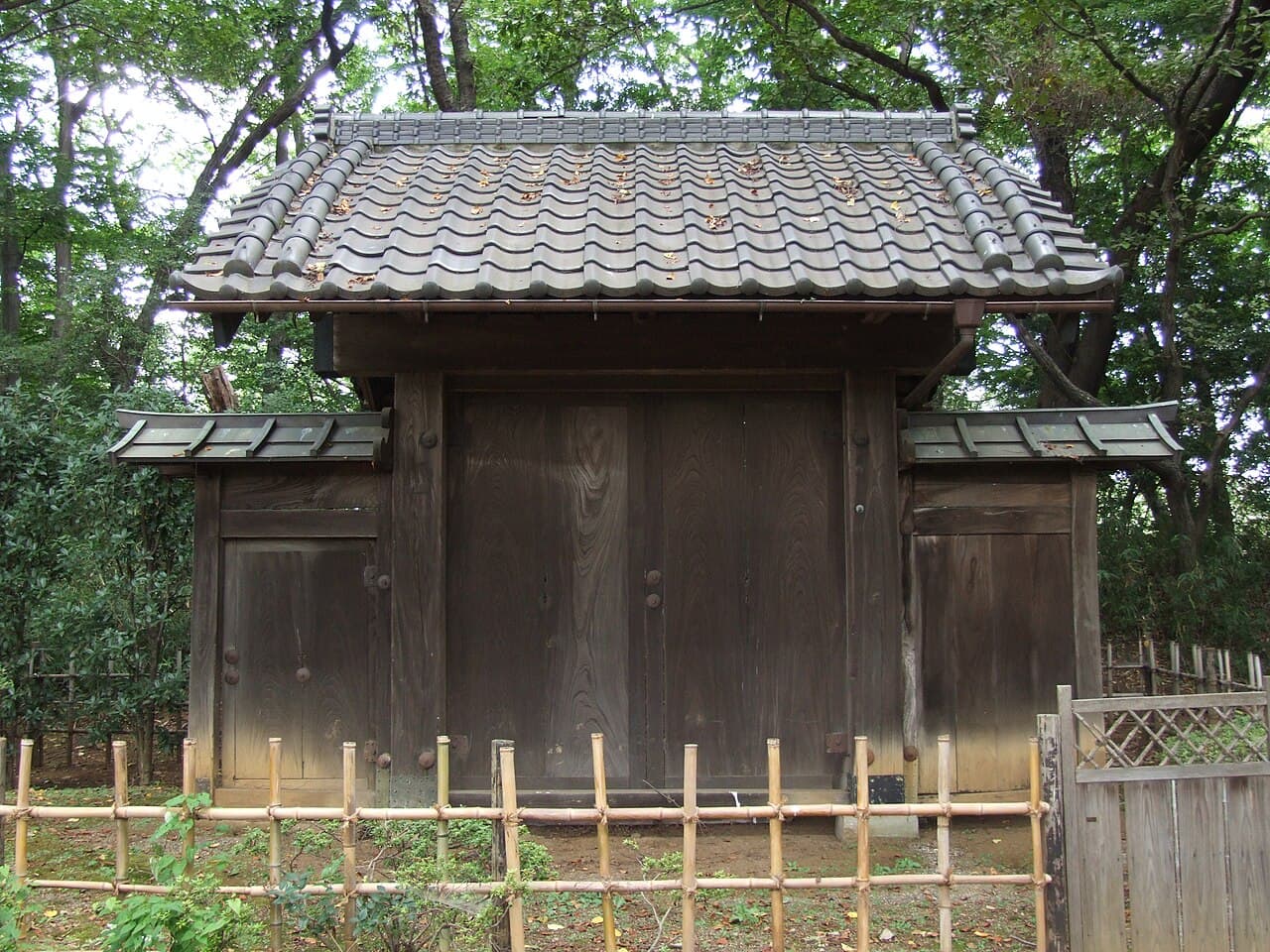
One of the castle's notable features was its extensive use of water defenses, which contributed to its nickname as the Floating Castle. The moats and surrounding waterways created natural barriers that complicated enemy advances. The castle's gates and walls were reinforced with wooden palisades and stone foundations, common in Japanese castle construction of the period.
Castle keep and towers
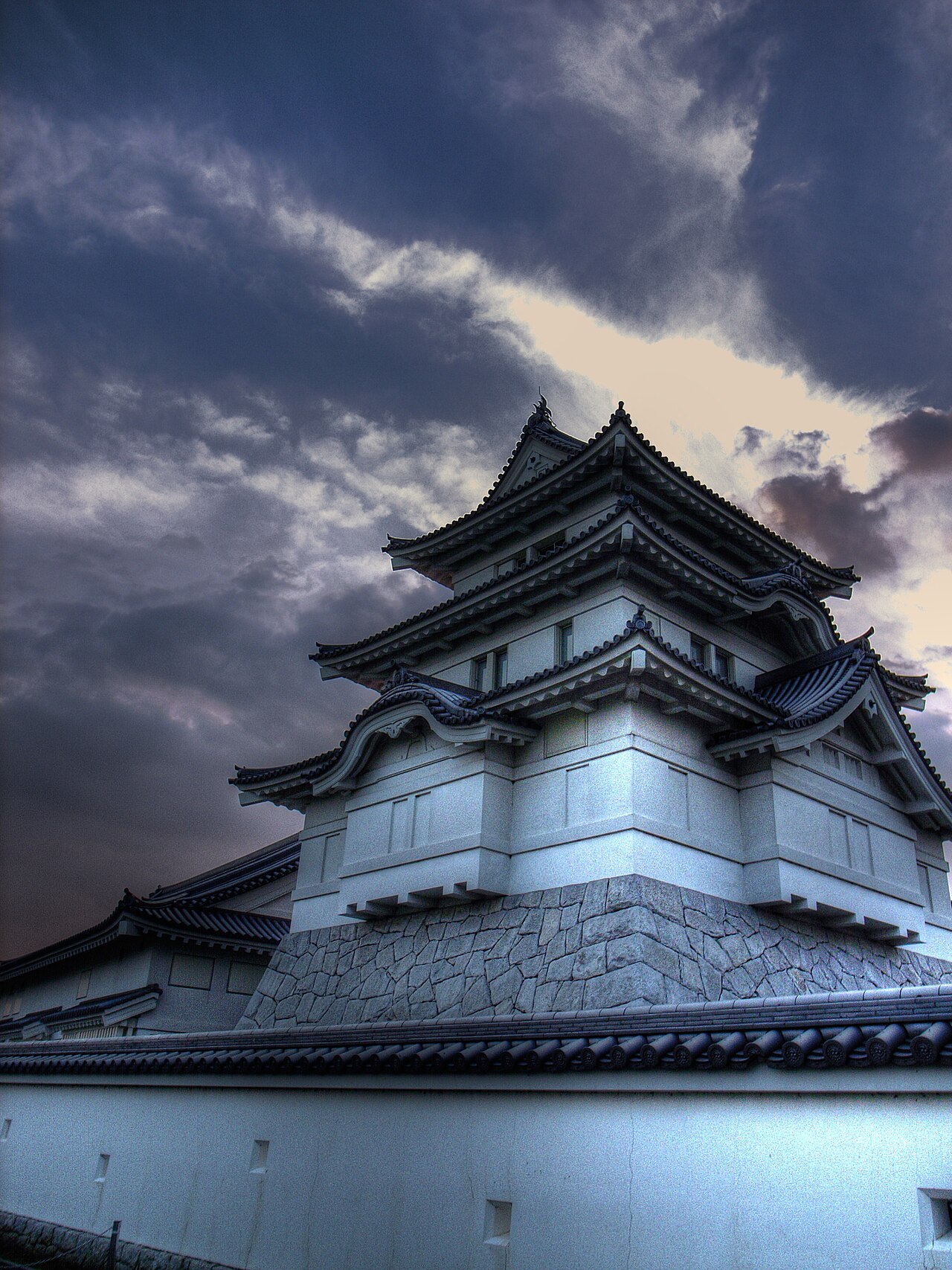
While Iwatsuki Castle did not have a large stone keep (tenshu) like some other famous Japanese castles, it had fortified towers and watchtowers strategically placed to oversee the surrounding area. These towers served both as lookout points and as strongholds during conflicts.
Role during the Edo period
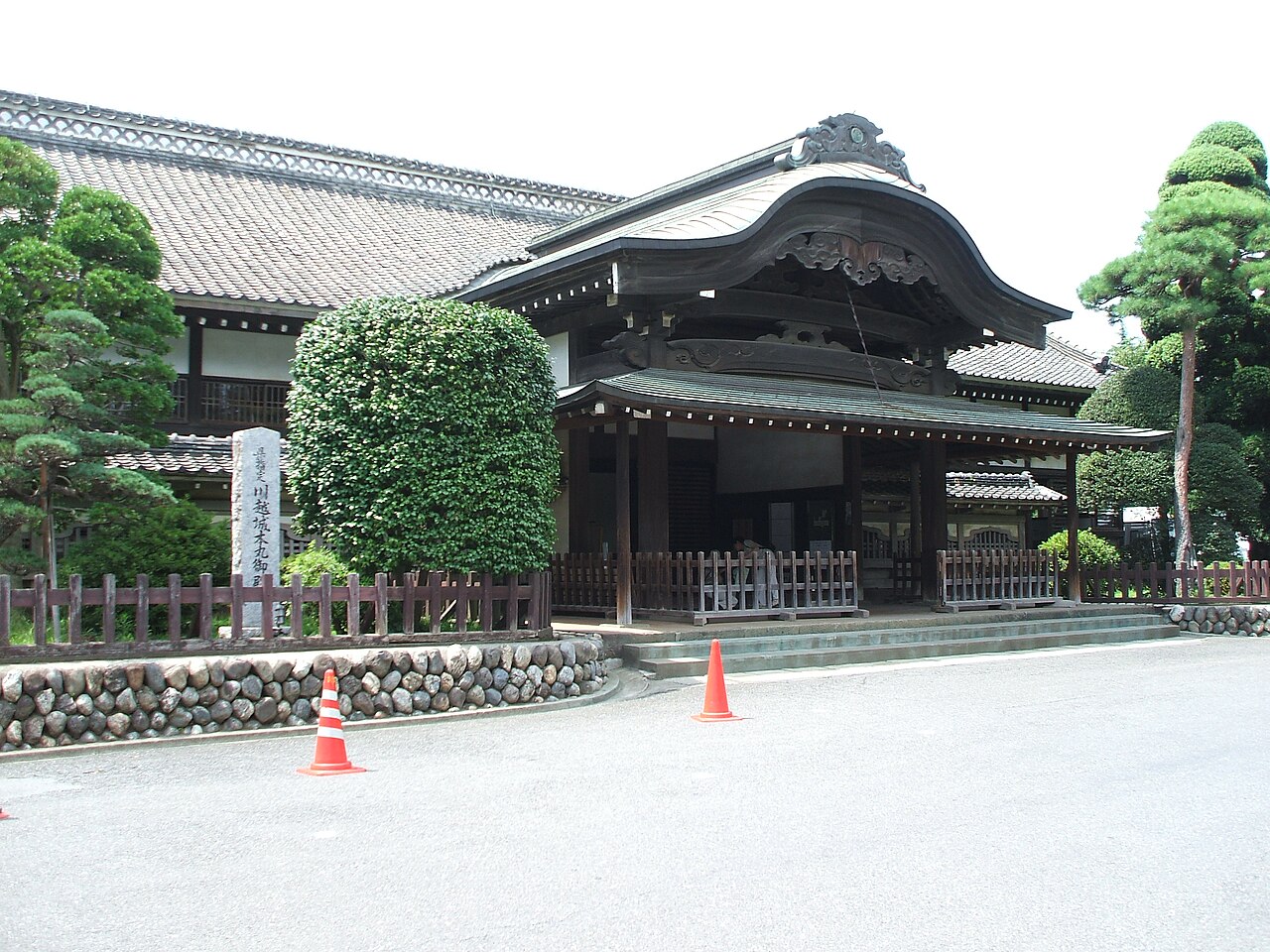
During the peaceful Edo period, Iwatsuki Castle transitioned from a purely military fortress to an administrative center for the Ōoka clan. The castle grounds included residential quarters, administrative offices, and storage facilities. The Ōoka clan managed the Iwatsuki Domain from here, overseeing local governance and economic affairs.
The castle's position in Saitama Prefecture placed it near Edo (modern Tokyo), making it strategically important for controlling access to the capital region. Its proximity to major roads and rivers facilitated communication and transport.
Decline and current status
Following the Meiji Restoration and the abolition of the feudal system in the late 19th century, Iwatsuki Castle, like many other Japanese castles, lost its military function. Much of the original structure was dismantled or fell into ruin over time. Today, the site of Iwatsuki Castle is protected as a Saitama Prefectural Historic Monument, preserving its historical significance and archaeological remains.
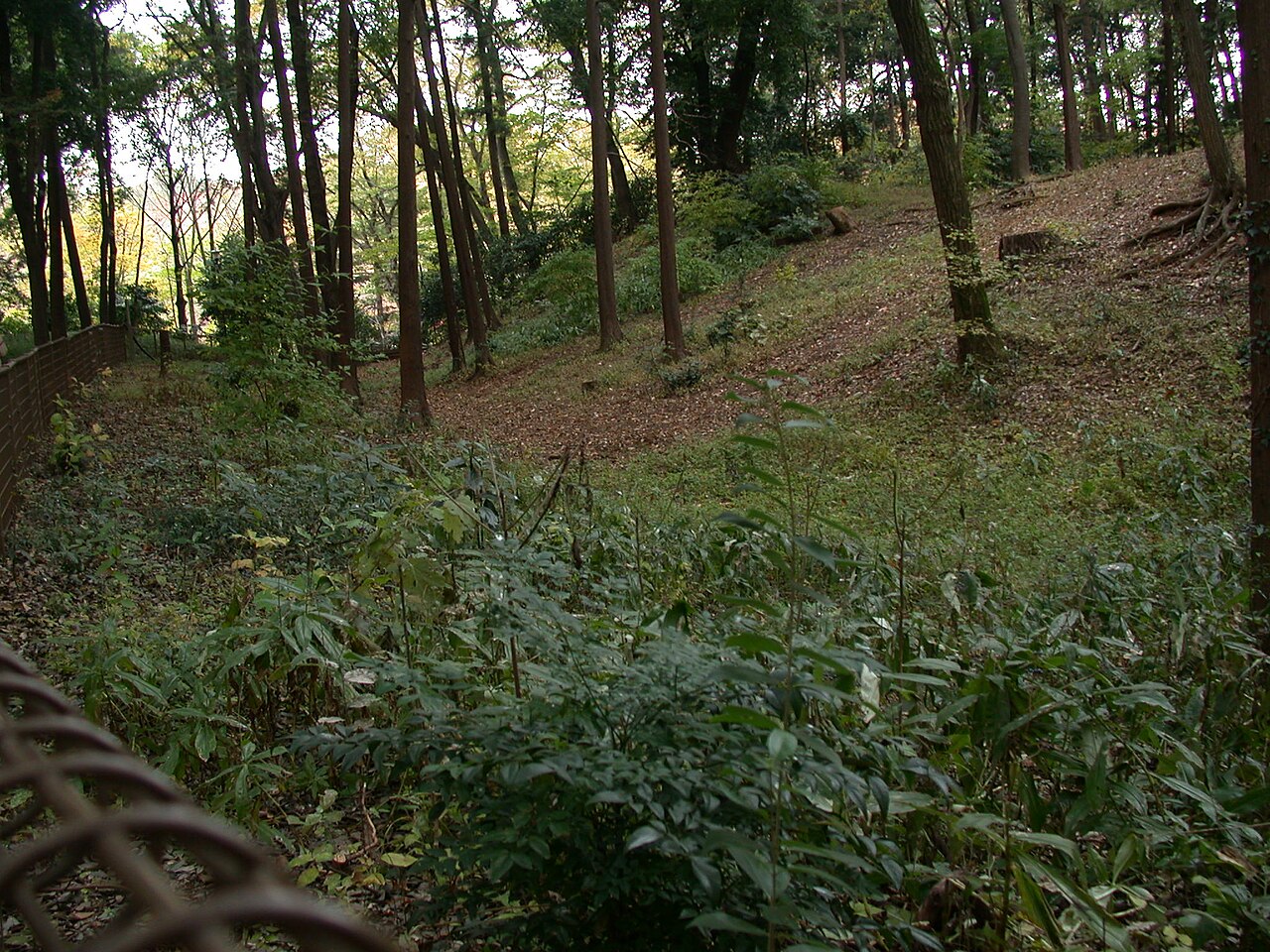
Visitors to the site can explore remnants of the castle's moats and earthworks, which provide insight into the castle's original scale and defensive design. The surrounding area has been developed into parks and cultural spaces that commemorate the castle's legacy.
Iwatsuki Castle in cultural memory
Iwatsuki Castle remains an important cultural symbol in Saitama Prefecture. Its nicknames, White Crane Castle and Floating Castle, evoke images of elegance and resilience. The castle's history is celebrated in local festivals and educational programs, which highlight its role in regional history and Japanese castle architecture.
As a hill castle from the late medieval period, Iwatsuki Castle provides valuable insight into the military, political, and cultural developments of feudal Japan. Its preservation as a historic site allows for continued study and appreciation of Japan's rich heritage.
Photo gallery

Photo by Kinori•Public domain
Information
Loading map...
Visitor reviews
No reviews yet. Been here? Write the first review and help other travelers!
Write the first reviewVisited this castle? Share your experience
Your review helps other travelers and adds first-hand knowledge to our encyclopedia.