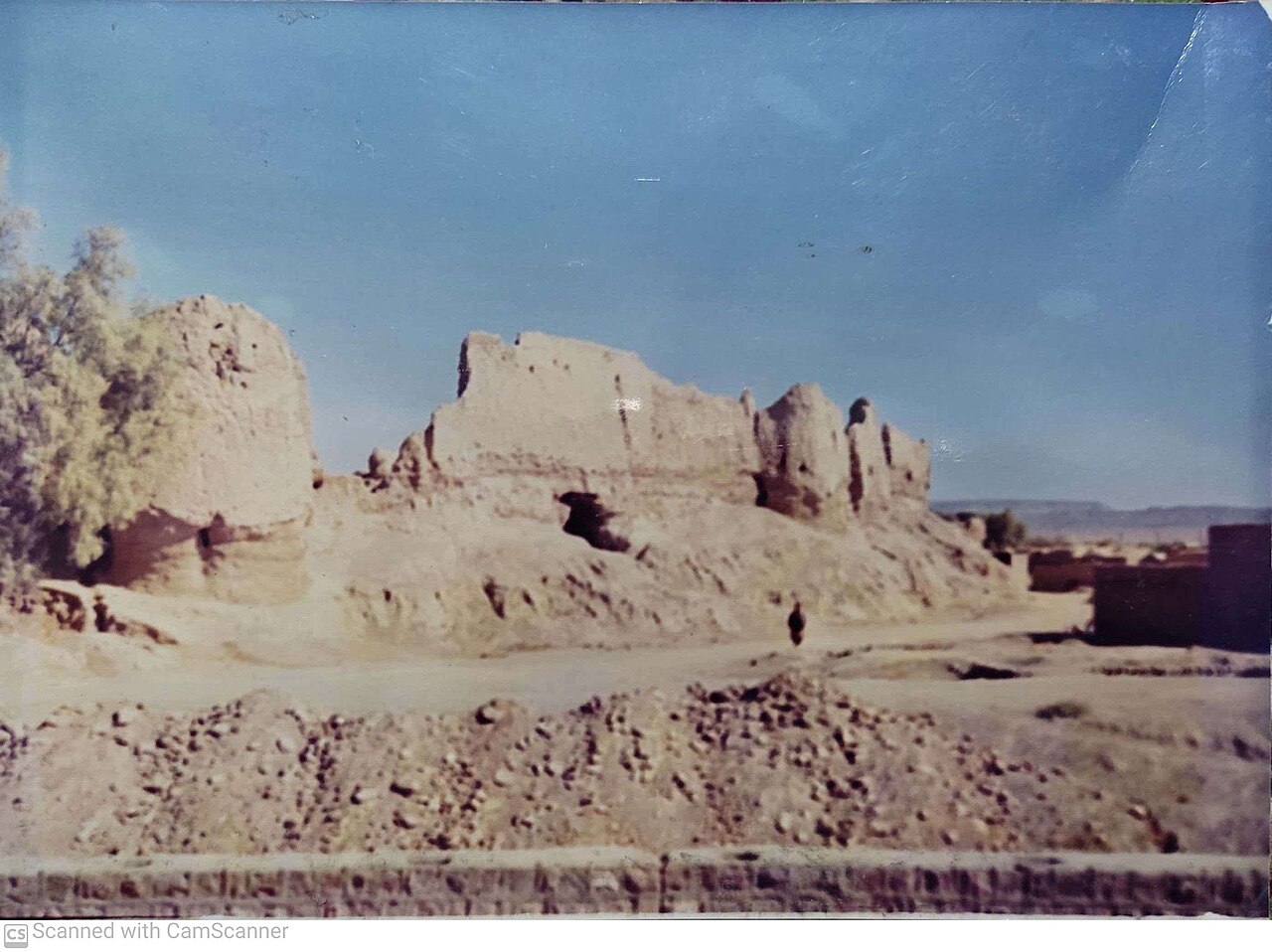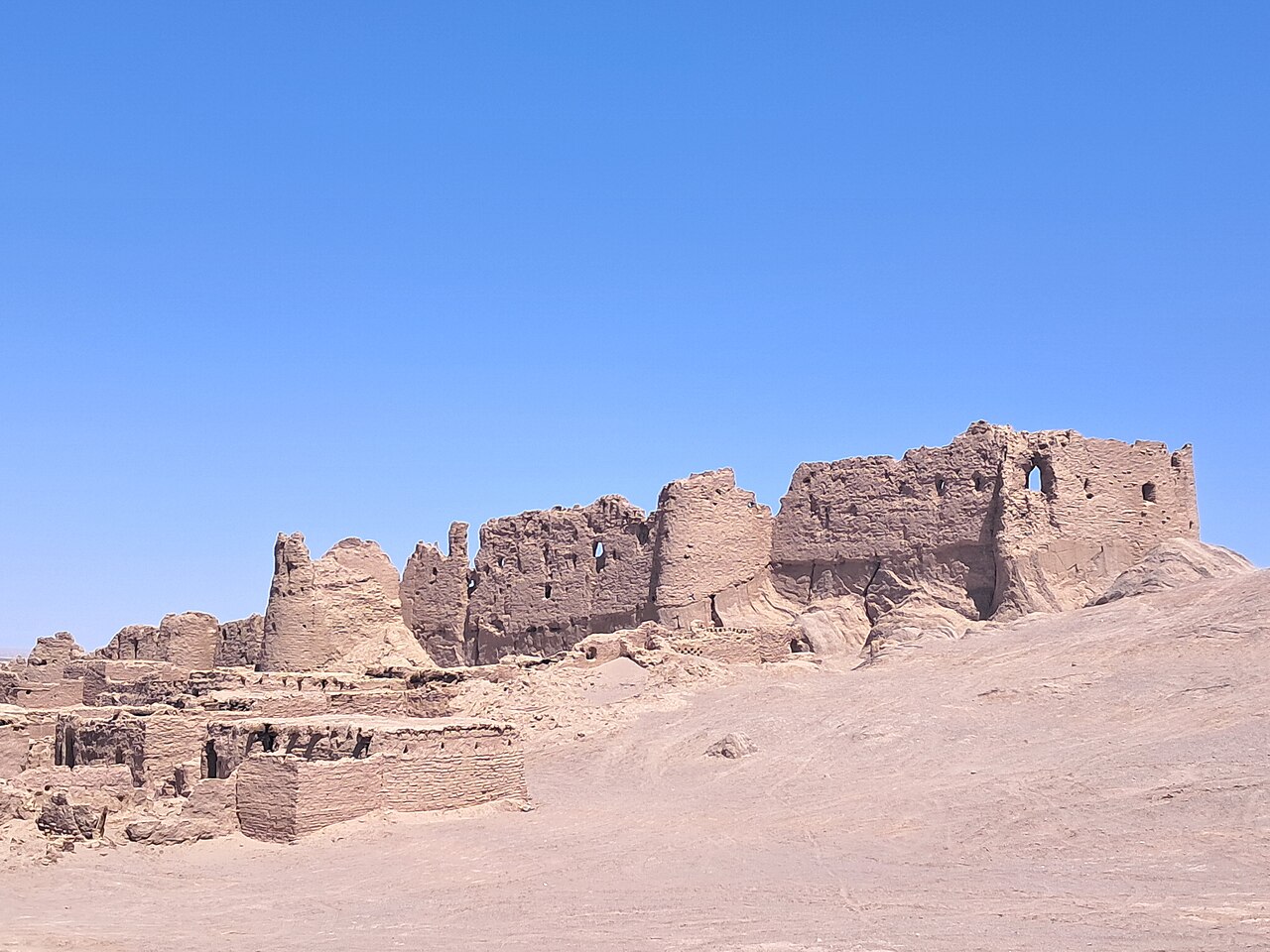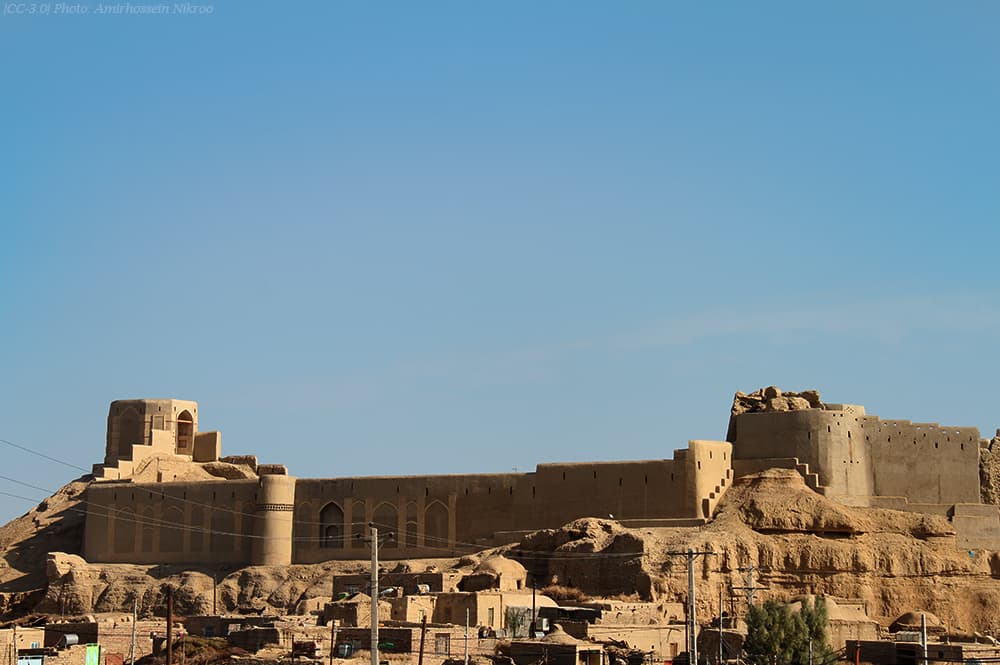
Seh Kuheh Castle — Iran castle

Seh Kuheh Castle

Seh Kuheh castle in Sistan and Baluchestan, Iran
Post-Renaissance (17th–18th c.)
Partially Preserved

Seh Kuheh castle (Persian: قلعه سه کوهه) is a notable historical fortress situated in Hamun County, within the Sistan and Baluchestan Province of Iran. This hill castle dates back to the Qajar dynasty, which ruled from the late 18th century into the early 20th century. The castle's location on elevated terrain provided strategic advantages for defense and surveillance over the surrounding landscape.

The Qajar dynasty was known for consolidating and fortifying key positions across Iran, and Seh Kuheh castle is an example of their military architecture in the southeastern region of the country. The structure likely served both as a defensive stronghold and a local administrative center during its period of use.

Architectural features and construction

The castle's construction reflects typical characteristics of hill castles in Iran, utilizing local materials and adapting to the natural topography. The elevated site would have been chosen for its commanding views, allowing defenders to monitor approaching threats from a distance.

Although detailed architectural plans or descriptions are scarce, it is probable that the castle included thick defensive walls, watchtowers, and possibly a gatehouse to control access. The use of mudbrick or stone masonry is common in the region's fortifications, providing durability in the arid climate.

Historical context and significance

During the Qajar era, Iran faced internal challenges and external pressures, necessitating fortified sites such as Seh Kuheh castle. The castle would have played a role in maintaining security and asserting control over the surrounding territory in Sistan and Baluchestan, a region known for its strategic position near borders and trade routes.

Its location in Hamun County places it within a historically important area that has seen various cultural influences and conflicts over centuries. The castle's endurance into the modern era highlights its robust construction and historical importance.

Current condition and preservation

The present condition of Seh Kuheh castle is not extensively documented, but like many Qajar-era fortresses in remote regions, it may be partially preserved or in a state of ruin. Preservation efforts in such areas can be challenging due to environmental factors and limited resources.

Despite this, the castle remains an important cultural heritage site, reflecting the architectural and historical legacy of the Qajar dynasty in southeastern Iran.

Visiting Seh Kuheh castle

Information about public access, visiting hours, or guided tours for Seh Kuheh castle is limited. Visitors interested in exploring this site should seek local guidance and consider the remote location within Sistan and Baluchestan Province. The region offers a unique glimpse into Iran's diverse historical landscape.

Frequently asked questions (FAQ)

What is the historical significance of Seh Kuheh Castle?
Seh Kuheh Castle is an important historical site in Iran, reflecting the architectural style and defensive strategies of the region during its time of construction. Believed to have been built in the medieval period, the castle played a crucial role in protecting the surrounding area from invasions and served as a residence for local rulers.
When was Seh Kuheh Castle constructed?
The exact date of construction for Seh Kuheh Castle is not precisely documented, but it is generally believed to have been built in the 12th century. This places it within a significant period of Iranian history, marked by the rise of various dynasties and the expansion of trade routes.
Can I visit Seh Kuheh Castle year-round?
Yes, Seh Kuheh Castle is open to visitors year-round, although it's advisable to check for any special closures or maintenance schedules before planning your visit. The best times to visit are during the spring and fall when the weather is mild and pleasant for exploring.
What are the opening hours for Seh Kuheh Castle?
Seh Kuheh Castle typically opens at 9 AM and closes at 5 PM, but these hours can vary depending on the season. It's recommended to arrive early in the day to fully enjoy the site and take your time exploring the surroundings.
Is it possible to access Seh Kuheh Castle by public transport?
Accessing Seh Kuheh Castle via public transport can be challenging, as it is located in a more remote area. It is advisable to use a private vehicle or arrange for a guided tour that includes transportation to ensure a hassle-free visit.
What is the architectural style of Seh Kuheh Castle?
Seh Kuheh Castle showcases a blend of Persian architectural styles, characterized by its robust stone walls and intricate defensive structures. The layout of the castle reflects the military needs of its time while also incorporating local materials and design elements that highlight its historical significance.
What are some nearby attractions to Seh Kuheh Castle?
Visitors to Seh Kuheh Castle can explore nearby attractions such as ancient ruins, local villages, and stunning natural landscapes. The region is rich in history and offers various hiking trails and opportunities to experience traditional Iranian culture.
Are there any ticket prices for entering Seh Kuheh Castle?
Yes, there is a nominal entrance fee to visit Seh Kuheh Castle, which helps support its preservation and maintenance. Ticket prices are generally affordable, making it accessible for most visitors looking to explore this historical site.

Photo gallery

Seh Kuheh Castle
Click to view

Photo by Amirhossein Nikroo•CC BY-SA 3.0

1 photo • Click any image to view in full screen

Information

Hill Castle

Loading map...

Visitor reviews

No reviews yet. Been here? Write the first review and help other travelers!

Write the first review

Visited this castle? Share your experience

Your review helps other travelers and adds first-hand knowledge to our encyclopedia.
Write a review

(5/5)

0/2000 characters

Your review will be visible after admin approval

Nearby castles

30.8 km
Rostam Castle — Iran castle

Rostam Castle

, Iran

Rostam Castle, also known as Haozdar Fort, is a notable hill castle located in Hamun County within the Sistan and Baluchestan Province of Iran. This fortress stands as a significant historical monument reflecting the architectural and military heritage of the region. It was constructed during the transitional period spanning the Seljuq dynasty and the Safavid dynasty, two major eras in Iranian history that shaped the cultural and political landscape of the area.Historical context and significanceThe castle's origins trace back to the Seljuq dynasty (11th to 13th centuries), a time when fortifications played a crucial role in defending territories against invasions and local conflicts. The Seljuqs were known for their advancements in military architecture, which included the construction of robust castles and fortresses across their empire. Rostam Castle exemplifies these defensive strategies with its strategic placement on a hill, providing a vantage point over the surrounding landscape.During the Safavid dynasty (16th to 18th centuries), the castle underwent renovations and enhancements to strengthen its defenses and adapt to evolving military technologies. The Safavids, who established one of the most influential Persian empires, invested in fortifications to secure their borders and maintain control over vital trade routes. Rostam Castle's continued use and maintenance during this period highlight its strategic importance.Architectural featuresRostam Castle is characterized by its hilltop location, which naturally enhances its defensive capabilities. The elevation allows for extensive visibility, enabling defenders to spot approaching enemies from a distance. The castle's walls are constructed from locally sourced stone and mortar, typical of the region's building materials during the medieval period.The fortress includes thick defensive walls designed to withstand sieges and attacks. These walls are punctuated by towers that served as lookout points and platforms for archers. The castle's layout likely includes a central courtyard around which various chambers and storage areas are arranged, though detailed plans of the interior remain limited.Defensive structuresThe castle's design incorporates several defensive elements common to hill castles of its era. These include battlements along the walls for protection during combat, narrow arrow slits for archers, and possibly a moat or natural barriers formed by the terrain. The entrance would have been fortified with a strong gatehouse to control access.Current condition and preservationToday, Rostam Castle remains a partially preserved historical site. The castle's age and exposure to natural elements have led to some deterioration, but significant portions of the walls and towers still stand. Preservation efforts aim to maintain the structural integrity of the fortress and promote its cultural heritage.The castle is accessible to visitors interested in exploring Iran's medieval military architecture and offers insights into the region's historical defense mechanisms. Its location in the Sistan and Baluchestan Province makes it an important cultural landmark within this less-visited area of Iran.Rostam Castle in the broader Iranian fortification traditionRostam Castle fits within the broader tradition of Iranian hill castles that served both military and administrative functions. Castles like Rostam were integral to controlling trade routes, securing borders, and asserting the authority of ruling dynasties. Its construction during the Seljuq and Safavid periods places it within a continuum of Persian fortification development that combined functional military design with regional architectural styles.The castle's enduring presence offers valuable information about the evolution of defensive architecture in Iran, reflecting changes in warfare, technology, and governance over several centuries.

High Medieval (11th–13th c.)
Details
157.7 km
Nehbandan Castle — Iran castle

Nehbandan Castle

Nehbandan, Iran

Nehbandan Castle, also known as Arg-e Nehbandan, is a significant ancient hill fortress located in South Khorasan province, Iran. This citadel is notable for its origins dating back to the Parthian era (247 BC – 224 AD), making it one of the enduring examples of early Iranian military architecture. Its strategic placement atop a hill provided defensive advantages, a common feature of hill castles designed for surveillance and protection against invaders. Architectural design and layout The citadel is distinguished by its circular plan, measuring approximately 300 meters in diameter. This circular configuration is characteristic of Parthian fortifications, emphasizing a strong, continuous defensive wall that encircles the entire complex. The walls, originally constructed from mudbrick and stone, would have been formidable barriers against siege warfare of the period. Despite the passage of centuries and the impact of numerous earthquakes, remnants of the thick defensive walls and foundational structures remain visible. The circular design allowed for a panoramic view of the surrounding landscape, enabling defenders to detect approaching enemies from a distance. Historical context and usage While the exact date of construction remains uncertain, archaeological and architectural evidence strongly supports its establishment during the Parthian era. Some indications suggest the site may have been used even before this period, but the circular layout confirms its Parthian identity. The fortress served primarily military functions throughout its history. Nehbandan Castle remained in use for many centuries, including through the Safavid era (1501–1736), illustrating its continued strategic importance. Over time, the castle likely underwent repairs and modifications to adapt to evolving military technologies and threats. Damage and preservation status The castle has suffered extensive damage due to natural disasters, particularly repeated earthquakes that have greatly diminished its original structure. Today, it stands mostly as ruins, with only parts of the walls and foundations intact. The preservation state reflects the challenges of maintaining ancient mudbrick structures in a seismically active region. Despite its ruined condition, Nehbandan Castle remains an important archaeological site, offering valuable insights into Parthian military architecture and the historical defense systems of eastern Iran. Cultural and regional significance Situated in the historical region of South Khorasan, the castle is part of Iran's rich heritage of ancient fortifications. It contributes to understanding the military strategies and architectural innovations of the Parthian period, which influenced later Persian and Islamic fortifications. The site attracts historians, archaeologists, and visitors interested in ancient Iranian history and the evolution of fortress design in the region.

High Medieval (11th–13th c.)
Details
333.7 km
Keshit Castle — Iran castle

Keshit Castle

, Iran

Keshit castle (Persian: قلعه کشیت) is a significant historical fortress located in Kerman County within Kerman Province, Iran. This hill castle is recognized for its origins dating back to the Seljuk Empire, which ruled parts of the Middle East from the 11th to the 14th centuries. The castle's strategic location on elevated terrain exemplifies typical defensive architecture of the period, designed to oversee and control the surrounding landscape. Historical context and significance The Seljuk Empire was a major medieval power that influenced the cultural and military architecture across Iran and neighboring regions. Castles like Keshit were constructed to serve as military strongholds, administrative centers, and safe havens during times of conflict. The castle's endurance through centuries highlights its robust construction and the importance of Kerman Province as a strategic area along historical trade routes. Architectural features and construction Keshit castle is built primarily on a hill, utilizing the natural topography to enhance its defensive capabilities. The elevated position would have provided clear sightlines for surveillance and early warning of approaching enemies. The castle likely features thick stone walls, battlements, and possibly towers or lookout posts typical of Seljuk fortifications, although detailed architectural studies are limited. The construction techniques from the Seljuk period often included the use of local stone and mortar, with an emphasis on durability and defense. While specific details about Keshit's internal layout remain scarce, such castles commonly contained a central courtyard, living quarters, storage areas, and water cisterns to sustain inhabitants during sieges. Preservation and current condition Today, Keshit castle stands as a partially preserved ruin, reflecting the passage of time and the effects of weathering. Its remains offer valuable insights into Seljuk military architecture and the historical landscape of Kerman Province. Preservation efforts, if any, are limited, and the site remains an important cultural heritage location for Iran. Visiting Keshit castle While detailed visitor information is not widely documented, those interested in medieval Persian fortifications and the history of the Seljuk Empire may find Keshit castle a worthwhile destination. Its location in Kerman County makes it accessible for travelers exploring the region's rich historical sites. Visitors should prepare for rugged terrain given the castle's hilltop position.

High Medieval (11th–13th c.)
Details