Keshit Castle
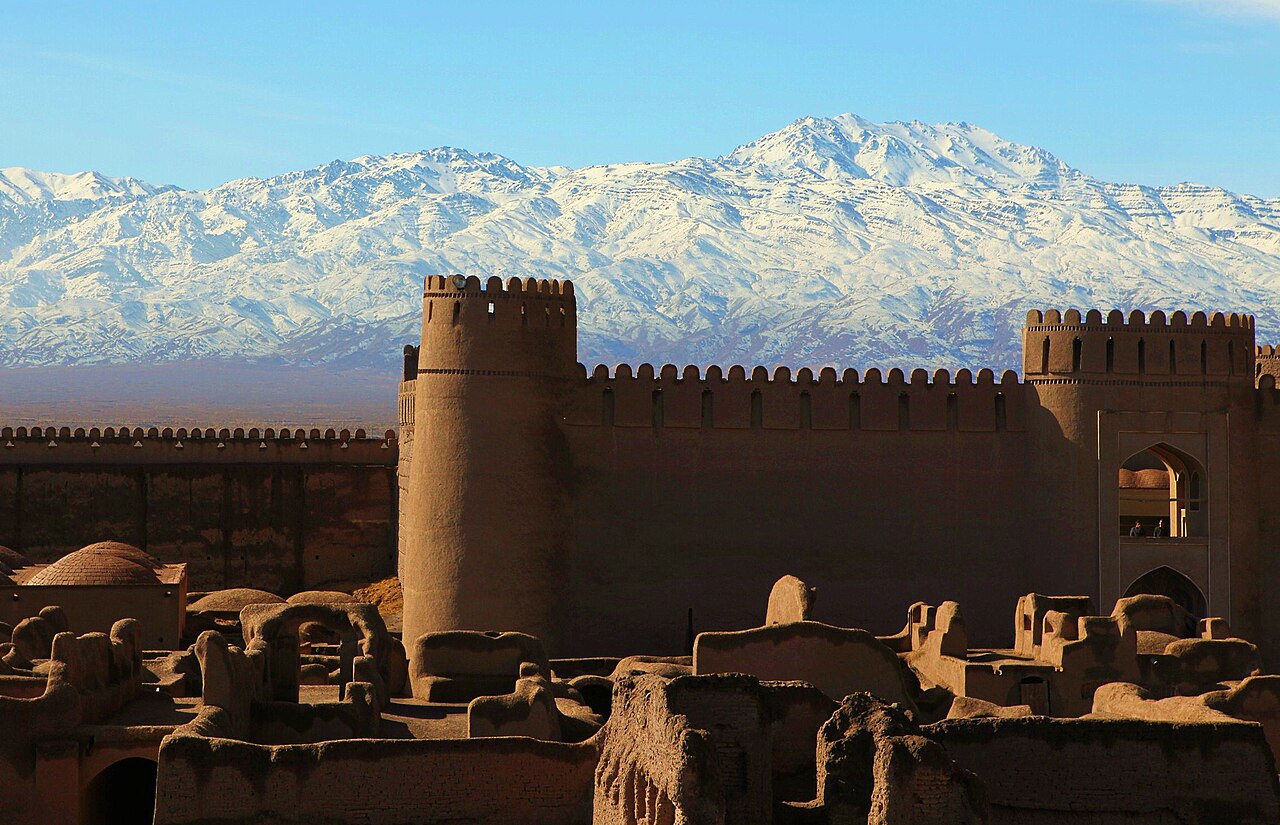
Keshit castle (Persian: قلعه کشیت) is a significant historical fortress located in Kerman County within Kerman Province, Iran. This hill castle is recognized for its origins dating back to the Seljuk Empire, which ruled parts of the Middle East from the 11th to the 14th centuries. The castle's strategic location on elevated terrain exemplifies typical defensive architecture of the period, designed to oversee and control the surrounding landscape.
Historical context and significance
The Seljuk Empire was a major medieval power that influenced the cultural and military architecture across Iran and neighboring regions. Castles like Keshit were constructed to serve as military strongholds, administrative centers, and safe havens during times of conflict. The castle's endurance through centuries highlights its robust construction and the importance of Kerman Province as a strategic area along historical trade routes.
Architectural features and construction
Keshit castle is built primarily on a hill, utilizing the natural topography to enhance its defensive capabilities. The elevated position would have provided clear sightlines for surveillance and early warning of approaching enemies. The castle likely features thick stone walls, battlements, and possibly towers or lookout posts typical of Seljuk fortifications, although detailed architectural studies are limited.
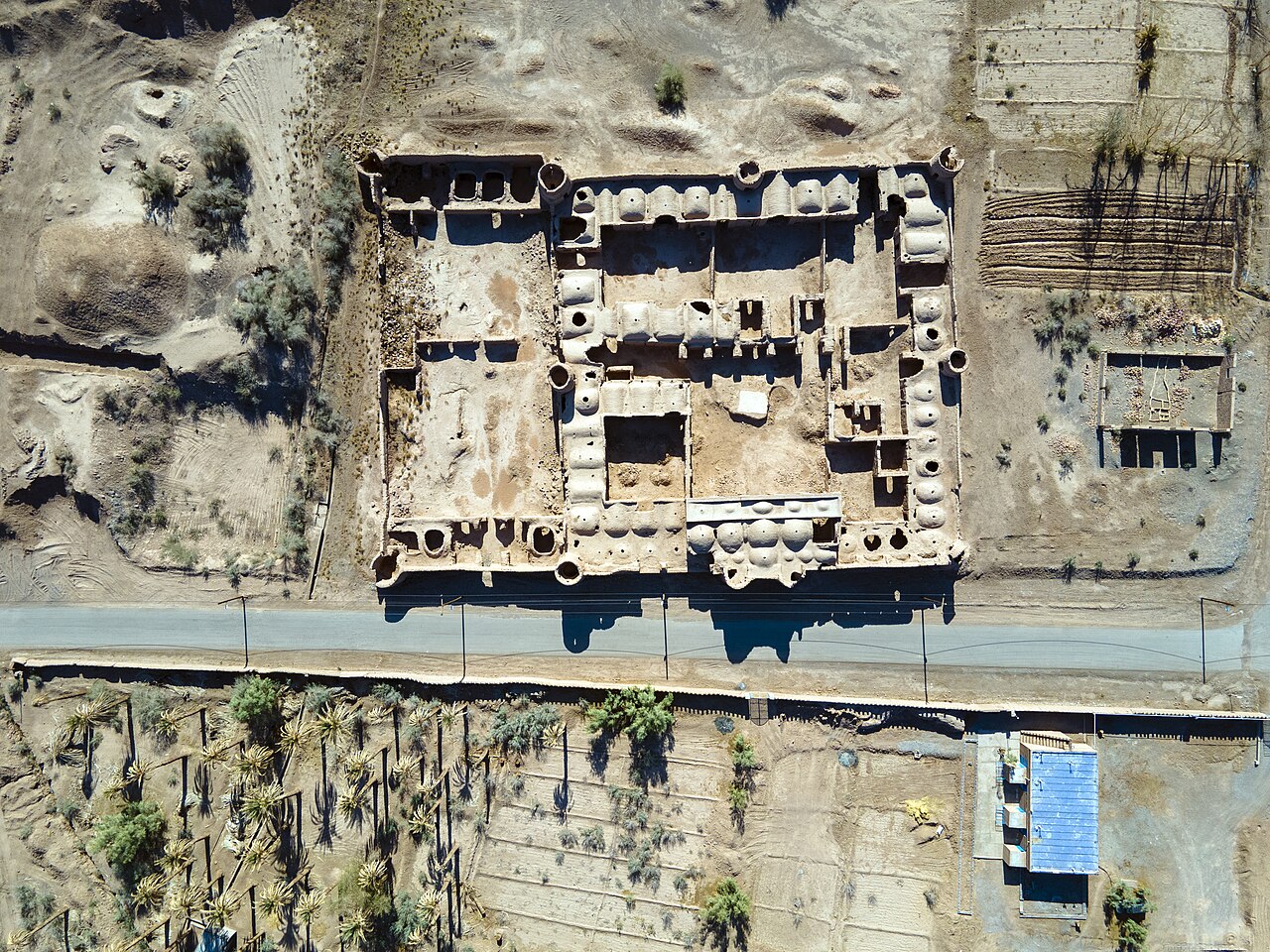
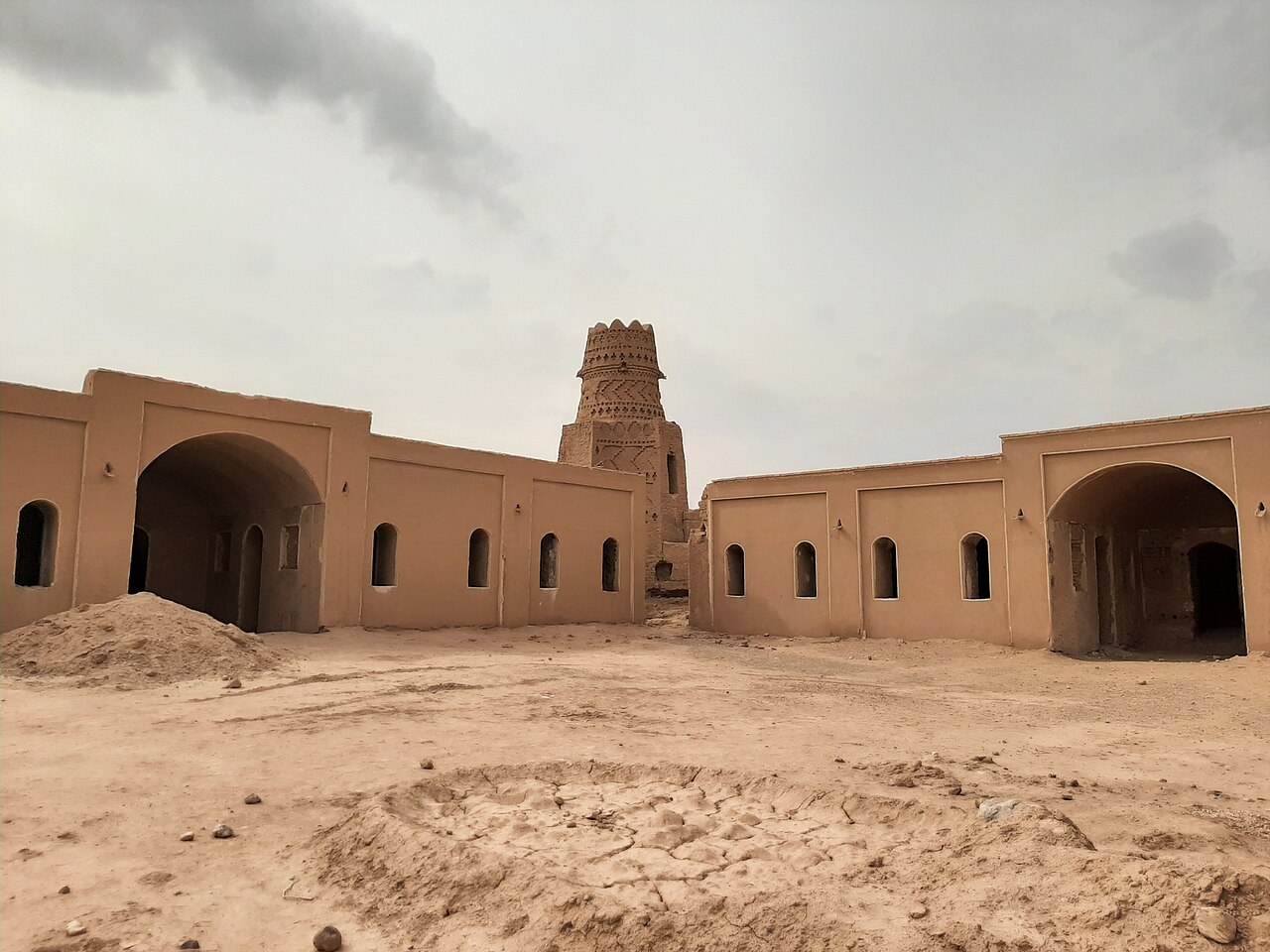
The construction techniques from the Seljuk period often included the use of local stone and mortar, with an emphasis on durability and defense. While specific details about Keshit's internal layout remain scarce, such castles commonly contained a central courtyard, living quarters, storage areas, and water cisterns to sustain inhabitants during sieges.
Preservation and current condition
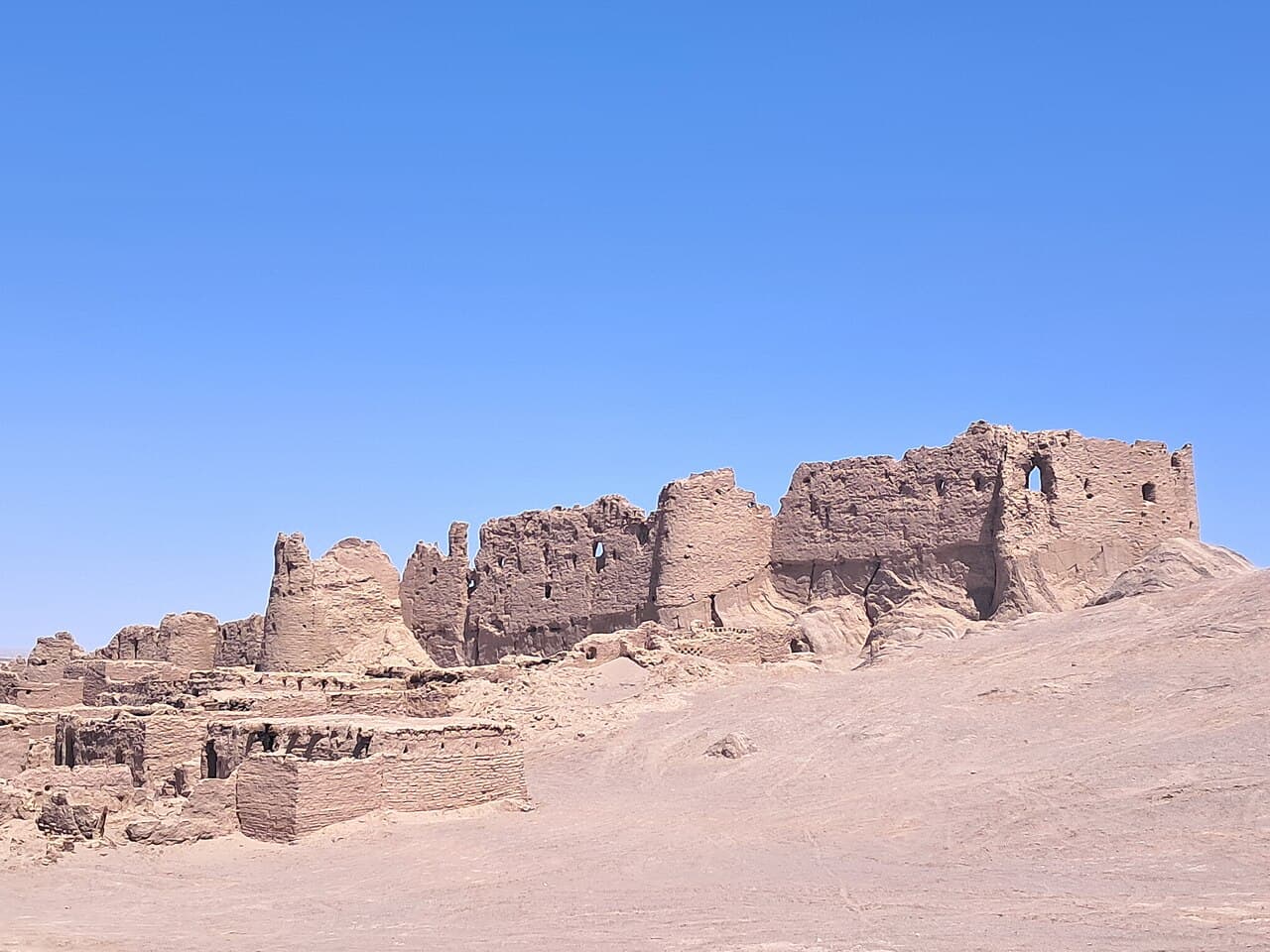
Today, Keshit castle stands as a partially preserved ruin, reflecting the passage of time and the effects of weathering. Its remains offer valuable insights into Seljuk military architecture and the historical landscape of Kerman Province. Preservation efforts, if any, are limited, and the site remains an important cultural heritage location for Iran.
Visiting Keshit castle
While detailed visitor information is not widely documented, those interested in medieval Persian fortifications and the history of the Seljuk Empire may find Keshit castle a worthwhile destination. Its location in Kerman County makes it accessible for travelers exploring the region's rich historical sites. Visitors should prepare for rugged terrain given the castle's hilltop position.
Frequently asked questions (FAQ)
- How do I get to Keshit Castle?
- Keshit Castle is located in the mountainous region of Iran, and the best way to reach it is by car. The nearest major city is Kerman, from which you can hire a taxi or use local transportation to get to the castle. It is advisable to check local maps and guides to ensure you follow the best route.
- What is the historical significance of Keshit Castle?
- Keshit Castle dates back to the Sassanid era and played a crucial role in the region's defense against invaders. Its strategic location allowed it to serve as a fortress, reflecting the military architecture of its time. Today, it stands as a monument to Iran's rich historical tapestry.
- When was Keshit Castle built?
- Keshit Castle was constructed during the Sassanid Empire, specifically around the 3rd to 7th centuries AD. This period was marked by considerable advancements in architecture and engineering, which are evident in the castle's design. Its age adds to the cultural significance of the site.
- Can I explore the interiors of Keshit Castle?
- Visitors are usually allowed to explore the exterior of Keshit Castle, including its walls and towers. However, access to certain interior areas may be restricted due to preservation efforts. It is best to check with local guides for the most current visiting policies.
- Why is Keshit Castle considered an architectural marvel?
- Keshit Castle is renowned for its unique blend of Sassanid architectural elements and its adaptation to the rugged landscape. The use of local materials and the strategic positioning of the castle showcase the ingenuity of ancient builders. Its design not only served defensive purposes but also reflects the aesthetic values of its time.
- Is it possible to visit Keshit Castle year-round?
- Yes, Keshit Castle can be visited year-round, but the best time to go is during the spring and autumn months when the weather is mild. Summer can be quite hot, making the visit less comfortable. Always check local weather conditions before planning your trip.
- What are the ticket prices for visiting Keshit Castle?
- Currently, the entrance fee to Keshit Castle is quite affordable, making it accessible for most visitors. Prices may vary slightly depending on the season or any special events taking place. It is recommended to carry cash for any entrance fees or local guides.
- What are the opening hours for Keshit Castle?
- Keshit Castle is typically open to visitors from sunrise until sunset. However, it is advised to check specific hours before your visit as they may change seasonally or due to local events. Arriving early can enhance your experience by allowing you to enjoy the site with fewer crowds.
- Are there any nearby attractions to visit after Keshit Castle?
- Yes, after visiting Keshit Castle, you can explore several nearby attractions, including the historical city of Kerman and the beautiful Shahdad Desert. The surrounding region is rich in natural beauty and cultural heritage, offering a variety of activities for travelers. Make sure to allocate time to enjoy the local scenery and landmarks.
Photo gallery

Information
Loading map...
Visitor reviews
No reviews yet. Been here? Write the first review and help other travelers!
Write the first reviewVisited this castle? Share your experience
Your review helps other travelers and adds first-hand knowledge to our encyclopedia.