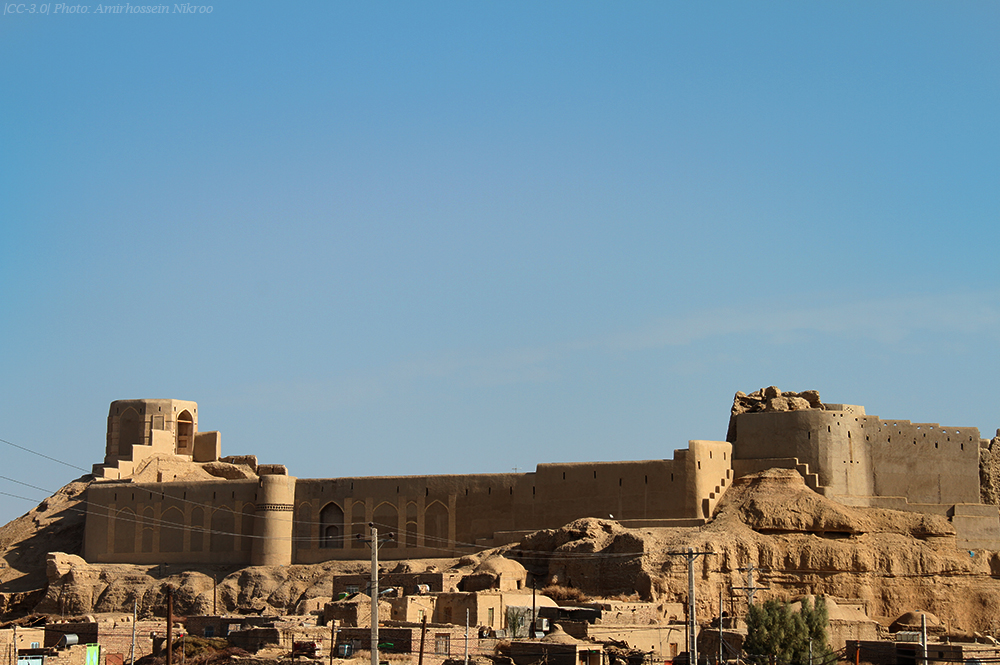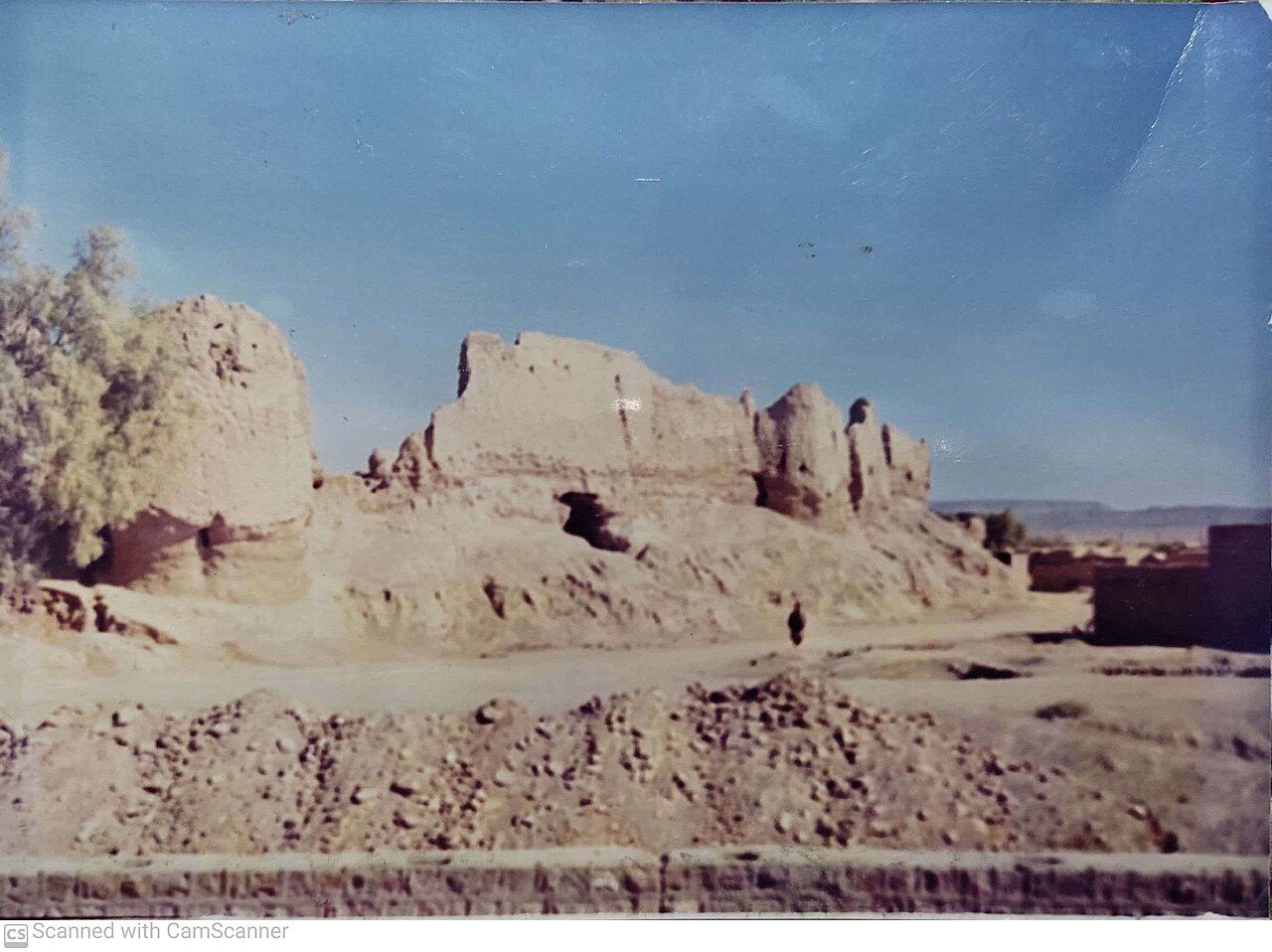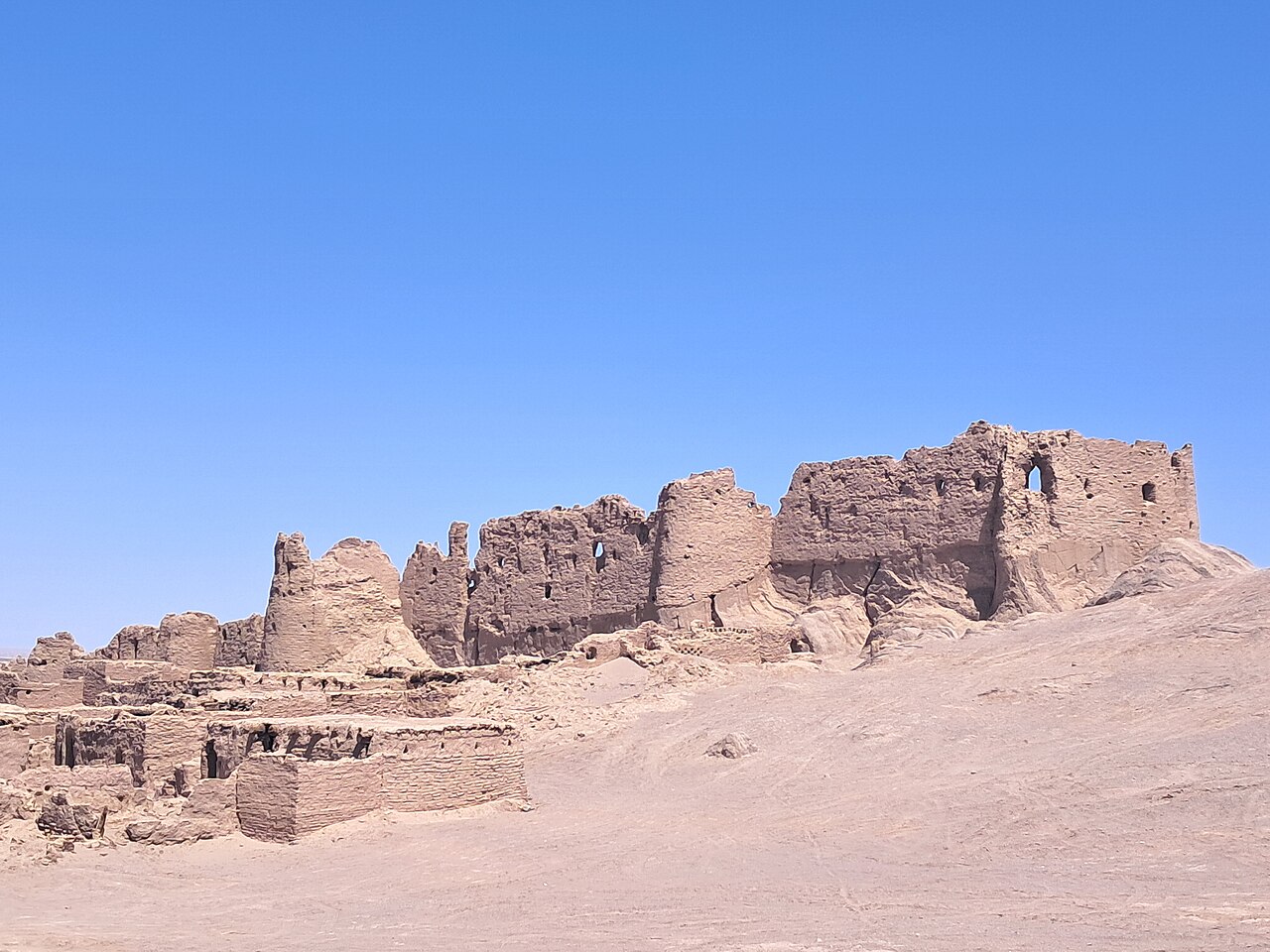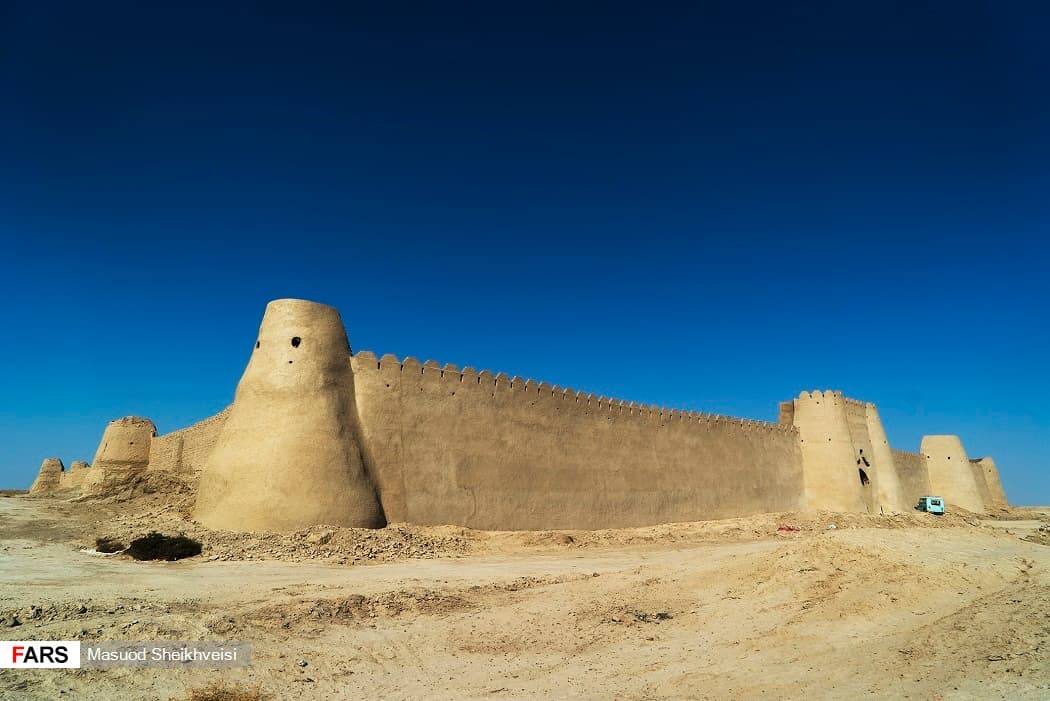
Rostam Castle, also known as Haozdar Fort, is a notable hill castle located in Hamun County within the Sistan and Baluchestan Province of Iran. This fortress stands as a significant historical monument reflecting the architectural and military heritage of the region. It was constructed during the transitional period spanning the Seljuq dynasty and the Safavid dynasty, two major eras in Iranian history that shaped the cultural and political landscape of the area.
Historical context and significance
The castle's origins trace back to the Seljuq dynasty (11th to 13th centuries), a time when fortifications played a crucial role in defending territories against invasions and local conflicts. The Seljuqs were known for their advancements in military architecture, which included the construction of robust castles and fortresses across their empire. Rostam Castle exemplifies these defensive strategies with its strategic placement on a hill, providing a vantage point over the surrounding landscape.
During the Safavid dynasty (16th to 18th centuries), the castle underwent renovations and enhancements to strengthen its defenses and adapt to evolving military technologies. The Safavids, who established one of the most influential Persian empires, invested in fortifications to secure their borders and maintain control over vital trade routes. Rostam Castle's continued use and maintenance during this period highlight its strategic importance.
Architectural features
Rostam Castle is characterized by its hilltop location, which naturally enhances its defensive capabilities. The elevation allows for extensive visibility, enabling defenders to spot approaching enemies from a distance. The castle's walls are constructed from locally sourced stone and mortar, typical of the region's building materials during the medieval period.
The fortress includes thick defensive walls designed to withstand sieges and attacks. These walls are punctuated by towers that served as lookout points and platforms for archers. The castle's layout likely includes a central courtyard around which various chambers and storage areas are arranged, though detailed plans of the interior remain limited.
Defensive structures
The castle's design incorporates several defensive elements common to hill castles of its era. These include battlements along the walls for protection during combat, narrow arrow slits for archers, and possibly a moat or natural barriers formed by the terrain. The entrance would have been fortified with a strong gatehouse to control access.
Current condition and preservation
Today, Rostam Castle remains a partially preserved historical site. The castle's age and exposure to natural elements have led to some deterioration, but significant portions of the walls and towers still stand. Preservation efforts aim to maintain the structural integrity of the fortress and promote its cultural heritage.
The castle is accessible to visitors interested in exploring Iran's medieval military architecture and offers insights into the region's historical defense mechanisms. Its location in the Sistan and Baluchestan Province makes it an important cultural landmark within this less-visited area of Iran.
Rostam Castle in the broader Iranian fortification tradition
Rostam Castle fits within the broader tradition of Iranian hill castles that served both military and administrative functions. Castles like Rostam were integral to controlling trade routes, securing borders, and asserting the authority of ruling dynasties. Its construction during the Seljuq and Safavid periods places it within a continuum of Persian fortification development that combined functional military design with regional architectural styles.
The castle's enduring presence offers valuable information about the evolution of defensive architecture in Iran, reflecting changes in warfare, technology, and governance over several centuries.
Frequently asked questions (FAQ)
- What is the historical significance of Rostam Castle?
- Rostam Castle was built during the Seljuq and Safavid dynasties and served as a strategic military fortress in Iran's Sistan and Baluchestan Province.
- Can visitors explore Rostam Castle today?
- Yes, Rostam Castle is partially preserved and accessible to visitors interested in medieval Iranian military architecture.
- What are the main architectural features of Rostam Castle?
- The castle features thick defensive walls, lookout towers, battlements, and a hilltop location that provided strategic advantage.
- When was Rostam Castle constructed?
- The castle was constructed and modified between the 11th and 17th centuries, spanning the Seljuq and Safavid dynasties.
- Where is Rostam Castle located?
- Rostam Castle is located in Hamun County, within the Sistan and Baluchestan Province of Iran.
Photo gallery

Information
Loading map...
Visitor reviews
No reviews yet. Been here? Write the first review and help other travelers!
Write the first reviewVisited this castle? Share your experience
Your review helps other travelers and adds first-hand knowledge to our encyclopedia.