Nehbandan Castle
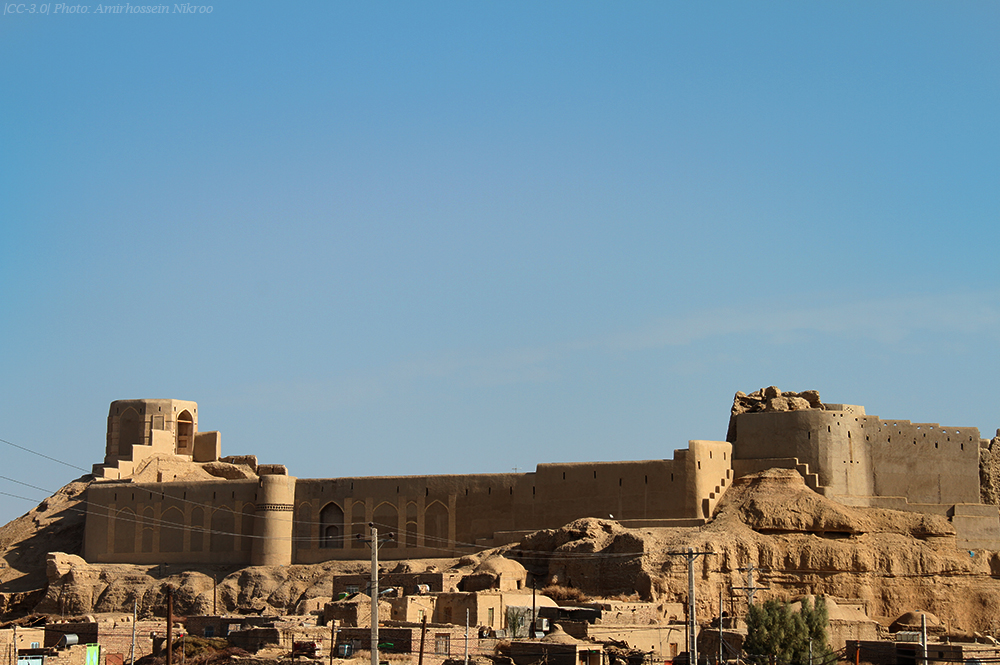
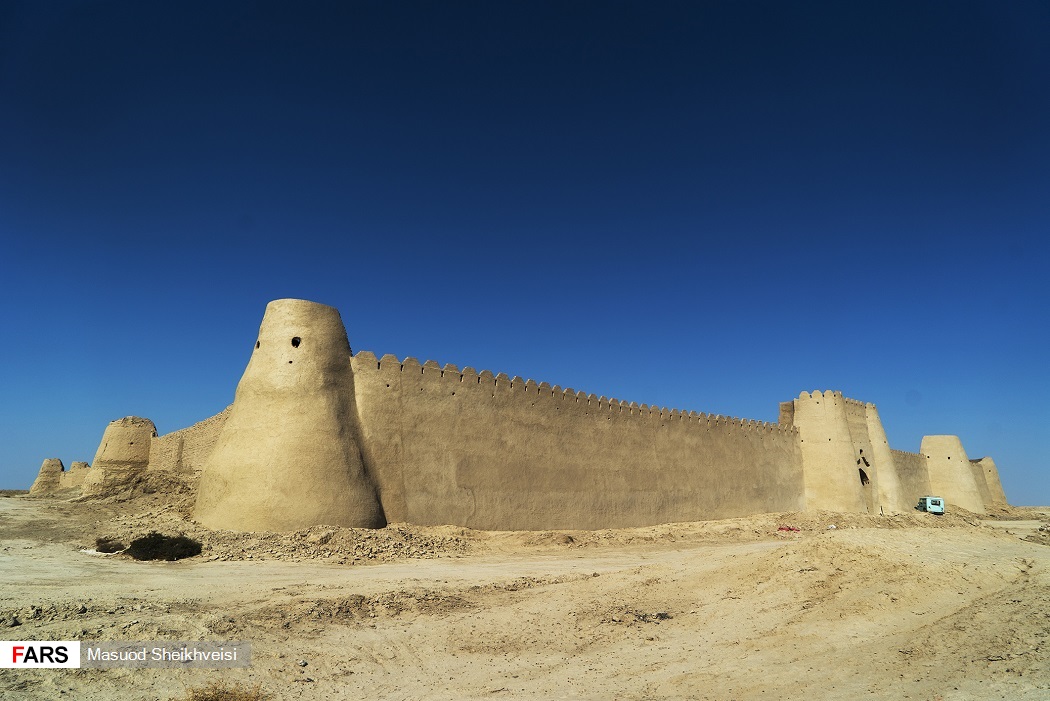
Nehbandan Castle, also known as Arg-e Nehbandan, is a significant ancient hill fortress located in South Khorasan province, Iran. This citadel is notable for its origins dating back to the Parthian era (247 BC – 224 AD), making it one of the enduring examples of early Iranian military architecture. Its strategic placement atop a hill provided defensive advantages, a common feature of hill castles designed for surveillance and protection against invaders.
Architectural design and layout
The citadel is distinguished by its circular plan, measuring approximately 300 meters in diameter. This circular configuration is characteristic of Parthian fortifications, emphasizing a strong, continuous defensive wall that encircles the entire complex. The walls, originally constructed from mudbrick and stone, would have been formidable barriers against siege warfare of the period.
Despite the passage of centuries and the impact of numerous earthquakes, remnants of the thick defensive walls and foundational structures remain visible. The circular design allowed for a panoramic view of the surrounding landscape, enabling defenders to detect approaching enemies from a distance.
Historical context and usage
While the exact date of construction remains uncertain, archaeological and architectural evidence strongly supports its establishment during the Parthian era. Some indications suggest the site may have been used even before this period, but the circular layout confirms its Parthian identity. The fortress served primarily military functions throughout its history.
Nehbandan Castle remained in use for many centuries, including through the Safavid era (1501–1736), illustrating its continued strategic importance. Over time, the castle likely underwent repairs and modifications to adapt to evolving military technologies and threats.
Damage and preservation status
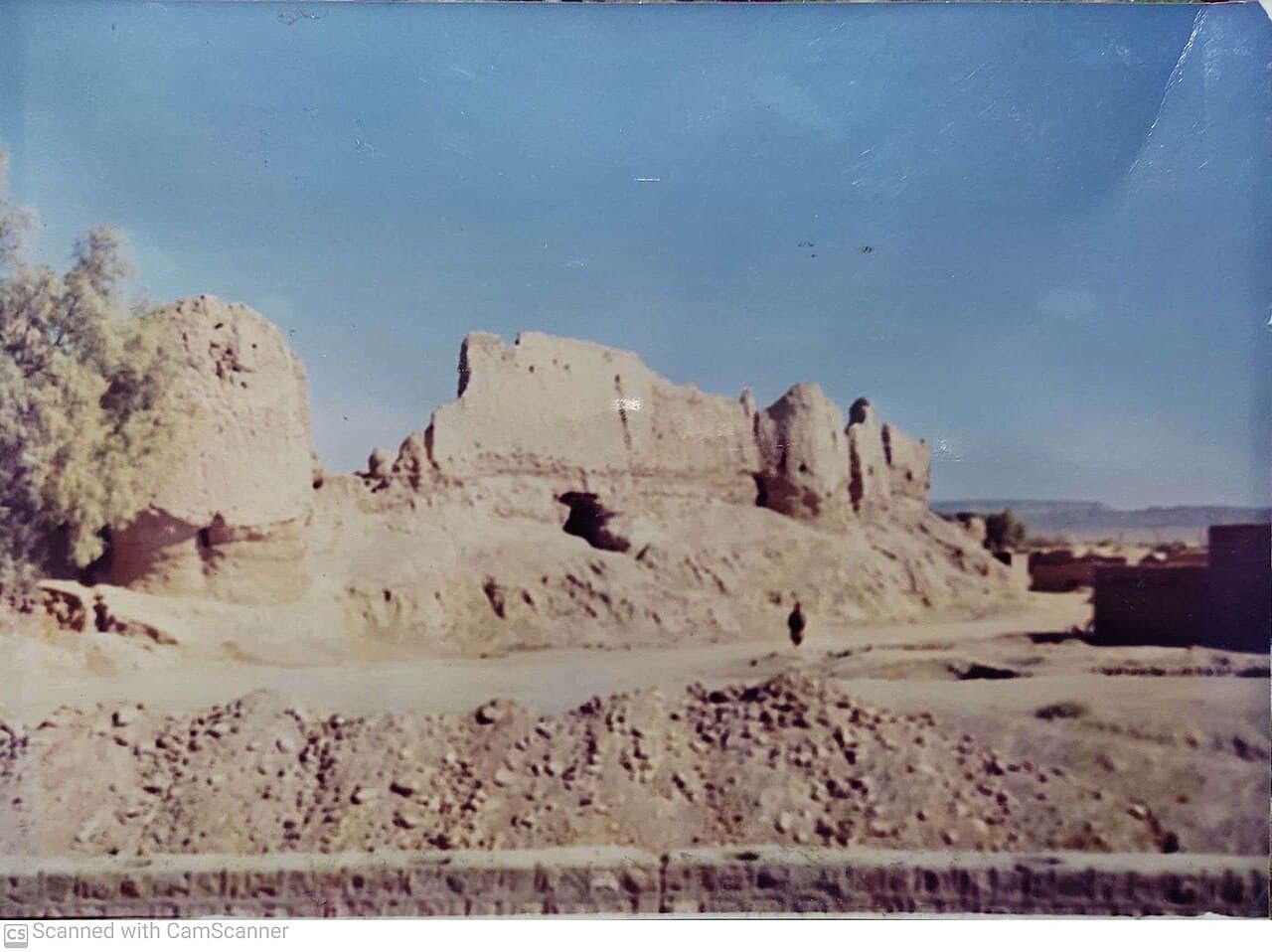
The castle has suffered extensive damage due to natural disasters, particularly repeated earthquakes that have greatly diminished its original structure. Today, it stands mostly as ruins, with only parts of the walls and foundations intact. The preservation state reflects the challenges of maintaining ancient mudbrick structures in a seismically active region.
Despite its ruined condition, Nehbandan Castle remains an important archaeological site, offering valuable insights into Parthian military architecture and the historical defense systems of eastern Iran.
Cultural and regional significance
Situated in the historical region of South Khorasan, the castle is part of Iran's rich heritage of ancient fortifications. It contributes to understanding the military strategies and architectural innovations of the Parthian period, which influenced later Persian and Islamic fortifications.
The site attracts historians, archaeologists, and visitors interested in ancient Iranian history and the evolution of fortress design in the region.
Frequently asked questions (FAQ)
- When was Nehbandan Castle built?
- Nehbandan Castle was constructed during the Parthian era, which lasted from 247 BC to 224 AD, although some evidence suggests the site may have been used even earlier.
- What is the architectural style of Nehbandan Castle?
- The castle features a circular plan typical of Parthian military architecture, with thick defensive walls made from mudbrick and stone.
- What is the current condition of Nehbandan Castle?
- The castle is mostly in ruins today due to damage from numerous earthquakes over the centuries, with only parts of the walls and foundations remaining.
- Can visitors access Nehbandan Castle?
- Access to Nehbandan Castle may be limited due to its ruined state and lack of developed tourist facilities; visitors should check local resources before planning a visit.
- Why is Nehbandan Castle historically significant?
- Nehbandan Castle is significant as a rare surviving example of Parthian-era fortifications in eastern Iran, illustrating ancient military architecture and regional defense strategies.
Photo gallery

Information
Loading map...
Visitor reviews
No reviews yet. Been here? Write the first review and help other travelers!
Write the first reviewVisited this castle? Share your experience
Your review helps other travelers and adds first-hand knowledge to our encyclopedia.