Sebezh Fortress
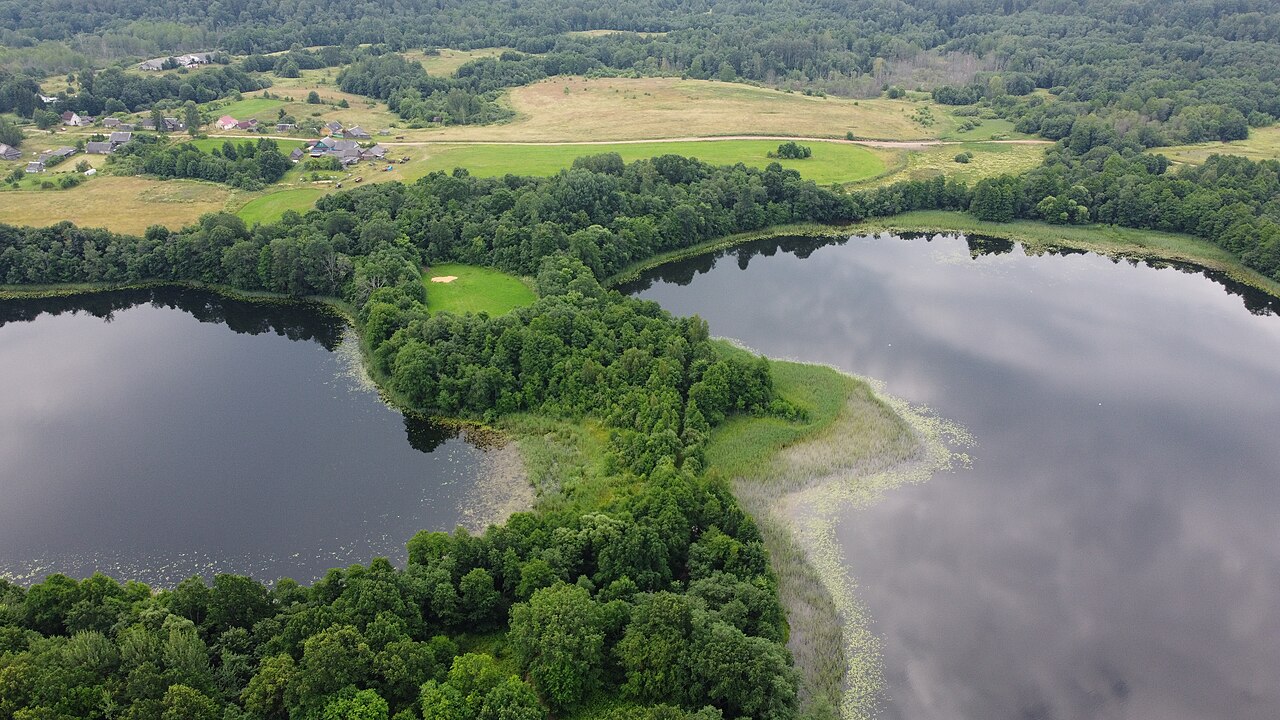
Sebezh Fortress stands as a significant historical monument in the town of Sebezh, located in the Pskov region of Russia. This fortress, classified as a hill castle, played a crucial role in the military and political landscape of the borderlands between Russia and Lithuania-Poland from the early 15th century onward. Its strategic position on a peninsula extending into Sebezh Lake provided natural defensive advantages that were enhanced by man-made fortifications.
The earliest recorded mention of the settlement dates back to 1414, when it was a suburb of Pskov and was seized by the Grand Duke of Lithuania, Vytautas, becoming part of the Grand Duchy of Lithuania. This early history reflects the contested nature of the region, which would see Sebezh change hands multiple times over the centuries.
The foundation and early fortifications
In 1535, during the Starodub War, control of the Sebezh volost shifted to the Grand Duchy of Moscow. Under the orders of Prince Ivan Vasilyevich Shuysky and the leadership of voivode Ivan Nikitich Buturlin, a wooden fortress named Ivanogorod-na-Sebeze was constructed on the site of earlier fortifications. Notably, an Italian architect known as Petrok Maly Fryazin contributed to the fortress's design, reflecting the influence of Renaissance military engineering in Russia at the time.
By February 1536, the fortress had successfully withstood a siege by the forces of Polish-Lithuanian King Sigismund I, cementing its importance as a Russian frontier stronghold. The fortress's defenses were further enhanced in 1541 with the construction of a wooden defensive wall with towers surrounding the developing settlement, strengthening the town's protection against incursions.
Architectural features and defensive structures
The fortress's layout was centered on a detinets (the central fortified area), located on a peninsula sometimes called "Castle Island" in Sebezh Lake. This detinets was surrounded by an earthen rampart approximately 350 meters long, which served as the foundation for a wooden palisade. This combination of earthworks and wooden walls provided a robust defense system typical of Russian fortresses of the period.
Within the detinets, there were storage facilities including cellars for gunpowder, lead, cannonballs, and other artillery supplies, alongside twelve granaries for storing grain. This infrastructure illustrates the fortress's capacity to endure prolonged sieges by maintaining supplies and munitions.
In the outer settlement, a wooden fence with towers was constructed in 1541, further bolstering the town's defenses. By the mid-17th century, records indicate that the outer town's fortifications enclosed an area with a circumference of about 1500 meters, while the Kremlin's rampart measured roughly 165 meters in circumference. The Kremlin's rampart reached a height of approximately 35 meters, with the outer rampart standing around 20 meters high. The outer town featured four gate passages, fewer than in earlier periods, reflecting changes in defensive strategy.
Military history and changing control
Throughout the 17th century, Sebezh Fortress was a focal point in the ongoing conflicts between Russia and the Polish-Lithuanian Commonwealth. In 1579, forces under Stephen Báthory captured the fortress, but it was regained by Russia in 1654, only to be lost again shortly thereafter. The fortress's strategic value was reaffirmed during the Great Northern War when Russian troops recaptured it in 1705.
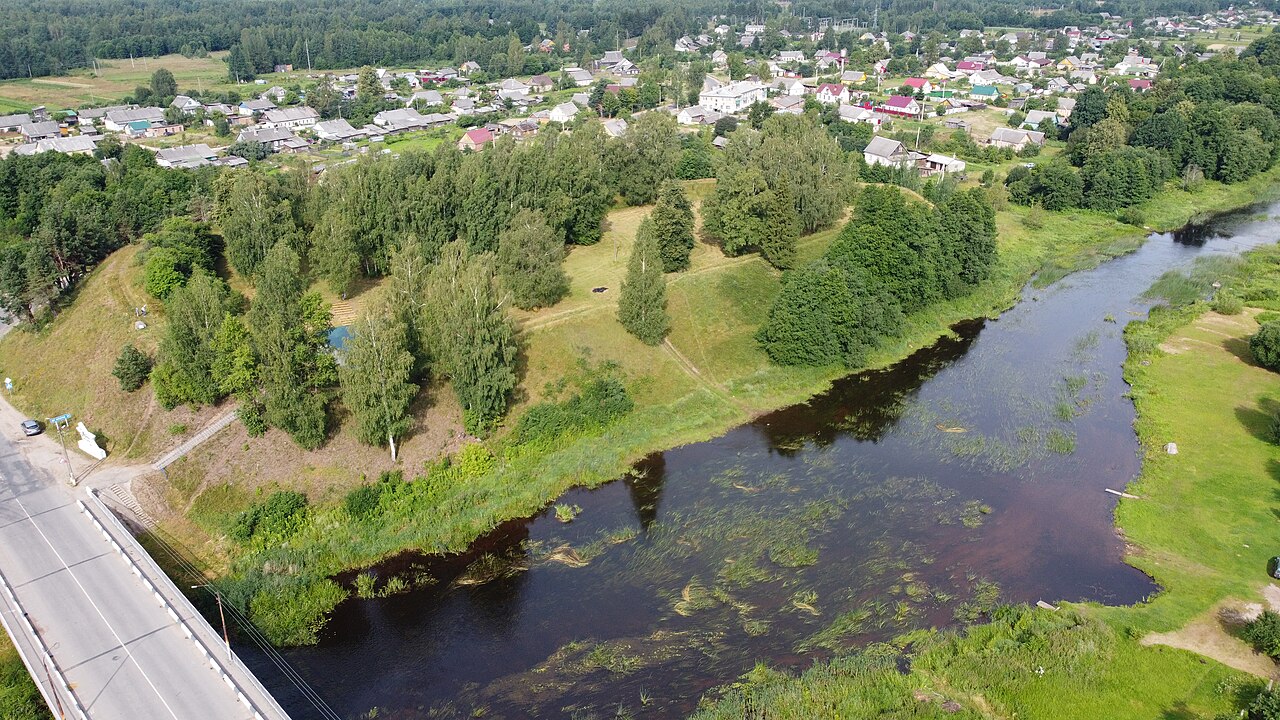
Following this, Tsar Peter I ordered enhancements to the fortress's defenses in 1707. New fortifications, including bastions and defensive ditches, were constructed on the elevated area later known as Peter's Hill. These bastions controlled approaches from the northeast and northwest, adding a modern layer of defense that complemented the traditional wooden and earthen works.
Later history and archaeological significance
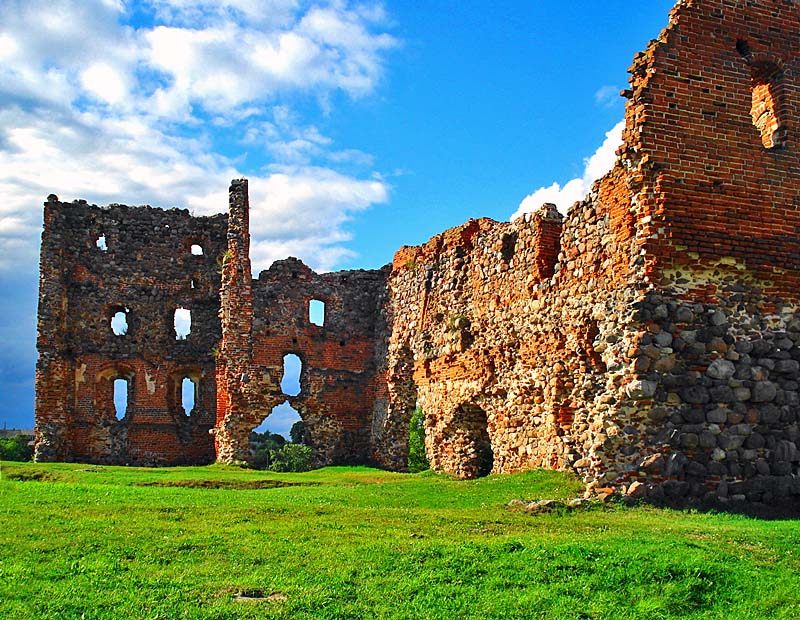
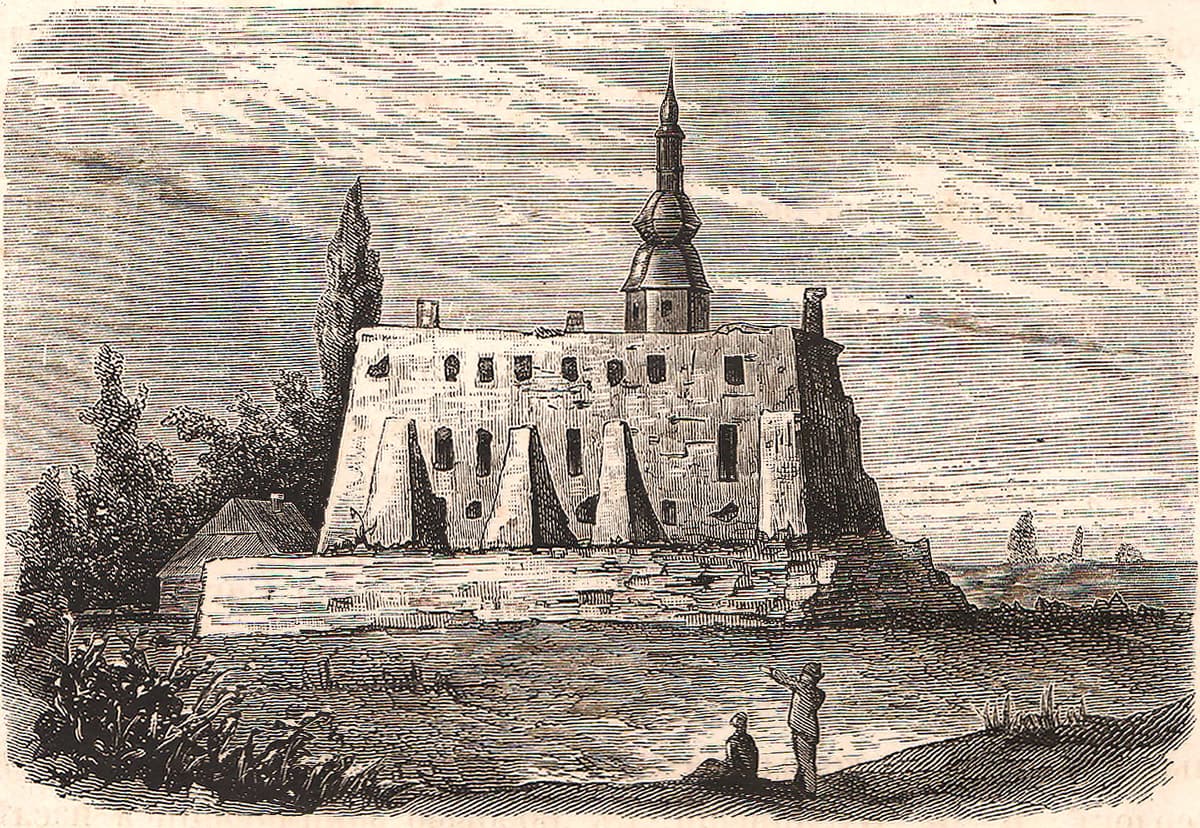
After the First Partition of Poland in 1772, Sebezh was permanently incorporated into the Russian Empire, solidifying its status as a border fortress within Russian territory. Over time, the military importance of the fortress waned, and much of the original structure fell into ruin.
Modern archaeological investigations, notably those led by B. N. Kharlashov in 2011, have been instrumental in uncovering the fortress's historical layout and construction techniques. These studies have provided valuable insights into the evolution of Russian fortification architecture and the fortress's role in regional defense.
Today, only partial remains of the original fortifications survive. The site is recognized for its archaeological value, with earthworks and traces of wooden structures still visible. Preservation efforts and continued research aim to deepen understanding of this historically significant hill castle.
Architectural and historical importance
Sebezh Fortress exemplifies the transitional military architecture of the 16th and 17th centuries in Russia, combining traditional wooden and earth fortifications with later bastion-style elements introduced under Peter the Great. Its location on a peninsula in a lake provided natural defensive advantages that were skillfully integrated into its design.
The fortress's history reflects the turbulent border conflicts between Russia and its western neighbors, making it a key site for studying the military and political dynamics of the region. Its multifaceted defensive systems, including the detinets, outer town, and bastions, illustrate the adaptation of fortification strategies over time in response to evolving military threats.
Visiting Sebezh fortress
While much of the fortress lies in ruins, visitors to Sebezh can explore the site to appreciate its historical significance and scenic location by Sebezh Lake. The archaeological remains offer a tangible connection to the past and an opportunity to learn about the fortress's role in shaping regional history.
Interpretive signage and local guides provide context for the surviving earthworks and foundations, helping visitors understand the fortress's complex defensive layout and its importance over several centuries.
Frequently asked questions (FAQ)
- What is the historical significance of Sebezh Fortress?
- Sebezh Fortress is a remarkable example of Russian military architecture, built in the 17th century to defend the western borders of Russia. It played a crucial role in various historical conflicts, including the Great Northern War. Today, it stands as a symbol of the region's rich history and resilience.
- When was Sebezh Fortress constructed?
- Construction of Sebezh Fortress began in 1650 and was completed in 1667. It was designed to protect against invasions and has since witnessed significant historical events, contributing to its cultural importance.
- Can I visit Sebezh Fortress?
- Yes, Sebezh Fortress is open to visitors throughout the year. Guests can explore its impressive walls, towers, and surrounding landscapes, making it a great destination for history enthusiasts and tourists alike.
- What are the opening hours for Sebezh Fortress?
- The fortress is generally open from 9 AM to 5 PM, but it's advisable to check for any seasonal changes or special events that may affect these hours. Visiting earlier in the day can provide a quieter experience.
- Is it possible to access Sebezh Fortress with a wheelchair?
- Sebezh Fortress has some areas that may be challenging for wheelchair users due to the uneven terrain and historic architecture. However, staff can provide assistance, and there are accessible routes for certain sections of the fortress.
- What is the best time to visit Sebezh Fortress?
- The best time to visit Sebezh Fortress is during the late spring and early autumn months, when the weather is mild, and the scenery is beautiful. This period offers a comfortable climate for exploring the fortress and its surroundings.
- Are there any nearby attractions to visit?
- Yes, in addition to Sebezh Fortress, visitors can explore the picturesque Sebezh National Park and the local museum, which showcases the region's history. These nearby attractions provide a deeper understanding of the area's cultural heritage.
- How much are the ticket prices for Sebezh Fortress?
- Ticket prices for Sebezh Fortress are generally affordable, with discounts available for students and seniors. It's best to check the official website or contact the fortress for the most current pricing information.
Photo gallery

Photo by Unknown authorUnknown author•Public domain
Information
Loading map...
Visitor reviews
No reviews yet. Been here? Write the first review and help other travelers!
Write the first reviewVisited this castle? Share your experience
Your review helps other travelers and adds first-hand knowledge to our encyclopedia.