Zavolochye — Russia castle

Zavolochye

Zavolochye castle in the Russian Federation
Renaissance (15th–17th c.)

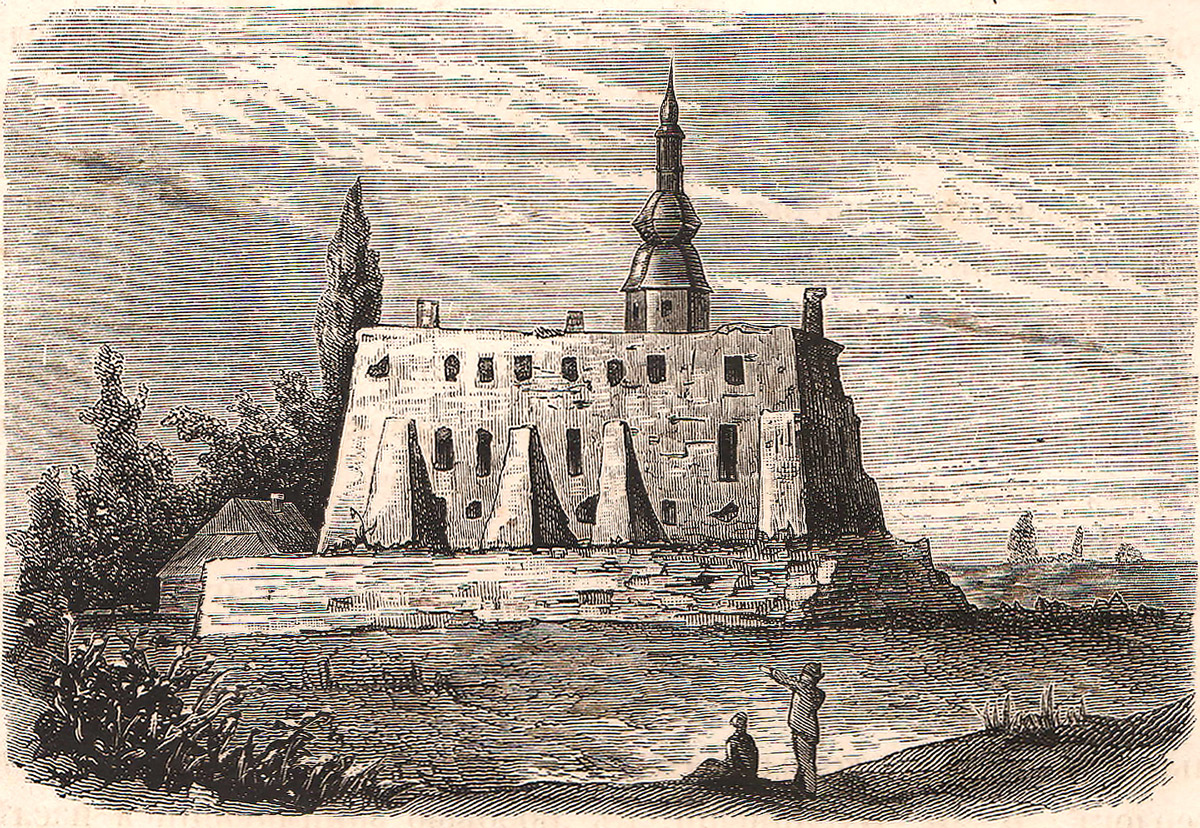
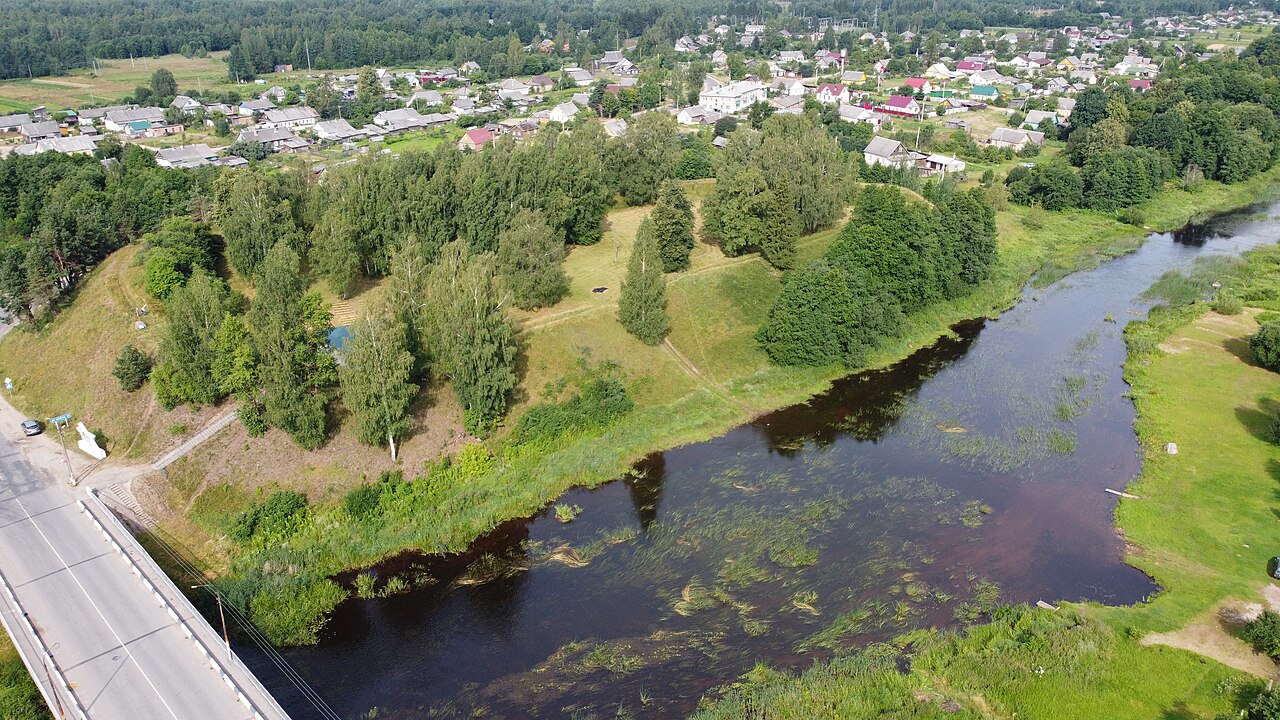
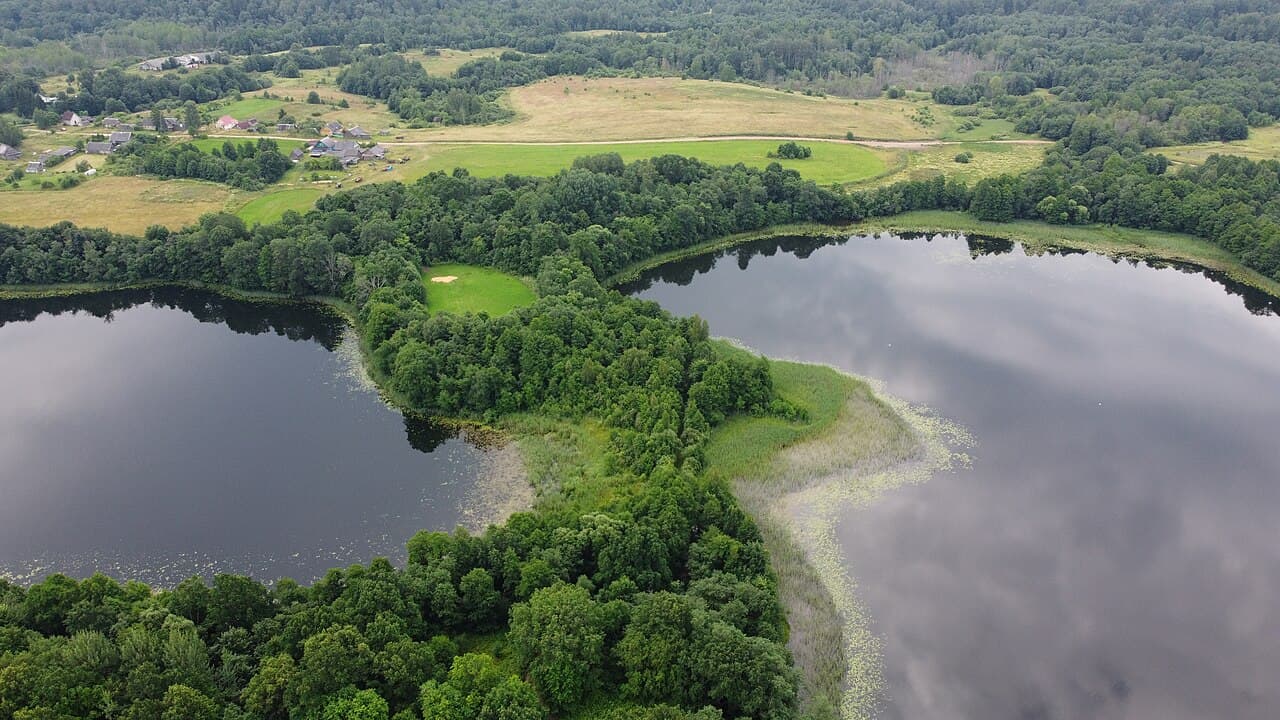
Zavolochye castle is a notable example of a 16th-century hill castle located in the Russian Federation. This fortress reflects the military architectural advancements of the Renaissance period, embodying both defensive and residential features typical of its era. Although the exact city location remains unspecified, Zavolochye's strategic placement on elevated terrain underscores its role in regional defense and control.

Architectural features and design

The castle's design prominently features the characteristics of a hill castle, utilizing natural elevation to enhance its defensive capabilities. Its construction during the 16th century aligns with the Renaissance architectural movement, which introduced innovations in fortification to withstand emerging artillery technologies. Zavolochye likely incorporates thick stone walls, bastions, and possibly angled ramparts to deflect cannon fire, although specific structural details require further archaeological study.

Defensive structures

The fortification would have included curtain walls encircling the main compound, reinforced with towers for surveillance and defense. The entrance was probably protected by a gatehouse and possibly a moat or natural ditch, common features in Renaissance military architecture to impede attackers. The elevated position provided a commanding view of the surrounding landscape, crucial for early warning and defense coordination.

Residential and functional spaces

Within the walls, the castle likely contained living quarters, storage facilities, and possibly a chapel, reflecting the multifunctional nature of such fortresses. The Renaissance period saw an increased emphasis on comfort and aesthetics alongside military utility, so elements of decorative stonework or proportioned layouts may have been present.

Historical context and significance

Constructed in the 16th century, Zavolochye castle emerged during a time of significant political and military upheaval in Eastern Europe. The Renaissance era in Russia was marked by efforts to modernize defenses against both internal conflicts and external threats, including incursions by neighboring states. Castles like Zavolochye were essential in securing territorial control and demonstrating the power of regional rulers.

While specific historical records about Zavolochye are limited, its architectural style and period suggest it played a role in the broader network of fortifications that protected trade routes and settlements in the Russian Federation. The castle's survival, even if partial, offers valuable insights into Renaissance military engineering adapted to the Russian landscape.

Preservation and current condition

The current state of Zavolochye castle is not extensively documented, but given typical conditions of similar structures from the period, it may be partially preserved or in ruins. Preservation efforts, if any, would focus on stabilizing remaining walls and protecting archaeological remains. Such sites are important for cultural heritage and provide opportunities for historical research and tourism development.

Visiting and cultural importance

Though precise visitor information is unavailable, castles like Zavolochye often attract historians, architects, and tourists interested in Renaissance military architecture and Russian history. Its hilltop location offers scenic views and a tangible connection to the past defensive strategies of the region.

Future archaeological investigations and conservation projects could enhance understanding of Zavolochye castle's role and significance, contributing to the appreciation of Russia's rich architectural heritage from the Renaissance period.

Frequently asked questions (FAQ)

How do I get to Zavolochye Castle?
Zavolochye Castle is located in the Russian Federation, and the best way to reach it is by car or public transport from nearby cities. There are local bus services that connect to the castle, making it accessible for visitors. Make sure to check the local transport schedules for the most convenient options.
What is the historical significance of Zavolochye Castle?
Zavolochye Castle has a rich history that dates back to the medieval period, serving as a strategic fortress in the region. It played a pivotal role in various historical conflicts, reflecting the architectural and cultural changes of its era. The castle is a testament to the historical heritage of the area and attracts history enthusiasts from around the world.
When was Zavolochye Castle built?
Zavolochye Castle was constructed in the late 15th century, originally designed for defense purposes. Over the centuries, it underwent several renovations and expansions, which enhanced its architectural features. Today, it stands as a well-preserved example of the region's historical architecture.
Can I take guided tours of Zavolochye Castle?
Yes, guided tours of Zavolochye Castle are available, providing visitors with in-depth knowledge of its history and architecture. These tours often include access to various parts of the castle, including the towers and courtyards. It's recommended to book in advance, especially during peak tourist seasons.
Why is the architecture of Zavolochye Castle unique?
The architecture of Zavolochye Castle showcases a blend of medieval defensive structures and later Baroque influences, making it a unique site. Its well-preserved walls and towers illustrate the engineering techniques of its time. Visitors can appreciate the intricate details and craftsmanship that reflect the castle's historical significance.
Is it possible to visit Zavolochye Castle year-round?
Yes, Zavolochye Castle is open to visitors year-round, but the best time to visit is during the spring and summer months when the weather is pleasant. During winter, some areas may be less accessible due to weather conditions. Always check the castle's official website for any seasonal opening hours and events.
What are the ticket prices for visiting Zavolochye Castle?
Ticket prices for Zavolochye Castle are generally affordable, with discounts available for students and seniors. Group rates may also apply, making it a great option for educational trips. It’s advisable to check the castle's official website for the most current pricing information and any special promotions.
What are the opening hours for Zavolochye Castle?
Zavolochye Castle typically opens at 9 AM and closes at 6 PM, but hours may vary depending on the season. It is closed on certain public holidays, so visitors should plan accordingly. For the latest updates on opening hours, it's best to visit the castle's official website before your trip.
Are there any nearby attractions to visit while at Zavolochye Castle?
Yes, there are several attractions near Zavolochye Castle, including museums and parks that offer a glimpse into the region's culture and history. Visitors can explore local markets and enjoy scenic views of the surrounding landscape. Combining your visit to the castle with nearby attractions can enhance your overall experience.

Photo gallery

Zavolochye
Click to view

Photo by Andre Percon•CC BY-SA 4.0

1 photo • Click any image to view in full screen

Information

Hill Castle

Loading map...

Visitor reviews

No reviews yet. Been here? Write the first review and help other travelers!

Write the first review

Visited this castle? Share your experience

Your review helps other travelers and adds first-hand knowledge to our encyclopedia.
Write a review

(5/5)

0/2000 characters

Your review will be visible after admin approval

Nearby castles

52 km
Невельская крепость — Russia castle

Невельская крепость

, Russia

Nevelskaya fortress is a historic hill castle located in the Russian Federation. Although the exact city or town where it stands is not definitively recorded, this fortress holds significance in Russian military history, serving as a strategic defensive structure.Historical context and significanceThe fortress was constructed during a period when fortifications played a crucial role in securing territorial boundaries and protecting against invasions. Its location on elevated terrain classifies it as a hill castle, which provided natural advantages for surveillance and defense. The strategic positioning allowed defenders to monitor surrounding areas and control important routes.While specific details about the fortress's founders or exact construction date remain unclear, it is associated with Russian military efforts to fortify borders and maintain control over contested regions. The fortress likely dates back to a period of heightened military activity, possibly between the 17th and 19th centuries, when Russia expanded and fortified its frontiers.Architectural featuresAs a hill castle, Nevelskaya fortress would have incorporated typical defensive elements suited to elevated sites. These include thick stone or brick walls adapted to the terrain, battlements for archers or artillery, and watchtowers positioned to maximize visibility. The fortress's design would have balanced natural landscape features with constructed defenses to create a formidable stronghold.Common features in such fortresses include a central keep or donjon, curtain walls enclosing a courtyard, gatehouses, and possibly moats or ditches adapted to the hillside environment. The use of local materials would have influenced the construction techniques and appearance.Military role and legacyNevelskaya fortress functioned primarily as a military installation, guarding key routes and serving as a base for troops. Its elevated position made it easier to repel attacks and to communicate signals across distances. The fortress may have seen action during regional conflicts or served as a deterrent against enemy advances.Over time, as military technology evolved and borders shifted, the fortress's strategic importance would have diminished. However, it remains a symbol of the region's historical efforts to maintain security and control.Current condition and preservationThe current state of Nevelskaya fortress is not extensively documented. Like many historic fortifications, it may exist as ruins or partially preserved remains. Efforts to study or conserve the site would depend on local interest and resources.Visitors interested in Russian military architecture and history may find value in exploring the site, though accessibility and facilities might be limited due to the fortress's uncertain location and preservation status.

Details
60.2 km
Sebezh Fortress — Russia castle

Sebezh Fortress

Sebezh, Russia

Sebezh Fortress stands as a significant historical monument in the town of Sebezh, located in the Pskov region of Russia. This fortress, classified as a hill castle, played a crucial role in the military and political landscape of the borderlands between Russia and Lithuania-Poland from the early 15th century onward. Its strategic position on a peninsula extending into Sebezh Lake provided natural defensive advantages that were enhanced by man-made fortifications. The earliest recorded mention of the settlement dates back to 1414, when it was a suburb of Pskov and was seized by the Grand Duke of Lithuania, Vytautas, becoming part of the Grand Duchy of Lithuania. This early history reflects the contested nature of the region, which would see Sebezh change hands multiple times over the centuries. The foundation and early fortifications In 1535, during the Starodub War, control of the Sebezh volost shifted to the Grand Duchy of Moscow. Under the orders of Prince Ivan Vasilyevich Shuysky and the leadership of voivode Ivan Nikitich Buturlin, a wooden fortress named Ivanogorod-na-Sebeze was constructed on the site of earlier fortifications. Notably, an Italian architect known as Petrok Maly Fryazin contributed to the fortress's design, reflecting the influence of Renaissance military engineering in Russia at the time. By February 1536, the fortress had successfully withstood a siege by the forces of Polish-Lithuanian King Sigismund I, cementing its importance as a Russian frontier stronghold. The fortress's defenses were further enhanced in 1541 with the construction of a wooden defensive wall with towers surrounding the developing settlement, strengthening the town's protection against incursions. Architectural features and defensive structures The fortress's layout was centered on a detinets (the central fortified area), located on a peninsula sometimes called "Castle Island" in Sebezh Lake. This detinets was surrounded by an earthen rampart approximately 350 meters long, which served as the foundation for a wooden palisade. This combination of earthworks and wooden walls provided a robust defense system typical of Russian fortresses of the period. Within the detinets, there were storage facilities including cellars for gunpowder, lead, cannonballs, and other artillery supplies, alongside twelve granaries for storing grain. This infrastructure illustrates the fortress's capacity to endure prolonged sieges by maintaining supplies and munitions. In the outer settlement, a wooden fence with towers was constructed in 1541, further bolstering the town's defenses. By the mid-17th century, records indicate that the outer town's fortifications enclosed an area with a circumference of about 1500 meters, while the Kremlin's rampart measured roughly 165 meters in circumference. The Kremlin's rampart reached a height of approximately 35 meters, with the outer rampart standing around 20 meters high. The outer town featured four gate passages, fewer than in earlier periods, reflecting changes in defensive strategy. Military history and changing control Throughout the 17th century, Sebezh Fortress was a focal point in the ongoing conflicts between Russia and the Polish-Lithuanian Commonwealth. In 1579, forces under Stephen Báthory captured the fortress, but it was regained by Russia in 1654, only to be lost again shortly thereafter. The fortress's strategic value was reaffirmed during the Great Northern War when Russian troops recaptured it in 1705. Following this, Tsar Peter I ordered enhancements to the fortress's defenses in 1707. New fortifications, including bastions and defensive ditches, were constructed on the elevated area later known as Peter's Hill. These bastions controlled approaches from the northeast and northwest, adding a modern layer of defense that complemented the traditional wooden and earthen works. Later history and archaeological significance After the First Partition of Poland in 1772, Sebezh was permanently incorporated into the Russian Empire, solidifying its status as a border fortress within Russian territory. Over time, the military importance of the fortress waned, and much of the original structure fell into ruin. Modern archaeological investigations, notably those led by B. N. Kharlashov in 2011, have been instrumental in uncovering the fortress's historical layout and construction techniques. These studies have provided valuable insights into the evolution of Russian fortification architecture and the fortress's role in regional defense. Today, only partial remains of the original fortifications survive. The site is recognized for its archaeological value, with earthworks and traces of wooden structures still visible. Preservation efforts and continued research aim to deepen understanding of this historically significant hill castle. Architectural and historical importance Sebezh Fortress exemplifies the transitional military architecture of the 16th and 17th centuries in Russia, combining traditional wooden and earth fortifications with later bastion-style elements introduced under Peter the Great. Its location on a peninsula in a lake provided natural defensive advantages that were skillfully integrated into its design. The fortress's history reflects the turbulent border conflicts between Russia and its western neighbors, making it a key site for studying the military and political dynamics of the region. Its multifaceted defensive systems, including the detinets, outer town, and bastions, illustrate the adaptation of fortification strategies over time in response to evolving military threats. Visiting Sebezh fortress While much of the fortress lies in ruins, visitors to Sebezh can explore the site to appreciate its historical significance and scenic location by Sebezh Lake. The archaeological remains offer a tangible connection to the past and an opportunity to learn about the fortress's role in shaping regional history. Interpretive signage and local guides provide context for the surviving earthworks and foundations, helping visitors understand the fortress's complex defensive layout and its importance over several centuries.

High Medieval (11th–13th c.)
Details
85.7 km
Krasnyi Gorodets — Russia castle

Krasnyi Gorodets

, Russia

Krasnyi Gorodets castle is a historic hill castle located in the Russian Federation, dating back to the 15th century. This castle is a significant example of late medieval fortification architecture in Russia, constructed during a period marked by frequent territorial conflicts and the need for strong defensive structures. Historical background and strategic importance Built in the late medieval period, Krasnyi Gorodets served as a military stronghold guarding key routes and local territories. Its elevated position on a hill provided natural defensive advantages, allowing defenders to monitor and control the surrounding landscape effectively. The castle’s construction reflects the military architectural trends of the time, emphasizing robust walls and strategic placement to withstand sieges and attacks. Architectural features and construction details The castle’s design incorporates typical hill castle elements, including thick stone walls and fortified battlements. While detailed architectural plans are scarce, the surviving structures suggest a focus on defense, with limited openings and possibly a keep or donjon serving as the last refuge during assaults. The use of local stone materials and traditional masonry techniques is characteristic of Russian medieval fortifications. Defensive structures Krasnyi Gorodets likely featured a combination of defensive elements such as towers positioned at strategic points along the walls to provide flanking fire, and a gatehouse controlling access to the interior. The elevated terrain itself was integrated into the defense system, with steep slopes making direct attacks difficult. Internal layout The internal courtyard would have housed essential buildings such as barracks, storage facilities, and possibly a chapel. Although much of the internal layout remains undocumented, typical late medieval castles in Russia included multifunctional spaces to support both military and administrative functions. Preservation and current condition Today, Krasnyi Gorodets stands as a partially preserved site. Time and historical events have led to the deterioration of some structures, but enough remains to appreciate its original defensive purpose and architectural style. The castle’s ruins serve as a cultural monument, attracting historians and visitors interested in Russia’s medieval heritage. Significance in Russian medieval history Krasnyi Gorodets embodies the military and architectural responses to the challenges faced by Russian principalities during the 15th century. It reflects the era’s emphasis on fortification and territorial control, contributing valuable insights into the defensive strategies employed in the region. The castle’s endurance through centuries highlights its importance as a historical landmark. Visiting Krasnyi Gorodets While detailed visitor information is limited, those interested in medieval Russian castles may find Krasnyi Gorodets a worthwhile destination. Its hilltop location offers scenic views of the surrounding countryside, enhancing the experience of exploring a site steeped in history. Access and tours Access to the site may be challenging due to its location and preservation status. Visitors are advised to prepare accordingly and seek local guidance. There are no widely known organized tours, but independent exploration is possible for those with an interest in medieval architecture and Russian history. Nearby attractions The region around Krasnyi Gorodets may offer additional historical and natural sites, providing context to the castle’s strategic role in the past. Exploring local museums and cultural centers can enrich understanding of the area’s medieval period.

Late Medieval (14th–15th c.)
Details