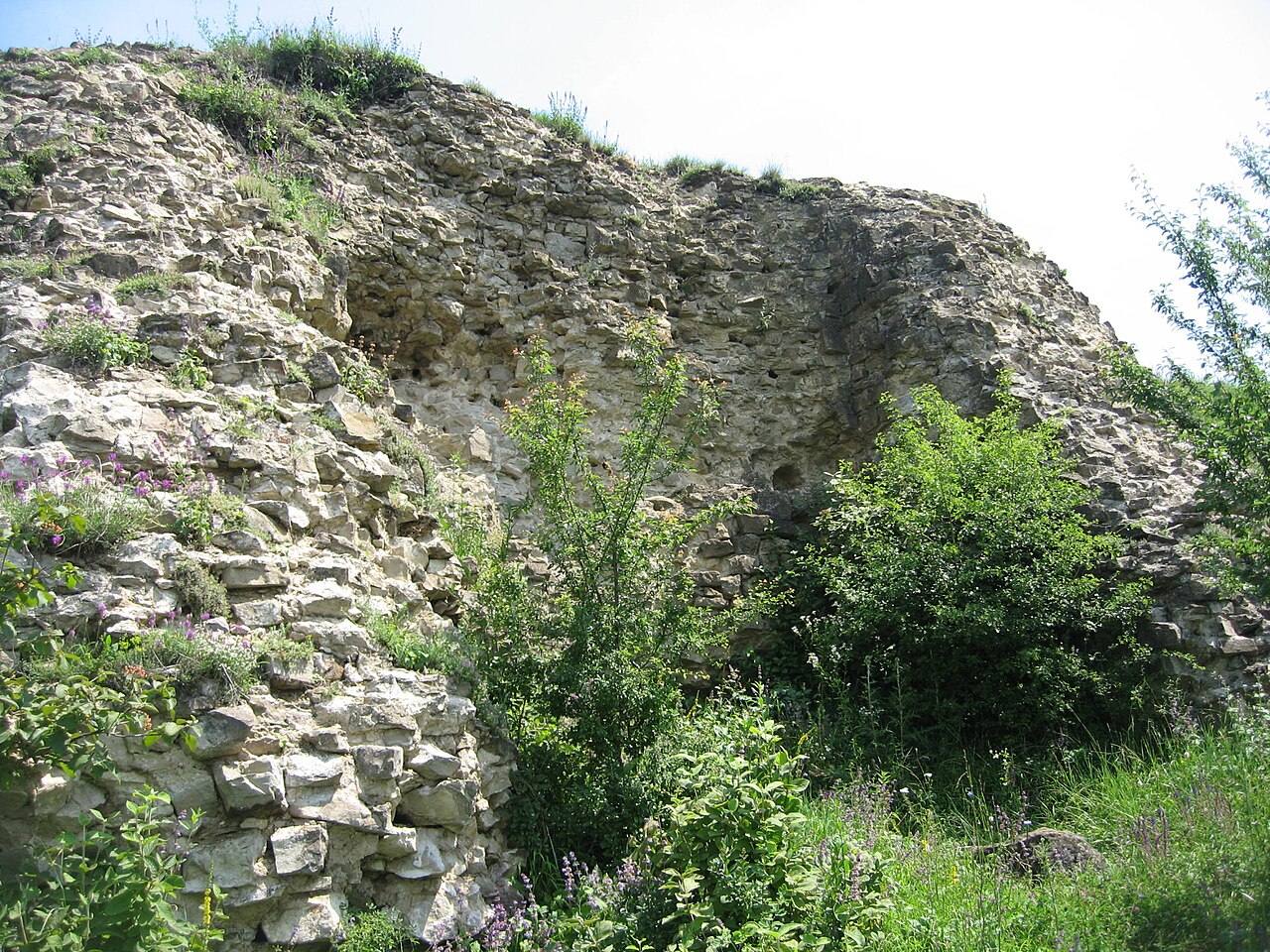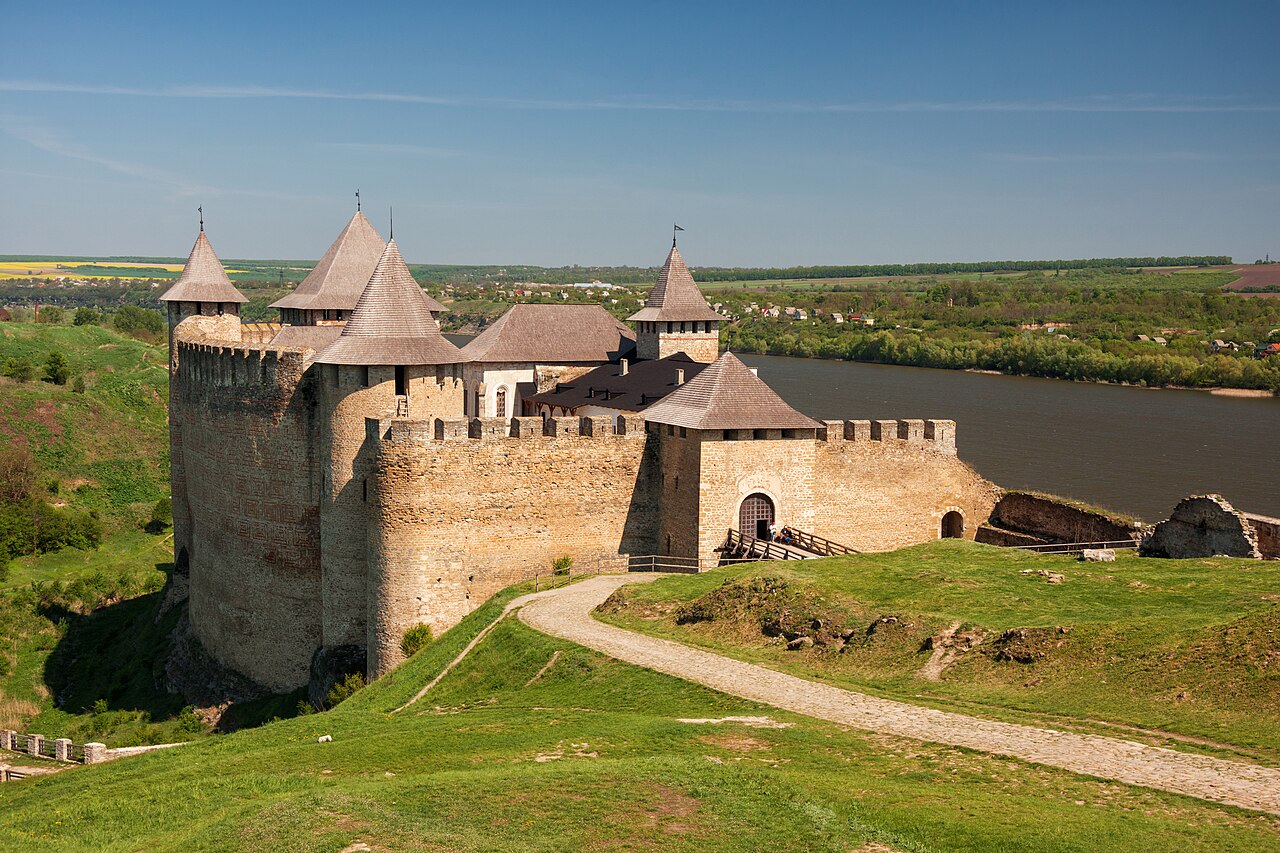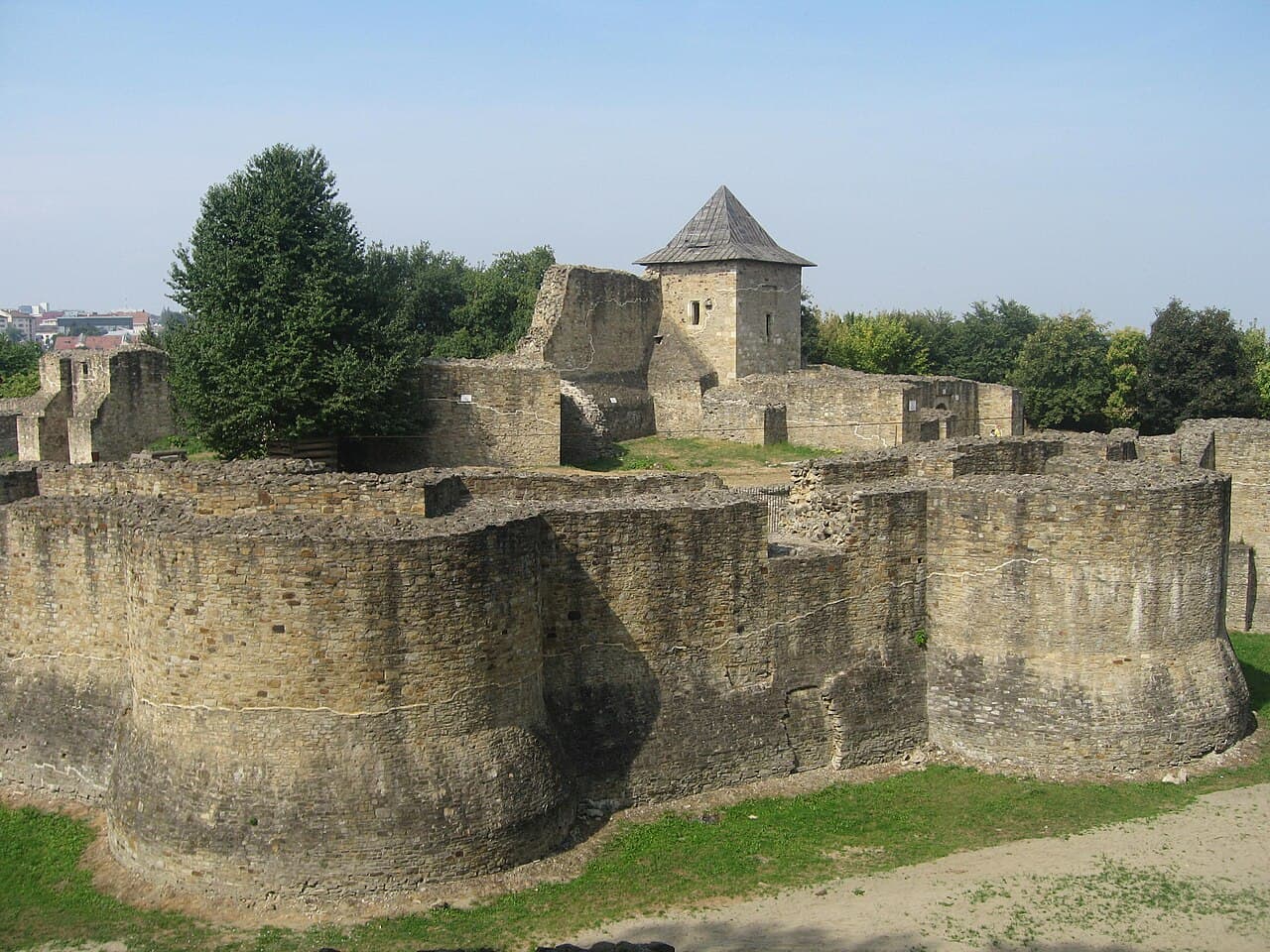
Seat Fortress of Suceava
The Medieval Seat Fortress of Suceava (Romanian: Cetatea Medievală de Scaun a Sucevei, German: Sotschen Festung) stands as a significant bastioned fortress in the historic region of Bukovina, northeastern Romania. Located in the county seat town of Suceava, this castle was the principal royal seat for the Princes of Moldavia during the Late Middle Ages. It is one of the most important medieval fortifications in the region, reflecting the military and political power of Moldavia at its height.
Historical background and significance
The fortress was constructed in the 14th century, with major expansions and fortifications completed in the 15th century under the reign of Stephen the Great (Ștefan cel Mare), one of Moldavia's most renowned rulers. The castle served as a defensive stronghold against invading forces, including the Ottoman Empire, and as the administrative center of the Moldavian principality. It was the residence of Moldavian princes and a symbol of their authority.
Throughout its history, the fortress witnessed numerous sieges and battles, reflecting the turbulent political landscape of Eastern Europe during the medieval period. Its strategic location on a hill overlooking the town of Suceava allowed it to control important trade routes and defend the region effectively.
Architectural features and fortifications
The Seat Fortress of Suceava is a classic example of a bastioned fortress, designed to withstand artillery attacks that became common in the late medieval period. The castle is surrounded by massive stone walls reinforced with corner bastions and curved defensive towers that provided overlapping fields of fire. The walls are punctuated by arrow slits and gunports, reflecting the transition from medieval to early modern military architecture.
The fortress includes a moat that encircles the walls, adding an extra layer of defense. The main entrance is protected by a gatehouse with a drawbridge, portcullis, and murder holes, designed to repel attackers. Inside the walls, the castle complex contains residential quarters, a princely chapel, storerooms, and armories.
The princely chapel
One of the most notable features of the fortress is the princely chapel, which reflects the religious devotion of the Moldavian rulers. The chapel contains frescoes and religious iconography typical of Eastern Orthodox Christian art, emphasizing the cultural identity of the principality.
Defensive innovations
The fortress's design incorporates defensive innovations
Restoration and current status
Today, the Seat Fortress of Suceava is a well-preserved historical monument and a popular tourist attraction. It has undergone extensive restoration funded by the European Union's REGIO programme, aimed at preserving its structural integrity and enhancing visitor experience. The castle is officially listed as a historic monument by the Romanian Ministry of Culture, ensuring its protection and maintenance.
Visitors can explore the fortress's walls, towers, and interior buildings, gaining insight into medieval Moldavian life and military architecture. The site hosts cultural events and exhibitions that celebrate the region's heritage.
Location and accessibility
The fortress is situated on a hill in the town of Suceava, offering panoramic views of the surrounding area. Suceava is accessible by road and rail from major Romanian cities, making the castle an accessible destination for both domestic and international tourists.
Cultural and heritage importance
The Seat Fortress of Suceava represents a crucial chapter in the history of Moldavia and Eastern Europe. It embodies the political power, military strategy, and religious devotion of the Moldavian princes. As a bastioned fortress, it illustrates the evolution of fortification techniques in response to changing warfare technologies.
Its preservation allows historians and visitors alike to appreciate the complexity of medieval fortifications and the cultural identity of the region. The fortress remains a symbol of regional pride and historical continuity in Romania.
Frequently asked questions (FAQ)
- How do I get to the Seat Fortress of Suceava?
- The fortress is located in the town of Suceava, accessible by road and rail from major Romanian cities such as Bucharest and Iași. Local buses and taxis can take visitors from the town center to the fortress hill.
- When was the Seat Fortress of Suceava built?
- Construction of the fortress began in the 14th century, with significant expansions in the 15th century under Prince Stephen the Great.
- What architectural style is the fortress?
- The fortress is a bastioned fortress typical of the late medieval period, featuring thick stone walls, corner bastions, and defensive towers adapted for artillery defense.
- Is the fortress open to visitors year-round?
- Yes, the Seat Fortress of Suceava is open daily from 9:00 to 18:00, welcoming tourists throughout the year.
- Are there guided tours available at the fortress?
- Guided tours are available and provide detailed historical and architectural insights into the fortress and its role in Moldavian history.
Photo gallery

Information
Opening hours
9:00-18:00 daily
Ticket prices
€5 adult, €3 child
Current owner
Romanian Ministry of Culture
Loading map...
Visitor reviews
No reviews yet. Been here? Write the first review and help other travelers!
Write the first reviewVisited this castle? Share your experience
Your review helps other travelers and adds first-hand knowledge to our encyclopedia.