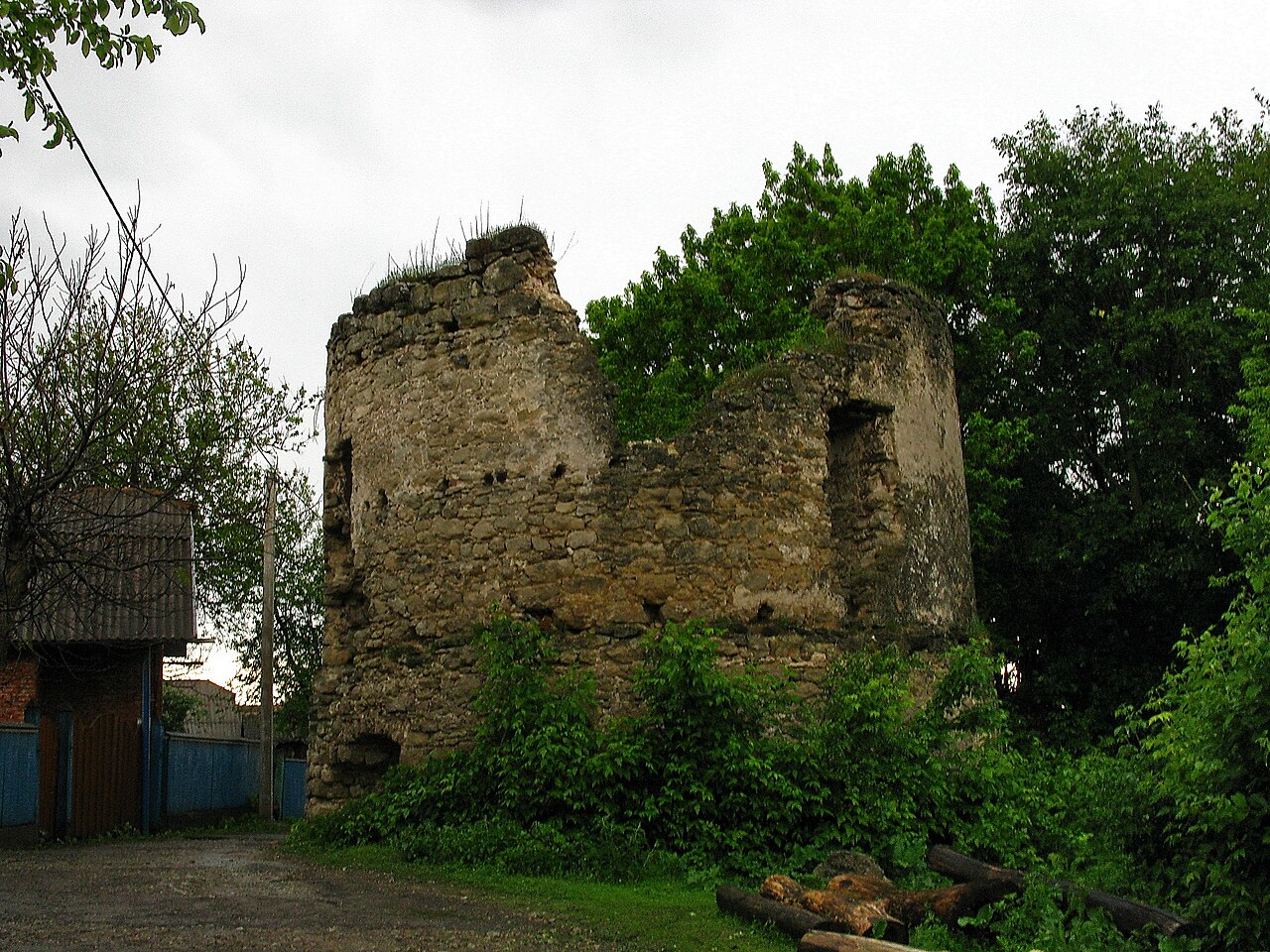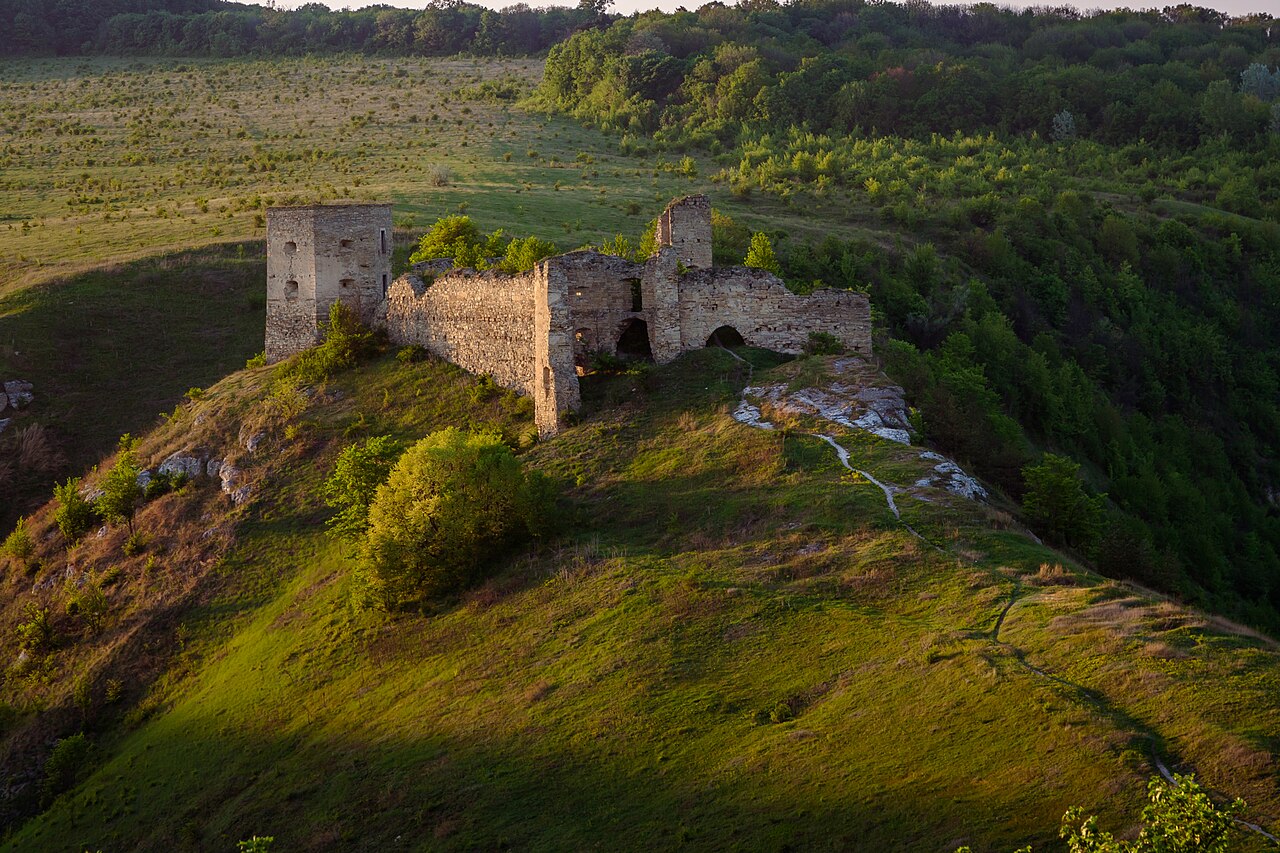
Tsetsyno fortress is a significant late medieval stronghold located in Ukraine, dating back to the 14th century. Though its exact city location remains uncertain, the fortress represents an important example of medieval military architecture in the region. The site today exists as archaeological ruins, offering insight into the defensive strategies and settlement patterns of the period.
The historical context of Tsetsyno fortress
Constructed during the turbulent 14th century, Tsetsyno fortress was part of a network of fortifications built to protect territories in what is now Ukraine. This period was marked by frequent conflicts involving local principalities, the expansion of the Grand Duchy of Lithuania, and incursions by the Golden Horde. Castles like Tsetsyno played a crucial role in defense and control of trade routes and local populations.
Architectural features and layout
As a late medieval fortress, Tsetsyno likely featured typical defensive elements of the era, including thick stone walls, battlements, and possibly a moat or natural water defenses. Although much of the structure is now in ruins, archaeological studies have revealed the foundations of walls and towers that suggest a compact fortress designed for both defense and habitation. The fortress would have included a keep or central stronghold, surrounded by curtain walls and possibly outer baileys.
Defensive structures
The fortress's design would have incorporated towers at strategic points to provide vantage points for archers and lookouts. The walls, constructed from locally sourced stone, were built to withstand sieges and attacks common in the late medieval period. The layout reflects the military architectural trends of Eastern Europe during the 14th century, combining functionality with the need for strong fortifications.
Living quarters and internal spaces
Within the walls, the fortress likely contained residential buildings, storage facilities, and possibly a chapel. These spaces would have supported a garrison and the local lord's household. The presence of a courtyard would have allowed for movement of troops and storage of supplies.
Archaeological significance and current condition
Today, Tsetsyno fortress stands as an archaeological site with much of its original structure in ruins. Excavations have helped uncover the layout and construction techniques used, providing valuable information about medieval fortifications in Ukraine. The site offers a tangible connection to the region's past and the complex history of medieval Eastern Europe.
Visiting Tsetsyno fortress
While the fortress is in a ruined state, it attracts historians, archaeologists, and visitors interested in medieval architecture and history. The site is typically accessible for exploration, though facilities may be limited due to its archaeological nature. Visitors should prepare for uneven terrain and bring suitable footwear.
Preservation efforts and cultural importance
Efforts to preserve Tsetsyno fortress focus on protecting the remaining structures from further decay and promoting awareness of its historical value. The fortress contributes to understanding the defensive networks that shaped the political landscape of medieval Ukraine. It remains a symbol of the region's resilience and strategic importance during the late medieval period.
Challenges in preservation
Preserving ruins like Tsetsyno is challenging due to natural erosion, vegetation growth, and limited funding. Archaeologists work carefully to document and stabilize the site to ensure its survival for future study and education.
Frequently asked questions about Tsetsyno fortress
- What is the historical significance of Tsetsyno fortress? Tsetsyno fortress served as a defensive stronghold in the 14th century, protecting local territories and trade routes during a period of regional conflict.
- Can visitors explore the fortress ruins? Yes, the site is accessible to visitors, though it remains an archaeological ruin with limited facilities and requires caution when exploring.
- What architectural style characterizes Tsetsyno fortress? The fortress reflects late medieval military architecture typical of Eastern Europe, featuring stone walls and defensive towers.
- When was the fortress built? The fortress dates back to the 14th century, a time of significant fortification construction in the region.
- Is there any ongoing preservation work? Preservation efforts focus on stabilizing the ruins and preventing further deterioration to maintain the site's historical integrity.
Frequently asked questions (FAQ)
- How do I get to Tsetsyno Fortress?
- Tsetsyno Fortress is located in Ukraine, and you can reach it by car or public transport from nearby cities. The closest major city is Lviv, which has various transport options, including buses and trains that connect to the fortress.
- What is the historical significance of Tsetsyno Fortress?
- Tsetsyno Fortress is a remarkable example of 16th-century military architecture in Ukraine. It played a crucial role in the region's defense during various conflicts, showcasing the strategic importance of its location throughout history.
- When was Tsetsyno Fortress built?
- Tsetsyno Fortress was constructed in the late 16th century, specifically around 1580. It was designed to protect the surrounding areas from invasions, reflecting the architectural styles and military needs of that period.
- Can I take guided tours of Tsetsyno Fortress?
- Yes, guided tours are available at Tsetsyno Fortress, providing visitors with in-depth insights into its history and architecture. These tours are led by knowledgeable guides who can share fascinating stories and facts about the fortress.
- Why is Tsetsyno Fortress considered an architectural gem?
- Tsetsyno Fortress is considered an architectural gem due to its unique blend of Renaissance and defensive design elements. Its well-preserved structures, including walls and towers, offer a glimpse into the past and illustrate the innovative military techniques of its time.
- Is it possible to explore the fortress grounds freely?
- Yes, visitors can explore the grounds of Tsetsyno Fortress freely outside of guided tours. However, certain areas may have restricted access for preservation purposes, so it's advisable to check with staff upon arrival.
- What are the opening hours for Tsetsyno Fortress?
- Tsetsyno Fortress typically opens from 9 AM to 6 PM, with extended hours during the summer months. It's recommended to check their official website or contact them for any seasonal changes in opening times.
- What is the best time to visit Tsetsyno Fortress?
- The best time to visit Tsetsyno Fortress is during the spring and early autumn months when the weather is mild and pleasant. This allows for comfortable exploration of the grounds and the surrounding natural beauty.
- Are there any nearby attractions to visit?
- Yes, there are several nearby attractions, including scenic parks and historical sites that reflect the rich culture of the region. Visitors can also find local eateries and shops that enhance the overall experience of their trip.
- What are the ticket prices for Tsetsyno Fortress?
- Ticket prices for Tsetsyno Fortress are generally affordable, with discounts available for students and children. It’s best to check the official website for the most current pricing and any special offers that may be available.
Photo gallery

Photo by IMDV (user)•Public domain
Information
Loading map...
Visitor reviews
No reviews yet. Been here? Write the first review and help other travelers!
Write the first reviewVisited this castle? Share your experience
Your review helps other travelers and adds first-hand knowledge to our encyclopedia.