Schloss Stainz
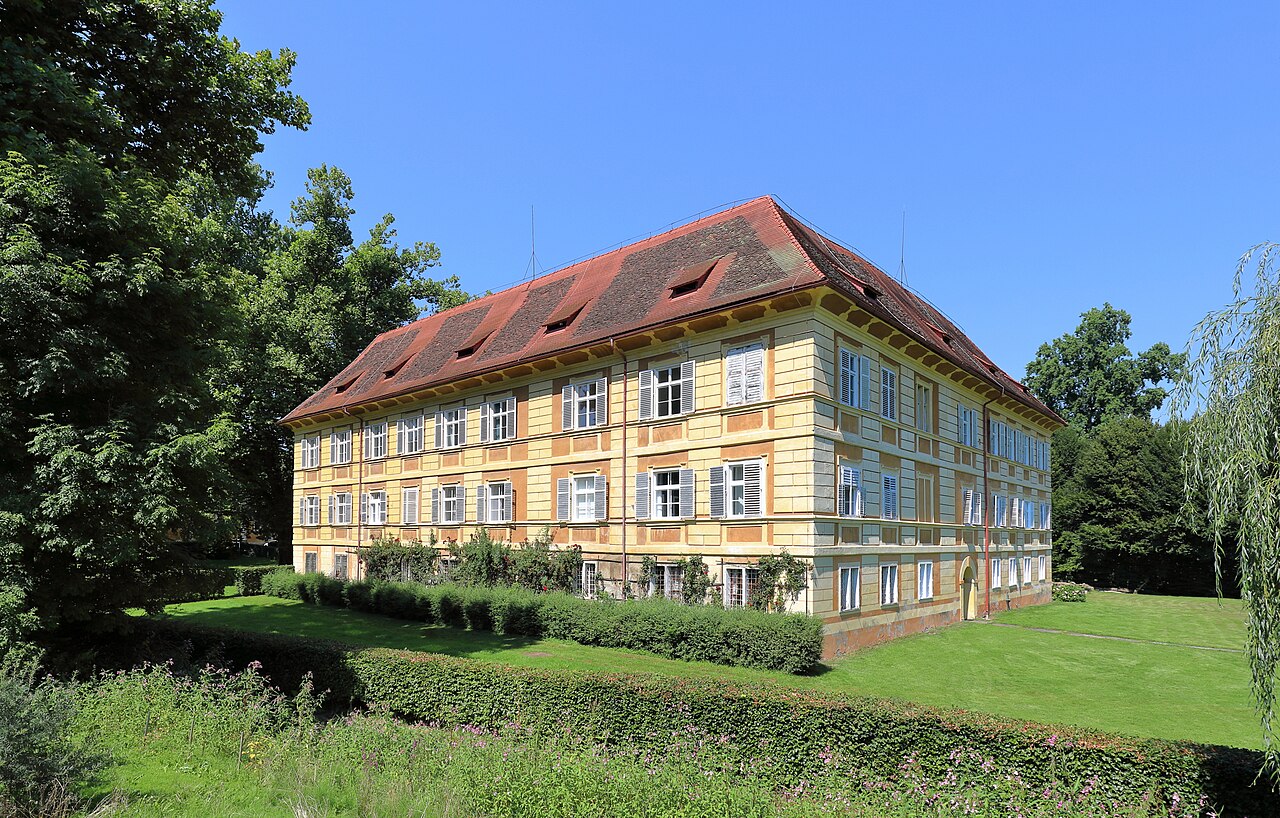
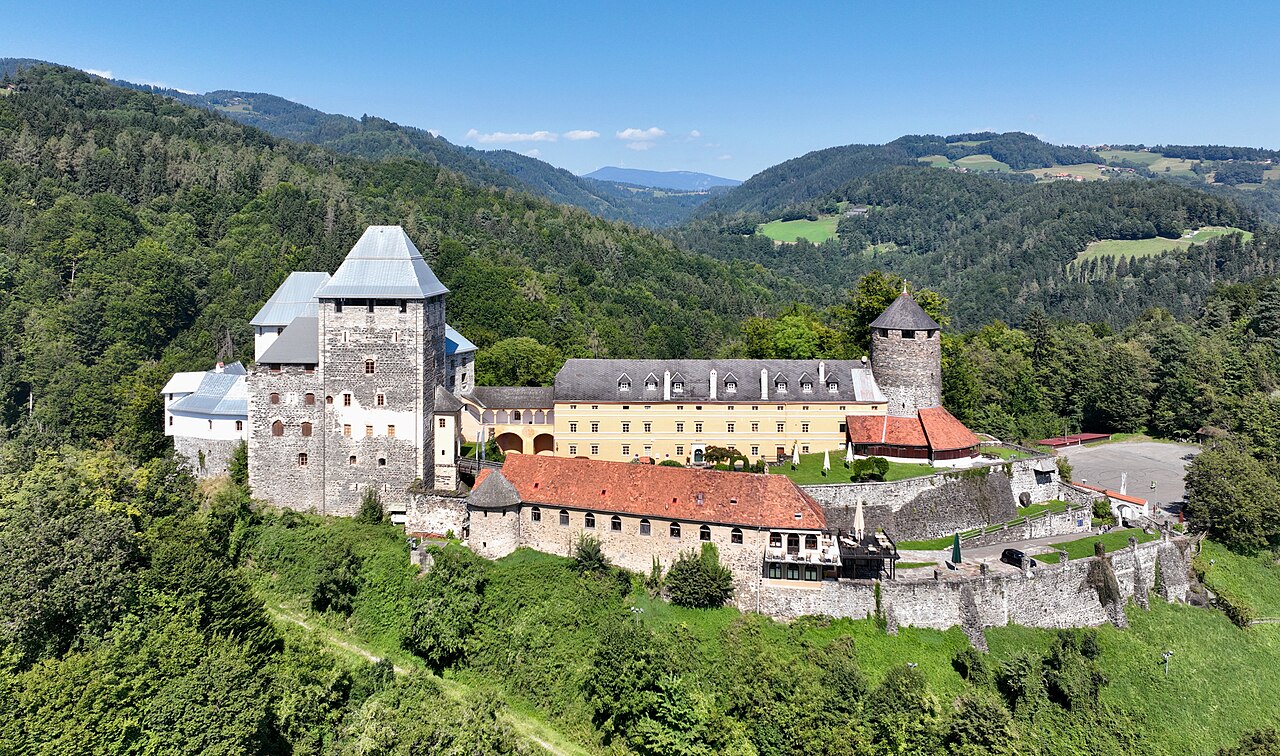
Schloss Stainz stands as a notable historic complex in Stainz, Austria, originally established as a monastery for the Augustinian Canons in 1229. Founded by Leutold I von Wildon, the lord of the manor of Stainz, the priory was built on the site of his castle, marking the beginning of a religious community that would evolve significantly over the centuries. Settled by canons regular from Seckau Priory, the monastery played a vital role in the religious and cultural life of the region during the High Medieval period.
Medieval foundation and early development
The foundation of Stainz Priory was a strategic religious and territorial act, combining spiritual purpose with feudal authority. The original monastery church and attached monastic buildings were modest but functional, serving the needs of the Augustinian community. Over time, the priory expanded its influence and holdings, becoming an important ecclesiastical institution in Styria. The community experienced its peak in the early 16th century, particularly under the leadership of provost Jakob Roselenz from 1596 to 1629. During his tenure, the priory was reorganized, and the church, which had suffered neglect, was significantly enlarged and refurbished.
Baroque transformation and architectural significance
The most visually striking phase of Schloss Stainz's history is its Baroque refurbishment, which transformed the medieval monastery into a grand architectural complex. The interiors were extensively redecorated with stucco work typical of the Baroque style, emphasizing ornamental detail and grandeur. The church organ, one of the largest and most melodious in Styria, was restored in 1980, maintaining its historical and musical significance. This organ remains a key feature of the church's interior, highlighting the artistic and cultural heritage preserved within the castle.
Secularization and conversion into a hunting lodge
In 1785, the monastery was dissolved as part of the rationalist reforms initiated by Emperor Joseph II, who sought to reduce the power of religious institutions and repurpose their assets. Despite the dissolution, the church continued to serve religious functions. In 1840, the complex was purchased by Archduke Johann, son of Leopold II, who was an avid hunter. He converted the former monastery into a hunting lodge, renaming it Schloss Stainz. This marked a significant shift in the use and identity of the building, from a religious center to a noble residence dedicated to leisure and sport.
Modern ownership and cultural role
Since Archduke Johann's death in 1859, Schloss Stainz has remained in the hands of his descendants, the Counts of Meran. The castle today serves multiple purposes beyond private residence. It offers rental spaces such as gardens, rooms, the courtyard, cellar, arcades, and terrace for various events, blending historical ambiance with modern utility.
Museum collections and exhibitions
The styrian hunting museum
In 2006, Schloss Stainz became home to the Steirisches Jagdmuseum (Styrian Hunting Museum), part of the Universal Museum Joanneum. This museum presents an interdisciplinary exploration of hunting, combining historic equipment, weapons, and specimens with contemporary technology. It addresses the historical, sociological, anthropological, philosophical, and ethical dimensions of hunting, alongside wildlife ecology. The museum's approach offers visitors a comprehensive understanding of hunting's role in human culture and nature management.
Museum of agriculture and forestry
Three years later, in 2009, the Landwirtschaftsmuseum Schloss Stainz (Museum of Agriculture and Forestry) opened within the castle. This exhibition focuses on rural Styrian folk culture, showcasing agricultural implements and household effects from the Stone Age to the present. It highlights various branches of agriculture and husbandry, providing insights into the evolution of rural life in Styria. Together with the Hunting Museum, it offers a broad cultural and historical perspective on the region's traditional practices.
Architectural features and layout
Schloss Stainz is a Baroque complex that retains elements of its medieval origins. The castle's layout includes a church with a prominent organ, arcades, a courtyard, and extensive gardens. The architectural style is characterized by stucco decoration and Baroque ornamental details that contrast with the simpler medieval structures. The transformation from monastery to hunting lodge is visible in the blend of functional and decorative elements throughout the complex.
Cultural and historical importance
Schloss Stainz exemplifies the adaptive reuse of a medieval religious institution into a noble residence and cultural venue. Its preservation and continued use as a museum site contribute to the understanding of Styrian history, architecture, and cultural traditions. The castle's collections offer valuable insights into hunting and agricultural practices, bridging past and present in a historically significant setting.
Frequently asked questions (FAQ)
- How do I get to Schloss Stainz?
- Schloss Stainz is conveniently located in the charming town of Stainz, Austria. You can reach it by car, with ample parking available nearby, or by taking public transport from Graz, which is approximately 30 kilometers away.
- What is the historical significance of Schloss Stainz?
- Schloss Stainz, originally built as a hunting lodge in the 16th century, has a rich history as a residence for the aristocracy. It played a significant role in the cultural and social life of the region, particularly during the time of the Habsburgs.
- When was Schloss Stainz constructed?
- The construction of Schloss Stainz began in the late 16th century, with significant modifications made in the following centuries. The castle reflects various architectural styles, primarily Renaissance and Baroque, showcasing its evolution over time.
- Can I visit the castle year-round?
- Yes, Schloss Stainz is open to visitors year-round, although specific opening hours may vary depending on the season. It’s advisable to check the official website prior to your visit for the most up-to-date information on hours and guided tours.
- Why is Schloss Stainz architecturally significant?
- The architectural significance of Schloss Stainz lies in its unique blend of Renaissance and Baroque styles, evident in its ornate facades and grand interior rooms. The castle also features beautiful gardens and a remarkable collection of historical artifacts that enhance its cultural value.
- Is it possible to take guided tours of Schloss Stainz?
- Yes, guided tours of Schloss Stainz are available, providing visitors with in-depth insights into the castle’s history and architecture. These tours are a great way to learn more about the castle's past and explore areas that may not be accessible on a self-guided visit.
- What are the ticket prices for Schloss Stainz?
- Ticket prices for Schloss Stainz vary based on age and the type of tour chosen. Generally, adult tickets are reasonably priced, with discounts available for students, seniors, and children, making it an affordable destination for families and history enthusiasts alike.
- What is the best time to visit Schloss Stainz?
- The best time to visit Schloss Stainz is during the spring and early autumn when the weather is pleasant, and the gardens are in full bloom. Additionally, visiting during weekdays can help you avoid larger crowds, allowing for a more enjoyable experience.
- Are there nearby attractions to visit while at Schloss Stainz?
- Yes, there are several nearby attractions worth exploring, including the Stainz Parish Church and the Stainz Wine Museum. The picturesque countryside surrounding the castle also offers beautiful hiking trails and scenic views, perfect for a day of outdoor activities.
Information
Loading map...
Visitor reviews
No reviews yet. Been here? Write the first review and help other travelers!
Write the first reviewVisited this castle? Share your experience
Your review helps other travelers and adds first-hand knowledge to our encyclopedia.