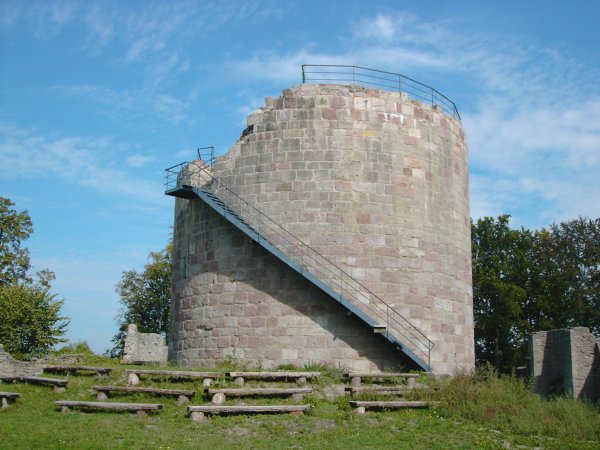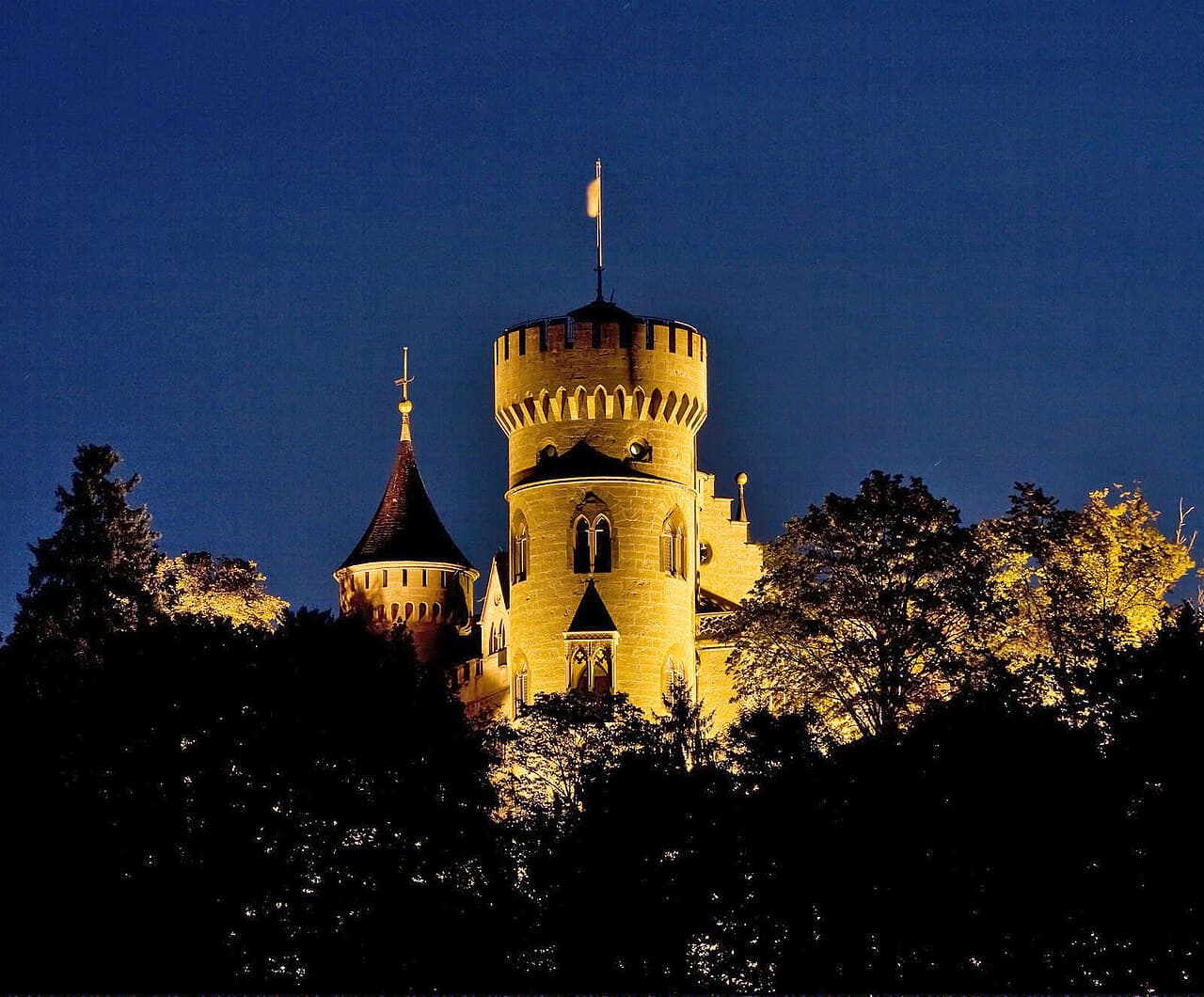
Schloß Landsberg is a notable hill castle located in Germany, dating back to the 12th century during the high medieval period. This castle exemplifies the strategic architectural design common to its era, built primarily for defense and control over the surrounding region. Its elevated position on a hill provided a commanding view of the landscape, which was essential for early warning and protection against invaders.
Historical context and construction
The construction of Schloß Landsberg in the 12th century places it within the wave of castle-building that swept across Europe during the high medieval period. This era was characterized by the consolidation of feudal territories and the need for fortified residences for nobility and military commanders. The castle likely served both as a residence and a military stronghold, reflecting the dual nature of such structures in medieval society.
Built primarily from local stone, the castle's walls were designed to withstand sieges and assaults typical of medieval warfare. The use of thick curtain walls, battlements, and possibly a keep or donjon would have been standard features. Although specific architectural details of Schloß Landsberg are less documented, its classification as a hill castle indicates a reliance on natural topography for defense.
Architectural features and layout
Typical of hill castles from the high medieval period, Schloß Landsberg would have included a series of defensive structures such as towers, gatehouses, and curtain walls enclosing a central courtyard. The elevated site would have allowed for the construction of a keep or donjon, serving as the last line of defense and the residence of the lord.
The castle's design likely incorporated a moat or ditch on the more accessible sides, enhancing its defensive capabilities. Within the courtyard, there would have been various buildings including a great hall, chapel, storerooms, and living quarters. The layout would have been compact and functional, prioritizing defense and efficient use of space.
Defensive structures
The walls of Schloß Landsberg, constructed from stone, would have been equipped with battlements for archers and guards. Arrow slits and machicolations might have been present to allow defenders to repel attackers while remaining protected. The entrance would have been fortified with a strong gatehouse, possibly with a portcullis and murder holes.
Role and significance in medieval Germany
During the high medieval period, castles like Schloß Landsberg played a crucial role in asserting territorial control and providing security. They functioned as administrative centers where the lord exercised judicial and economic authority over the surrounding lands. The castle would have been a focal point for local governance and a symbol of feudal power.
Schloß Landsberg's strategic location on a hill would have made it an important military asset, controlling trade routes or borderlands. Its presence would have influenced the development of nearby settlements and contributed to regional stability or conflict depending on the political climate.
Preservation and current condition
The current condition of Schloß Landsberg is not extensively documented, but as a high medieval hill castle, it may exist today as ruins or partially preserved remains. Such castles often underwent periods of decline, abandonment, or repurposing, especially after the medieval period when military technology and political structures evolved.
Preservation efforts, if any, would focus on stabilizing remaining structures and making the site accessible for historical education and tourism. The castle's location and historical significance make it a valuable cultural heritage site within Germany.
Visiting Schloß Landsberg
Visitors interested in medieval architecture and history would find Schloß Landsberg a compelling destination. Its elevated position offers scenic views and a tangible connection to Germany's feudal past. While specific visitor information such as opening hours or ticket prices is not widely available, exploring the site can provide insight into the defensive strategies and daily life of medieval nobility.
Nearby attractions and accessibility
The castle's region in Germany may include other historical sites, natural parks, and cultural landmarks, providing a rich itinerary for tourists. Accessibility may vary depending on the site's preservation status and infrastructure.
Frequently asked questions (FAQ)
- How do I get to Schloß Landsberg?
- Schloß Landsberg is accessible by car and public transportation. If you're traveling by train, the nearest station is Landsberg am Lech, from where you can take a bus or taxi to the castle. There are also well-marked walking paths for those who enjoy a scenic hike.
- What is the historical significance of Schloß Landsberg?
- Schloß Landsberg dates back to the 12th century and has played a crucial role in the region's history. It served as a fortress and residence for various noble families over the centuries. Today, it stands as a testament to medieval architecture and the historical events that shaped the area.
- When was Schloß Landsberg built?
- The construction of Schloß Landsberg began in the early 12th century, with significant expansions and renovations occurring throughout the Middle Ages. Its strategic location on a hilltop provided both a defensive advantage and a commanding view of the surrounding landscape. The castle reflects the architectural styles of different periods, making it a fascinating site for history enthusiasts.
- Can I take guided tours of Schloß Landsberg?
- Yes, guided tours are available for visitors who want to learn more about the castle's history and architecture. These tours are typically offered in multiple languages and provide in-depth insights into the castle's various features. It's recommended to book in advance, especially during peak tourist season.
- Is Schloß Landsberg accessible for visitors with disabilities?
- Schloß Landsberg strives to be accessible to all visitors, but due to its historic nature, some areas may pose challenges. There are designated paths and ramps, but it's advisable to contact the castle administration for specific accessibility information prior to your visit. They can provide guidance on which areas are more accessible.
- What are the opening hours for Schloß Landsberg?
- Schloß Landsberg is typically open to visitors from 10 AM to 6 PM during the tourist season, which runs from April to October. In the off-season, the hours may vary, so it's best to check the official website or contact the castle for the most current information. Special events may also affect opening times.
- What are the ticket prices for visiting Schloß Landsberg?
- Ticket prices for Schloß Landsberg generally range from €5 to €10, with discounts available for children, students, and seniors. Family tickets may also be offered at a reduced rate. It's advisable to check the official website for the latest pricing and any special promotions.
- When is the best time to visit Schloß Landsberg?
- The best time to visit Schloß Landsberg is during the spring and early fall when the weather is pleasant and the surrounding landscapes are vibrant. During these months, you can enjoy guided tours and various events held at the castle. Summer can be busy with tourists, while winter may limit access to some areas.
- Are there any nearby attractions to visit while at Schloß Landsberg?
- Yes, the area surrounding Schloß Landsberg is rich in attractions, including beautiful parks and historic towns. Nearby, you can explore the charming city of Landsberg am Lech, known for its picturesque old town and lovely riverside walks. Other notable attractions include the Lech River and local hiking trails that offer stunning views of the Bavarian countryside.
Photo gallery

Information
Loading map...
Visitor reviews
No reviews yet. Been here? Write the first review and help other travelers!
Write the first reviewVisited this castle? Share your experience
Your review helps other travelers and adds first-hand knowledge to our encyclopedia.