Schloss Blatten
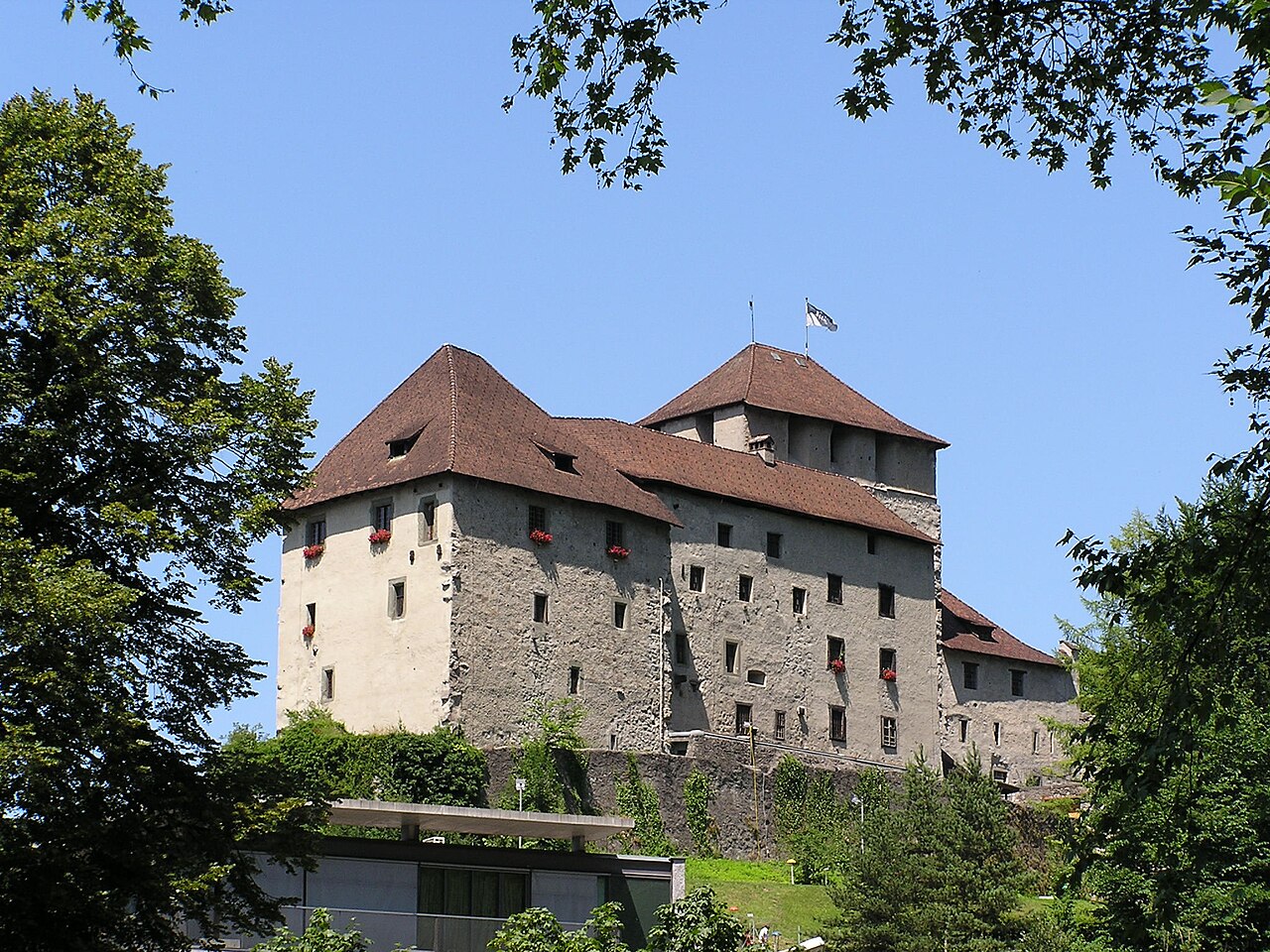
Schloss Blatten stands as a notable example of a medieval hill castle strategically perched on a rocky outcrop near the Rhine River in the municipality of Oberriet, Switzerland. This castle, with origins tracing back to the late 12th and early 13th centuries, played a significant role in regional power struggles and ecclesiastical administration throughout the Middle Ages and beyond.
Early history and foundation
The earliest documented connections to Schloss Blatten date to individuals named Burkardus de Blattûn in 1170 and Ulricus de Blattenn in 1229, indicating the presence of a local noble family associated with the site before the stone castle's construction. The castle itself was established around 1270 by Berchtold von Falkenstein, the abbot of the influential Abbey of St. Gallen. This foundation was part of a strategic effort to fortify the abbey's territorial claims and protect against rival noble families, particularly the Counts of Montfort-Werdenberg.
Shortly after its construction, in 1277, Schloss Blatten was granted to Ulrich von Ramschwag, following the territory's assignment to Heinrich Walter von Ramschwag in 1278. This transfer rewarded their support for King Rudolf at the Battle on the Marchfeld, a pivotal conflict in Central European history.
Political turbulence and ownership changes
Throughout the 15th century, Schloss Blatten experienced significant political upheaval. The castle and its lordship were temporarily confiscated due to involvement in the Appenzeller War, reflecting the turbulent regional dynamics of the time. In 1458, ownership passed to Jakob Mangold, a prominent citizen of Konstanz, after purchase from Walter Heinrich and Ulrich von Ramschwag. However, this change was short-lived as the castle was repurchased by Abbot Ulrich Rösch of St. Gallen in 1486, restoring ecclesiastical control.
Renovations and administrative role
The 17th century brought a period of renovation under Abbot Pius Reher (1637–1640), who undertook repairs and improvements to maintain the castle's defensive and administrative functions. Following these renovations, Schloss Blatten served as the administrative center for the bailiffs of Kriessern until the political upheavals of 1798.
Destruction and preservation efforts
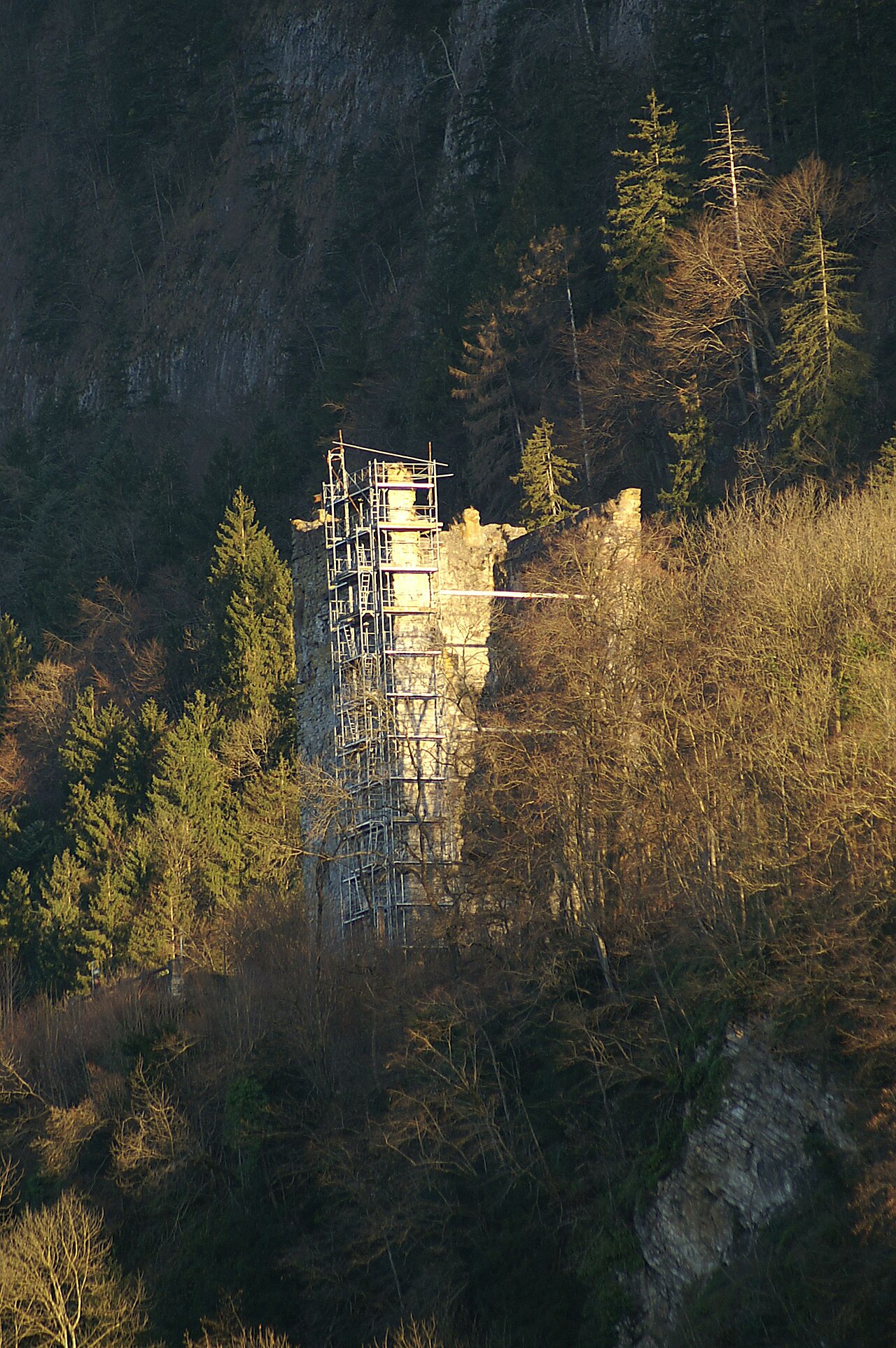
During the French War of 1799, Schloss Blatten was destroyed in military actions, leaving it in ruins. In the early 20th century, around 1911, parts of the ruins were quarried for stone, contributing to further degradation. From the mid-20th century onward, preservation efforts led by the canton of St. Gallen have focused on stabilizing the remaining structures, particularly the large square bergfried tower and the surrounding walls, ensuring the site's survival as a cultural heritage monument.
Architectural features and layout
The bergfried tower
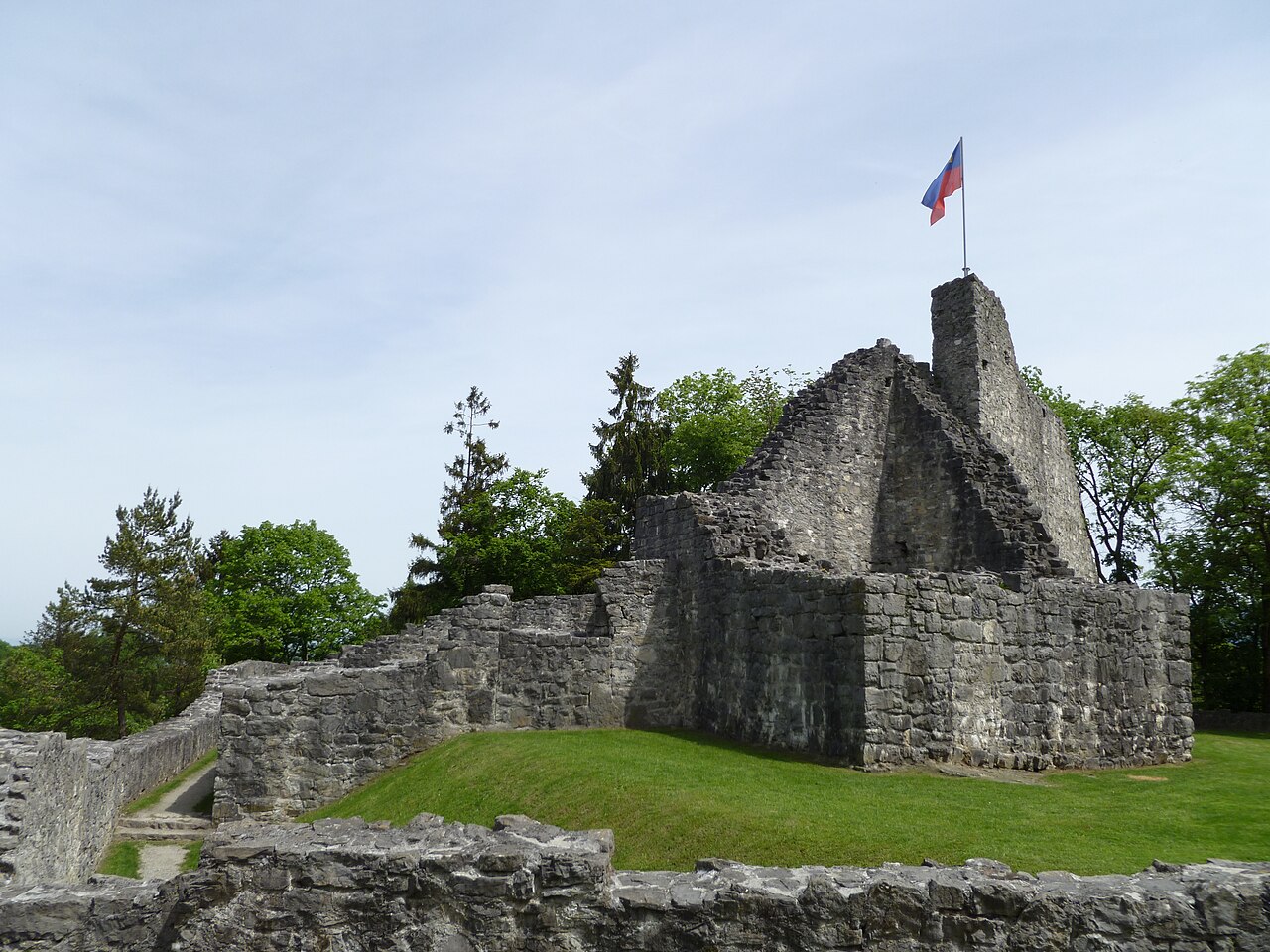
The dominant feature of Schloss Blatten is its large square bergfried, a type of defensive tower typical of medieval European castles. Positioned atop a rocky prominence, this tower provided commanding views over the Rhine valley and served as the castle's principal stronghold. Constructed of robust stone, the tower's exterior walls remain largely intact, though its interior no longer contains floors, leaving only the shell standing.
Vaulted cellar and supporting structures
Beneath the bergfried lies a well-preserved vaulted cellar characterized by its arched stone ceiling. This subterranean chamber has been adapted in modern times to support a wooden structure built above it, demonstrating a blend of preservation and functional reuse.
Curtain walls and gatehouse
Surrounding the tower, the original enclosure walls formed a protective barrier for the castle complex. These walls included a gatehouse that controlled access to the site. Though these fortifications suffered wear over centuries, restoration efforts in the late 20th century stabilized the curtain walls and repaired parts of the gate remnants. These conservation measures preserve the castle's defensive outline, allowing visitors to appreciate its medieval layout and strategic design.
Cultural significance and visitor experience
Schloss Blatten holds an important place in the regional heritage of St. Gallen canton and the broader history of medieval fortifications in Switzerland. Its location on a rocky outcrop near the Rhine underlines its strategic importance in controlling river access and local territories. The castle's ruins offer a tangible connection to the past, illustrating the complex interplay of secular and ecclesiastical powers in medieval Europe.
Today, visitors to Schloss Blatten can explore the remains of the bergfried, the vaulted cellar, and the restored curtain walls, gaining insight into medieval defensive architecture and the castle's historical context. The site is a valuable destination for those interested in medieval history, castle architecture, and Swiss cultural heritage.
Frequently asked questions (FAQ)
- How do I get to Schloss Blatten?
- Schloss Blatten is accessible by car and public transportation. If you're traveling by train, the nearest station is in Brig, from where you can take a bus or taxi to the castle. It's advisable to check local transport schedules for the most convenient options.
- What is the historical significance of Schloss Blatten?
- Schloss Blatten, dating back to the late Middle Ages, served as a defensive fortress and residence for local nobility. Its strategic location allowed it to oversee important trade routes in the region. The castle's rich history is reflected in its architecture and the artifacts found within.
- When was Schloss Blatten built?
- Schloss Blatten was constructed in the 13th century, showcasing the architectural styles of that era. Over the centuries, it has undergone various renovations, preserving its historical essence while adapting to modern needs. The castle stands today as a testament to its enduring legacy.
- Can I visit Schloss Blatten year-round?
- Yes, Schloss Blatten is open to visitors year-round, though specific opening hours may vary seasonally. It's best to check the official website for the most current information regarding tours and accessibility. Be sure to plan your visit accordingly to make the most of your experience.
- Why is Schloss Blatten a popular tourist attraction?
- Schloss Blatten attracts visitors due to its stunning views, rich history, and well-preserved architecture. The castle offers guided tours that provide insight into its past and the surrounding region. Additionally, it serves as a picturesque backdrop for photography and events.
- Is it possible to explore the interior of the castle?
- Yes, visitors can explore the interior of Schloss Blatten during designated tour times. Guided tours typically include access to key areas of the castle, where you can learn about its history and architecture. Make sure to check in advance for any special exhibitions or events that may enhance your visit.
- What are the ticket prices for visiting Schloss Blatten?
- Ticket prices for Schloss Blatten vary depending on the season and type of tour. Generally, adults can expect to pay a modest entrance fee, while discounts may be available for children, students, and seniors. It's advisable to check the castle's website for the latest pricing information before your visit.
- What are the opening hours for Schloss Blatten?
- Schloss Blatten typically opens its doors to visitors from 10 AM to 5 PM, but hours may differ on weekends and holidays. During peak tourist seasons, extended hours may be offered. Always verify the current opening hours on the official website prior to your visit.
- What nearby attractions can I visit while at Schloss Blatten?
- While visiting Schloss Blatten, you can also explore the stunning landscapes of the surrounding Valais region. Nearby attractions include hiking trails, charming villages, and other historical sites such as the historic town of Brig. This makes for a perfect day trip filled with culture and natural beauty.
Information
Website
Visit websiteSources & official resources
Verify the information above using these authoritative references.
Loading map...
Visitor reviews
No reviews yet. Been here? Write the first review and help other travelers!
Write the first reviewVisited this castle? Share your experience
Your review helps other travelers and adds first-hand knowledge to our encyclopedia.