Neu-Montfort Castle Ruins
Neu-Montfort castle ruins stand as a significant historical site in Götzis, Vorarlberg, Austria. Constructed between 1311 and 1319, this late medieval hilltop castle was originally built by the Count of Montfort, a prominent noble family of the region. Its strategic location at an elevation of 513 metres (1,683 feet) above sea level provided commanding views of the surrounding landscape, making it a formidable defensive stronghold in the Alpine foothills.
Construction and architectural features
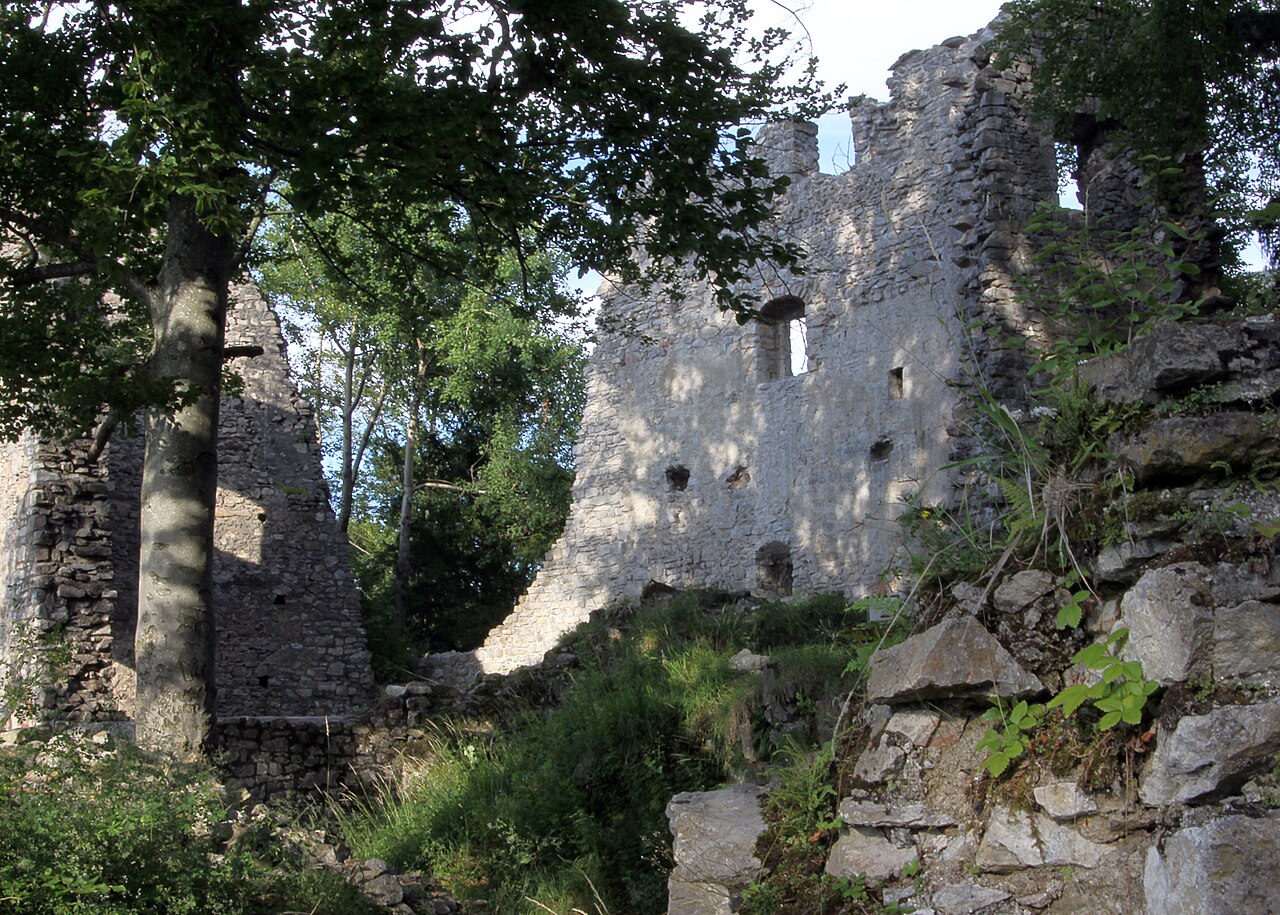
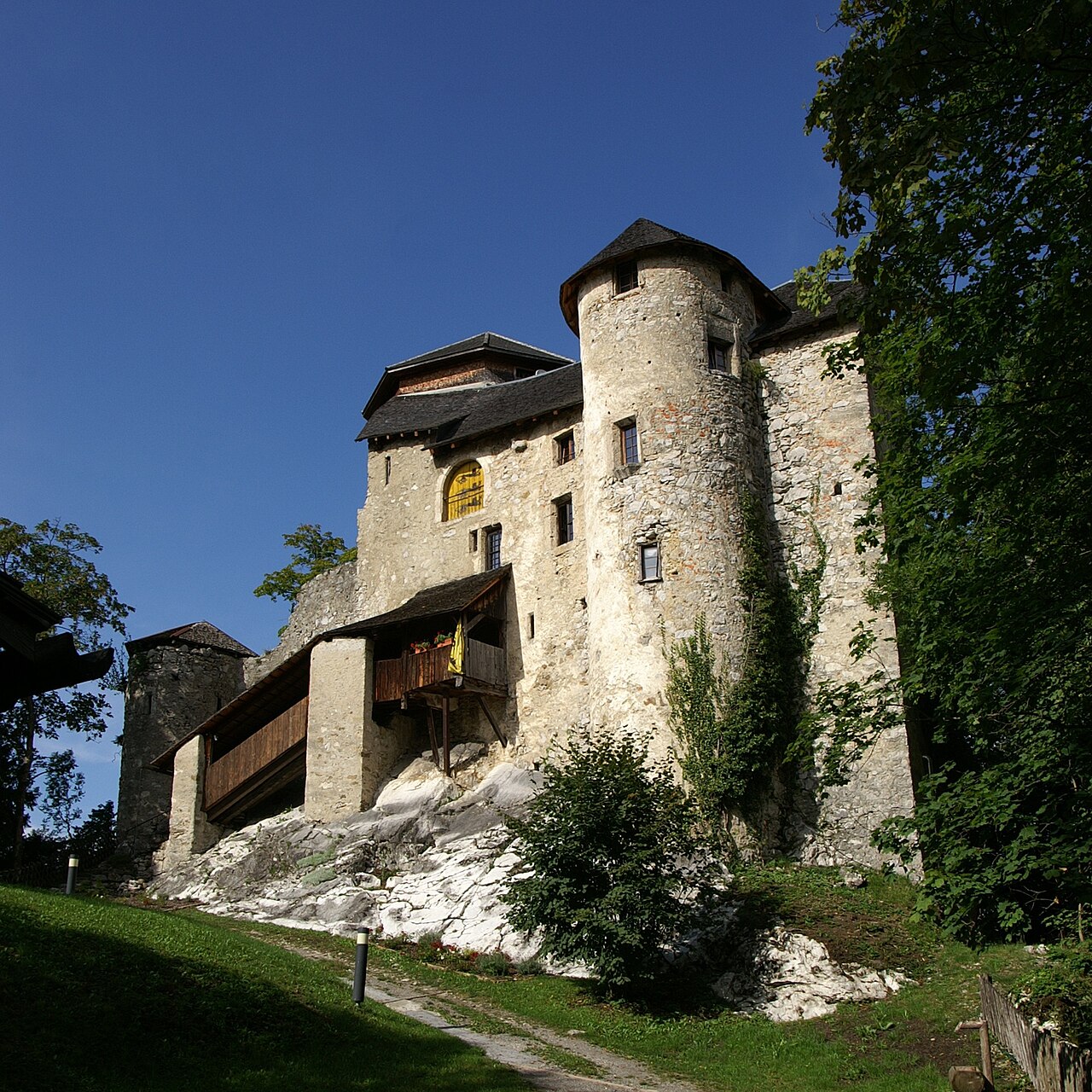
The castle was designed as a hill castle, utilizing the natural terrain for defense. Its layout included stone curtain walls enclosing a central courtyard, with towers positioned to oversee key approaches. Although much of the structure now lies in ruins, archaeological evidence reveals the presence of gatehouses, battlements, and typical of 14th-century fortifications. The castle's robust stone masonry reflects the late medieval architectural style prevalent in the region, characterized by thick walls and narrow windows designed for defense.
Historical significance and ownership transitions
Neu-Montfort was originally established as the seat of the Counts of Montfort, who wielded considerable influence in the region during the early 14th century. Around 1363, the Montfort family sold their territorial rights to the Habsburg dynasty, marking the beginning of Habsburg control over the first part of Vorarlberg. This transfer was a key moment in the expansion of Habsburg influence in western Austria.
Survival through regional conflicts
Remarkably, Neu-Montfort is one of the few castles in the area that was not destroyed during the Appenzell Wars (1405-1408), a series of conflicts that devastated many fortifications in the region. Its survival suggests either a strategic neutrality or effective defense during this turbulent period.
Decline and current condition
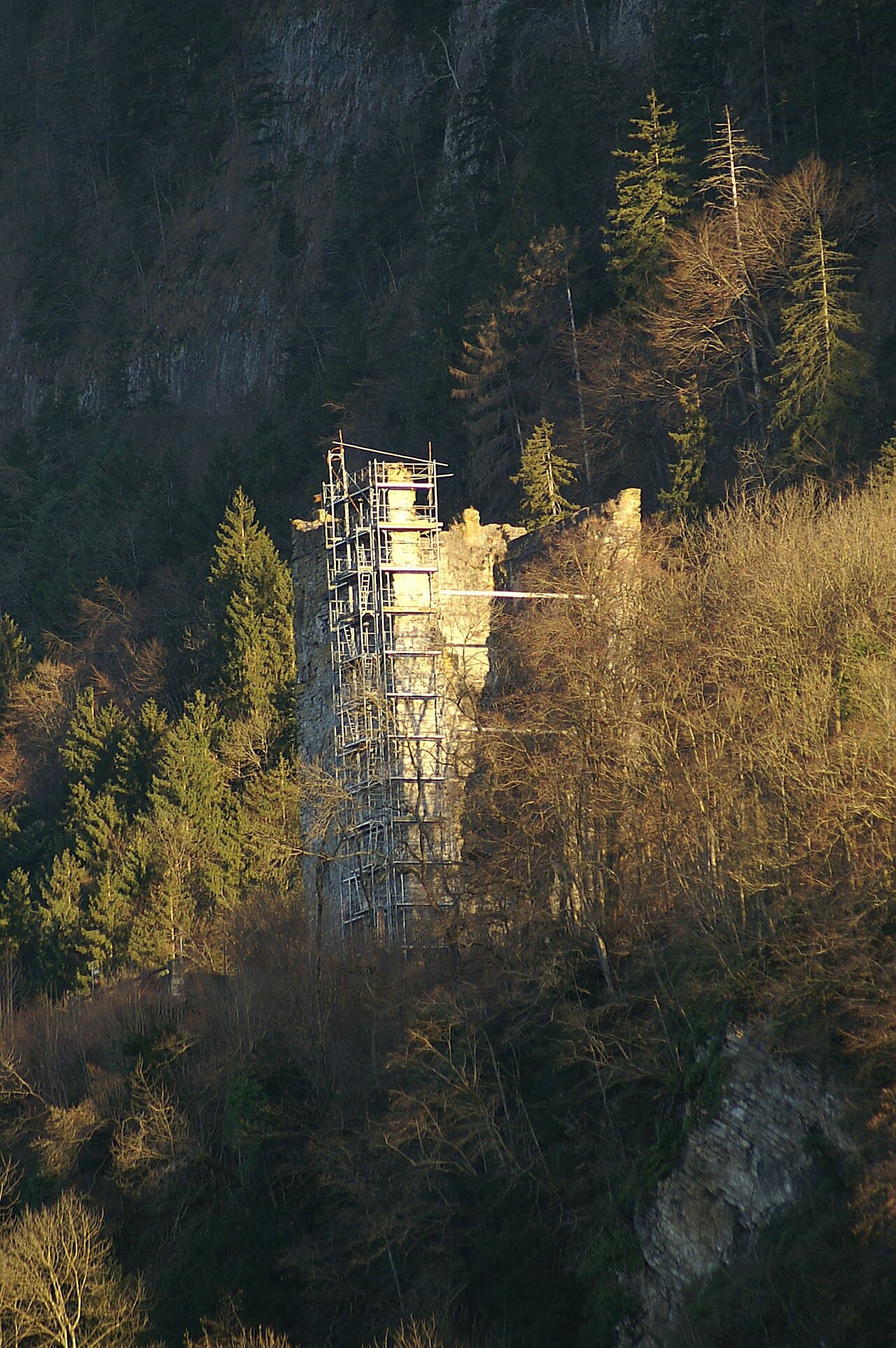
The castle's decline began in 1693 following the death of its last resident, Ulrich Koch. After this point, Neu-Montfort gradually fell into disuse and ruin. Today, the site is classified as archaeological ruins, with remnants of walls and foundations visible to visitors. The ruins offer valuable insight into medieval castle construction and the feudal history of Vorarlberg.
Archaeological and cultural importance
Neu-Montfort remains an important cultural landmark in Vorarlberg. Archaeological studies have helped reconstruct aspects of its original design and usage. The ruins attract historians, archaeologists, and tourists interested in medieval architecture and the history of the Habsburg expansion.
Visiting neu-montfort castle ruins
Visitors to the site can explore the remains of the castle and enjoy panoramic views of the surrounding countryside. The location offers a tangible connection to the late medieval period and the complex history of territorial control in western Austria. While the ruins are accessible year-round, it is advisable to visit during the warmer months for safer and more comfortable exploration.
Accessibility and visitor information
The castle ruins are situated on a hilltop, requiring a moderate hike to reach. There are no formal facilities on site, so visitors should come prepared with appropriate footwear and water. Informational signage provides historical context to enhance the experience.
Frequently asked questions (FAQ)
- When was Neu-Montfort castle built?
- Neu-Montfort castle was constructed between 1311 and 1319 by the Count of Montfort.
- What is the architectural style of Neu-Montfort castle?
- The castle features late medieval architectural elements typical of hilltop fortifications, including thick stone walls and defensive towers.
- Is Neu-Montfort castle open to visitors?
- Yes, the ruins are accessible to the public year-round, though visitors should be prepared for a moderate hike and bring suitable footwear.
- Why was Neu-Montfort castle not destroyed during the Appenzell Wars?
- Neu-Montfort is one of the few castles in the region that survived the Appenzell Wars (1405-1408), possibly due to its strategic position or neutrality during the conflict.
- What led to the decline of Neu-Montfort castle?
- The castle began to decline after 1693, following the death of its last resident, Ulrich Koch, leading to its eventual abandonment.
Photo gallery

Information
Loading map...
Visitor reviews
No reviews yet. Been here? Write the first review and help other travelers!
Write the first reviewVisited this castle? Share your experience
Your review helps other travelers and adds first-hand knowledge to our encyclopedia.